Types of Calico Cats
Mar
What Are the Different Types of Calico Cats?

After more than a decade working as a licensed veterinarian, I’ve met hundreds of calico cats in exam rooms, shelters, and sometimes in people’s kitchens during house calls. Calicos are among the most visually striking cats you’ll ever see, but many owners don’t realize that “calico” isn’t actually a breed. It’s a coat pattern that appears across several breeds and mixes.

What fascinates me most about calicos isn’t just their colors — it’s how much variety exists within that single pattern. Over the years, I’ve had clients confidently tell me their cat was “a rare calico,” only for us to discover it was a completely different color pattern. Other times, someone would bring in a kitten thinking it was just a “regular mixed cat,” not realizing they had one of the more unusual calico variations.

Understanding the different types of calico cats can help owners appreciate what makes their pet unique and avoid some common misunderstandings I encounter in clinic conversations.

Classic Calico

The classic calico is the one most people picture immediately: bold patches of white, black, and orange scattered across the coat.

In my experience, these cats often have large blocks of color rather than tiny speckles. The white base coat usually dominates, with the darker patches layered on top in irregular shapes. Every pattern is different — I’ve never seen two identical calicos, even among littermates.

A client once brought in a rescued adult cat she had adopted from a barn outside town. The cat had enormous orange and black patches across her back that almost looked painted on. What struck me was how the colors were separated by wide white areas, as if on islands in a sea of white fur. That pattern is typical of the classic calico style.

People sometimes assume these cats belong to a special breed, but I see the pattern across domestic shorthairs and domestic longhairs, and occasionally in breeds like American Shorthairs or Persians.

Dilute Calico

Dilute calicos are one of my personal favorites, mostly because owners often don’t recognize what they’re looking at.

Instead of the bold orange and black patches, dilute calicos display soft grays, creams, and whites. The colors appear washed out, almost pastel.

A few years ago, a family brought in a kitten they thought was simply “gray and white.” Under good lighting during the exam, the faint cream patches became obvious. I explained they had a dilute calico, and the kids were fascinated by the idea that the cat’s colors were a gentler version of the traditional pattern.

The diluted color is due to a genetic factor that reduces pigment intensity. The pattern is the same as a standard calico, but the tones look more muted.

These cats often look particularly striking in long-haired coats because their pale colors blend into a soft, cloudlike appearance.

Calico Tabby (Caliby)

One pattern that surprises many owners is the calico tabby, sometimes nicknamed a “caliby.”

These cats combine calico colors with tabby striping. Instead of solid orange patches, the orange areas show faint stripes, and sometimes the darker patches display tabby markings too.

I remember examining a rescue cat brought in by a volunteer who insisted the cat was a “tabby with weird orange spots.” As I checked the coat closely, the pattern revealed itself — tabby striping within the orange and black sections combined with white patches.

Caliby cats often look more textured or patterned than traditional calicos because the striping adds another visual layer.

From a medical standpoint, they’re no different from other calicos, but they often generate more curiosity from owners because the pattern looks unusual.
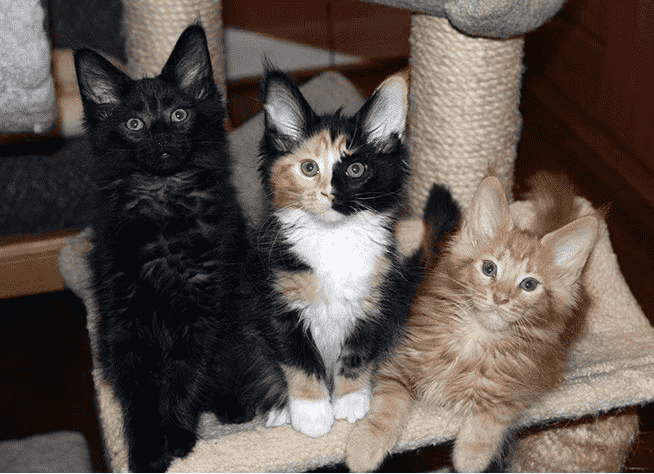
Types of Calico Cats

Tortie Calico (Tortoiseshell and White)

This variation sits somewhere between a calico and a tortoiseshell cat.

Instead of clearly separated color blocks, the black and orange areas blend together, creating a mottled or marbled appearance. White patches are still present, which is why they’re grouped with calicos rather than pure tortoiseshell cats.

A tortie-calico patient I treated regularly had a coat that looked almost like swirling autumn leaves. Her owner joked that every time she brushed the cat, she discovered a new pattern hiding in the fur.

These cats often appear darker overall because the orange and black mix more tightly.

Behaviorally, many owners claim tortie-patterned cats have strong personalities — what people jokingly call “tortitude.” While personality traits can’t truly be tied to coat color, I’ll admit that several of the most opinionated cats I’ve treated have been tortie or tortie-calico mixes.

Long-Haired Calico

This isn’t technically a different genetic pattern, but coat length changes the visual effect enough that I always mention it to owners.

Long-haired calicos tend to have dramatic color blending because the fur layers soften the boundaries between patches.

One memorable case involved a senior calico with a thick coat similar to what you’d see in a Persian mix. The orange and black sections spread across her shoulders like watercolor brush strokes. The owner had adopted her years earlier, assuming she was simply “a fluffy orange cat,” but grooming revealed the full calico pattern hidden underneath.

With long-haired calicos, I often advise owners to keep up with brushing. The combination of thick fur and multiple color patches makes mats harder to spot until they’re already forming.

Male Calico Cats (The Rare Exception)

This topic inevitably comes up during appointments.

Nearly every calico cat is female because the color pattern is linked to the X chromosome. Female cats have two X chromosomes, which allows the black and orange colors to appear in separate patches.

Occasionally, though, a male calico appears due to a rare genetic condition where the cat carries an extra chromosome.

I encountered one such case early in my career, when a colleague asked me to look at a young male cat that was clearly calico. Genetic testing later confirmed the extra chromosome pattern that occasionally produces male calicos.

These cats are uncommon and often sterile. From a clinical standpoint, they sometimes require additional health monitoring, though many live perfectly normal lives.

Mistakes Owners Often Make About Calico Cats

Working in veterinary clinics, I see a few recurring misunderstandings.

The most common is assuming calico refers to a breed. Owners will ask whether their calico is “purebred,” unaware that the pattern can appear in many breeds and mixed breeds.

Another misconception involves rarity. People often believe all calicos are rare or valuable. While male calicos are unusual, the color pattern itself is quite common.

The third mistake involves misidentifying patterns. Dilute calicos, caliby cats, and tortie-calicos are frequently mistaken for something else entirely.

I’ve learned that spending a few minutes explaining coat patterns often makes owners appreciate their cats even more.

Why Calico Cats Continue to Fascinate Me

Even after years of practice, calico cats still catch my attention in a waiting room.

Every pattern tells a slightly different genetic story. Some coats look like bold splashes of paint, while others blend into subtle pastel swirls. And no matter how many I examine during routine wellness visits, I’ve never encountered two that look exactly the same.

That individuality is part of the charm. Each calico carries the same basic three colors, yet the way those colors appear can vary endlessly, making each one distinctive in a way few other coat patterns do.
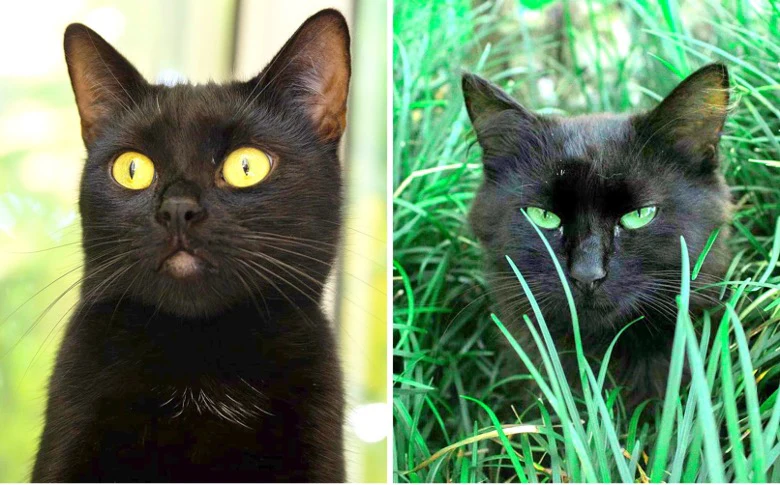
Bombay Cat and a Black Cat
Mar
How to Choose Between a Bombay Cat and a Black Cat

As a veterinarian who has spent more than a decade working with cats in daily clinical practice, I’ve had this conversation more times than I can count. A client walks in holding a sleek, jet-black cat and says something like, “Is this a Bombay cat, or just a black cat?”

The confusion is understandable. To the untrained eye, many black cats look identical. But after years of examining them, treating them, and advising owners about their personalities and health needs, I’ve learned that the difference between a Bombay cat and a typical black domestic cat goes far beyond coat color.

Sometimes the distinction matters. Sometimes it doesn’t. But it’s worth understanding what separates the breed from the color.

The First Time I Met a True Bombay

I remember my first confirmed Bombay patient. The owner drove hours just to see a vet familiar with the breed.

Seeing the cat, I understood the ‘mini panther’ comparison. Its coat shone with a unique lacquered gloss, and deep copper eyes stood out. The cat exuded calm, confident energy.

That cat behaved differently from most of the others I see in the exam room. Instead of trying to hide under the table, it climbed directly into the owner’s lap and watched me work. Bombay cats tend to be unusually social, and that first encounter matched the reputation perfectly.

But most black cats that come into the clinic aren’t Bombay at all.

A Black Cat Is a Color, Not a Breed

Many people assume “black cat” refers to a specific breed. In reality, it’s simply a coat color that appears in many different types of cats.

Most black cats I treat are domestic shorthairs, meaning they have mixed ancestry rather than a defined breed line. They can vary dramatically in personality, body structure, and health traits.

Some are lean and high-energy. Others are stocky and calm. Their eye colors range from green to yellow to gold.

That’s why I usually explain it this way to clients: a Bombay is always black, but a black cat is almost never a Bombay.

How the Bombay Breed Was Created

The Bombay breed has a very specific origin story.

In the 1950s, an American breeder named Nikki Horner set out to create a domestic cat that resembled a small black panther. She crossed Burmese cats with black American Shorthairs, eventually producing a consistent line with the signature glossy coat and copper eyes.

Because of this controlled breeding history, Bombay cats share a recognizable set of traits. They’re not just black; they’re black in a very particular way.

Over the years, I’ve examined a handful of confirmed Bombays. Each one had the same physical cues that set them apart from the average black cat.

Physical Differences I Notice During Exams

After seeing thousands of cats over the years, a few characteristics help me quickly identify a possible Bombay.

The coat is usually the first clue. Bombay cats have an incredibly smooth, tight coat that feels almost like satin. Regular black cats can have beautiful coats, too, but they often lack that uniform shine.

The eyes are another giveaway. True Bombays typically have deep copper or gold eyes, which contrast dramatically with their dark fur. Green eyes are common in mixed black cats but unusual in the breed.

Body shape also tells part of the story. Bombay cats tend to have a muscular build, a rounded head, and an expressive face. Domestic black cats vary far more in structure because their genetics are mixed.

Of course, confirmation usually requires pedigree records. Physical appearance alone can be misleading.

Bombay Cat and a Black Cat

Personality Differences I’ve Seen

Behavior is where the differences often become clearer.

Bombay cats are famously people-oriented. In my experience, they behave more like dogs than typical cats. They follow their owners around the house, greet visitors, and often demand attention.

One client’s Bombay escaped its carrier to inspect the room, occasionally chirping at me during the exam.

Many black domestic cats are affectionate, too, but their personalities vary widely. Some are extremely social, while others are more independent.

That unpredictability is simply the nature of mixed ancestry.

A Common Misidentification I See

One situation comes up repeatedly in my practice.

Someone adopts a sleek black cat from a shelter and becomes convinced they have a rare Bombay. The shelter listing might even label the cat that way.

Last year, a couple brought in a rescue they believed was a Bombay because of its shiny coat and yellow eyes. The cat was beautiful, but a closer look showed a longer face, lighter bone structure, and faint brown striping in bright light—something we call “ghost tabby markings.”

That pattern often appears in black domestic cats but is rarely seen in the breed standard for Bombay cats.

Despite their disappointment, the cat was one of the friendliest I’d treated in months. Personality won out over breed.

Health Differences Worth Knowing

In daily veterinary practice, breed sometimes affects the medical advice I give.

Bombay cats, because of their Burmese ancestry, may be more prone to certain respiratory issues related to their facial structure. It’s not something I see constantly, but I’ve treated a few cases involving mild breathing difficulties.

Domestic black cats usually don’t share those breed-specific risks. Their genetic diversity often provides a broader health profile, which can be an advantage.

That said, the basic health care needs remain the same: proper nutrition, regular veterinary visits, and attention to weight management. Obesity is one of the most common issues I encounter in both.

Temperament and Household Fit

If someone asks me which is “better,” I usually push back on the question.

A Bombay cat can be wonderful for households that want a highly interactive companion. They thrive in homes where people are often around. Some become vocal if they feel ignored.

Black domestic cats can adapt to almost any environment. Their personalities range from playful extroverts to quiet observers.

I’ve seen families fall in love with both types. The key factor is matching the cat’s temperament to the home, not focusing solely on breed labels.

Why Black Cats Are So Often Overlooked

One thing that still surprises many people is how frequently black cats are overlooked in shelters.

I’ve volunteered with several rescue groups over the years, and black cats often wait longer to be adopted. Sometimes it’s because their features are harder to photograph. Other times it’s lingering superstition.

Ironically, some of the most affectionate cats I’ve met were the black ones that nobody initially wanted.

One shelter cat had been overlooked for months. Within minutes of our meeting, she climbed onto my shoulder, purring. She was adopted soon after.

The Real Difference That Matters

After years of treating cats of every breed and color, the distinction between a Bombay cat and a black cat is mostly about genetics and predictability.

Bombays come with a known lineage and a fairly consistent personality profile. Black cats are far more varied because they represent a wide range of mixed backgrounds.

But in everyday life, the experience of sharing your home with either one is remarkably similar. Both can be affectionate, playful, intelligent companions.

And in the exam room, they both tend to give me the same skeptical look when I bring out the thermometer.

Many Colors of Ragdoll Cats
Mar
The Many Colors of Ragdoll Cats: What I’ve Learned as a Longtime Breeder

I’ve spent more than a decade breeding and raising Ragdoll cats, and one of the first questions people ask when they visit my cattery is about color. They’ll look into a litter of fluffy kittens and say something like, “Why do they all look white?”

Almost every Ragdoll kitten starts out looking similar—their true colors develop over time. I remember my first litter: convinced a kitten would stay pure white, I was surprised when months later, he revealed deep chocolate points and became one of the most striking cats in my cattery.

Ragdolls are known for their calm temperament and striking blue eyes, but their coat colors and patterns are just as fascinating. If you’re trying to choose a Ragdoll—or simply understand why they look the way they do—the color genetics behind the breed can be surprisingly interesting.

Why Ragdoll Kittens Start Out White

Many new owners panic when they bring home a Ragdoll kitten and notice it looks almost entirely white. I’ve had several buyers call me within the first week asking if the kitten they chose somehow “lost its color.”

This happens because Ragdolls carry the same temperature-sensitive gene found in breeds like the Siamese cat. The pigment develops more strongly in cooler areas of the body—such as the ears, face, tail, and paws.

Over time, those cooler parts darken while the warmer parts stay lighter. By the time a Ragdoll reaches about two years old, its full color is finally visible.

I’ve watched this transformation hundreds of times, and it never stops being interesting. A kitten that starts with faint grey shading can mature into a deep seal-colored adult with dramatic contrast.

The Classic Ragdoll Color Families

Most Ragdoll colors fall into a handful of main categories. These aren’t random variations; they’re predictable results of genetics that experienced breeders can often anticipate before the kittens even open their eyes.

Seal

Seal is the most traditional Ragdoll color. The points—ears, mask, legs, and tail—develop a deep brown shade that almost looks black in certain lighting.

Several years ago, a family visited my cattery specifically looking for a seal point kitten because it reminded them of the Ragdoll they had growing up. When the kitten matured, the contrast between his dark mask and pale body became incredibly dramatic. It’s one of the reasons Seal remains so popular.

Blue is essentially a lighter or diluted version of Seal, in which the points (ears, mask, legs, and tail) develop a soft gray tone rather than dark brown. In genetics, ‘dilute’ means the color appears watered down due to particular inherited genes. The gray tone.

Many first-time Ragdoll owners gravitate toward blue because it appears slightly softer and cooler. In my experience, blue Ragdolls photograph beautifully, which is probably why they show up so often in advertisements and calendars.

Chocolate

Chocolate points are lighter and warmer than seal. The color resembles milk chocolate rather than dark espresso.

This color tends to develop slowly. I once kept a chocolate kitten for months before realizing how rich his coloring would become; early on, he looked nearly identical to a seal kitten.

Lilac

Lilac is a diluted form of chocolate, meaning it’s a lighter version due to genes that reduce the pigment’s intensity. This creates a pale, frosty gray-pink tone that many people find especially elegant.

These cats can look almost pastel in certain lighting. They’re less common, which often makes them more sought after.

Red and Cream

Occasionally, Ragdolls appear in red or cream shades. These colors are derived from the same genetic family as those seen in the Persian cat and other long-haired breeds. g-haired breeds.

Red points can appear flame-colored, while cream is the softer, diluted version.

I had a cream bicolor male whose coat looked almost peach-colored in the sun. Many visitors assumed he was a different breed.

Many Colors of Ragdoll Cats

Understanding Ragdoll Coat Patterns

Color tells only half the story. Pattern plays an equally important role in how a Ragdoll looks.

There are three main patterns that define the BreeColorpoint Ragdolls, which most closely resemble Siamese cats. Their bodies stay light in color while the face, ears, legs, and tail (the ‘points’—areas of cooler body temperature) darken.and tail darken.

They do not have white markings on the paws or belly. The contrast between the body and points becomes more pronounced with age.

Mitted

Mitted Ragdolls have white “mittens” on their front paws and white boots on their back legs.

In my experience, this pattern often surprises new owners because the mittens can expand slightly. I once placed a mitted kitten with tiny white toes, and within a year, those markings extended halfway up his paws.

Bicolor

Bicolor Ragdolls have larger white areas, including a distinctive upside-down V on the face.

These cats tend to look the most dramatic. The combination of white fur and dark points creates a striking contrast that many people instantly fall in love with.

How Colors Change as Ragdolls Age

Ragdolls mature slowly compared to many breeds. Their coat colors continue to develop for several years.

Owners often expect the final appearance within a few months, but I’ve seen cats continue to darken until they’re nearly three years old.

Seasonal temperature can also affect color. Cats living in colder climates sometimes develop darker coats because cooler body temperatures allow more pigment to form.

One winter, I had a blue point female whose coat deepened noticeably after a cold spell. By spring, she had lightened again.

A Few Mistakes I See New Owners Make

Color can influence someone’s choice of kitten, but focusing solely on appearance can lead to disappointment.

One mistake I’ve seen repeatedly is people assuming kitten colors represent the final look. That tiny cream kitten might develop stronger orange points later, while a pale seal kitten could darken dramatically.

Another mistake involves lighting. Under indoor lighting, seal and chocolate can appear nearly identical. I always encourage potential owners to look at kittens in natural daylight before deciding.

Temperament should always matter more than color anyway. I’ve watched people pass over the friendliest kitten in a litter because its markings weren’t symmetrical.

Why Color Shouldn’t Be the Only Factor

After raising Ragdolls for many years, I’ve learned that the color people think they want often changes once they spend time with the kittens. I’ve seen visitors arrive set on a blue bicolor and leave with a seal mitted when that kitten climbed into their lap and refused to leave.e.

Ragdolls are famous for their affectionate personalities. The way they follow people around the house or flop onto their backs for attention usually matters far more than whether their points are blue, sea. The colors are beautiful, but most people fall in love with Ragdolls for their calm temperament and quiet companionship, not their coat genetics.

Create a Happy Home for Lynx Point Siamese
Mar
How to Create a Happy Home for Lynx Point Siamese

During my years as a small-animal veterinarian, I’ve met hundreds of cats with distinct personalities, but the Lynx Point Siamese stands out almost every time one walks into my clinic. They look elegant and composed at first glance, yet when you interact with them, their intelligence and vocal personality quickly emerge.

I’ve been practicing veterinary medicine for over a decade, and while many owners assume this cat is simply another variation of the Siamese cat, the lynx point variety has its own quirks. Their striped markings, expressive voices, and surprisingly social nature make them memorable patients—and, for the right household, excellent companions.

The First Time I Realized How Different They Are

Early in my career, a client brought in a young lynx point kitten that had just been adopted from a rescue. The owner’s concern wasn’t illness or injury—it was the kitten’s constant “talking.”

The cat was vocal throughout the exam, chirping, trilling, and meowing, even climbing onto my shoulder as I wrote notes. The owner apologized, thinking her kitten was unusually needy.

But honestly, I wasn’t surprised. Lynx point Siamese cats often inherit the vocal nature of traditional Siamese cats, and many of them communicate constantly with their owners.

I told the client something I’ve repeated many times since: if you want a quiet, independent cat that blends into the background, this probably isn’t the breed for you.

What Makes a Lynx Point Siamese Unique

Physically, these cats are striking. Their bodies are typically slender and athletic, with the pale coat common to Siamese cats. What sets them apart are the tabby-like stripes on the face, legs, and tail—the “lynx” pattern that gives the breed its name.

Yet, appearance tells only part of their story.

Behaviorally, they tend to be:

  • Highly social with humans
  • Extremely curious
  • More vocal than many cat breeds
  • Quick learners who enjoy interaction

In my clinic, lynx points often behave more like dogs than cats. They watch everything happening in the room and react to voices, movements, and sounds with obvious interest.

Their Personality Is Not for Every Household

One of the most common mistakes I see is people adopting a lynx-point Siamese purely because of its beautiful markings. The look draws attention, but the personality requires commitment.

Several years ago, a couple adopted one from a shelter and came to me about a month later, worried something was wrong with their cat. The cat followed them everywhere, cried when doors closed, and demanded attention constantly.

The cat wasn’t anxious or unhealthy; this behavior matched what I often see in the breed—deep attachment and social drive.

I advised them to increase playtime and environmental stimulation. Once they added daily interactive play sessions and puzzle toys, the behavior improved dramatically.

Intelligence and Mental Stimulation

In my experience, lynx point Siamese cats rank among the more intelligent domestic cats. They learn routines quickly and often figure out how to open cabinets, doors, or food containers.

One patient I remember particularly well was a young family member. Their cat had learned to open the treat drawer by pulling it with its paws. The owners initially thought their children were sneaking snacks to the cat until they caught the feline doing it alone.

Mental engagement is essential for these cats. When bored, they can become destructive or vocal.

Simple things help:

  • Rotating toys regularly
  • Interactive wand play
  • Window perches for watching outside activity.
  • Puzzle feeders

Even short play sessions make a noticeable difference in their behavior.

Create a Happy Home for Lynx Point Siamese

Health Observations From My Practice

From a medical standpoint, lynx-point Siamese cats generally share many of the same health issues as Siamese cats.

Over the years, I’ve occasionally seen them with:

  • Dental issues are common to slender-jawed breeds.
  • Sensitivity to anesthesia is similar to Siamese lines.
  • Respiratory infections in kittens from crowded shelters

None of these are guaranteed problems, but they appear often enough that I monitor them closely during exams.

One lynx point I treated last spring came in for routine dental care. The owner had brushed the cat’s teeth regularly since kittenhood, and the difference was remarkable compared to many cats of similar age. It reinforced something I often tell clients: preventive care matters far more than breed tendencies.

Social Bonds With Owners

Another trait that surprises new owners is how strongly these cats bond with people.

Many cats enjoy affection but remain independent. Lynx point Siamese cats often prefer constant company.

I’ve had owners describe their cats waiting by the door when they come home or following them from room to room. In multi-pet homes, they sometimes pick a favorite human and stay near that person whenever possible.

This attachment can be wonderful, but it can also create stress if the cat is left alone for long periods. Households where someone is home regularly tend to suit them best.

Grooming and Daily Care

Fortunately, their coat care is simple.

Their fur is short and fine, so weekly brushing is usually enough. Most of the grooming effort actually goes toward keeping them mentally and physically active rather than maintaining their coat.

Diet and exercise matter more than grooming with this breed. Their lean body type can gain weight if they become inactive indoors.

Owners who schedule regular play sessions rarely run into that problem.

Who Should Consider This Breed

After years of seeing lynx-point Siamese cats in clinics and in clients’ homes, I usually recommend them to people who want a truly interactive pet.

They do well with:

  • Owners who enjoy a vocal, expressive cat
  • Families who spend time playing with pets
  • Households that already enjoy engaging with animals

They’re less ideal for people who prefer quiet, low-maintenance companions.

A Cat That Wants to Be Part of Your Life

The thing I’ve learned most about lynx point Siamese cats is that they don’t fade quietly into the background of a home.

They interact with daily life in ways most cats do not. For many, that energetic engagement defines what makes a lynx point Siamese unique.

For others, it can feel overwhelming.

For those who appreciate their vibrant nature, lynx-point Siamese cats make truly unforgettable companions: clever, affectionate, and always eager to share their voices.

Bombay Cat Prices
Mar
How to Determine Bombay Cat Prices as a Breeder

What I’ve Learned as a Cat Breeder

For the past decade, I’ve bred pedigree cats, and the sleek, jet-black Bombay cat always draws attention. Its glossy coat and copper eyes captivate nearly everyone. The first question I always hear is: How much does a Bombay cat cost?

The honest answer is that the price varies due to several key factors. Over the years, I’ve seen buyers surprised not only by the initial cost but also by the specific elements that influence it—such as breeder reputation, health testing, bloodline, and whether the kitten is pet or show quality. The price ultimately reflects more than just the kitten itself.

Typical Price Range I See in the Market

In my experience, a Bombay kitten from a responsible breeder generally costs somewhere between several hundred and a few thousand dollars. This wide range is due to factors such as the kitten’s quality, the breeder’s reputation, health guarantees, and the extent of socialization and veterinary care provided before adoption.

A pet-quality Bombay kitten usually falls on the lower end of that range. These are perfectly healthy cats that simply may not meet strict show standards. Kittens with ideal physical traits — perfectly rounded heads, deep copper eyes, and the classic “patent leather” coat — can cost considerably more.

I remember a young couple who visited my cattery last spring. They had fallen in love with the breed online and assumed they could find a kitten for a couple of hundred dollars. When I explained the real cost of ethical breeding — genetic testing, veterinary care, specialized nutrition, and socialization — they were initially shocked. By the end of the visit, though, they understood that responsible breeding isn’t cheap, and they appreciated knowing where their money was going.

Why Bombay Cats Cost More Than Many Other Breeds

The Bombay is not one of the most common cat breeds, which alone affects its price. The breed originated from a deliberate cross between Burmese cats and black American Shorthairs, and maintaining the breed standard requires careful planning.

Breeding programs that prioritize health and temperament invest heavily in their cats. In my own program, for example, every breeding cat undergoes routine veterinary checks and screening for genetic issues common in related breeds. Those tests alone can cost more than many people expect.

Then there is the daily care involved. Kittens remain with their mother for several weeks, during which they receive vaccinations, parasite prevention, and early socialization. I spend hours each week handling the kittens so they grow comfortable with people. That time investment is one reason well-raised kittens command higher prices.

Differences Between Pet Quality and Show Quality

I always explain that pet-quality and show-quality kittens differ primarily in appearance and price.s.

Pet-quality Bombays have the classic black coat and affectionate personality but may exhibit minor variations from show standards, such as slight differences in head shape or eye color.

Show-quality kittens, on the other hand, closely match the breed standard. Breeders spend years refining their lines to produce cats that meet those standards. As a result, these kittens usually cost significantly more.

A standout kitten from one litter attracted experienced breeders due to her exceptional coat and eye color, leading to a show home placement at a higher price.

Bombay Cat Prices

The Hidden Costs Buyers Often Overlook

The purchase price of a Bombay kitten is only part of the financial picture. I’ve had many conversations with people who focused entirely on the upfront cost without considering long-term expenses.

Even though Bombay cats are generally healthy, they still require regular veterinary care, quality food, and enrichment. Because they’re intelligent and social, they also need toys, climbing structures, and plenty of interaction.

The IA family purchased a low-priced kitten online, which soon developed health issues, resulting in higher costs than a responsible breeder’s kitten. That experience reinforced something I’ve seen repeatedly: a cheap kitten can quickly become an expensive one.

Red Flags I Tell Buyers to Watch For

Over the years, I’ve learned to warn potential buyers about certain warning signs.

If someone is advertising Bombay kittens at a dramatically low price, there’s usually a reason. Sometimes the kittens aren’t actually purebred. Other times, they come from large-scale breeding operations where health testing and proper care are minimal.

Another concern is sellers who refuse to answer questions about the kitten’s parents, health records, or living conditions. Responsible breeders are usually happy to discuss their breeding program and show you where the kittens are raised.

An OA caller who paid a deposit to an online seller realized the listing was likely a scam after the seller failed to provide health documentation. Adoption Is Sometimes an Option

While most Bombay cats come from breeders, they occasionally appear in rescue organizations or shelters. When that happens, the adoption fee is usually much lower than the cost of purchasing a kitten from a breeder.

However, these opportunities are relatively rare. The breed isn’t particularly common, and many owners keep them for years because of their affectionate nature.

I helped place a retired breeding cat with a family for a modest fee. The cat was gentle, healthy, and well-socialized. What Makes the Breed Worth the Price

Despite the cost, many owners feel the Bombay is worth the investment. Their personalities are a big reason why.

Bombays tend to form strong bonds with their people. They’re playful well into adulthood and often follow their owners around the house like little shadows. Several of my clients have joked that their Bombay behaves more like a small dog than a typical cat.

One of my first Bombay queens would greet visitors and quickly climb into their laps, displaying the breed’s confident, affectionate temperament.Final Thoughts From Years of Experience

The price of a Bombay cat reflects far more than its appearance. Responsible breeding requires health testing, careful selection of parents, and a significant investment of time and care.

If you’re considering a Bombay, look beyond the price tag. Research breeders thoroughly, ask questions about health and lineage, and remember that investing in a well-bred kitten means investing in years of healthy companionship. Prioritize temperament and health over bargain pricing—your future self and your cat will thank you.

How to Care for Your Munchkin Cat
Mar
How to Care for Your Munchkin Cat: Expert Tips

A Veterinarian’s Perspective

I’ve worked as a small-animal veterinarian for a little over a decade, and during that time I’ve examined many different cat breeds. Some come through the clinic regularly—Siamese with respiratory issues, Maine Coons with heart concerns, Persians with eye problems. The first time I met a Munchkin cat, though, I remember pausing for a moment.

The cat walked into the exam room—confident and curious—but with noticeably shorter legs. Not injured or deformed, just short. The owner watched my reaction, probably used to people staring. After examining several Munchkin cats, I’ve found them to be charming, energetic, and sometimes misunderstood.

The First Munchkin I Treated

The first Munchkin I treated came in after struggling to jump onto furniture.

What surprised them—and honestly, many owners—is that Munchkin cats still try to behave like typical cats. They climb, chase toys, and attempt impressive jumps. But those short legs can change the mechanics a bit.

In that case, repeated attempts to reach a high window ledge strained a muscle. We discussed adding shelves so she could climb gradually. The problem was resolved within weeks.

That experience taught me something important: most issues with Munchkins aren’t about the breed being fragile. They’re usually about owners forgetting that the cat’s body works slightly differently.

Where the Breed Came From

Munchkin cats didn’t appear through deliberate design at first. The short-leg trait is caused by a naturally occurring genetic mutation affecting bone length. Cats with this mutation began appearing sporadically decades ago, and eventually, breeders began intentionally developing them.

The result is a small to medium cat with normal proportions except for the legs, which are significantly shorter. Otherwise, their bodies are surprisingly typical. Most weigh about the same as an average domestic cat and have the same playful temperament.

What people often don’t expect is how fast they move. I’ve seen a Munchkin sprint across an exam room faster than many long-legged cats.

Personality in the Exam Room

From my experience, Munchkin cats tend to be extremely social.

One patient I remember clearly was brought in by a retired teacher who had adopted him from a rescue group. During the exam, he stood upright on his hind legs—almost like a prairie dog—trying to look over the edge of the exam table. His owner laughed and told me he did that at home whenever he heard the refrigerator door open.

That “standing” behavior is something many Munchkin owners mention. Because their front legs are short, they sometimes sit upright to observe their surroundings.

It’s one of those small behavioral quirks that owners tend to fall in love with.

How to Care for Your Munchkin Cat

Health Concerns I Actually See

There is a lot of debate surrounding this breed. Some people worry that short legs automatically mean severe health problems. In my clinic, the reality has been more nuanced.

Most Munchkin cats I treat are generally healthy, but I watch closely for a few areas.

Spinal strain is one of them. The altered body structure can put extra pressure on the spine if the cat becomes overweight. I’ve had more than one owner bring in a Munchkin with mild back stiffness that improved simply after weight control.

Another issue is joint stress, especially in older cats. It’s not universal, but the risk is slightly higher compared to average domestic cats.

A middle-aged Munchkin once came in limping after jumping off a dresser. The minor injury reminded the owner that these cats shouldn’t make big jumps.

Cats are stubborn athletes, regardless of leg length.

A Common Mistake Owners Make

If there’s one pattern I’ve noticed over the years, it’s this: people assume Munchkin cats are delicate and restrict them too much.

They avoid letting them climb, discourage play, and treat them almost like fragile ornaments.

That’s a mistake.

Most Munchkins are energetic and curious, still needing exercise and play. The main difference is arranging your home to fit their body structure.

A customer I saw last spring had done this perfectly. She installed several staggered wall shelves that formed a “cat staircase” up to a window perch. Her Munchkin could reach the top easily without having to make huge jumps.

The cat used it constantly.

Breeding Ethics and My Personal Opinion

Over the years, clients have asked me whether they should get a Munchkin cat at all. I try to answer honestly rather than automatically approving or condemning the breed.

The short-leg mutation itself doesn’t guarantee suffering. Many Munchkins live long, comfortable lives. I’ve seen plenty reach their mid-teens with only routine veterinary care.

But responsible breeding matters a lot.

Breeders should screen for other genetic problems and avoid extreme body shapes. Unfortunately, like with many trendy breeds, demand sometimes encourages careless breeding.

When people ask my opinion, I usually suggest two options:

Adopt a Munchkin from a reputable rescue or find a breeder who prioritizes health over novelty.

What I advise against is buying one from someone who focuses purely on producing the shortest legs possible.

Living With One Day to Day

Owners often describe Munchkins as playful well into adulthood. They chase toys, follow people around the house, and adapt well to indoor living.

Their shorter legs can actually make them surprisingly agile in tight spaces. I’ve had several owners tell me their cats navigate furniture like small ferrets.

Grooming needs vary depending on coat length, but nothing unusual compared to other cats.

The biggest practical adjustment is simply making the home accessible.

Lower scratching posts, step-style cat trees, and reachable window perches help keep Munchkins active without unnecessary strain.

One Last Case That Changed My Perspective

A senior Munchkin, with his family since the kids were young, was slowing down when I met him.

What stood out wasn’t his body structure. It was how confident and relaxed he was after more than a decade in the same home.

He hopped onto the table, checked my stethoscope, then settled into his owner’s arms as usual.

That visit reinforced my perspective: a cat’s quality of life depends far more on environment and care than on leg length. Owners who adapt their homes and routines to their Munchkin’s needs make the greatest difference.

Short legs don’t define the whole story. With attentive care and an environment suited to their bodies, Munchkin cats can enjoy happy, typical feline lives—proving that how we care matters more than any single trait.

Tiger Cats
Mar
How to Understand the Name “Tiger Cats”

Observations From a Feline Behavior Specialist

I’ve worked as a feline behavior specialist and shelter consultant for more than a decade, helping owners understand cats that display unusual habits, aggression, or high energy. Over the years, one description I hear repeatedly is “tiger cat.” A new client will sit across from me and say something like, “My tiger cat is acting wild again.”

They’re not talking about a wild animal, of course. In most cases, they’re referring to a domestic cat with bold tabby stripes that resemble the markings of a tiger. But the nickname isn’t just about appearance. Many of these cats carry a personality that feels larger than life.

After spending thousands of hours observing domestic cats in homes, clinics, and shelters, I’ve noticed that tiger-striped cats often come with distinctive behavioral patterns. Some are affectionate companions. Others behave like miniature predators roaming a living room jungle.

What People Actually Mean by “Tiger Cat”

Most people use the term “tiger cat” to describe a tabby cat, especially one with strong vertical stripes along the sides and back. These markings create the familiar tiger-like pattern that makes the nickname stick.

The pattern appears across many breeds and mixed-breed cats. In my experience, the majority of tiger cats I meet are domestic shorthairs adopted from shelters or found as neighborhood strays.

The coloring usually includes:

  • Dark stripes over a brown, gray, or orange coat
  • An “M” shaped marking on the forehead.
  • Ringed tails and striped legs

For example, let me share a memorable encounter: I remember examining a rescue kitten brought into a clinic where I consult part-time. The woman who found him said he had been living behind a grocery store dumpster for weeks. Even as a small kitten, he had intense orange stripes and a confident posture. One of the veterinary technicians laughed and said, “That one thinks he’s a tiger already.”

When he came back a few months later for a follow-up visit, the same kitten strutted into the exam room like he owned the place.

That attitude isn’t uncommon.

The Personality I Often See in Tiger-Striped Cats

Coat color doesn’t scientifically determine personality, but years of hands-on work have convinced me that some patterns appear frequently alongside certain behaviors.

Tiger cats, particularly striped tabbies, often show strong hunting instincts. I’ve seen them stalk shadows, toy mice, and even dust particles moving across the floor.

One client contacted me last spring because her striped tabby kept attacking her ankles late in the evenings. She was worried the cat had developed aggression. After visiting her home and observing the cat’s routine, the explanation was obvious: the cat was bored and had no proper outlet for hunting energy.

Once we added structured play sessions twice a day, the “ankle attacks” stopped almost completely.

These cats tend to thrive when they have:

  • Regular interactive play
  • Climbing areas or cat trees
  • Windows where they can watch birds or outdoor activity

Without stimulation, their energy can turn into mischief.

Tiger Cats

A Shelter Story That Changed My View

One of the most memorable tiger cats I worked with came from a municipal shelter, where I helped staff reduce stress behaviors in newly admitted cats.

The cat had been labeled “difficult.” He swatted at volunteers and hissed whenever someone approached the kennel. The staff assumed he simply had an aggressive temperament.

But after watching him quietly for several minutes, I noticed something subtle. His eyes followed every moving object in the room—keys, hands, paper, anything.

He wasn’t aggressive. He was overstimulated and frustrated.

When we moved him into a larger enclosure with shelves and scheduled daily play sessions using a feather wand, his behavior changed dramatically within a week. He began greeting staff with curious chirps instead of hissing.

A month later, he was adopted by a family that wanted an energetic cat.

Experiences like that are why I rarely label tiger cats as “mean.” More often, they’re simply high-drive animals that need engagement.

Common Mistakes I See Owners Make

Many tiger cats end up misunderstood because their energy level surprises people.

A mistake I frequently encounter is assuming the cat will entertain itself. Owners buy a few toys, scatter them around the house, and expect the problem to solve itself.

Cats don’t play with toys the way children do. They need movement and interaction to trigger the hunting instinct.

Another issue I see involves punishment. A striped tabby knocking objects off shelves or attacking moving feet often gets labeled “bad.” In reality, the cat is responding to instincts that have been part of feline behavior for thousands of years.

Redirecting that energy works far better than scolding.

Living With a Tiger Cat Day to Day

Despite their reputation for wildness, many tiger cats are extremely affectionate.

I’ve worked with several that behave almost like dogs—following their owners from room to room, waiting near the door when someone comes home, and greeting visitors with curiosity rather than fear.

For instance, one family I advised had an orange tiger cat who insisted on supervising every household activity. Cooking, folding laundry, even brushing teeth—he wanted to be involved.

The owner joked that the cat was the household manager.

In my experience, social confidence is common among tabby cats raised in stable homes.

Why These Cats Remain So Popular

Part of the appeal is visual. The striped pattern naturally draws attention because it resembles one of nature’s most recognizable predators.

But I suspect the personality plays an even bigger role.

Tiger cats tend to be expressive. They communicate clearly, play enthusiastically, and display body language that’s easy for humans to read. For many owners, that makes the relationship feel more interactive.

After years of working with cats of every breed and temperament, I’ve developed a soft spot for striped tabbies myself. My main takeaway is that while tiger cats may act like tiny jungle hunters, their high energy, curiosity, and need for engagement are often misunderstood. With a stimulating environment and patience, tiger cats become affectionate, entertaining companions—proof that their reputation comes from both their striking appearance and their vibrant personalities.

Feed Your Cat Dates
Mar
How to Safely Feed Your Cat Dates

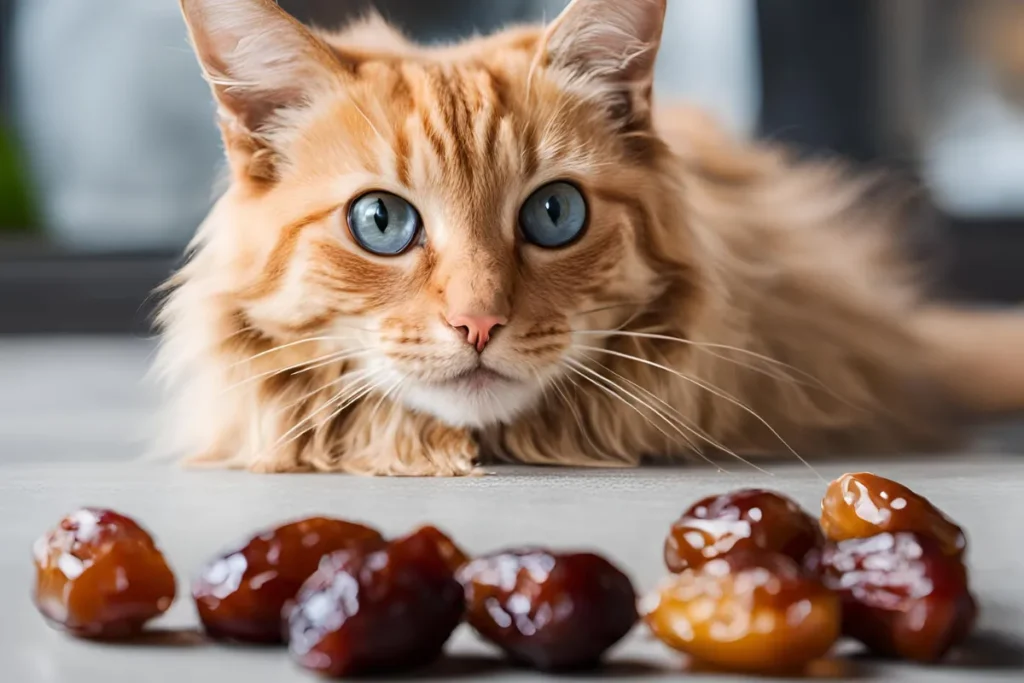
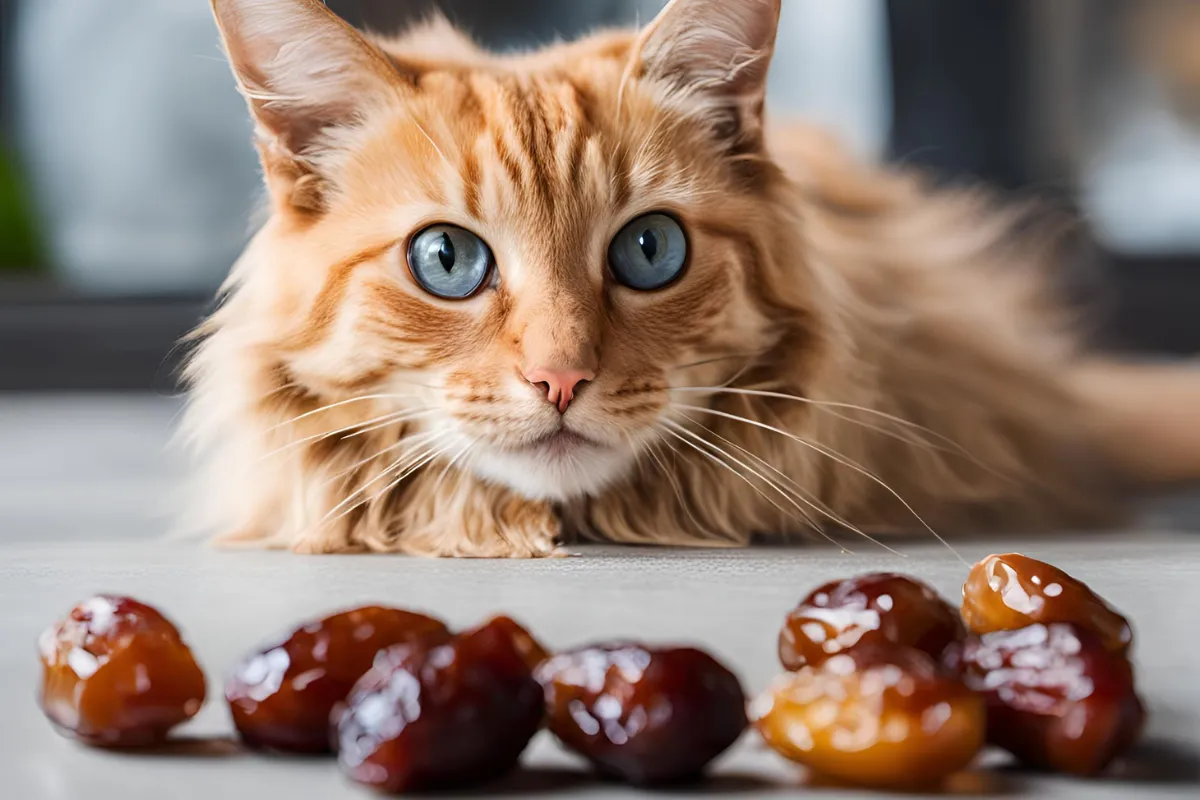
I’ve been a practicing veterinarian for more than a decade, and if there’s one thing I’ve learned, it’s that cats have an uncanny ability to show interest in foods that were never meant for them. Most owners assume cats only crave meat, yet every few months, someone sits in my exam room asking about a strange snack their cat stole from the kitchen counter. One of the more surprising questions I hear—especially from clients with Middle Eastern or Mediterranean backgrounds—is whether cats can eat dates.

The short answer is yes, cats can technically eat dates in small amounts. They aren’t toxic. But that doesn’t mean they’re a good treat for your cat, and I usually recommend avoiding them.

Why Cats Are Curious About Human Foods

Cats are obligate carnivores. That means their bodies are designed to thrive on animal protein, not fruits or carbohydrates. Yet curiosity often overrides biology.

A few months ago, a client brought in her young tabby after finding him chewing on a date that had fallen from a kitchen bowl. She was worried because dates are sticky and extremely sweet. The cat seemed fine, but had mild diarrhea the following day. Situations like this are fairly common. Cats explore with their mouths, and anything soft, sticky, or interestingly shaped becomes a potential toy—or snack.

From a medical standpoint, dates aren’t poisonous to cats. They don’t contain compounds known to cause toxicity, unlike some foods. But they’re also far from ideal.

The Real Issue With Dates

Dates are packed with natural sugars and fiber. For humans, that can be beneficial in moderation. For cats, it’s unnecessary.

In my clinic, I’ve treated several cats with digestive upset after eating sweet foods. Their stomachs simply aren’t built to handle large amounts of sugar. A small nibble of a date might not cause noticeable symptoms, but larger amounts can lead to problems such as vomiting, diarrhea, or stomach discomfort.

The texture is another concern. Dates are sticky and dense, which can make them a choking risk. Cats tend to swallow food in chunks rather than chewing thoroughly. If a cat grabs a piece that’s too large, it can easily get lodged in the throat.

I’ve seen this happen once in a rather dramatic way. A curious indoor cat grabbed half a date off a plate during a family gathering. The owner rushed him into my clinic after noticing gagging and pawing at the mouth. Fortunately, the obstruction cleared quickly, but it served as a reminder that even seemingly harmless foods can create unexpected problems.

The Pit Problem

One detail owners sometimes overlook is the pit inside dates. The pit is hard and elongated, and if a cat swallows it, it could cause choking or an intestinal blockage.

In veterinary medicine, foreign body obstructions are more common than most people realize. While dates themselves aren’t a typical culprit, any hard object swallowed by a cat can lead to surgery if it becomes lodged in the digestive tract.

Whenever clients ask about sharing fruit with their pets, my first advice is always the same: never leave pits, seeds, or cores within reach.

Do Cats Get Any Benefit From Dates?

Not really.

Cats don’t efficiently process carbohydrates, and they don’t need dietary sugar. Their metabolism revolves around protein and fat. Even the fiber in dates doesn’t offer much benefit, since cats get adequate digestive support from a balanced commercial cat food.

I occasionally hear owners say their cat seems to enjoy sweet foods. Interestingly, cats actually lack the taste receptors that detect sweetness. So if a cat is licking a date or dessert, it’s usually responding to texture or curiosity rather than flavor.

A Small Taste Isn’t an Emergency

If your cat manages to eat a tiny piece of a date, there’s usually no reason to panic. Most cats tolerate small amounts without serious issues.

In my experience, the symptoms—if they appear at all—are mild and temporary. Owners might notice softer stools or slight stomach upset. These signs generally pass within a day.

However, I advise contacting a veterinarian if you notice:

  • Persistent vomiting
  • Diarrhea lasting more than a day.
  • Lethargy or loss of appetite
  • Signs of choking or gagging

Those symptoms are uncommon but worth monitoring.

Feed Your Cat Dates

Safer Treats for Cats

I often encourage owners to think about treats from a cat’s biological perspective. High-protein snacks make far more sense than sugary fruit.

Some of the treats I’ve recommended in my practice include small pieces of cooked chicken, plain turkey, or commercially prepared cat treats designed for feline digestion. These options satisfy a cat’s natural instincts and are far less likely to upset the stomach.

One client I worked with last winter had a cat that constantly begged for food from the dinner table. After switching to tiny portions of cooked chicken as rewards, the begging decreased, and the cat maintained a healthy weight. That’s the kind of outcome I like to see.

My Professional Take

After years of answering this question in exam rooms and over the phone, my advice is simple: dates aren’t dangerous, but they’re unnecessary for cats.

A small accidental bite is unlikely to cause harm, yet intentionally offering dates doesn’t provide any real benefit. Between the sugar content, the sticky texture, and the choking risk from pits, there are many better treats you can give your cat.

Most cats are healthiest when their diet stays simple—high-quality cat food, fresh water, and the occasional protein-based snack. Everything else tends to complicate matters more than it helps.

Persian Cat Colors
Mar
Persian Cat Colors Through the Eyes of a Longtime Breeder

I’ve spent more than a decade breeding and caring for Persian cats, and one thing new owners often underestimate is just how many colors these cats come in. Most people picture the classic fluffy white Persian with a flat face and bright eyes. That image isn’t wrong, but it barely scratches the surface.

In my cattery, I’ve raised Persians ranging from deep charcoal blacks to delicate creams and dramatic silver tabbies. Over the years, I’ve learned that color isn’t just about appearance. It can influence grooming needs, eye color, show standards, and even how people perceive a cat’s personality. These considerations become especially important as owners begin to consider which color might best fit their household.

Instead of just seeking the “prettiest” color, ask yourself which color fits your cleaning routine, the time you can commit to grooming, or even your furniture’s color. Prioritizing both practicality and appearance will help you find the ideal match for your home and lifestyle.

Why Persian Cat Colors Matter More Than People Think

Consider how coat color may influence not only appearance but also grooming and potential breed-specific health considerations. Before selecting a color, consult breeders about genetics and maintenance to ensure you’re prepared for your cat’s specific needs.

I remember a couple who visited my cattery a few years ago, hoping for a pure white Persian kitten with blue eyes. They had seen photos online and assumed that combination was common. In reality, producing a healthy white Persian with deep blue eyes requires careful breeding choices because some genetic lines can carry hearing issues.

Because of that, responsible breeders take color genetics seriously. It’s not about producing rare colors for the sake of novelty. It’s about maintaining healthy bloodlines while preserving the stunning coat variations that make Persians so recognizable.

Another practical factor is grooming. Lighter coats show stains more easily, especially around the eyes, while darker coats tend to hide minor tear staining but show loose fur on furniture more clearly.

The Classic Solid Persian Colors

Solid colors are often the first type people encounter. These cats have a single uniform coat color without patterns or shading.

White Persians are perhaps the most iconic. Their snow-like coats and bright copper or blue eyes create a striking contrast. They’re often the ones featured in advertisements or luxury pet photos. In my experience, white Persians require especially attentive grooming. Tear staining around the eyes can appear quickly if daily cleaning isn’t part of the routine.

Black Persians offer a completely different aesthetic. A well-bred black Persian has a dense, glossy coat that almost looks like velvet. One of the most memorable cats I ever raised was a jet-black male kitten that matured into an enormous, calm adult. Visitors would assume he was intimidating because of his dark coat, but he turned out to be the gentlest cat in the house.

Blue Persians—despite the name—are actually a soft gray color. Many breeders and owners love this shade because it gives the coat a smoky, elegant appearance. Under natural light, the fur can look almost silver.

Other solid colors appear less frequently but are just as beautiful. Cream Persians carry a pale golden coat that looks almost pastel. Red Persians, sometimes called “flame,” display a vibrant orange tone that stands out dramatically against their long fur.

Tabby Persians and Their Striking Patterns

Tabby Persians introduce patterns into the coat, creating a completely different visual style. These cats have stripes, swirls, or spotted markings layered over a base color.

One spring, a family visited my cattery looking for a kitten that their children could easily recognize among several household pets. I showed them a silver tabby Persian with bold black markings across his coat. The children instantly picked him out because his dramatic stripes looked like artwork across the fur.

Tabby Persians typically fall into several pattern types. Classic tabbies display swirling, marble-like patterns across the sides. Mackerel tabbies have narrow vertical stripes along the body. Spotted tabbies break those stripes into smaller dots scattered across the coat.

The silver tabby variety remains especially popular among breeders because of its contrast. The light background combined with dark markings creates a very distinctive look that tends to stand out even from a distance.

Persian Cat Colors

Bi-Color and Particolor Persians

Not all Persian cats stick to a single color or pattern. Bi-color Persians combine two coat colors, usually white paired with another shade such as black, blue, or red.

These cats often develop unique patterns that make each one look different. Some may have symmetrical facial markings, while others appear almost as though the color was brushed across the fur in random strokes.

Particolor Persians take things even further by blending several colors together. Tortoiseshell Persians are a well-known example. Their coats feature irregular patterns of black, red, and cream patches. No two tortoiseshell coats ever look exactly alike.

I once raised a tortoiseshell Persian female that had a split-colored face—half dark, half orange. Visitors constantly asked if it was a dyed pattern. It wasn’t; that dramatic contrast was purely genetic.

Shaded and Smoke Persian Varieties

Some Persian colors create the illusion of movement within the coat. Shaded and smoke varieties achieve this effect through layered color.

Smoke Persians look almost solid at first glance, but their fur reveals a lighter undercoat when they move. A black smoke Persian, for example, may appear dark until the cat walks or stretches, revealing pale silver roots beneath the top layer.

Shaded Persians create a softer effect. Their coats gradually transition from darker tips to lighter bases, giving the fur a luminous quality. Golden-shaded Persians are particularly admired for their coats, which shimmer under natural light.

In breeding circles, producing consistent shaded coats requires careful planning. The genetics behind these colors are complex, and inexperienced breeders sometimes struggle to maintain the right balance between shading and solid pigmentation. If considering a shaded or smoke Persian, understand that coat variation is tied to breeder expertise.

Choosing the Right Color for Your Home

Prospective owners often ask me which Persian color is “best.” My answer usually surprises them. The best color is the one you’ll enjoy caring for every day.

When choosing, weigh practical issues such as grooming and cleaning needs. Pick a color that fits your cleaning habits, furniture color, and willingness to manage grooming demands. For first-time owners, coats that disguise stains and shedding can be a smart choice.

Personality differences rarely depend on coat color, despite common myths. I’ve raised calm red Persians and energetic blue ones. Temperament is influenced far more by breeding and early socialization than by the shade of the fur.

Still, there’s no denying that color shapes the connection people feel with their cats. Some fall in love with the regal elegance of a silver-shaded Persian. Others prefer the playful look of a bright red tabby.

After years in this field, I’ve seen hundreds of Persian kittens leave my cattery for new homes. No matter the color, the moment that a kitten settles into someone’s arms and begins to purr, the decision about coat shade suddenly seems much less important than the bond that follows.

Burmese Cat
Mar
Burmese Cat: Personality, Care, and What Living With One Is Really Like