How to Care for Your Munchkin Cat: Expert Tips
A Veterinarian’s Perspective
I’ve worked as a small-animal veterinarian for a little over a decade, and during that time I’ve examined many different cat breeds. Some come through the clinic regularly—Siamese with respiratory issues, Maine Coons with heart concerns, Persians with eye problems. The first time I met a Munchkin cat, though, I remember pausing for a moment.
The cat walked into the exam room—confident and curious—but with noticeably shorter legs. Not injured or deformed, just short. The owner watched my reaction, probably used to people staring. After examining several Munchkin cats, I’ve found them to be charming, energetic, and sometimes misunderstood.
The First Munchkin I Treated
The first Munchkin I treated came in after struggling to jump onto furniture.
What surprised them—and honestly, many owners—is that Munchkin cats still try to behave like typical cats. They climb, chase toys, and attempt impressive jumps. But those short legs can change the mechanics a bit.
In that case, repeated attempts to reach a high window ledge strained a muscle. We discussed adding shelves so she could climb gradually. The problem was resolved within weeks.
That experience taught me something important: most issues with Munchkins aren’t about the breed being fragile. They’re usually about owners forgetting that the cat’s body works slightly differently.
Where the Breed Came From
Munchkin cats didn’t appear through deliberate design at first. The short-leg trait is caused by a naturally occurring genetic mutation affecting bone length. Cats with this mutation began appearing sporadically decades ago, and eventually, breeders began intentionally developing them.
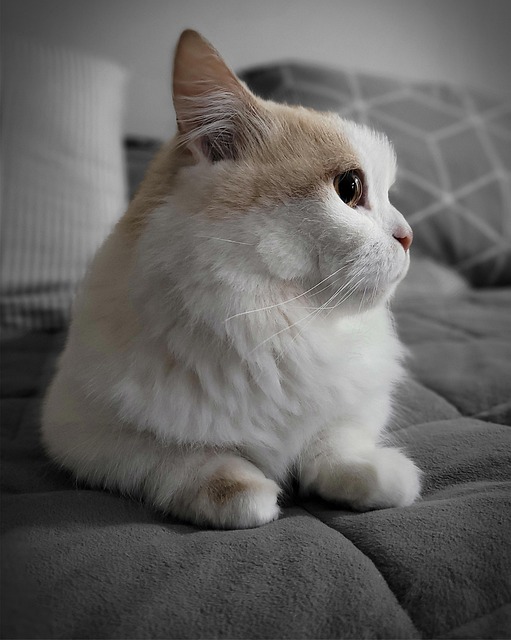
The result is a small to medium cat with normal proportions except for the legs, which are significantly shorter. Otherwise, their bodies are surprisingly typical. Most weigh about the same as an average domestic cat and have the same playful temperament.
What people often don’t expect is how fast they move. I’ve seen a Munchkin sprint across an exam room faster than many long-legged cats.
Personality in the Exam Room
From my experience, Munchkin cats tend to be extremely social.
One patient I remember clearly was brought in by a retired teacher who had adopted him from a rescue group. During the exam, he stood upright on his hind legs—almost like a prairie dog—trying to look over the edge of the exam table. His owner laughed and told me he did that at home whenever he heard the refrigerator door open.
That “standing” behavior is something many Munchkin owners mention. Because their front legs are short, they sometimes sit upright to observe their surroundings.
It’s one of those small behavioral quirks that owners tend to fall in love with.
Health Concerns I Actually See
There is a lot of debate surrounding this breed. Some people worry that short legs automatically mean severe health problems. In my clinic, the reality has been more nuanced.
Most Munchkin cats I treat are generally healthy, but I watch closely for a few areas.
Spinal strain is one of them. The altered body structure can put extra pressure on the spine if the cat becomes overweight. I’ve had more than one owner bring in a Munchkin with mild back stiffness that improved simply after weight control.
Another issue is joint stress, especially in older cats. It’s not universal, but the risk is slightly higher compared to average domestic cats.
A middle-aged Munchkin once came in limping after jumping off a dresser. The minor injury reminded the owner that these cats shouldn’t make big jumps.
Cats are stubborn athletes, regardless of leg length.
A Common Mistake Owners Make
If there’s one pattern I’ve noticed over the years, it’s this: people assume Munchkin cats are delicate and restrict them too much.
They avoid letting them climb, discourage play, and treat them almost like fragile ornaments.
That’s a mistake.
Most Munchkins are energetic and curious, still needing exercise and play. The main difference is arranging your home to fit their body structure.
A customer I saw last spring had done this perfectly. She installed several staggered wall shelves that formed a “cat staircase” up to a window perch. Her Munchkin could reach the top easily without having to make huge jumps.
The cat used it constantly.
Breeding Ethics and My Personal Opinion
Over the years, clients have asked me whether they should get a Munchkin cat at all. I try to answer honestly rather than automatically approving or condemning the breed.
The short-leg mutation itself doesn’t guarantee suffering. Many Munchkins live long, comfortable lives. I’ve seen plenty reach their mid-teens with only routine veterinary care.
But responsible breeding matters a lot.
Breeders should screen for other genetic problems and avoid extreme body shapes. Unfortunately, like with many trendy breeds, demand sometimes encourages careless breeding.
When people ask my opinion, I usually suggest two options:
Adopt a Munchkin from a reputable rescue or find a breeder who prioritizes health over novelty.
What I advise against is buying one from someone who focuses purely on producing the shortest legs possible.
Living With One Day to Day
Owners often describe Munchkins as playful well into adulthood. They chase toys, follow people around the house, and adapt well to indoor living.
Their shorter legs can actually make them surprisingly agile in tight spaces. I’ve had several owners tell me their cats navigate furniture like small ferrets.
Grooming needs vary depending on coat length, but nothing unusual compared to other cats.
The biggest practical adjustment is simply making the home accessible.
Lower scratching posts, step-style cat trees, and reachable window perches help keep Munchkins active without unnecessary strain.
One Last Case That Changed My Perspective
A senior Munchkin, with his family since the kids were young, was slowing down when I met him.
What stood out wasn’t his body structure. It was how confident and relaxed he was after more than a decade in the same home.
He hopped onto the table, checked my stethoscope, then settled into his owner’s arms as usual.
That visit reinforced my perspective: a cat’s quality of life depends far more on environment and care than on leg length. Owners who adapt their homes and routines to their Munchkin’s needs make the greatest difference.
Short legs don’t define the whole story. With attentive care and an environment suited to their bodies, Munchkin cats can enjoy happy, typical feline lives—proving that how we care matters more than any single trait.