How to Understand the Name “Tiger Cats”
Observations From a Feline Behavior Specialist
I’ve worked as a feline behavior specialist and shelter consultant for more than a decade, helping owners understand cats that display unusual habits, aggression, or high energy. Over the years, one description I hear repeatedly is “tiger cat.” A new client will sit across from me and say something like, “My tiger cat is acting wild again.”
They’re not talking about a wild animal, of course. In most cases, they’re referring to a domestic cat with bold tabby stripes that resemble the markings of a tiger. But the nickname isn’t just about appearance. Many of these cats carry a personality that feels larger than life.
After spending thousands of hours observing domestic cats in homes, clinics, and shelters, I’ve noticed that tiger-striped cats often come with distinctive behavioral patterns. Some are affectionate companions. Others behave like miniature predators roaming a living room jungle.
What People Actually Mean by “Tiger Cat”
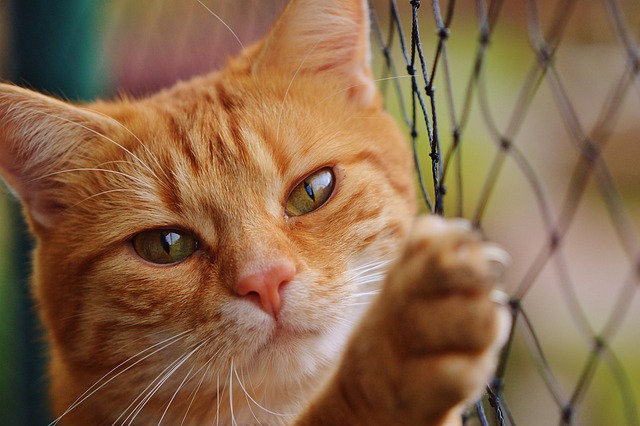
Most people use the term “tiger cat” to describe a tabby cat, especially one with strong vertical stripes along the sides and back. These markings create the familiar tiger-like pattern that makes the nickname stick.
The pattern appears across many breeds and mixed-breed cats. In my experience, the majority of tiger cats I meet are domestic shorthairs adopted from shelters or found as neighborhood strays.
The coloring usually includes:
- Dark stripes over a brown, gray, or orange coat
- An “M” shaped marking on the forehead.
- Ringed tails and striped legs
For example, let me share a memorable encounter: I remember examining a rescue kitten brought into a clinic where I consult part-time. The woman who found him said he had been living behind a grocery store dumpster for weeks. Even as a small kitten, he had intense orange stripes and a confident posture. One of the veterinary technicians laughed and said, “That one thinks he’s a tiger already.”
When he came back a few months later for a follow-up visit, the same kitten strutted into the exam room like he owned the place.
That attitude isn’t uncommon.
The Personality I Often See in Tiger-Striped Cats
Coat color doesn’t scientifically determine personality, but years of hands-on work have convinced me that some patterns appear frequently alongside certain behaviors.
Tiger cats, particularly striped tabbies, often show strong hunting instincts. I’ve seen them stalk shadows, toy mice, and even dust particles moving across the floor.
One client contacted me last spring because her striped tabby kept attacking her ankles late in the evenings. She was worried the cat had developed aggression. After visiting her home and observing the cat’s routine, the explanation was obvious: the cat was bored and had no proper outlet for hunting energy.
Once we added structured play sessions twice a day, the “ankle attacks” stopped almost completely.
These cats tend to thrive when they have:
- Regular interactive play
- Climbing areas or cat trees
- Windows where they can watch birds or outdoor activity
Without stimulation, their energy can turn into mischief.
A Shelter Story That Changed My View
One of the most memorable tiger cats I worked with came from a municipal shelter, where I helped staff reduce stress behaviors in newly admitted cats.
The cat had been labeled “difficult.” He swatted at volunteers and hissed whenever someone approached the kennel. The staff assumed he simply had an aggressive temperament.
But after watching him quietly for several minutes, I noticed something subtle. His eyes followed every moving object in the room—keys, hands, paper, anything.
He wasn’t aggressive. He was overstimulated and frustrated.
When we moved him into a larger enclosure with shelves and scheduled daily play sessions using a feather wand, his behavior changed dramatically within a week. He began greeting staff with curious chirps instead of hissing.
A month later, he was adopted by a family that wanted an energetic cat.
Experiences like that are why I rarely label tiger cats as “mean.” More often, they’re simply high-drive animals that need engagement.
Common Mistakes I See Owners Make
Many tiger cats end up misunderstood because their energy level surprises people.
A mistake I frequently encounter is assuming the cat will entertain itself. Owners buy a few toys, scatter them around the house, and expect the problem to solve itself.
Cats don’t play with toys the way children do. They need movement and interaction to trigger the hunting instinct.
Another issue I see involves punishment. A striped tabby knocking objects off shelves or attacking moving feet often gets labeled “bad.” In reality, the cat is responding to instincts that have been part of feline behavior for thousands of years.
Redirecting that energy works far better than scolding.
Living With a Tiger Cat Day to Day
Despite their reputation for wildness, many tiger cats are extremely affectionate.
I’ve worked with several that behave almost like dogs—following their owners from room to room, waiting near the door when someone comes home, and greeting visitors with curiosity rather than fear.
For instance, one family I advised had an orange tiger cat who insisted on supervising every household activity. Cooking, folding laundry, even brushing teeth—he wanted to be involved.
The owner joked that the cat was the household manager.
In my experience, social confidence is common among tabby cats raised in stable homes.
Why These Cats Remain So Popular
Part of the appeal is visual. The striped pattern naturally draws attention because it resembles one of nature’s most recognizable predators.
But I suspect the personality plays an even bigger role.
Tiger cats tend to be expressive. They communicate clearly, play enthusiastically, and display body language that’s easy for humans to read. For many owners, that makes the relationship feel more interactive.
After years of working with cats of every breed and temperament, I’ve developed a soft spot for striped tabbies myself. My main takeaway is that while tiger cats may act like tiny jungle hunters, their high energy, curiosity, and need for engagement are often misunderstood. With a stimulating environment and patience, tiger cats become affectionate, entertaining companions—proof that their reputation comes from both their striking appearance and their vibrant personalities.