Burmese Cat: Personality, Care, and What Living With One Is Really Like
A Complete Guide
I’ve been working as a feline-focused veterinarian for a little over a decade, and few breeds spark as much curiosity in my clinic as the Burmese cat. People often walk in with the same question: “Are they really as affectionate as everyone says?”
In my experience, the short answer is yes. But living with a Burmese cat is also a commitment that many new owners underestimate. Their personality is intense, their social needs are high, and their attachment to people is stronger than most other cat breeds I see regularly.
A Personality That Demands Attention
The first Burmese cat I treated early in my career belonged to a couple who had adopted her thinking she would behave like their previous independent house cat. Within a few weeks, they realized they had brought home something very different.
This cat followed them everywhere.
I’m not exaggerating. The owners told me she would sit outside the shower, jump on the desk during work calls, and climb onto their shoulders while they cooked. They initially worried it was anxiety or behavioral trouble. In reality, it was classic Burmese behavior.
Burmese cats tend to bond closely with people. In the exam room, they rarely act aloof. Many of them climb out of the carrier and start exploring the table or nudging my hands. Compared with more reserved breeds, they behave almost like dogs in their need for interaction.
For owners who want a highly social pet, that can be wonderful. For someone expecting a quiet, independent cat, it can feel overwhelming.
Why Burmese Cats Are So Social
Part of this temperament comes from the breed’s development. Burmese cats descend from Southeast Asian cats that were later selectively bred for their affectionate nature and distinctive body type.
Over generations, breeders favored cats that were confident, curious, and people-oriented. The result is a cat that thrives on companionship.
In my clinic, Burmese cats often handle exams better than many breeds because they enjoy attention. But I’ve also seen the downside: they can become lonely if left alone for long periods.
A few years ago, a client brought in a Burmese male who had started knocking objects off shelves and yowling at night. After ruling out medical problems, we talked about his daily routine. The owner worked long shifts and the cat spent most of the day alone.
Within a couple of months of introducing a second cat and adding more play sessions, the behavior almost disappeared.
Burmese cats are not a breed that thrives in isolation.
Physical Traits That Owners Notice Quickly
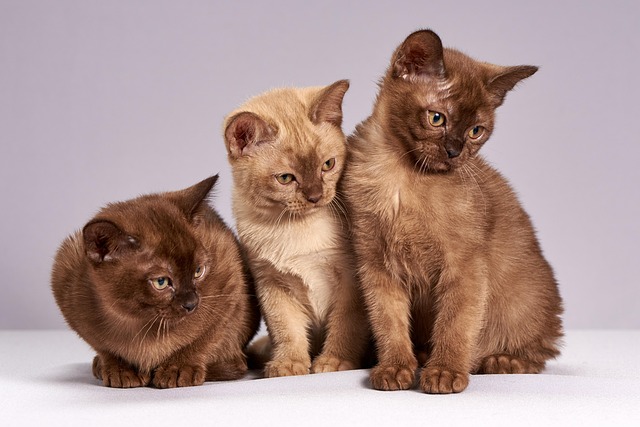
Most people recognize Burmese cats by their sleek appearance and expressive eyes. They are medium-sized but surprisingly muscular. I often tell owners that a Burmese cat feels heavier than it looks.
Their coat is short, glossy, and lies close to the body. Grooming requirements are minimal compared with long-haired breeds.
The traditional coat color is a rich sable brown, though other variations exist depending on the breeding line. Regardless of color, their fur has a distinctive satin-like sheen that many owners comment on during routine checkups.
Another detail people often notice is their eyes. Burmese cats typically have large, round eyes that give them an alert, curious expression. It’s part of the reason they appear so engaged with their surroundings.
Health Patterns I See in Burmese Cats
Every breed has its tendencies, and Burmese cats are no exception. Over the years, certain health patterns have appeared repeatedly in my practice.
Dental issues are one of them. I’ve treated several Burmese cats that developed gingivitis earlier than expected. Regular dental care makes a significant difference, but many owners don’t realize this until problems appear.
Weight management can also become an issue.
Because Burmese cats are enthusiastic eaters and tend to stay close to their owners, they’re skilled at persuading people to share food or offer extra treats. I’ve seen more than one Burmese cat gradually gain weight simply because the household found it hard to resist their attention-seeking behavior.
One memorable case involved a Burmese cat who had learned that tapping the pantry door produced snacks. The owner admitted the cat had trained the entire family.
Once we adjusted the feeding schedule and added structured play sessions, the cat slowly returned to a healthier weight.
Their Energy Level Surprises Many People
Many people assume cats will entertain themselves. Burmese cats often expect their humans to participate.
They are curious, athletic, and playful well into adulthood. I’ve seen ten-year-old Burmese cats sprint across exam tables chasing a toy.
One client described their Burmese cat as “a toddler that never grows up.” That description isn’t far off.
They enjoy climbing, puzzle toys, and interactive play. Without those outlets, boredom can show up as destructive behavior or excessive vocalization.
A Breed That Talks Back
Burmese cats are not silent observers. They tend to communicate frequently.
The sound is different from the loud yowl of some breeds. Instead, it’s a softer, conversational voice. Many owners tell me their cat seems to respond to them during everyday activities.
During one routine wellness visit, a Burmese cat spent the entire appointment chirping while the owner spoke to him. It almost sounded like a conversation.
Some households love that level of interaction. Others eventually realize they prefer a quieter companion.
Common Mistakes New Owners Make
Over the years, a few patterns stand out among people adopting Burmese cats for the first time.
The most common mistake is underestimating how social they are. Owners sometimes assume any cat will adapt to long hours alone. Burmese cats often struggle with that arrangement.
Another mistake involves under-stimulating them mentally. These cats benefit from climbing trees, rotating toys, and regular play sessions. Without that, they can develop habits that owners interpret as “bad behavior.”
Finally, some people adopt a Burmese cat because of their beautiful appearance without considering their personality. The breed is affectionate, but also demanding in its own way.
Living With a Burmese Cat Long Term
In households where their needs are understood, Burmese cats often become deeply loved family members.
I’ve watched clients bring their Burmese cats in for annual visits year after year, and many of these cats greet the staff like familiar friends. That level of comfort around people is unusual compared with many other breeds.
They tend to integrate well with families, especially where someone is home frequently or other pets are present.
In my experience, the happiest Burmese cats live in homes where interaction is part of daily life. They don’t want to simply occupy the same space as their owners. They want to participate.
For the right household, that trait is exactly what makes them unforgettable.