Anthurium Plants and Cat Safety in My Daily Practice
I work as a veterinary clinic technician in a busy small-animal practice where plant-related poison concerns come up more often than people expect. One of the most common houseplants I get questions about is anthurium, especially from cat owners who keep greenery indoors. I’ve seen enough mild and a few worrying cases to know why this plant raises concern. Most people only realize the risk after their cat has already chewed a leaf.
What anthurium is and why cats react to it
Anthurium is a popular indoor plant with glossy leaves and bright red or pink, heart-shaped flowers, making it a favorite in living rooms and offices. It contains calcium oxalate crystals, which are tiny needle-like structures that irritate soft tissue on contact. In cats, even a small bite can trigger immediate discomfort in the mouth and throat. I’ve had owners describe it as their cat suddenly “freaking out” after chewing a plant leaf.
Most cats don’t try to eat large amounts, but even minimal chewing can cause noticeable irritation. I remember a customer last spring who brought in a young tabby that had only nibbled the edge of a leaf, yet was drooling heavily and refusing food. The reaction is usually not life-threatening, but it can look dramatic and scary to someone seeing it for the first time. The plant itself is not deadly in most cases, but it is definitely not cat-safe.
From what I’ve observed over the years in the clinic, curiosity is the main driver. Cats explore with their mouths, and the texture of anthurium leaves seems appealing to them. A quick bite is usually enough to cause a reaction that sends most owners rushing for help. It’s one of those plants that sits in the “mild to moderate irritant” category for pets, depending on how much is chewed.
How exposure usually happens in homes
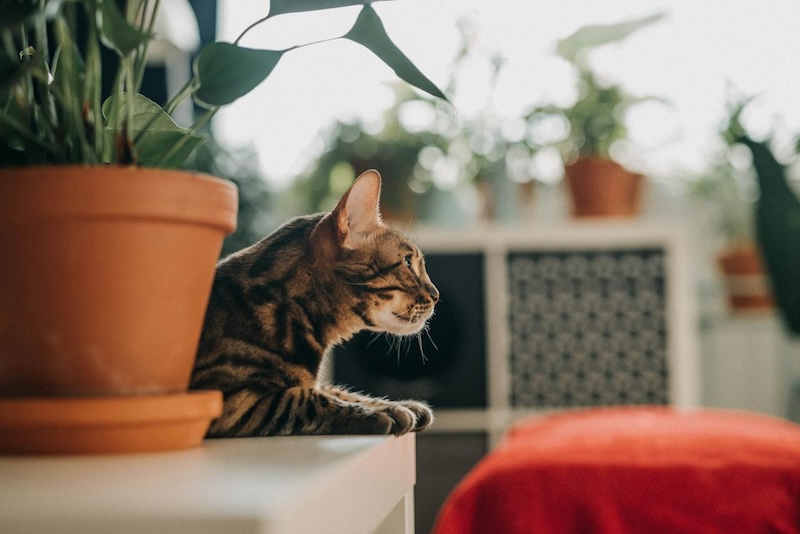
Most anthurium cases I see don’t come from outdoor exposure but from simple household placement mistakes. People often keep these plants on coffee tables, windowsills, or low shelves where cats naturally explore. A curious cat can reach surprisingly high when motivated, especially younger ones. I’ve even seen cats knock plants down just to get a closer look.
One case that stuck with me involved a multi-cat household in which the plant was placed on a decorative corner stand. The owner thought it was safe because it was “out of the way,” but one determined cat managed to pull it down overnight. The next morning, there were scattered leaves and a very uncomfortable pet. Situations like that are more common than people think, especially in homes with active cats.
For owners trying to understand risk levels, I usually suggest checking reliable plant toxicity resources before bringing anything new home. In many consultations, I’ve guided people toward tools that help identify whether a plant is safe for cats or should be kept completely out of reach, such as a houseplant toxicity checker. It becomes especially helpful for people who collect multiple decorative plants and want to avoid guessing. Once you start comparing plants, patterns become easier to recognize.
Symptoms I see after cats chew anthurium
The first signs usually show up quickly, often within minutes. Drooling is the most common symptom I observe when a cat has chewed anthurium. They may paw at their mouths or rub their faces against furniture to relieve the irritation. In some cases, eating and drinking become difficult for several hours.
A couple brought in a cat they thought had eaten something sharp because the behavior seemed so intense. The cat was salivating heavily and refusing treats it normally loved. After a quick history check, we narrowed it down to a recently purchased anthurium placed on a dining table. The reaction settled with supportive care, but it was a stressful evening for everyone involved.
In rare cases, vomiting or swelling around the mouth may occur if chewing is more aggressive. I’ve also seen mild lethargy in cats who experience significant oral discomfort. These signs usually resolve within a day, but they can feel alarming while they are happening. Most cases I’ve handled improve with simple symptomatic care and removal of the plant exposure source.
It is not unusual for owners to underestimate how uncomfortable the irritation feels for the cat. I always explain that the crystals act like tiny splinters, which makes even small bites painful. That’s why cats often stop eating or avoid grooming after exposure. A quick response helps prevent unnecessary stress for both the pet and the owner.
Preventing problems in a plant-filled home
I’ve learned that prevention is far easier than managing symptoms after exposure. Most cat owners who keep anthurium eventually move it to a completely inaccessible room or replace it with safer greenery. Hanging planters or high shelves can work, but only if the cat is not an experienced climber. Some cats treat shelves like a personal challenge.
In multi-pet households, I usually recommend assuming that no surface is truly safe unless it is fully enclosed. Even tall furniture becomes accessible when curiosity and motivation combine. One owner I worked with switched entirely to cat-safe plants after a second minor incident and said the peace of mind was worth it. That shift significantly reduced household stress.
Simple training also helps, though it’s not always reliable with plants. Cats can learn boundaries, but temptation often wins in moments when they are alone. I’ve seen deterrent sprays used with mixed results, and physical barriers tend to be more dependable. Still, the most effective strategy remains choosing non-toxic plants from the start.
Anthurium will likely stay popular because it is visually striking and easy to maintain indoors. From my experience, awareness is what makes the biggest difference in preventing problems. Once cat owners understand how quickly a reaction can happen, they tend to adjust their home setup without much hesitation. I’ve seen many households transition smoothly once they connect the dots between plant choice and pet comfort.