Why Dilute Calico Cats Always Catch My Eye at the Shelter
I have worked in cat rescue for years, mostly handling shy adult cats that get overlooked in crowded adoption rooms. Dilute calicos are the ones I tend to remember after a long day because their coats almost look faded by sunlight, even under fluorescent shelter lights. I still stop for a second whenever I see that soft mix of blue-gray, cream, and white curled up in a kennel bed. Some cats blend into the background. These never do.
The Coat Colors That Make People Pause
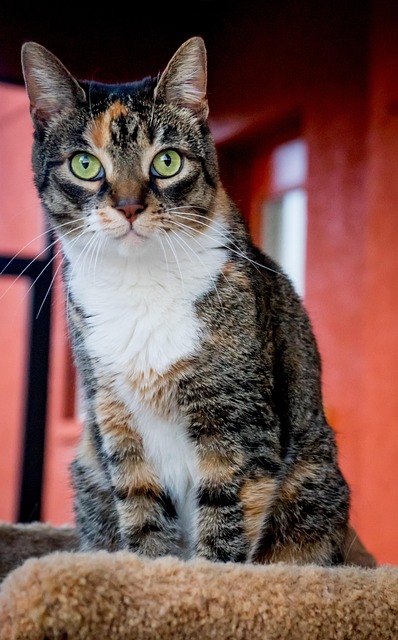
The first dilute calico I handled had pale gray patches instead of the sharp black markings most people expect from calicos. Her orange coloring looked closer to dusty peach, and the white fur around her chest made the whole coat seem softer. Many visitors assumed she was a mixed breed with an exotic background. In reality, most dilute calicos I see are ordinary domestic shorthairs with a specific color dilution gene.
That diluted coloring changes the cat’s visual mood. Standard calicos often look bold and high contrast, while dilute calicos have a muted appearance that reminds me of old watercolor paintings. Under natural window light, the blue-gray sections can even look silver for a few seconds. Photos rarely capture it properly. People usually understand once they see one in person.
I hear arguments all the time about whether dilute calicos have calmer personalities than regular calicos. I have never seen proof of that. Coat color genetics do not magically create behavior traits, although I admit many of the dilute calicos I have fostered were unusually relaxed indoors. One older female spent nearly 14 hours a day sleeping on the back of my couch during winter.
Nearly every dilute calico I have worked with has been female. That part is real science, not shelter folklore. Male calicos exist, though they are rare enough that most rescue workers can go years without seeing one, and a veterinarian I know only encountered two in his entire clinic career.
Living With a Dilute Calico Day to Day
People often ask me if dilute calicos need different care than other cats. They really do not. Their coats can shed heavily during seasonal changes, especially in spring, but that is true for plenty of short-haired cats that spend time near windows or heaters. I usually recommend a quick brushing twice a week because the lighter fur tends to show loose hair more clearly on dark furniture.
A customer last spring adopted a timid dilute calico after losing an elderly cat that had lived with her for almost 16 years. She later told me she spent weeks researching food, litter, and grooming tools before bringing the cat home. One resource she mentioned during our follow-up conversation was PetMD for cats, which she used to compare common health issues and feeding advice before settling on a routine. That new cat hid behind a washing machine for three straight days before finally claiming the sofa as her territory.
I have noticed dilute calicos can photograph differently depending on the season. Summer light tends to warm up the cream patches, while winter lighting makes the gray sections appear cooler and darker. Shelter listings sometimes confuse potential adopters because the cat in person barely resembles the intake photo. I learned years ago to take at least 20 pictures before posting adoption profiles online.
There is also the strange emotional reaction people have to these cats. Visitors who normally ignore adult cats will stop and stare at a dilute calico without even realizing it. The softer colors seem less intimidating than stark black-and-white patterns. One teenager walked through our adoption room last year and immediately described a dilute calico as “looking like a rainy afternoon,” which honestly fit perfectly.
The Personality Myths Around Calicos
Ask five cat owners about calico attitude, and you will get five completely different answers. Some swear calicos are stubborn, loud, and territorial. Others tell me their dilute calico follows them quietly from room to room like a shadow. I think people often build personality expectations around appearance, especially for cats with distinctive coats.
One foster cat I kept for about four months completely shattered the “calico attitude” stereotype. She was quiet enough that visitors forgot she was in the apartment until she climbed onto their lap. During thunderstorms, she would wedge herself beside my right leg and stay there for hours without moving. Tiny cat.
That said, I have also handled dilute calicos that ruled entire rooms with pure confidence. One small female routinely chased larger male cats away from food bowls despite weighing barely 7 pounds. She never started fights, but she clearly believed the shelter belonged to her. Watching her patrol the hallway each morning made the volunteers laugh.
Cats develop behavior through experience, environment, and socialization more than coat color. I know people enjoy attaching meaning to patterns and genetics, and honestly, I understand why. It makes stories easier to tell. Still, the sweetest cat I ever fostered was a giant orange tomcat missing half an ear, while the crankiest cat I met was a fluffy gray Persian that lived in total luxury.
Why Dilute Calicos Stand Out in Rescue Work
Shelter work can become emotionally heavy over time. You remember the cats that arrived sick, the bonded pairs that lost homes after a move, and the older animals nobody asked about for months. Dilute calicos stick in my memory because they often attract attention from people who were not even planning to adopt. I have watched visitors come in for dog supplies and leave discussing cat carriers instead.
Their unusual coloring helps them get noticed, but personality closes the deal. One dilute calico I fostered spent every evening sitting exactly two feet from the kitchen stove while I cooked. She never begged for food. She just liked being nearby. Habits like that make cats feel woven into daily life rather than existing separately from it.
I usually tell potential adopters to focus less on finding a specific coat pattern and more on matching energy levels. A calm household with older adults may struggle with a hyperactive kitten, regardless of how pretty the markings are. Meanwhile, a playful family with kids might love the chaos of a young cat sprinting through hallways at midnight. Temperament matters more after the first week.
Even so, I understand why dilute calicos have such devoted fans. Their coats look soft before you even touch them, and the color combinations rarely repeat exactly. After seeing hundreds of cats over the years, I still pause when a new dilute calico arrives at the shelter door carrying that cloudy mix of gray, cream, and white fur.