How I Spot Ticks and Fleas on Dogs Before They Become a Bigger Problem
I run a small mobile dog grooming van along the Gulf Coast, and I spend a huge part of spring and summer checking dogs for ticks and fleas before I even pull out the shampoo. Many owners miss the early signs because the dog still seems playful and normal. I have learned that the tiny changes matter more than people think. Some dogs scratch nonstop, while others barely react at all until the infestation gets bad.
The First Clues I Usually Notice
The coat tells me a lot within the first five minutes. Dogs with fleas often exhibit a restless, twitchy movement, often twitching their skin or turning suddenly to bite at their sides. Ticks are quieter. I usually find them around the ears, under collars, between toes, or tucked near the tail, where people rarely check closely.
Flea dirt is one of the easiest signs to miss if you have never seen it before. It looks like black pepper sprinkled close to the skin, especially near the lower back. I keep a white towel in my van for this exact reason: when those tiny black specks get wet, they smear reddish-brown from dried blood. That test works almost every time.
Some dogs smell different, too. It is subtle. Heavy flea infestations can leave a coat smelling musty, even after brushing, especially in humid weather, when the skin stays irritated for days.
A customer last spring brought in a yellow Lab that, from a distance, seemed perfectly healthy. Once I started drying him, I spotted at least 15 ticks hidden under the neck folds and around the chest harness area. The owner had been checking his back every evening but never looked underneath the collar.
Where I Check First on Every Dog
I always start with the warm areas because parasites like hiding where the skin stays protected. Behind the ears is a big one. I also part the fur around the armpits, groin, and base of the tail because fleas gather there fast, especially on thicker-coated dogs.
One thing I tell owners all the time is that scratching alone does not confirm the presence of fleas. Dogs scratch for dozens of reasons, including dry skin and allergies. Still, if a dog suddenly starts chewing at the hips several times a day, I pay attention immediately.
For owners who want a good place to compare treatment products and grooming supplies, I have pointed several regular clients toward Chewy after they asked where I buy flea combs and tick removers. I like having a place where I can quickly check ingredients and sizing before recommending something to people with multiple dogs. A bad flea season can get expensive fast.
I use a metal flea comb almost daily during warmer months. Plastic combs bend too much and miss the fine debris close to the skin. A decent metal comb catches flea dirt, eggs, and live fleas in a way your fingers simply cannot.
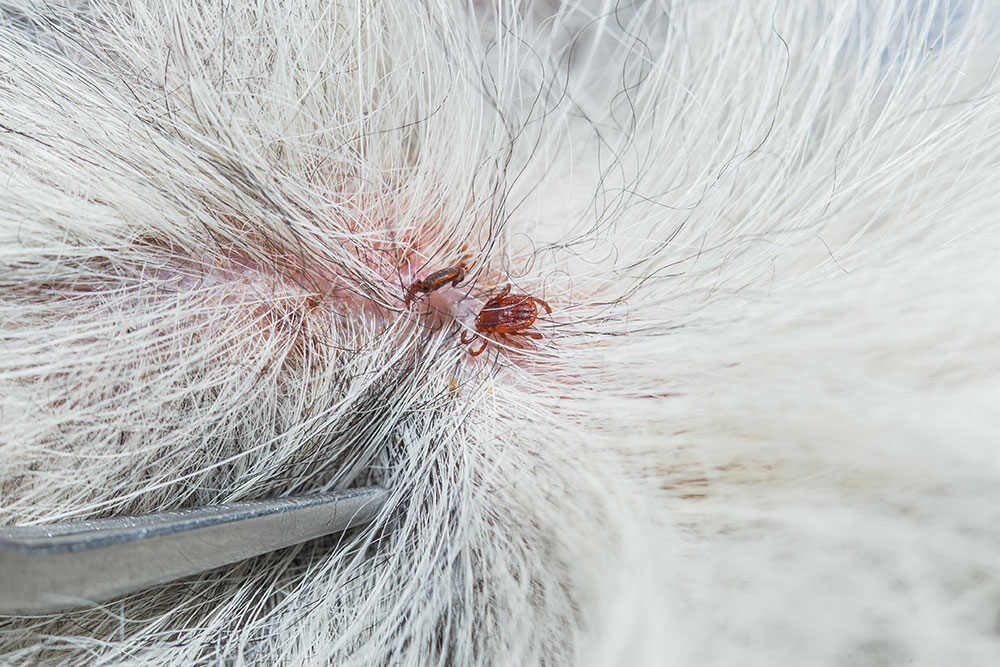
Ticks feel different depending on how long they have been attached. Fresh ones can feel like tiny hard bumps smaller than a pea. After feeding, they swell, become soft and grayish, almost like a raisin pressed against the skin. That stage usually surprises owners because the tick suddenly becomes impossible to ignore.
Behavior Changes That Usually Mean Trouble
Some dogs become irritable long before you ever spot a parasite. I have groomed calm older dogs that started snapping during brushing because their skin was so inflamed from flea bites. Tiny bites can create nonstop discomfort, especially in dogs with flea allergies.
Sleep patterns change, too. Dogs with fleas often struggle to settle down at night because the itching intensifies once they lie still. Owners sometimes think the dog suddenly has anxiety, but the scratching cycle is keeping them awake.
A few signs stand out immediately:
Constant licking around the paws or belly, shaking the head every few minutes, rubbing against furniture, and sudden hair thinning near the tail are all things I watch for closely. Dogs rarely do all of them at once. Usually, it starts with one behavior that slowly becomes a habit over a couple of weeks.
Ticks can create different problems altogether. I once worked on a cattle dog mix that became sluggish over a three-day stretch after a hiking trip. The owner thought the heat was wearing him out. During the bath, I found two attached ticks near the shoulder blades, hidden under a dense double coat that looked perfectly clean on top.
That dog recovered well after treatment, but it reminded me how easily ticks can hide under thick fur. Short-haired dogs are easier. Huskies, doodles, and shepherd mixes take extra time because the coat can hide almost anything.
What I Tell Owners After I Find Fleas or Ticks
I try not to make people feel embarrassed because this happens to careful owners all the time. Fleas can hitch a ride on a dog after a 20-minute visit to a dog park. Ticks can come from tall grass near a mailbox or walking trail.
The first thing I recommend is treating the whole environment, not just the dog. Bedding, rugs, crate pads, and car seats all matter. I have seen owners spend weeks treating the dog while the fleas kept reproducing inside the house.
Consistency matters more than fancy products. Some people buy three different treatments at once and use them randomly, which can irritate the dog’s skin or create confusion about what actually works. I prefer sticking to one veterinarian-approved approach and giving it enough time to do its job.
Bathing helps, but shampoo alone will not fix a serious infestation. Fleas reproduce quickly. One neglected issue can turn into hundreds of fleas in less time than most people expect, especially during humid weather along the coast where I work.
I also tell owners to keep checking even after treatment starts. Dead fleas may still appear for a while. Ticks can remain active outdoors for months, depending on the climate, so I never assume one treatment solves the issue forever.
Most dogs give small warnings before flea or tick problems become severe. A little extra scratching, a strange bump under the collar, or black specks near the tail can tell you a lot if you slow down and look closely. I still check my own dogs every evening after walks, even after years of grooming other people’s pets. It only takes a few minutes, and those few minutes save a lot of trouble later.