The Many Colors of Ragdoll Cats: What I’ve Learned as a Longtime Breeder
I’ve spent more than a decade breeding and raising Ragdoll cats, and one of the first questions people ask when they visit my cattery is about color. They’ll look into a litter of fluffy kittens and say something like, “Why do they all look white?”
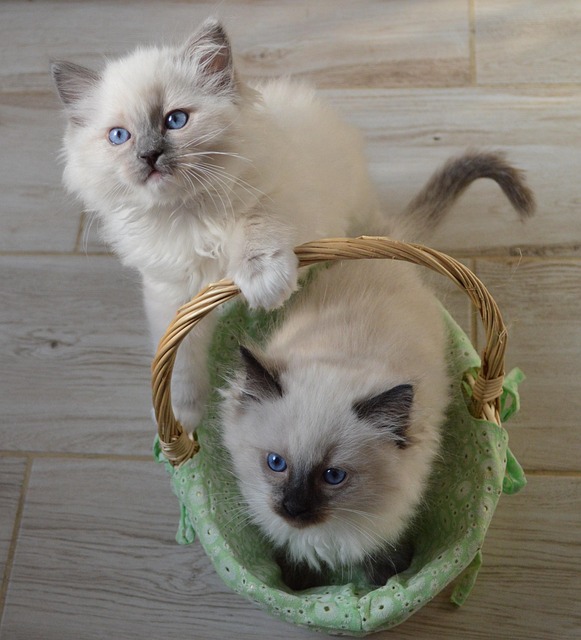
Almost every Ragdoll kitten starts out looking similar—their true colors develop over time. I remember my first litter: convinced a kitten would stay pure white, I was surprised when months later, he revealed deep chocolate points and became one of the most striking cats in my cattery.
Ragdolls are known for their calm temperament and striking blue eyes, but their coat colors and patterns are just as fascinating. If you’re trying to choose a Ragdoll—or simply understand why they look the way they do—the color genetics behind the breed can be surprisingly interesting.
Why Ragdoll Kittens Start Out White
Many new owners panic when they bring home a Ragdoll kitten and notice it looks almost entirely white. I’ve had several buyers call me within the first week asking if the kitten they chose somehow “lost its color.”
This happens because Ragdolls carry the same temperature-sensitive gene found in breeds like the Siamese cat. The pigment develops more strongly in cooler areas of the body—such as the ears, face, tail, and paws.
Over time, those cooler parts darken while the warmer parts stay lighter. By the time a Ragdoll reaches about two years old, its full color is finally visible.
I’ve watched this transformation hundreds of times, and it never stops being interesting. A kitten that starts with faint grey shading can mature into a deep seal-colored adult with dramatic contrast.
The Classic Ragdoll Color Families
Most Ragdoll colors fall into a handful of main categories. These aren’t random variations; they’re predictable results of genetics that experienced breeders can often anticipate before the kittens even open their eyes.
Seal
Seal is the most traditional Ragdoll color. The points—ears, mask, legs, and tail—develop a deep brown shade that almost looks black in certain lighting.
Several years ago, a family visited my cattery specifically looking for a seal point kitten because it reminded them of the Ragdoll they had growing up. When the kitten matured, the contrast between his dark mask and pale body became incredibly dramatic. It’s one of the reasons Seal remains so popular.
Blue is essentially a lighter or diluted version of Seal, in which the points (ears, mask, legs, and tail) develop a soft gray tone rather than dark brown. In genetics, ‘dilute’ means the color appears watered down due to particular inherited genes. The gray tone.
Many first-time Ragdoll owners gravitate toward blue because it appears slightly softer and cooler. In my experience, blue Ragdolls photograph beautifully, which is probably why they show up so often in advertisements and calendars.
Chocolate
Chocolate points are lighter and warmer than seal. The color resembles milk chocolate rather than dark espresso.
This color tends to develop slowly. I once kept a chocolate kitten for months before realizing how rich his coloring would become; early on, he looked nearly identical to a seal kitten.
Lilac
Lilac is a diluted form of chocolate, meaning it’s a lighter version due to genes that reduce the pigment’s intensity. This creates a pale, frosty gray-pink tone that many people find especially elegant.
These cats can look almost pastel in certain lighting. They’re less common, which often makes them more sought after.
Red and Cream
Occasionally, Ragdolls appear in red or cream shades. These colors are derived from the same genetic family as those seen in the Persian cat and other long-haired breeds. g-haired breeds.
Red points can appear flame-colored, while cream is the softer, diluted version.
I had a cream bicolor male whose coat looked almost peach-colored in the sun. Many visitors assumed he was a different breed.
Understanding Ragdoll Coat Patterns
Color tells only half the story. Pattern plays an equally important role in how a Ragdoll looks.
There are three main patterns that define the BreeColorpoint Ragdolls, which most closely resemble Siamese cats. Their bodies stay light in color while the face, ears, legs, and tail (the ‘points’—areas of cooler body temperature) darken.and tail darken.
They do not have white markings on the paws or belly. The contrast between the body and points becomes more pronounced with age.
Mitted
Mitted Ragdolls have white “mittens” on their front paws and white boots on their back legs.
In my experience, this pattern often surprises new owners because the mittens can expand slightly. I once placed a mitted kitten with tiny white toes, and within a year, those markings extended halfway up his paws.
Bicolor
Bicolor Ragdolls have larger white areas, including a distinctive upside-down V on the face.
These cats tend to look the most dramatic. The combination of white fur and dark points creates a striking contrast that many people instantly fall in love with.
How Colors Change as Ragdolls Age
Ragdolls mature slowly compared to many breeds. Their coat colors continue to develop for several years.
Owners often expect the final appearance within a few months, but I’ve seen cats continue to darken until they’re nearly three years old.
Seasonal temperature can also affect color. Cats living in colder climates sometimes develop darker coats because cooler body temperatures allow more pigment to form.
One winter, I had a blue point female whose coat deepened noticeably after a cold spell. By spring, she had lightened again.
A Few Mistakes I See New Owners Make
Color can influence someone’s choice of kitten, but focusing solely on appearance can lead to disappointment.
One mistake I’ve seen repeatedly is people assuming kitten colors represent the final look. That tiny cream kitten might develop stronger orange points later, while a pale seal kitten could darken dramatically.
Another mistake involves lighting. Under indoor lighting, seal and chocolate can appear nearly identical. I always encourage potential owners to look at kittens in natural daylight before deciding.
Temperament should always matter more than color anyway. I’ve watched people pass over the friendliest kitten in a litter because its markings weren’t symmetrical.
Why Color Shouldn’t Be the Only Factor
After raising Ragdolls for many years, I’ve learned that the color people think they want often changes once they spend time with the kittens. I’ve seen visitors arrive set on a blue bicolor and leave with a seal mitted when that kitten climbed into their lap and refused to leave.e.
Ragdolls are famous for their affectionate personalities. The way they follow people around the house or flop onto their backs for attention usually matters far more than whether their points are blue, sea. The colors are beautiful, but most people fall in love with Ragdolls for their calm temperament and quiet companionship, not their coat genetics.