Snoop Dogg Really Smoke
Apr
How Much Does Snoop Dogg Really Smoke From a Daily User’s Perspective

Having spent years around heavy cannabis users, I can say that the real story about how much Snoop Dogg smokes comes down to more than wild numbers or hype. The main point is this: it’s not just about quantity, but about how his lifestyle, routine, and high tolerance make sustained heavy use possible—and even functional. I’ve watched both myth and reality up close, and what matters most is understanding the human system behind the headlines.

What People Say About His Daily Intake

Over the years, there have been claims that Snoop goes through anywhere from 75 to over 100 joints a day. These stories sound extreme, but when examined closely, they reflect a lifestyle built around routine and high tolerance—not just excess. If you break it down, everyday users manage similar habits on a smaller scale. The key argument: what sets Snoop apart is structure and access, making the extreme seem routine.

There was a time I worked with a client who treated cannabis like coffee, lighting up every hour or so. He never appeared out of control, just steady and consistent. Multiply that behavior across a full schedule with a team, and Snoop’s numbers add up. The difference is volume and frequency, not some superhuman ability.

Still, media figures often get inflated. I’ve learned to treat those as loose estimates, not exact counts. Nobody tallies every joint. It’s more about daily rhythm than pure numbers.

The Role of Tolerance and Routine

Heavy smoking is only possible with sky-high tolerance, which takes time to build. I’ve developed tolerance myself, and at a point, one joint barely registers. Smoking then becomes maintenance, not a search for a new high.

I once guided a friend to an online cannabis resource about dosage because he believed doubling intake would double the effect—rarely true. The body adapts, and the experience flattens. That explains how Snoop reportedly smokes all day while performing, recording, or handling meetings without missing a beat.

Routine is as important as tolerance. Lighting up at set intervals stabilizes your system. I’ve seen people smoking five times daily feel more functional than those who smoke heavily once. Consistency makes a difference.

How Lifestyle Makes It Possible

Access matters. Most people can’t sustain high consumption due to cost, time constraints, or responsibilities. Snoop’s steady, quality supply removes a barrier that everyday users face.

The environment is another factor. I’ve worked in places where smoking was normalized, and productivity didn’t collapse. People adjusted, focused, and kept moving. In creative fields like music, this can be encouraged.

Another factor is delegation. When you’re not handling every small responsibility yourself, you have more space to maintain personal habits. I’ve seen business owners who barely touch their inboxes because someone else filters them. That kind of setup makes even extreme routines manageable.
Snoop Dogg Really Smoke

Separating Image From Reality

Snoop Dogg’s public image is closely tied to cannabis, a branding that’s lasted decades. Some things we hear are part of that persona, reinforcing his identity. I’ve worked with brands and know how narratives are crafted. Repeated numbers become accepted as fact.

That doesn’t make the smoking fake, but the scale may vary by situation. A heavy day in the studio is different from a travel or press day. People imagine fixed daily numbers, but habits usually fluctuate.

I’ve seen the same in my circles. Someone might claim they smoke all day, but their routine is short, spaced sessions. Perception distorts reality, though the habit stays true.

What It Looks Like From the Inside

Based on my experience, smoking at that level changes your relationship with cannabis. It stops being a highlight and just becomes background. You don’t chase the peak—you stay in the zone.

I remember a stretch where I was smoking more than usual, close to 8 or 9 sessions a day, and the novelty disappeared quickly. It became almost mechanical. That gave me a clearer lens on how someone like Snoop might operate. The scale is bigger, but the pattern is familiar.

There’s also a physical side people ignore. Even with high tolerance, your body still processes everything. Hydration, sleep, and diet start to matter more. The people I’ve seen maintain heavy habits long-term usually take care of the basics, even if they don’t talk about it much.

So, how much does Snoop Dogg smoke? The answer reflects the core argument: his famously high consumption is less about exact numbers and more about the system that enables it—a combination of routine, tolerance, lifestyle, and access. It’s his habits, not the headlines, that make that level of consumption possible.


Heat Up Corn Dogs
Apr
How I Actually Heat Up Corn Dogs Without Ruining Them

I run a small late-night snack counter out of a converted food cart near a bus stand, and corn dogs are one of those items people expect to be hot, crisp, and ready fast. Over the years, I’ve reheated more frozen corn dogs than I can count, especially during slow hours when it doesn’t make sense to make fresh batches. Some methods work beautifully, while others leave you with soggy batter or a cold center. I’ve burned enough and undercooked enough to know where the line sits. This is how I handle it now, based on trial and error and a few impatient customers.

Why Reheating Corn Dogs Is Trickier Than It Looks

A corn dog seems simple at first. It’s just a hot dog wrapped in batter and fried. You’d think reheating is as easy as warming it. That’s not how it plays out. The outer layer can get soft before the inside heats up. Sometimes, the stick area stays cold even when the outside looks done.

I learned this the hard way on a busy evening. I rushed a batch in the microwave. The outside looked fine, but a customer came back after two bites and said the center felt cold. That kind of mistake stays with you when you rely on repeat customers. Since then, I treat reheating as a process, not a shortcut.

Heat distribution matters more than speed. A corn dog has layers, and each reacts differently to heat. The batter needs dry heat to stay crisp, while the sausage inside needs time to warm evenly. Ignore that balance, and you get disappointing results.

The Methods I Use Depending on Time and Equipment

Now, I stick to a few methods depending on time and available equipment. Sometimes I use a small oven, other times just a microwave. Occasionally, I source supplies to maintain consistent routines.

The oven is my favorite if I’m not rushed. I set it to about 180°C and heat the corn dogs for 12 to 15 minutes. This lets the batter regain crispness while the inside warms evenly. It’s not the fastest, but the result is close to fresh.

An air fryer works almost the same, but faster. I usually go with 160°C for about 8 minutes, flipping once halfway through. The airflow keeps the outside from going soggy, and it saves me a few minutes during busy stretches. This is probably the best balance between speed and quality.

The microwave is my last option. It’s quick but sacrifices texture. If I must use it, I wrap the corn dog in a paper towel. I heat it for 60 seconds, then let it sit for a minute. The resting time helps heat spread and reduces cold spots.

Heat Up Corn Dogs

Small Adjustments That Make a Big Difference

Little details matter. I used to stack corn dogs in the oven to save space, but they steamed rather than crisping.

Spacing matters. I keep at least a finger’s width between each now. Air must move around them, especially in an air fryer or oven. Lose that, and you lose the crunch that makes a corn dog satisfying.

Another thing is flipping. Even in an oven, I turn them once halfway through if I have the chance. It evens out the heat, preventing one side from drying out while the other stays soft.

Temperature control is where most people slip. Too high, and the outside burns before the inside warms. Too low, and you’re waiting forever while the batter dries out. That middle range, around 160-180°C, has worked best for me across different machines.

What I Avoid After Too Many Bad Batches

I stopped using high-heat shortcuts after ruining a few dozen pieces in one week. Cranking the oven to 220°C seems like a time saver, but it leads to cracked batter and uneven heating. The outside gets too dark while the center struggles to catch up.

Refreezing partially heated corn dogs is another mistake I made early on. It affects texture in a way you can’t fix later. The batter turns dense, and the sausage loses its usual bite. Once thawed or heated, they’re either served or discarded.

I also avoid letting reheated corn dogs sit too long. Ten minutes is fine, but after that, the texture starts to drop. The batter softens, and it feels less fresh even when warm.

Timing matters more than most think. A corn dog is best right after heating, not after thirty minutes under a lamp.

To sum up: Use moderate heat (160–180°C) for even reheating and crisp batter; don’t overcrowd or stack corn dogs; flip them midway; avoid high-heat shortcuts; never refreeze once heated; and serve promptly after reheating for best texture. Treat reheating as an important part of serving quality corn dogs—customers notice when it’s done right.

Remove Dog Vomit Stains
Apr
How I Actually Remove Dog Vomit Stains from Carpet Without Ruining the Fibers

I run a small carpet cleaning business and spend a surprising amount of time dealing with pet messes that people thought were permanent. Dog vomit stains are one of those things that look worse than they are, but they can become a long-term problem if not handled correctly in the first hour.

I have cleaned everything from fresh accidents to stains that sat for two weeks, and the difference in outcome usually comes down to how the first cleanup was done. I learned this the hard way after ruining a section of wool carpet early in my career.

What Most People Get Wrong in the First 10 Minutes

The first mistake I see is scrubbing right away with whatever is under the sink. That instinct makes sense, but it pushes the stain deeper into the carpet backing, which is where the smell tends to linger. I usually tell clients to pause and focus on removing as much of the material as possible before any liquid comes into contact with the area. Use a dull edge or paper towels and lift, not rub, for at least a minute or two.

Another issue is heat. People reach for hot water because it feels like it should break down the proteins in the vomit and lock the stain into the fibers, but it can set the proteins, locking the stain in place. I stick to cool or slightly lukewarm water in most cases, especially on synthetic carpets. Wool is even more sensitive, and I treat it like a completely different job.

Timing matters more than technique at this stage. A stain handled within 15 minutes is usually simple, even if the person makes a few small mistakes. Wait a few hours, and the same spot becomes stubborn, especially if the dog had food with strong color or oils. I have seen light beige carpets develop a yellow tint that never fully fades because the initial cleanup was rushed and aggressive.

The Method I Use After the Surface Is Cleared

Once the bulk is gone, I move to a simple cleaning mix that I have relied on for years. It is usually a blend of mild dish soap and water, applied with a cloth rather than poured directly onto the carpet. I blot in short presses, then switch to a clean section of the cloth every few passes so I am not reintroducing the same residue. This step alone fixes a large percentage of fresh stains.

There are times when I recommend that people look into a carpet-cleaning service if the stain has already soaked through to the padding or if the smell keeps coming back after two or three cleaning attempts.

After the soap pass, I rinse lightly with clean water and blot again. This part is often skipped, and that is why some spots feel sticky later or attract dirt faster than the rest of the carpet. The residue left behind acts like a magnet for dust, making the area look dirty again within a few days. I usually repeat the rinse-and-blot cycle twice.

Drying is key. I place a towel over the spot and press for 30 seconds, longer if the carpet is thick. If I have a fan, I aim it at the area for an hour or two. Damp carpet backing can trap odor, even if the surface seems clean.

Remove Dog Vomit Stains

Handling Stains That Have Already Set

Older stains are a different situation. At that point, I am dealing with both discoloration and odor that have bonded to the fibers. I usually step up to an enzyme cleaner, which breaks down organic material rather than just masking it. These products need time to work, sometimes up to an hour, and rushing them defeats the purpose.

I had a job last spring where a family waited about a week before calling me, thinking the stain would fade on its own. It did not. The spot had darkened, leaving a faint ring about six inches wide, indicating the liquid had spread beyond the visible area. I treated it in layers, applying the cleaner, blotting, and repeating three times before it started to lift properly.

Some stains never fully disappear, especially on light, long-fiber carpets. I focus on blending them in rather than promising perfection. Clients value honesty over false guarantees.

Tools I Keep in My Van That Make a Difference

I do not rely on anything fancy for most jobs, but a few tools have saved me more than once. A small extraction machine is one of them, especially for deeper stains that reach the padding. It pulls out moisture in a way that towels cannot, reducing the chance of lingering smell. It also shortens drying time by a noticeable margin.

I keep at least three types of clothes. One for lifting debris, one for applying the solution, and one strictly for rinsing. Mixing them up leads to cross-contamination, which sounds technical but really just means you are spreading the mess around instead of removing it. Keeping them separate sounds good. Gloves are often skipped. Dog vomit carries bacteria, and repeated exposure is risky.

After a rough week years ago, I always wear gloves on the job. eek early on. Now I never start a job with the Thought That Prevention isn’t always possible, but a quick response helps. I tell clients to keep paper towels, mild cleaner, and a cloth handy. Being prepared reduces delays that worsen stains. Even a two-minute head start can change the outcome.

Feeding habits can also play a role. Dogs that eat quickly or switch foods often tend to have more incidents, and the mess is usually more acidic or colorful. That translates into tougher stains. I am not a vet, but routine carpet cleaning helps. A deep clean every six to twelve months helps prevent fibers from holding onto residue, making new stains easier to address. Think of it as a reset for your carpet’s surface. clean something that is already in good condition.

After years of doing this work, I no longer panic when I see a fresh stain. Most of them are manageable with a calm approach and the right sequence of steps. The real damage usually comes from overreacting in the first few minutes, not from the stain itself.

What Causes Bloat in Dogs
Apr
What I’ve Learned About What Causes Bloat in Dogs

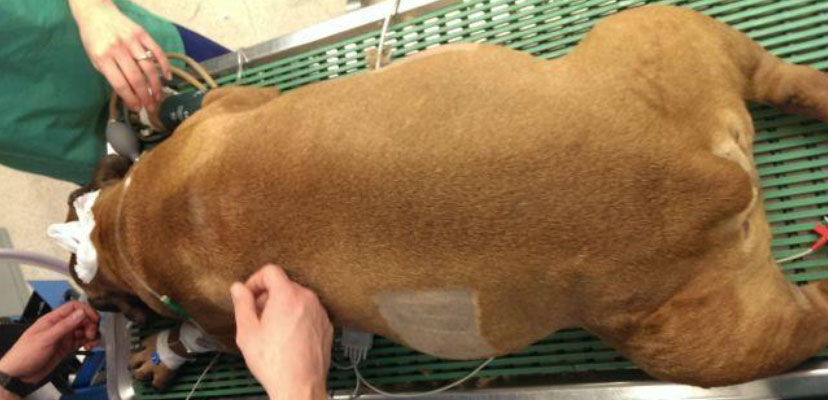
I run a small boarding kennel on the outskirts of town and have handled countless dogs, with stays ranging from a weekend to a week. Over the years, I’ve witnessed a handful of bloat cases that permanently changed how I approach feeding, exercise, and stress management. Bloat is fast, confusing, and often preventable if you catch the warning signs early.

How Feeding Habits Set the Stage

Feeding habits make a big difference. Fast eaters are at the highest risk. I’ve watched a large shepherd inhale a bowl in under 90 seconds, trapping a lot of air with the food.

Portion size matters more than people think. A dog fed one large meal a day is more likely to have trouble than one on two or three smaller meals. I switched my kennel to split feeding five years ago and haven’t had a case tied directly to feeding since. Dry kibble can play a role, especially if it expands quickly after being eaten. Some brands swell up faster in water, and in a dog’s stomach, that expansion can quickly add pressure. TDogs eating under stress in a new environment, around unfamiliar dogs, or smelling new scents often rush through meals and swallow air. That combination can push them closer to trouble.o trouble.

Exercise Timing and Why It Matters

Owners often insist their dogs are fine running after eating because “they’ve always done it.” One day, it catches up. A deep-chested dog running after a meal is risky; I’ve seen the aftermath.

There was a case a couple of summers back with a large retriever who went from normal to distressed in less than an hour after playing fetch post-dinner. The owner later told me they had no idea the timing mattered. That’s a common misunderstanding.

If I suspect something serious, I tell owners to call an emergency vet—don’t wait to see what happens. Bloat allows little time. Acting fast often means saving a dog. I’ve made that call, no hesitation.

Now I have a simple rule: no hard activity for at least an hour after eating, closer to two for large breeds. Calm walking is fine. Running isn’t.

Body Shape and Breed Tendencies

Some dogs are just built in a way that puts them at higher risk. Deep-chested breeds like Great Danes, German Shepherds, and Dobermans show up more often in these cases. It’s not a guarantee, but the pattern is hard to ignore after years of watching. I once boarded a Great Dane who looked healthy and well cared for at home. Within 24 hours of arrival, he showed early signs of discomfort after eating, even though his routine had barely changed. That experience made me extra cautious with certain body types.

It’s not only the giants. Medium-sized dogs with similar chest structures can also run into trouble. I’ve seen it in boxers and even a mixed breed that had a surprisingly deep ribcage. You don’t always expect it.

Genetics likely plays a part. Some dogs seem more prone, no matter how carefully you manage them. That doesn’t mean you can’t reduce the risk, but it does mean you stay alert.

What Causes Bloat in Dogs

Stress and Environmental Change.

Stress is a quieter factor, but it appears more than people realize. Dogs entering a new space, like a busy kennel, often eat faster or drink too much water at once.

Dogs who pace, whine, or stay on edge their first night often develop digestive issues. It doesn’t always become bloat, but the risk rises. I settle new arrivals before feeding a full portion.

Travel can trigger the same effect. Long car rides, strange places, and schedule changes disrupt a dog’s rhythm—even confident dogs may react differently.

Sometimes it’s small things. A different feeding bowl, a louder environment, or even the presence of unfamiliar dogs nearby can prompt them to eat too quickly. Those details add up over time.

Early Signs I Watch For Every The first signs are easy to miss if you’re not paying attention. Restlessness is usually the earliest clue. A dog that can’t settle and looks uncomfortable for no clear reason gets my full attention.ntion.

Then comes the physical change. The abdomen may start to look slightly swollen and feel tighter than usual when you touch it. I’ve felt that firmness before, and it’s not something you confuse once you know what it is.

Some dogs try to vomit, but nothing comes out. That’s a big red flag. It means something is wrong internally, and waiting around at that point is not a good idea.

Breathing can change, too. Faster, shallower breaths, sometimes with a bit of drooling. I don’t second-guess those signs anymore. I act.

Time matters. Always.

After seeing a few of these cases up close, I’ve changed how I handle dogs under my care. Smaller meals, quiet feeding spaces, and strict rest periods are part of my routine now. I can’t control everything, but I can control the basics, and that alone has reduced the number of close calls I’ve had to deal with.

Are Hot Dogs Low Carb
Apr
Are Hot Dogs Low Carb? A Caterer’s Take from Real Events

I run a small catering setup focused on backyard parties, office lunches, and the occasional wedding where guests want simple comfort food done right. Over the years, I have had more clients ask about low-carb options than I ever expected, and hot dogs come up almost every time. People assume they are either a safe choice or a complete disaster, and the truth sits somewhere in the middle. I have plated thousands of them and learned that the answer depends on how you serve them.

What I See in Real Catering Orders

At events, hot dogs are often the first to sell out, especially when there are kids around or the menu leans casual. I have had clients who follow strict low-carb plans ask me to keep a tray separate, with no buns and simple toppings like mustard or grilled onions. Those guests usually eat two or three sausages without hesitation. That tells you something about how filling they can be on their own.

Plain hot dogs are typically low in carbs. Most beef or chicken hot dogs have 1 to 3 grams of carbs each, though that can rise if they contain added sugars or starches, which are common in cheaper options. I now check labels after each event, as a client noticed surprising ingredients.

The bun is the real issue. A single white hot-dog bun can contain 20 grams of carbs or more, which immediately changes the equation. I have watched guests carefully unwrap their hot dogs and discard the bread, which says a lot about how people adapt on the spot. Some even bring their own low-carb wraps, which I find practical and honest.

Where People Get Tripped Up

Most confusion comes from toppings and sides, not the hot dog. Plates loaded with ketchup, sweet relish, and baked beans add sugar and carbs. A guest once wondered why their “low-carb plate” felt off; most carbs were in the condiments. Details like this matter more than people expect.

When clients want help planning, I sometimes point them toward resources like low-carb meal-planning ideas to get a clearer picture of how different foods stack up over a full day. It helps them see that one hot dog is not the problem, but the combination around it can be. That shift in thinking usually leads to better choices at the table. People relax once they understand the bigger picture.

Portion size matters. Eating one hot dog without a bun is different from eating four with sugary toppings. I have seen both. Mindful guests leave satisfied, without breaking routine.

How I Serve Low-Carb-Friendly Hot Dogs

When I know a group includes low-carb eaters, I adjust the setup slightly without making it obvious. I place the buns off to one side instead of under the hot dogs, and I add lettuce wraps or grilled vegetable slices as alternatives. It sounds simple, but it changes behavior. People build their plates differently when the layout nudges them.

I also keep toppings straightforward. Mustard, mayo, shredded cheese, and sautéed mushrooms are popular choices that do not add many carbs. I skip the sweet sauces unless a client specifically asks for them. That way, guests can enjoy the flavor without second-guessing every bite.

Grilling matters. I cook hot dogs over medium heat for 7–9 minutes, turning them for a slight char without drying them. This texture makes them satisfying and reduces the urge to add extras. Good cooking makes a difference.

Are Hot Dogs Low Carb

Are All Hot Dogs the Same?

Not even close. I have worked with everything from premium all-beef franks to budget packs in bulk boxes, and the difference shows in both taste and ingredients. Brands  use fillers that increase carb content, while others keep things simple with meat, salt, and spices. Reading the label is worth the extra minute.

There is also a difference between beef, chicken, and plant-based options. Some plant-based hot dogs can have higher carb counts due to added starches used for texture. I had a client last summer who assumed those were the safest option, but we checked the packaging together and found otherwise. It was a small surprise, but a useful one.

Even within the same brand, variations exist. A standard version might have 2 grams of carbs, while a flavored version could have 4 grams. Those small changes add up over a plate or two. I keep a mental note of which products stay consistent to save time on busy prep days.

My Honest Take After Years of Serving Them

Hot dogs can fit into a low-carb approach if you handle them with a bit of care. The meat itself is rarely the problem, and in many cases, it works well as a quick, satisfying option. Trouble starts when the bun and sugary toppings take over the plate. I have seen that pattern repeat at dozens of events.

I do not treat hot dogs as a health food, and I do not sell them to clients that way. They are a practical choice that can be adjusted depending on what someone is trying to achieve. That balance matters more than strict labels. Food is rarely all or nothing.

Keep things simple, and you’ll be fine. I still eat hot dogs—usually grilled with mustard and cheese. It works for me.

Is Bacopa Toxic to Dogs
Apr
Is Bacopa Toxic to Dogs? What I’ve Seen in Real Homes and Yards

As a nursery and landscaping professional, I help dog owners pick safe plants for their homes. Bacopa is a common request for trailing greenery, and I’ve seen how dogs interact with it in all kinds of situations. My advice comes from hands-on experience, not just labels.

What Bacopa Actually Is in a Backyard Setting

Most people I meet are talking about Bacopa as an ornamental plant, the kind with small white or pale purple flowers that spill over hanging baskets. In my nursery, I’ve stocked it in batches of around 200 plants at a time during spring, and it tends to sell out fast. It grows low to the ground, spreads easily, and handles heat better than many delicate trailing plants. That makes it popular in places where summers get intense.

There’s also confusion because the name “Bacopa” is used loosely for two different plants: Bacopa monnieri, the herbal supplement, and Sutera cordata, the ornamental plant I usually sell. Bacopa monnieri and Sutera cordata behave differently in the garden and in the body. Understanding this distinction is important, especially when pets are involved.

I’ve had customers bring in clippings, asking what they planted months ago. About half the time, it’s not even Bacopa. It just looks similar. That alone can complicate safety questions, especially if a dog has already chewed on it.

Is Bacopa Toxic to Dogs Based on What I’ve Seen

From my direct experience and confirmed by plant safety references, ornamental Bacopa is generally considered non-toxic to dogs. That doesn’t mean it’s completely harmless in every situation. A dog that eats a handful of any plant can still end up with mild stomach trouble. I’ve seen that happen with Bacopa, ivy, and even plain grass.

One resource I often point people toward is ASPCA Animal Poison Control, because their database is one of the few that stays consistent and practical for real-world use. When I double-check the plants there, Bacopa doesn’t appear to be a major concern. That lines up with what I’ve seen in homes where dogs roam freely around. Last spring, a customer’s young Labrador chewed through three hanging baskets, including a Bacopa basket. The dog had loose stool for a day, then bounced back without needing a vet visit. That’s typical for non-toxic plants when eaten in moderate amounts. erate amounts.

Still, I don’t tell people to treat it like edible greenery. Dogs are unpredictable. Some chew for boredom, others for texture, and a few will eat anything within reach.

Why Dogs Mess with Plants Like Bacopa

Dogs don’t evaluate plants the way we do. They respond to smell, movement, and sometimes just curiosity. Bacopa has soft stems and a slightly moist texture, which makes it easy for a dog to tear apart. That alone can make it more appealing than tougher plants.

Younger dogs, especially under two, seem more likely to chew Bacopa. In one yard, a terrier pulled it out just for stimulation, not hunger.

Some dogs chew plants when they’re lacking something in their routine. That could be exercise, attention, or even certain nutrients. I’ve had clients fix plant-chewing behavior just by adding a longer daily walk and a rotation of chew toys.

Is Bacopa Toxic to Dogs

When Bacopa Might Still Be a Problem

Even though Bacopa isn’t considered toxic, the quantity can change the situation. A dog that eats a few leaves will likely be fine. A dog that eats a whole planter could develop vomiting or diarrhea that lasts a day or two. I’ve seen that twice in the last couple of years.

There’s also the issue of pesticides and fertilizers. This matters more than the plant itself. If Bacopa has been treated with a chemical product, the risk shifts completely. A non-toxic plant can become harmful depending on what’s been applied to it.

A homeowner used liquid fertilizer, and their dog became irritated after coming into contact with the treated soil. The problem was the treatment, not the plant.

How I Advise Dog Owners Who Still Want Bacopa

I don’t tell people to avoid Bacopa outright. Instead, I suggest a few practical adjustments that I’ve seen work in real homes. These aren’t complicated, and they don’t require redesigning your whole yard.

Here’s what I usually recommend:

Place Bacopa in elevated planters or hanging baskets if your dog is known to chew plants. Choose untreated or pet-safe fertilizers, even if they cost a bit more. Watch your dog for the first few days after planting something new. That early behavior tells you a lot.

I’ve seen people ignore those steps and then blame the plant when something goes wrong. In most cases, it’s preventable. A little awareness goes a long way.

On one project, we installed 15 hanging baskets. The owner’s two dogs sniffed the plants, lost interest in a few days, and left the Bacopa alone. Placement was key.

I still use Bacopa in dog-friendly yards. Carefully.

If you’re thoughtful about where you plant it and what you treat it with, Bacopa tends to stay a low-risk choice in my experience, even in homes with active, curious dogs.

Is Sodium Benzoate Safe for Dogs
Apr
Is Sodium Benzoate Safe for Dogs? A Kennel Owner’s Perspective

I run a small boarding kennel just outside a busy town, and over the years, I have handled dogs with all kinds of dietary quirks. Some come in with strict homemade diets, while others eat whatever their owners grab off the shelf. One ingredient that keeps coming up in conversations with worried owners is sodium benzoate. I have had to learn about it the hard way, mostly through trial, observation, and a few uncomfortable lessons.

What Sodium Benzoate Really Does in Dog Food

Sodium benzoate is a preservative, plain and simple. It helps extend shelf life by slowing the growth of bacteria and fungi in food products. I have seen it listed on cheaper dog treats and some wet foods, usually tucked into the fine print where most people do not look closely. It is common in human food too, especially in sauces and drinks, which is why it sometimes sneaks into a dog’s diet through table scraps.

From what I have observed, small amounts do not cause immediate problems for most healthy dogs. Still, that does not mean it is harmless. Dogs process chemicals differently from us, and I have noticed that certain sensitive breeds react faster to additives than others. A Labrador might shrug it off, but a small terrier could show signs of discomfort within hours.

Last summer, a boarding dog refused his usual kibble after a recent brand switch that included sodium benzoate. Within two days, he developed mild diarrhea and was restless at night. Switching back resolved the issue quickly.

When It Becomes a Problem

Not every dog reacts the same way. Key takeaway: reactions vary widely—some dogs tolerate small doses for months without symptoms, while others show symptoms almost immediately. I have seen everything from mild stomach upset to days-long skin irritation. It depends on the dog’s size, metabolism, and overall health.

I once came across a helpful breakdown on ingredient safety while browsing Is Sodium Benzoate Safe for Dogs, and it lined up with what I have seen in real dogs rather than lab settings. Real-world exposure tends to be inconsistent, and that is where most problems begin. Owners mix treats, scraps, and commercial food without realizing how these additives stack up over time.

Dogs with health issues often struggle more. One spaniel with liver sensitivity reacted to a small amount of sodium benzoate—he became lethargic and lost his appetite until we returned to his regular food.

Short-term exposure rarely causes serious harm. Long-term buildup is another story. My advice: Be cautious about repeated or prolonged use of foods with sodium benzoate.

Reading Labels Like a Pro

Most owners glance at the front of the package and stop there. I do not blame them. The real information is on the back, in small, hard-to-read text. After dealing with dozens of diet-related issues in my kennel, I started checking every ingredient list myself, especially for dogs staying longer than a week.

Key takeaway: If sodium benzoate appears among the top five ingredients, consider an alternative—higher placement usually indicates higher concentration. If it’s listed near the end, there’s less present, but it’s still important to note. The position on the list matters: moving from fifth to tenth place can noticeably lower exposure.

I also look for patterns across products. A dog might eat kibble without preservatives but get preservative-loaded treats three times a day. One small biscuit seems harmless, but daily use can build a steady intake that owners do not track.

It takes two minutes to check. That habit has saved me from several avoidable issues.

Is Sodium Benzoate Safe for Dogs

Safer Alternatives I Have Used

Over time, I have leaned toward foods that use natural preservation methods. Ingredients like vitamin E or rosemary extract appear more often in higher-quality brands, and I have seen fewer reactions tied to them. They are not perfect, but they tend to be gentler on sensitive dogs.

In my kennel, I keep simple, preservative-light kibble as backup. When a dog arrives with digestive issues, I temporarily switch them to a different diet. In most cases, symptoms ease within 48 hours without medication.

For treats, I recommend plain dried meat strips or small portions of cooked chicken. Last winter, removing processed treats ended one dog’s recurring itching within a week.

Owners sometimes think they need expensive specialty food. That is not always true. Simpler can be better. Main point: focus on simplicity and minimizing unnecessary additives for most dogs.

I do not panic when I see sodium benzoate on a label, but I do pay attention. After years of watching dogs react in real time, I trust patterns more than marketing claims. If a dog seems off and the diet has recently changed, I start there. It is not always the cause, but it is often part of the story.

Tell If a Dog Is a Pitbull
Apr
How I Tell If a Dog Is a Pitbull From Years in the Yard

I run a small backyard kennel and boarding setup, and over the years, I’ve handled more mixed dogs than I can count, especially ones people think are pitbulls. This question comes up almost weekly, usually when someone brings in a rescue or a stray they took in. I’ve learned that figuring it out isn’t as simple as looking at a wide head and calling it a day. There are clues, sure, but they don’t always line up cleanly. I rely on a mix of physical traits, behavior, and sometimes a bit of educated guessing.

What I Look for First in the Body Structure

The first thing I notice is the head shape and jawline. A classic pitbull-type dog usually has a broad, blocky head with a defined stop between the forehead and muzzle, and muscular cheeks that look even more pronounced when the dog is relaxed. But I’ve also seen similar heads on non-pitbulls, so I keep looking. The chest is important too, as a pitbull-type dog often has a deep chest that sits low between the front legs.

Leg structure tells me a lot. Most pitbull-type dogs I’ve worked with have straight, sturdy front legs and a compact stance, with shoulders that look built for power rather than speed. Their bodies are usually well-proportioned, not too long or too short, and there’s a kind of balance you notice after handling a few dozen of them. One dog I boarded last summer looked like a pitbull at first glance, but his long back and narrow chest gave him away as a mix.

The coat can be confusing. I’ve seen pitbull-type dogs in all colors and patterns, and short hair is common in many breeds. Coat type can support a guess, but it isn’t confirmation.

Behavior Patterns I’ve Noticed Over Time

Behavior is tricky, but after years in this line of work, I’ve started to see patterns. Many pitbull-type dogs I’ve handled show a strong eagerness to engage with people, almost like they’re checking in every few seconds for approval or direction. They tend to be confident but not always cautious, which can come off as bold or even stubborn if you’re not used to it. I once had a young dog that would follow me step for step around the yard, watching every move as if he were waiting for a job.

For owners who want help identifying breed traits more accurately, I’ve pointed a few toward resources like “How to Know if My Dog is a Pitbull,” which lets them compare physical and behavioral traits side by side. That kind of comparison helps, especially if your dog sits somewhere in the middle of multiple breeds. No single behavior proves anything on its own, but a cluster of them can start to form a pattern. I’ve seen shy pitbull mixes and overly energetic non-pitbulls, so I always keep an open mind.

Energy level can be a clue. Many pitbull-type dogs I’ve worked with have a steady, powerful energy and recover quickly after play, but that trait is also found in other athletic breeds.

Tell If a Dog Is a Pitbull

Why Visual Identification Often Fails

This is where many people are mistaken. Visual identification can be wildly inaccurate, especially with mixed breeds. Several breeds share similar features, including boxers and certain bulldog types. Mixed lines create unpredictable results.

One case sticks with me. A customer brought in a dog she was sure was a pitbull, mainly because of the head and short coat. After a few weeks of handling him, I noticed traits that didn’t line up, like his longer snout and lighter frame. Later, a DNA test showed he had no pitbull lineage at all, which surprised both of us.

Shelters often label dogs as pit bulls solely based on appearance. That’s not always reliable, and I’ve seen it lead to confusion or even unnecessary worry for owners. If you’re serious about knowing, a DNA test is the closest thing to a clear answer, though even those can vary depending on the database used.

Small Details That Make a Difference

There are little things I pay attention to that most people overlook. The way a dog carries its tail, for example, can hint at its build and balance, and pitbull-type dogs often have a tail that tapers to a point and sits low when relaxed. Their ears vary a lot, but natural ears tend to fold forward or sit semi-erect, depending on the mix. These details won’t give you a final answer, but they add to the picture.

I also watch how the dog moves. Pitbull-types usually have a smooth, confident gait with a slight bounce. If movement is stiff or awkward, it may signal a different mix. the clue. Many pitbull-type dogs carry more muscle in the front half of their body, which gives them a slightly forward-leaning stance. It’s subtle, but once you’ve seen it enough times, it stands out.

After years of working with all kinds of dogs, my key takeaway is that identifying a pitbull relies on interpreting a combination of physical traits, behavior patterns, and subtle cues—never just one feature. Sometimes the evidence points clearly, but often, mixed breeds defy quick labels. Consistently, I’ve learned to trust my observations, but to always be open to being mistaken, especially with mixed dogs. The overall lesson: look for patterns, use all available clues, and recognize that identification is rarely 100% certain.

Feed My Dog Dry Cat Food
Apr
Can I Feed My Dog Dry Cat Food

As a home-based dog boarder, clients often ask if dogs can eat dry cat food when they forget dog food. In busy times, this happens more than you’d think. The short answer: Dogs can eat dry cat food briefly, but there are important caveats.

Why Cat Food Isn’t Built for Dogs

Cat food is designed for a very different kind of animal. Cats are obligate carnivores, which means their bodies expect a high protein and fat intake every single day. Dogs, on the other hand, are more flexible and can handle a mix of nutrients without the same strict requirements.

I remember a Labrador I boarded last winter that kept sneaking into the cat feeding corner. Within two days, his stool changed, and his energy dipped in a way that wasn’t typical for him. That is usually the first sign that something is off with the diet.

Dry cat food often contains around 30 to 40 percent protein, sometimes higher depending on the brand. That might sound like a bonus, but for many dogs, especially older ones, that level can put unnecessary strain on the kidneys over time. In the short term, it might not show. Long term, it adds up.

When It’s Okay in a Pinch

If you run out of dog food and only have cat kibble, a small portion is unlikely to harm a healthy adult dog right away. I’ve had to do this when deliveries were delayed.

I usually tell clients to treat it like a temporary fix, not a replacement. One or two meals are fine. Stretching it to a full week becomes a different conversation, especially if the dog has any underlying health issues.

During one particularly hectic week, I advised a client to check local options, such as whether they could feed their dog dry cat food, to restock proper dog food quickly rather than relying on cat food longer than necessary. It saved them from dealing with digestive issues that would have likely shown up by day three or four. Planning ahead makes a big difference.

Puppies and senior dogs need more caution. Their systems are less forgiving, and I have seen even a single day of diet change cause loose stools or mild vomiting. It doesn’t happen every time, but it happens enough that I don’t ignore it.

What Happens If Dogs Eat It Regularly

Regularly feeding cat food is where problems start to build. The higher fat content can lead to weight gain faster than most owners expect. I have seen a small terrier gain noticeable weight in just a couple of weeks after being fed leftover cat kibble daily.

There is also the issue of taurine and other nutrients that are balanced for cats, not dogs. Dogs don’t need the same levels, and over time, that imbalance can throw off their overall nutrition. It is subtle at first. Then it shows.

Digestive upset is usually the first sign. One dog refused regular food after getting used to cat kibble, and it took a week to transition back.

Some dogs love the taste. Too much, honestly.

Feed My Dog Dry Cat Food

Better Short-Term Alternatives

If you ever get stuck without dog food, there are safer options than cat kibble. Plain boiled chicken with rice works well for a day or two. Scrambled eggs without oil or seasoning can also help bridge the gap.

I have had clients use leftover cooked vegetables, such as carrots or pumpkin, mixed with small amounts of protein. It is not perfect nutrition, but it is gentler on a dog’s system than jumping straight to cat food for multiple meals. The key is keeping it simple and unseasoned.

A client once brought in a dog that had been fed only cat food for 3 days. or 3 days. The dog had digestive issues that could’ve been avoided with kitchen alternatives.

How I Handle It at My Boarding Setup

I keep a small reserve of generic dog kibble for emergencies. It is not premium, but it is balanced and safe. That alone has saved me from having to rely on cat food more times than I can count.

When a dog shows interest in cat food, I strictly separate feeding areas. higher up, and dogs stay on the floor. Simple setup. It works.

I also watch behavior closely. A dog that starts guarding the cat’s bowl or showing sudden food obsession is often reacting to the richer smell and taste of cat food. That is my cue to step in before it becomes a habit.

Consistency matters more than people think. If you are ever stuck, a single meal of cat food will not ruin your dog’s health. Living on it as a substitute is where trouble begins, and I have seen enough small issues turn into bigger ones to take that risk lightly. In summary: reserve cat food for true emergencies only—plan ahead whenever possible for your dog’s health.tly.

Dog Started Eating Less
Apr
Why My Dog Started Eating Less and What I Did About It

I run a small in-home dog boarding setup just outside town, and I spend most of my days watching dogs eat, skip meals, or suddenly lose interest in food. Over the years, I have seen patterns that repeat, even across very different breeds and temperaments. A dog that stops eating as much rarely does so without a reason, even if that reason is subtle at first. Sometimes it is nothing serious, but other times it points to something you should not ignore.

Changes in Routine Can Throw Off Appetite

I have seen dogs go from finishing every meal in under two minutes to sniffing their bowl and walking away just because their owner changed work shifts. Dogs notice everything. A feeding time shift of even one hour can confuse their internal clock, especially in older dogs that rely on routine. Last winter, one Labrador I boarded refused breakfast for three days because his usual morning walk came later than expected.

The environment matters more than people think. A dog that eats well at home may refuse food in a new place, even if the food is exactly the same brand and portion. Noise, unfamiliar smells, or even a different floor surface can make them uneasy. I once had a small terrier who would only eat after I moved his bowl from the kitchen tile to a rug in the hallway.

Short disruptions usually pass. If the dog drinks water and acts normal, I wait a day or two. If appetite stays down more than 48 hours, I investigate.

Health Issues That Show Up First in the Bowl

When a dog eats less, I check for physical signs first. Dental pain is a common cause, especially in dogs over 5 years old. They want to eat but hesitate because chewing hurts. You may hear a click or see them drop food mid-bite. It can be subtle.

There are also internal issues that are harder to spot. Digestive discomfort, mild infections, or early kidney problems can all reduce appetite without obvious symptoms at first. In cases where owners feel unsure, I often suggest they speak with a vet or use resources like Why Is My Dog Not Eating as Much? ” to get a clearer idea of what signs to watch for before things worsen.

Weight loss is a key signal. I jot down changes, and even a half-kilo drop over a couple of weeks in a medium-sized dog can indicate something’s off. Trust your eyes, but use a scale when possible.

Dog Started Eating Less

Stress and Mood Play a Bigger Role Than Expected

Dogs are emotional in ways people often underestimate. A change in household energy can affect them deeply, even if nothing physical has changed. I have seen dogs eat less after a new baby arrives, after a move, or even when their favorite person travels for a few days. They notice the absence.

Some dogs respond to stress by overeating, but many withdraw, sleep more, and show less excitement around food. A client once told me her dog stopped eating after another pet passed away, and it took nearly a week of gentle routine and encouragement to bring his appetite back.

This is where observation matters. If your dog still wants treats but ignores meals, the cause may be mood or preference rather than illness. That distinction guides your next step

Not every bag of dog food is consistent, even within the same brand. I’ve opened bags that smelled off or had a different texture, and dogs notice that instantly. Even a small change can make them suspicious. It happens more often than people realize.

Sometimes the issue is boredom. Sometimes the issue is boredom. Eating the same kibble daily wears on a picky dog. I’ve had success adding a splash of warm water or some plain boiled chicken to boost interest without changing the diet.ading. Owners often overfeed slightly, then worry when the dog does not finish every meal. I measure food using a cup and adjust based on activity levels. A dog that exercised less that week might simply not need as much.

When I Decide It’s Time to Act

I don’t rush to panic, but I don’t ignore patterns either. If a dog skips one meal, I watch. If they skip two days, I pay more attention. By the third day, I recommend a vet, especially if your dog is low-energy, vomiting, or showing changes in stool. ver wait on. Refusing both food and water is one. Sudden weight loss is another. Lethargy paired with appetite loss is a strong signal that something is wrong beyond routine or preference.

Experience helps, but instinct matters too. If something feels off, it probably is. I trust the quiet sense that a dog isn’t itself. It’s minor and fixable with small adjustments, but the key is paying attention early. A dog does not speak, but it communicates clearly through behavior. The food bowl is often the first place the message appears.