Tabby Cat Breeds
Apr
A Guide to Caring for Various Tabby Cat Breeds

Tabby cats are among the most recognizable and beloved domestic cats in the world. Their distinctive coat patterns and markings make them stand out from other cats. Tabby cats are not a single breed but rather a coat pattern that can appear in many breeds.

These patterns are a mix of stripes, swirls, and spots, often accompanied by a characteristic “M”- shaped mark on the forehead. Understanding the different types of tabby cats helps owners appreciate the variety and uniqueness of these feline companions.

Classic, Mackerel, and Spotted Tabby Patterns

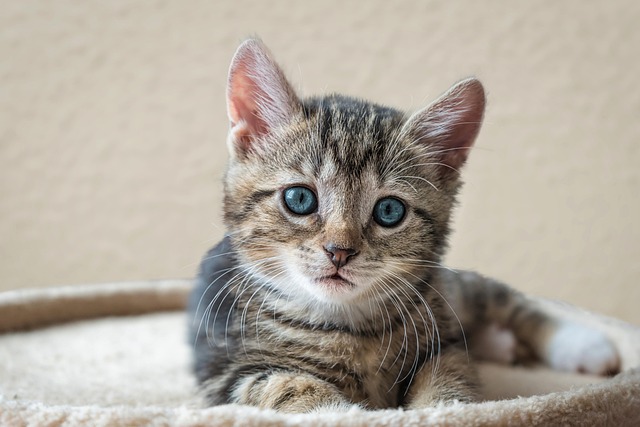
The classic tabby pattern, also called the “blotched” tabby, features wide, swirling markings across the cat’s sides. This pattern can resemble marble cake or flowing lines and is very striking on medium- to large-sized cats. Mackerel tabbies, in contrast, have narrow, parallel stripes running down their sides, resembling the pattern of a fish skeleton. Spotted tabbies have spots of varying sizes scattered across their bodies rather than stripes or swirls. These patterns can appear in any color combination, making each cat truly unique.

If you want to see visual examples and more details about the patterns, resources like different types of tabby cats provide a comprehensive guide. They explain the subtle differences among tabby patterns and offer tips for recognizing them in mixed breeds. Learning these patterns can help cat lovers identify their cat’s specific tabby type more accurately. Observing these variations allows you to appreciate the artistry in every cat’s coat. These guides are especially helpful for breeders and enthusiasts alike.

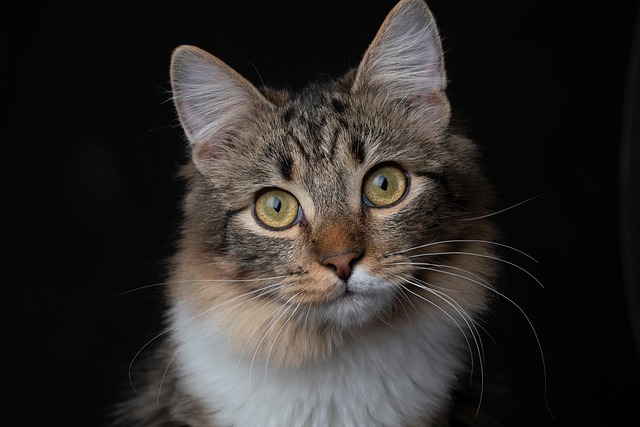
Spotting and identifying tabby patterns can sometimes be tricky, especially in kittens. Patterns may change slightly as the cat grows, revealing more pronounced markings over time. Tabby cats also exhibit color variations, including brown, gray, orange, and even cream. Understanding these details provides insight into the cat’s genetics and lineage. Noticing subtle differences in patterns can enhance your knowledge of feline aesthetics.
Tabby Cat Breeds

Ticked Tabby and Patched Tabby Variations

Ticked tabbies, also known as agouti tabbies, have individual hairs banded with different colors, giving the overall coat a flecked or salt-and-pepper appearance. Unlike classic, mackerel, or spotted tabbies, ticked tabbies lack distinct striping or spots on the body, though faint markings may appear on the legs or face. Patched tabbies, sometimes called tortie-tabby or torbie, combine any tabby pattern with noticeable patches of another color, often orange or black, on the body. This creates a coat with both tabby markings and blocks of solid color. Both types are easily identified by their unique pattern traits.

Ticked tabbies often appear in breeds like the Abyssinian, which is known for its sleek, uniform coloration. Patched tabbies can appear in both male and female cats, though females are more common due to genetic reasons. These patterns demonstrate the diversity of tabby cats beyond the typical stripes or spots. Observing these cats shows how genetics and coat color interact in complex ways. Owners may notice subtle variations in each cat’s fur that make them one of a kind.

Understanding tabby variations supports good grooming and care. For example, ticked tabby fur may require less brushing to remain smooth. In comparison, patched tabbies—particularly those with long hair—often need more frequent grooming to prevent mats and tangles. Through regular grooming, the coat stays vibrant, and the cat remains comfortable. Consistent care also helps owners spot skin or health concerns early.

Behavior and Personality of Tabby Cats

While tabby cats are primarily distinguished by their coat, many people believe certain patterns are associated with personality traits. Mackerel tabbies are often described as active and curious, while classic tabbies may be more laid-back and affectionate. Spotted tabbies can exhibit playful, adventurous behavior, making them engaging companions. These observations are anecdotal but offer insight into how coat patterns might relate to personality tendencies. Understanding behavior helps owners provide better care and enrichment.

Tabby cats often display intelligence and adaptability. Many enjoy exploring, climbing, and interacting with their environment. Providing toys, scratching posts, and perches supports these instincts. By keeping a tabby mentally stimulated, you help ensure a healthier and happier cat. Watching how each tabby type reacts to stimuli proves fascinating for owners and researchers alike.

Socialization is another key factor in tabby cat behavior. Early interaction with humans and other animals often results in friendlier, more confident cats. Each tabby has its own personality quirks, influenced by genetics and upbringing. Recognizing and appreciating these differences strengthens the human-cat bond. Every tabby, regardless of pattern, offers a unique and loving companionship experience.

Tabby cats are a remarkable and diverse group of felines with a wide range of coat patterns and personalities. Understanding the classic, mackerel, spotted, ticked, and patched varieties helps owners recognize and celebrate their uniqueness. Observing their behavior, grooming needs, and social tendencies enhances appreciation for these cats. With proper care, enrichment, and attention, tabby cats thrive in a loving home, showcasing their beauty and charm every day.
Cat Scent Glands and Their Purpose
Apr
A Guide Understanding Cat Scent Glands and Their Purpose

Cats use scent glands to communicate and mark territory. These glands are spread across their bodies and create unique smells. By rubbing, scratching, and other actions, cats signal to other animals and humans. Learning about scent glands helps owners understand their cat’s behavior and can strengthen the bond with their pet.

Locations and Functions of Cat Scent Glands

Cats have scent glands in the cheeks, paws, chin, and tail base. Each gland aids in communication and marking territory. Cheek glands are used during rubbing to leave a familiar scent. Paw glands mark territory when cats scratch, while tail base glands help with subtle social cues among cats.

For guidance on cat scent glands, resources explain their function and what signs indicate health issues. They offer tips for spotting problems with blocked or irritated glands. Using expert information helps owners keep pets healthy and understand natural behaviors. Being informed can stop small issues from becoming serious.

Anal glands are important indicators of a cat’s emotional and physical state. Stress, illness, or discomfort may cause over-grooming or frequent marking. Owners who recognize these signs can act before problems grow. Patterns in scent marking provide health insight; early recognition leads to better outcomes.

Behavioral Uses of Scent Glands

Cats use scent marking to communicate with other cats and with humans. They rub cheeks on objects or people to leave their scent. Scratching gives both a visual and scent message from the paw glands. Tail and chin glands signal more subtly, often during greetings or when content. Recognizing these actions helps owners understand their cat’s emotions and social cues.

Scent marking helps cats reduce stress and feel secure. Leaving scent in familiar areas reassures them and sets territory. Rubbing and scratching patterns may show comfort or stress. Offering scent-marking areas can curb issues. Give cats safe spots to mark for mental health support.

Some cats over-mark due to stress or environmental changes. Moving, new pets, or strangers can trigger more rubbing and scratching. Watching these behaviors may reveal stressors. Give enrichment, safe spaces, and routines to help. Notice changes to keep a calm home.

Cat Scent Glands and Their Purpose

Health Considerations Related to Scent Glands

Scent glands, especially anal glands, can get blocked or infected. Signs include scooting, excessive licking, or discomfort when sitting. Early care prevents serious infections. Regular vet visits keep glands healthy. Owners should watch for changes in grooming or strange odors as early warning signs.

Good hygiene and diet support gland health. Some diets create firmer stools that help express anal glands. Watch for early signs of gland trouble. Quick care prevents problems. Knowing the link between health, diet, and glands is key to long-term wellness.

Behavioral and health monitoring go hand in hand for a cat’s well-being. Noticing subtle changes in rubbing, scratching, or grooming can provide early warnings. Proactive care helps prevent minor issues with scent glands from escalating. Owners who stay observant and informed create a safer and more comfortable environment for their cats. These practices contribute to a happier and healthier feline companion.

Cat scent glands play a vital role in communication and overall health. Observing how your cat uses its glands provides insight into emotions, stress levels, and well-being. Regular checkups, proper hygiene, and environmental enrichment ensure these glands function properly. Understanding these natural behaviors strengthens the human-cat bond and supports a harmonious home environment. Awareness and proactive care keep your cat safe and comfortable at all times.

Colors of Himalayan Cats
Apr
What Are the Unique Colors of Himalayan Cats?

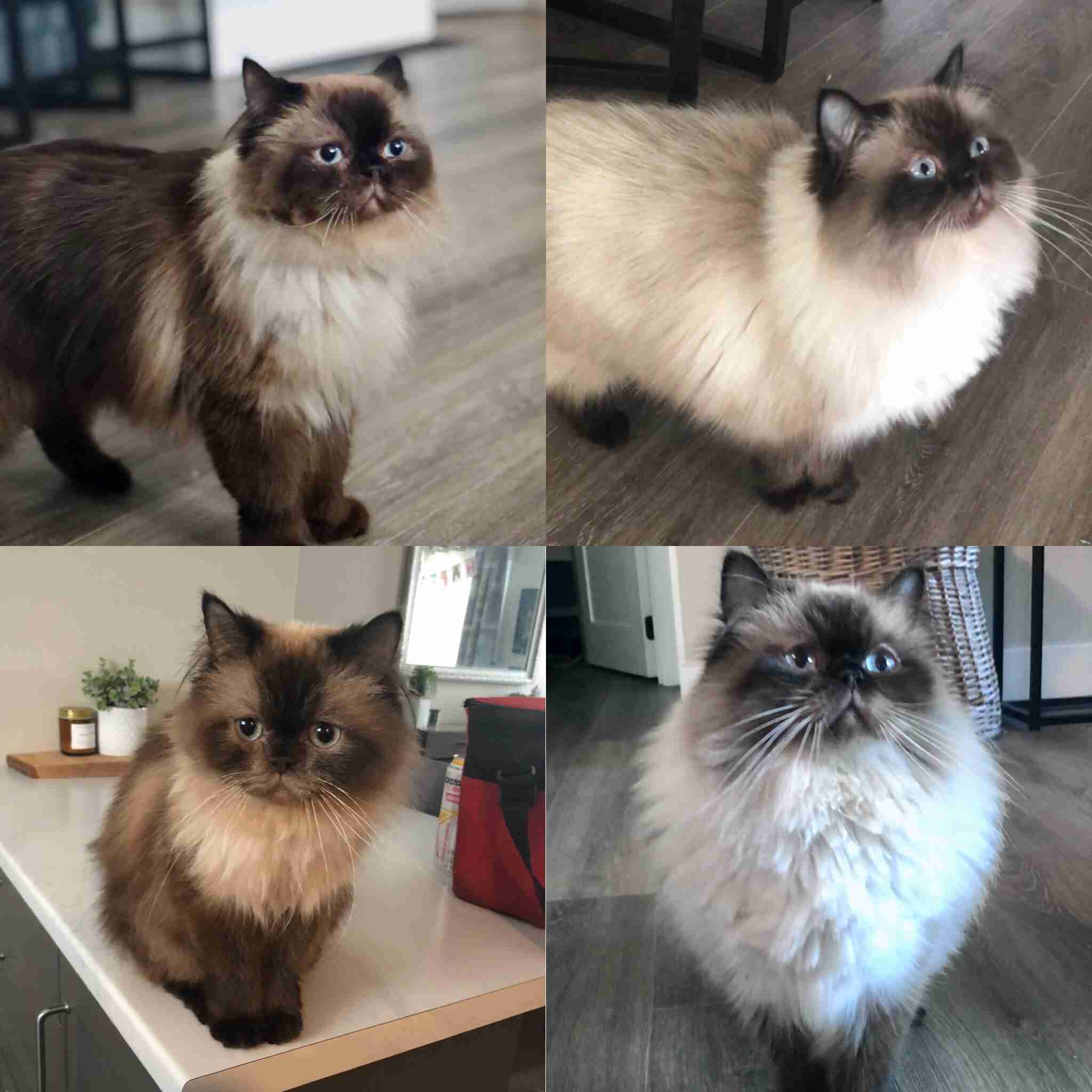
Himalayan cats are famous for their luxurious coats and striking blue eyes. Their color patterns are among the most distinct in the feline world. These cats are a cross between the Persian and Siamese breeds, combining long fur with color-point patterns. The contrast between their body color and points makes them visually stunning. Exploring Himalayan cat colors helps owners and enthusiasts appreciate their beauty and variety.

Seal, Chocolate, and Blue Point Variations

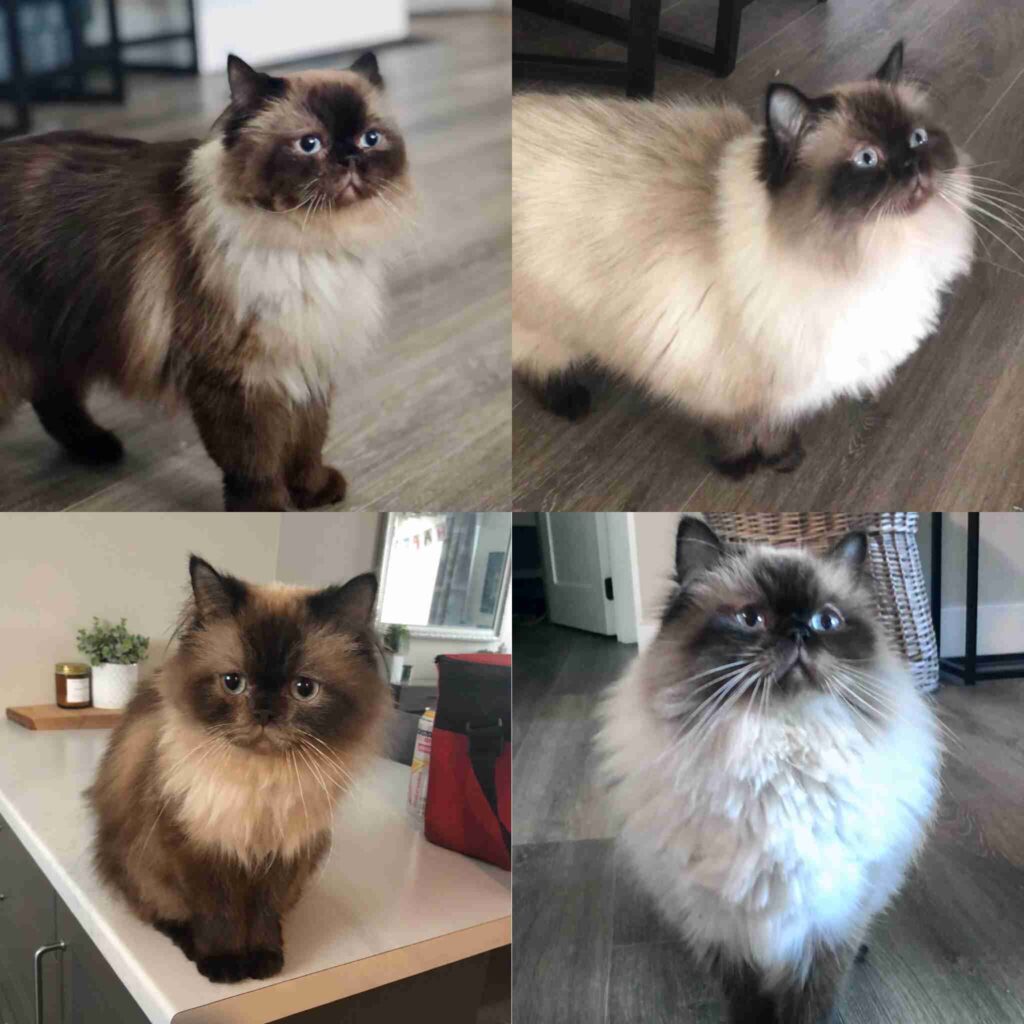
Seal point Himalayans are the most recognized, featuring dark brown points on the ears, face, paws, and tail. Their bodies are usually a creamy ivory color, which highlights the contrast beautifully. Chocolate-point Himalayans have softer brown shades, giving a warmer, subtler appearance than seal-point Himalayans. Blue point Himalayans show bluish-gray points that contrast delicately with their lighter bodies. These colors are genetically determined and are consistent throughout their lives, though they may darken slightly with age.

For a detailed guide to the full spectrum of colors, resources like Himalayan cat colors provide a comprehensive overview. These guides explain the subtle differences between shades and offer tips for accurately identifying each color variation. Understanding these color points is essential for breeders, pet owners, and enthusiasts. Observing color patterns can also give insights into the cat’s health and genetics. Such knowledge enhances both appreciation and care for these beautiful cats.

The intensity of Himalayan color points shifts with temperature, a trait inherited from Siamese lineage. Cooler zones like the ears and tail appear darker, while warmer areas, such as the torso, stay pale. This temperature-sensitive pigmentation renders each Himalayan’s appearance distinctive and ever-changing. Owners may notice their cats’ shades subtly shift between seasons.

Flame, Lilac, and Cream Points

Flame-point Himalayans display reddish-orange markings, creating a lively, eye-catching look. Lilac point cats have soft, grayish-pink points that provide a gentle, elegant contrast. Cream point Himalayans show pale, creamy points that appear almost pastel against their lighter fur. Each of these colors adds variety to the breed and appeals to different aesthetic preferences. These shades are less common but highly sought after by cat enthusiasts.

Breeding for specific colors requires careful planning and understanding of genetics. Flame and cream points arise from certain gene combinations, while rarer lilac points entail higher breeding costs. These variations showcase the diversity within Himalayan cats beyond the traditional seal and blue points. Genetic knowledge helps breeders maintain healthy, vibrant lines. Patience and attention to detail are essential for selecting cats with these colors.

Color also plays a role in how Himalayan cats are shown in competitions. Judges often evaluate the clarity and contrast of the points along with coat texture and eye color. Well-defined points with balanced contrast are highly prized in cat shows. Owners should also consider grooming, as long fur can obscure patterns if left untrimmed. Proper grooming helps highlight each cat’s color and enhances its overall appearance.

Colors of Himalayan Cats

Tabby and Tortie Points in Himalayans

Tabby point Himalayans feature stripes or swirls in their points, creating a patterned appearance on the ears, face, paws, and tail. These stripes are usually darker than the main points, adding depth and interest. Tortie-point Himalayans mix shades of red and cream in their points, giving a mottled, lively look. Both tabby and tortie points add complexity to the typical color-point pattern, making each cat unique. These variations are less common, making them highly desirable among collectors and breeders.

Owners often find tabby and tortie point Himalayans more challenging to breed consistently. Genetic factors influence pattern expression, so not all kittens will inherit the desired markings. Observing the parents’ colors and patterns helps predict the offspring’s appearance. Keeping track of lineage and color inheritance is crucial for breeders aiming to maintain or enhance these points. Careful attention ensures the patterns remain distinct and attractive.

These variations also subtly affect personality and behavior. Some owners report that tabby-point cats seem more curious or playful, while tortie-point cats can be more independent or spirited. While these traits are anecdotal, they add to the charm of owning such unique cats. Observing behavior alongside color patterns can deepen the appreciation for each Himalayan cat’s individuality. Each cat tells a story through both appearance and personality.

Himalayan cats showcase a stunning array of color points that reflect their unique genetics and heritage. From classic seal and blue points to rarer flame, lilac, and tortie patterns, these colors enhance the breed’s beauty. Observing and understanding these variations allows owners and breeders to appreciate the subtle differences that make each cat unique. Proper grooming and care ensure that the colors remain vibrant and the cats stay healthy and happy, showcasing their elegance daily.

Korat vs Russian Blue
Apr
Korat vs Russian Blue: Choosing the Right Blue Cat Breed

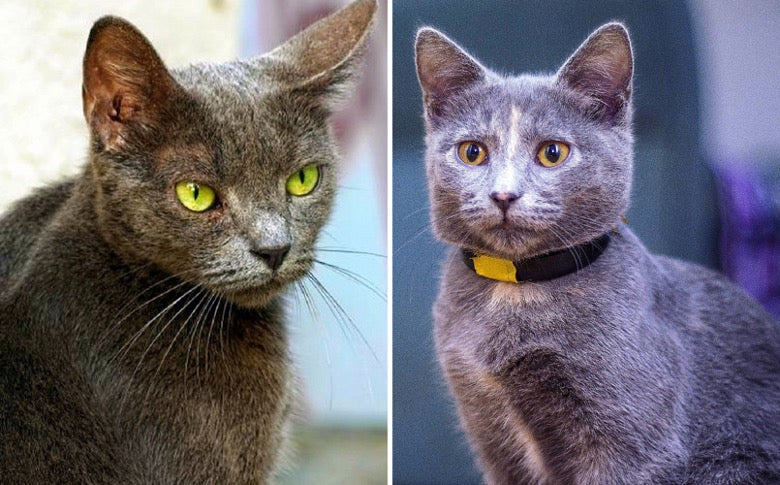
Blue cats like the Korat and Russian Blue are admired for their silver-blue coats and green eyes. While similar in looks, they differ in history, temperament, and care. Knowing these differences helps owners choose the breed that best fits their lifestyle.

Physical Differences Between Korat and Russian Blue

The Korat is a naturally occurring breed from Thailand, recognized for its heart-shaped face and large, luminous green eyes. Russian Blues, on the other hand, have a more slender, muscular build and almond-shaped eyes. Korats tend to weigh between 6 and 10 pounds, while Russian Blues usually weigh slightly more, ranging from 7 to 12 pounds.

Their fur also differs; Korats have a single, short coat with a silver sheen, whereas Russian Blues have a dense double coat that feels plush to the touch. Eye color is another subtle difference: Korat kittens are born with amber eyes that turn green as they mature, while Russian Blues generally have vivid green eyes from early on.

If you want a detailed comparison to help you choose, resources like Korat vs. Russian Blue offer comprehensive guides. They cover grooming needs, personality traits, and how each breed interacts with families and other pets. This information can help new owners decide which cat aligns with their living situation. Learning these differences before adoption ensures a smoother adjustment for both the cat and owner.

Temperament and Personality Traits

Korats are known for their affectionate and loyal nature. They often form a strong bond with one or two family members and can be wary of strangers. Russian Blues are more reserved and gentle, often observing before engaging with new people. They are intelligent and playful but enjoy quiet environments. Both breeds thrive on interaction, but Korats are generally more social and vocal, while Russian Blues are independent and calm.

Training and socialization can vary by breed. Korats respond well to interactive play and gentle reinforcement, which strengthens their attachment to owners. Russian Blues benefit from routine and predictability, often preferring structured play sessions at consistent times. Both breeds enjoy mental stimulation through puzzle toys or interactive games. Understanding personality differences helps owners provide proper care and companionship. Knowing what to expect can reduce behavioral issues later.

Korat vs Russian Blue

Care and Grooming Needs

Korats require minimal grooming due to their single coat, but regular brushing can help maintain the sheen and remove loose hairs. Russian Blues have a dense double coat that sheds more, especially during seasonal changes, so weekly brushing is recommended. Both breeds are relatively healthy, but they can develop breed-specific issues, such as dental concerns in Russian Blues.

Feeding quality diets, regular vet check-ups, and monitoring weight are essential for both breeds. Environmental enrichment, like scratching posts and climbing areas, benefits their mental and physical health.

Owners often engage Korats in active play and climbing to prevent boredom and destructive behavior. Russian Blues prefer moderate activity but benefit from daily play sessions. Both breeds adapt well to indoor living if you provide enough stimulation. Offer toys, perches, and safe exploration areas to support their well-being. Giving proper care leads to a long, healthy life for both breeds.

Health Considerations and Lifespan

Both Korats and Russian Blues are generally healthy, with life expectancies ranging from 12 to 20 years. Korats may occasionally develop heart conditions, such as hypertrophic cardiomyopathy, so periodic vet screenings are recommended. Russian Blues are prone to obesity if overfed or under-exercised, which can lead to diabetes or joint issues. Maintaining a balanced diet and regular veterinary care is crucial. Early detection of health problems significantly improves outcomes.

Genetic testing and selecting reputable breeders can help minimize the risk of inherited conditions. Vaccinations, parasite control, and dental care further support their health. Both breeds respond well to consistent care routines and safe indoor environments. Owners should monitor behavior changes or appetite fluctuations, which can indicate underlying health issues. Proactive healthcare ensures these elegant blue cats live full, happy lives.

When you choose between a Korat and a Russian Blue, consider more than just appearance. Assess personality, activity level, grooming needs, and possible health issues. Observe how each breed interacts with family members and other pets to help guide your decision. Both breeds offer affectionate companionship, intelligence, and beauty, making them great options for the right household. Knowing these factors helps create a fulfilling experience for you and your cat.

Understanding Cat Shock Collars: What You Need to Know

Cat owners often look for tools to keep their pets safe and well-behaved, and shock collars are sometimes considered for this purpose. These devices are designed to deliver a mild electrical stimulus when the cat engages in unwanted behaviors, such as leaving the yard or scratching furniture.

While shock collars are popular in dog training, their use on cats is more controversial due to differences in temperament and sensitivity. Knowing how these devices work and the alternatives available can help owners make informed decisions. Cats respond differently from dogs, so training methods must be carefully chosen.

How Cat Shock Collars Work

Cat shock collars use sensors or remotes to deliver brief electric pulses. Intensity is adjustable, but even at low settings, cats may be startled. Some collars offer a sound or vibration warning before correction. These teach cats to avoid specific areas or behaviors. The technology is similar to invisible fences for pets.

If you are considering options for keeping your cat safe outside, resources such as a cat shock collar can provide detailed guidance. These sources explain how collars operate, how to introduce your cat to the device, and potential risks. They also offer advice on adjusting intensity levels gradually to minimize stress. Understanding these details can help ensure safety while training. Owners should read the manufacturer’s instructions thoroughly before use.

Potential Risks and Considerations

Shock collars can cause stress, fear, or anxiety in cats if used incorrectly. Cats are sensitive to pain and can react strongly to even mild electric pulses. Behavioral problems like aggression or hiding may develop if a cat associates punishment with its owner. A collar can also malfunction, delivering stronger shocks than intended. Awareness of these risks is crucial before choosing this training method.

Alternative methods, like positive reinforcement and environmental management, often work better with cats. Rewarding good behavior with treats or playtime encourages repetition without causing fear. Barriers, such as double-sided tape or motion sensors, can safely deter unwanted behavior. Combining these strategies with gentle training often produces better results than relying solely on a shock collar. These approaches respect a cat’s sensitivity and intelligence.

Cat Shock Collars

Training Tips and Alternatives

Patience is key when training cats. Begin with simple commands and reward instantly. Avoid sudden punishment, which can confuse or frighten. Use toys, scratching posts, or puzzle feeders to redirect unwanted actions. Repetition and consistency over weeks lead to lasting results.

Other effective alternatives include:

  • Using motion-activated deterrents like air sprays or alarms
  • Installing barriers around furniture or gardens
  • Providing ample enrichment to reduce boredom
  • Consulting a professional cat behaviorist for persistent issues

Combining environmental adjustments and positive reinforcement helps cats learn appropriate behavior while keeping stress levels low. Each cat reacts differently, so owners must carefully observe their responses. Adjustments to training techniques may be necessary to achieve optimal results. Safety and well-being should always remain the priority.

Legal and Ethical Considerations

Some regions regulate the use of shock collars, and major organizations like the RSPCA advise against their use for cats. The main ethical concerns center on the stress and fear these devices cause. Owners should carefully weigh risks versus benefits and focus on humane, effective options.

Before purchasing a shock collar, research local laws and guidelines. Some countries have banned the use of electric collars entirely. Understanding regulations ensures compliance and avoids potential fines or legal issues. It also encourages the use of safer, more humane training methods. Knowledge of ethical practices strengthens the bond between cat and owner.

Shock collars are rarely the best solution for managing cat behavior. Effective and considerate alternatives—like enrichment, training, and gentle deterrents—support a cat’s well-being. Informed owners prioritize safe, humane, and nurturing strategies for their feline companions.

Number of Cat Breeds
Apr
A Comprehensive Guide to the Number of Cat Breeds

Cats are one of the most popular pets worldwide, admired for their playful personalities, affectionate nature, and unique appearances. Many people are curious about the diversity among cats and wonder how many distinct breeds exist.

Cat breeds differ in size, coat type, behavior, and temperament, making choosing a pet both exciting and overwhelming. Exploring cat breeds helps owners understand which breed best fits their lifestyle. From long-haired to short-haired, each breed has its own charm and care requirements.

Recognized Cat Breeds Around the World

Different cat associations recognize varying numbers of cat breeds, which can cause some confusion. The International Cat Association (TICA) recognizes 73 breeds, while the Cat Fanciers’ Association (CFA) recognizes 44 breeds. Breed standards and recognition criteria differ, and some breeds are newer or still developing. For those interested in learning more about the diversity of cats, resources like “How Many Cat Breeds Are There?” provide detailed information and guidance. These resources cover the history, characteristics, and care requirements for each breed in an accessible format.

Understanding the officially recognized breeds is helpful for prospective owners. Recognition ensures that a breed has documented traits and health standards. It also supports breeders in maintaining quality and consistency. Some breeds are rare and may be recognized only in certain countries or by certain associations. Keeping this in mind can help when considering adoption or purchase.

Popular Cat Breeds and Their Characteristics

Many cat breeds are widely loved due to their distinctive features and temperaments. The Siamese is known for its striking blue eyes and vocal personality, while the Maine Coon stands out with its large size and long, flowing fur. Short-haired breeds like the British Shorthair are easy to groom and often enjoy calm household environments. Knowing a cat’s breed characteristics can help match a cat to the owner’s lifestyle. It also prepares the owner for potential behavioral quirks or health needs.

Some cats, like the Bengal, have a wild appearance but are affectionate pets. Others, like the Persian, need regular grooming due to their dense coats, while hairless breeds such as the Sphynx require skin care and warmth. Mixed-breed cats offer combinations of traits and personalities, so considering both breed and individual characteristics helps choose a companion.

Number of Cat Breeds

Factors Affecting the Number of Breeds

The exact number of cat breeds can change over time due to breeding programs and new breed recognition. Some breeds emerge through selective breeding, while others develop naturally in specific regions. Health considerations, genetics, and temperament play significant roles in whether a breed is recognized officially. Rare breeds may exist in small populations and may take years to gain recognition. Understanding these factors explains why numbers vary between organizations.

Geography also influences breed recognition. Certain breeds are native to specific countries, such as the Norwegian Forest Cat or the Japanese Bobtail. Some breeds are recognized internationally, while others are region-specific. Breed popularity can affect conservation efforts, with rare breeds receiving greater focus. Awareness of these factors helps prospective owners make informed choices about which cat to adopt or purchase.

Caring for Different Cat Breeds

Each cat breed has unique care requirements, influenced by coat type, activity level, and health predispositions. Long-haired cats may require daily grooming to prevent matting, while short-haired breeds need less maintenance. Active breeds, such as the Abyssinian, benefit from toys, climbing structures, and interactive playtime. Health predispositions, such as heart disease in Maine Coons, require regular veterinary check-ups. Understanding these needs ensures that owners provide the best environment for their cats.

Feed your cat a balanced diet, high in protein, vitamins, and minerals. Some breeds need special diets due to allergies or digestive issues. Keep your cat active and engaged to prevent boredom and behavioral issues. Meeting these care needs lets cats live long and healthy lives.

Adopting a cat involves researching both breed traits and personality. Spending time with a cat before adoption reveals compatibility. Some cats thrive in quiet environments, while others enjoy active homes. Informed decisions ensure a rewarding match.

The world of cats is vast and fascinating, with many breeds offering unique qualities and personalities. From widely recognized breeds to rare types, each cat has its own charm and specific care needs. Learning about breed characteristics, recognition standards, and environmental requirements helps potential owners choose the best cat for their home. Exploring this diversity helps people appreciate the beauty and complexity of feline companions.

Can Cats Eat Pepperoni
Apr
Can Cats Eat Pepperoni Without Health Risks?

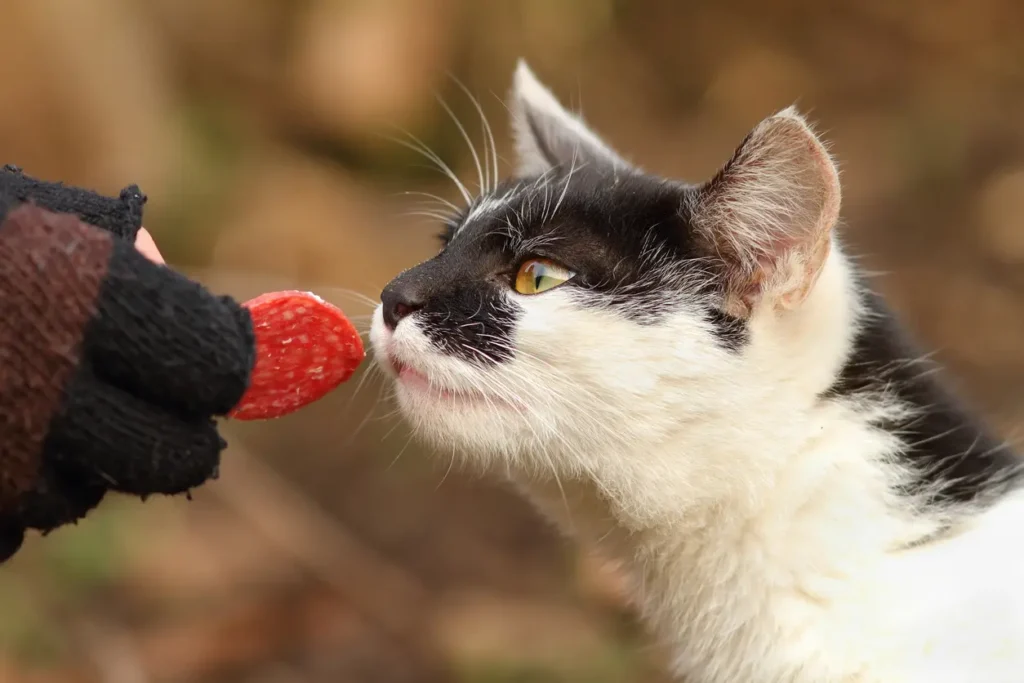
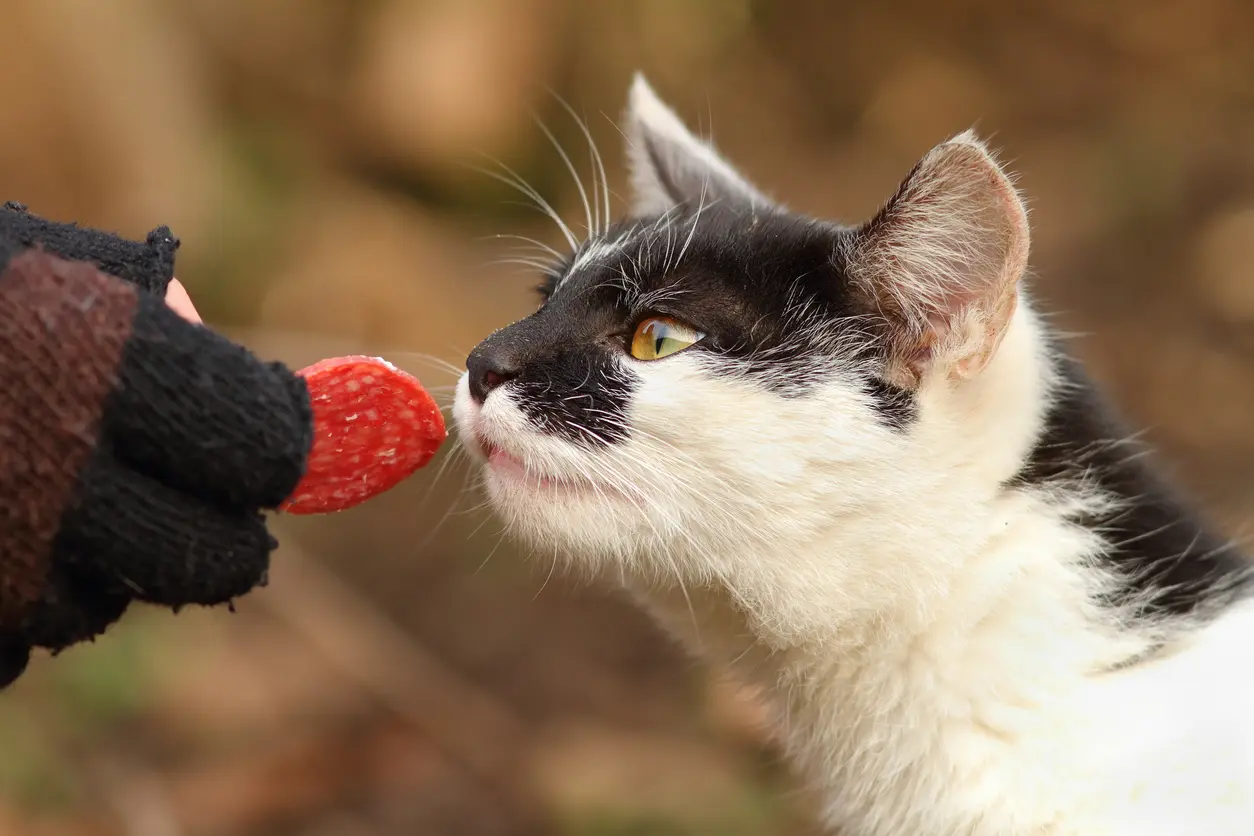
Cats are curious creatures that often show interest in human food. Pepperoni, with its strong smell and flavor, can quickly attract a cat’s attention. Many cat owners wonder if sharing a small piece of pepperoni is safe.

Understanding the risks and effects of feeding pepperoni to cats is crucial for their health. Knowing the nutritional content and potential hazards helps in making informed decisions for your feline friend.

Why Pepperoni May Not Be Safe for Cats

Pepperoni poses several risks to cats, mainly due to its high levels of salt and fat, which can quickly overwhelm a cat’s system. Cats are not equipped to process processed meats like pepperoni, which often causes digestive upset such as vomiting or diarrhea, even after a single small piece. More serious risks include sodium ion poisoning, where excess salt can lead to symptoms like tremors and seizures, as well as the potential for long-term issues like obesity or pancreatitis. Even a tiny portion often contains more salt than a cat’s recommended daily intake, putting their health in immediate danger.

For those looking for reliable information about feline diets, resources like can cats eat pepperoni offer detailed guidance. This source explains the potential dangers and helps cat owners understand which foods are safe and which are not. It also offers alternatives that satisfy a cat’s protein cravings without endangering their health. Using such resources can prevent accidental poisoning and maintain your cat’s well-being.

Additionally, cats have specific dietary needs that processed foods cannot meet. Pepperoni lacks essential vitamins and nutrients required for feline health. Cats require taurine, an amino acid vital for heart and eye health, which pepperoni does not provide in sufficient amounts. Feeding cats foods like this too frequently can disrupt their balanced diet. It is always safer to stick to cat-formulated foods or veterinarian-approved treats.

Signs of Pepperoni-Related Health Issues

If a cat eats pepperoni, owners should watch for signs of illness. Vomiting, diarrhea, or lethargy are common reactions. Excessive thirst or urination can indicate high salt intake. Some cats may develop abdominal pain or discomfort within a few hours. Monitoring your cat closely after they consume human food helps detect problems early and prevent serious complications.

Severe reactions can occur, particularly in cats with pre-existing conditions such as kidney disease or obesity. The most critical risks from eating pepperoni include salt toxicity, which may cause tremors, seizures, or rapid breathing, especially if a cat consumes too much. Additional dangers for sensitive cats include dehydration and organ strain due to elevated sodium. Cats with digestive problems face a higher chance of severe discomfort or ongoing gastrointestinal issues. If a cat exhibits any of these serious symptoms, seek immediate veterinary care. Watch for changes in behavior, appetite, or physical symptoms to catch issues promptly.

Preventing problems is always better than treating them. Keeping pepperoni out of reach and educating household members about the risks helps maintain a safe environment. Even tiny scraps left on counters or tables can tempt cats. Cats are agile and persistent when food is involved, so vigilance is necessary. Creating a cat-safe kitchen ensures their health is not compromised by human snacks.

Can Cats Eat Pepperoni

Safe Alternatives to Pepperoni for Cats

There are plenty of safe treats that cats can enjoy without risking their health. High-quality cat treats, freeze-dried meat, or small portions of cooked chicken or turkey are good options. These foods provide protein and nutrients that support a cat’s overall well-being. Avoid seasoning or processed foods that may contain additives, salt, or harmful spices. These alternatives satisfy a cat’s curiosity while keeping them healthy.

Some cats enjoy interactive feeding toys that dispense treats slowly. This method encourages mental stimulation and exercise. It also mimics natural hunting behaviors, which can be very rewarding for indoor cats. Feeding a balanced diet along with these enrichment tools promotes long-term health and happiness. Owners who adopt these practices often notice fewer digestive problems and a more active, content cat.

When introducing new foods, always start with very small amounts. Watch for any signs of intolerance or allergic reactions. Gradual introduction helps your cat adjust and allows you to monitor their reaction safely. Maintaining a proper feeding schedule ensures that treats do not replace essential meals. A consistent routine and careful food selection can help prevent many common dietary problems in cats.

The Role of Moderation in Treats

Even safe treats should be given in moderation to prevent overfeeding and nutritional imbalance. Cats have small stomachs, so too many treats can fill them up and reduce their appetite for nutritious meals. A general guideline is that treats should not exceed 10% of a cat’s daily caloric intake. Overindulgence can lead to obesity, diabetes, and other health concerns. Proper portion control is essential for maintaining a healthy weight and long-term well-being.

Moderation also helps maintain dental health. Excessive treats, especially sticky or sugary ones, can contribute to plaque buildup and tooth decay. Providing a balanced diet with appropriate treats supports both physical and oral health. Regular checkups with a veterinarian ensure that your cat remains at a healthy weight and receives guidance on treating portions. Combining moderation with healthy options ensures your cat enjoys treats safely.

Owners should also consider the type of treat and its ingredients. Natural, protein-rich treats are preferable over processed or flavored snacks. Ingredients should be simple, with minimal additives and preservatives. Treats that mimic natural prey, such as freeze-dried fish or poultry, are ideal. They satisfy your cat’s instincts while supporting digestive and overall health. Making informed choices keeps cats happy and healthy without unnecessary risks.

Cats are curious about human foods, but not all foods are safe. Pepperoni, with its high salt and fat content, poses serious health risks. Safe alternatives and proper moderation can satisfy your cat’s appetite and curiosity without endangering their wellbeing. Paying attention to diet, observing health changes, and choosing appropriate treats help maintain a long, healthy life for your feline companion. Providing balanced nutrition ensures that your cat thrives both physically and emotionally.

Final Words

Understanding your cat’s dietary needs is key to their health and happiness. Observing reactions to new foods and choosing appropriate treats can prevent illness and support a strong bond. Careful feeding habits create a safe environment while allowing your cat to enjoy occasional treats. By prioritizing health and safety, cat owners help their pets live long, joyful lives.

Care for Merv the Cat
Apr
How to Care for Merv the Cat: A Complete Guide

Merv the Cat has captured the hearts of many cat lovers, thanks to his playful personality and charming antics. With unique expressions and a friendly demeanor, he is more than just a pet; Merv inspires and brings joy to his followers. People are fascinated by his behavior.

Often, his actions seem to reflect human-like emotions. As time has passed, Merv has earned a reputation for being both entertaining and affectionate. Learning about his story and daily life gives insight into his broad appeal.

The Early Life of Merv

Before delving into Merv’s current personality, it is helpful to explore his beginnings. Adopted at just eight weeks old from a local shelter, Merv the Cat immediately revealed an unusually curious nature. He explored every corner of his new home with confidence. Shaped by these early experiences, his adventurous personality quickly made him a favorite among family and visitors. Boasting a gray and white coat that highlights his expressive green eyes, Merv stood out even as a kitten. Intelligence was evident from the beginning, as he solved small puzzles and learned tricks that impressed his caretakers.

Growing up, Merv developed a routine that balanced play, rest, and interaction with humans. Feeling secure and confident, he became notably friendly. By observing his early behaviors, one can understand his social and engaging adult demeanor. Ultimately, these early experiences shaped the unique personality traits that make him so endearing today.

Personality and Daily Habits

Building upon his early foundation, known for his playful, affectionate, and occasionally mischievous personality, Merv the Cat delights in interacting with people and other pets. Frequently, he initiates play sessions on his own. Many have observed how his facial expressions convey a surprising range of emotions, spanning curiosity to amusement. His daily routine is a mix of short bursts of activity and naps in sunny spots throughout the house. Watching Merv at play both entertains and educates those interested in feline behavior.

For readers interested in Merv’s adventures, online resources like Merv the Cat offer regular updates and detailed stories, giving fans insight into his unique personality and environment. These sites also provide practical tips for healthy interactions with cats. Merv’s appeal comes from his strong connections with both people and animals.

Interactive toys that challenge Merv’s intelligence particularly delight him. Engaged for hours, he manipulates puzzle feeders and small treat dispensers. When he seeks quiet, Merv curls up in cozy blankets or rests on high surfaces to observe the room. Such a balance between playfulness and relaxation is typical of well-adjusted domestic cats. By enjoying both activity and comfort, his habits highlight the importance of providing cats with mental stimulation and inviting resting spaces.

Care for Merv the Cat

Health and Care Considerations

Keeping Merv healthy requires a combination of proper nutrition, regular veterinary checkups, and preventive care. His diet consists of high-quality cat food that meets his protein requirements and helps him maintain a healthy weight. Routine visits to the veterinarian ensure that vaccinations, dental care, and general health assessments are up to date. Merv has shown no major health issues so far, but monitoring for common feline conditions is essential for longevity. Caregivers also attend to his grooming needs, regularly brushing his fur to prevent tangles and hairballs.

Alongside physical health, Merv stays healthy through an active lifestyle that helps preserve muscle tone and support cardiovascular health. Play sessions with humans aren’t only fun—they provide essential exercise. Mental stimulation is equally vital for Merv, as it prevents boredom and undesirable behaviors. Providing a wide range of toys, climbing structures, and safe spaces enriches his quality of life. His care routine showcases best practices for responsible cat ownership, demonstrating how attention to both physical and mental health creates a happy feline.

In addition to nutrition and activity, preventive care extends to environmental safety. Merv is kept indoors during extreme weather, and his living space is free from hazards. Scratch posts and safe toys reduce the risk of injury while satisfying his natural instincts. Hydration is monitored to ensure he drinks enough water, which supports kidney health and overall well-being. Attention to these details creates a secure and enriching environment where Merv can thrive.

Merv’s Popularity and Impact

Reflecting on how he has touched many, Merv the Cat commands attention in the cat community, thanks to social media and press features. His expressive face, quirky conduct, and warmth make him a sought-after subject for photos and videos. Fans savor the insight he brings into cat personalities and enjoy tracking his exploits. His fame has sparked brand collaborations that promote products designed to enhance a cat’s environment. Merv’s charisma encourages strong bonds and responsible pet care.

One of the reasons Merv resonates so strongly with people is his ability to display emotions that feel familiar and understandable. His interactions with toys, humans, and other pets often seem playful yet thoughtful. By sharing Merv’s story, caretakers inspire the creation of enriching and engaging environments for cats. Observing his behavior encourages people to recognize the intelligence and emotional depth of their own pets. Merv has become more than just a cat; he is a symbol of joy and connection for his followers.

Beyond Merv’s personal journey, the community built around him also highlights the importance of storytelling in pet ownership. People share their experiences, ask questions, and learn from each other about feline behavior. Merv’s popularity demonstrates how a single cat can influence broader understanding and appreciation of domestic animals. By highlighting his routines, quirks, and achievements, fans are reminded of the happiness pets bring to daily life.

Overall, Merv, the Cat, embodies the charm, intelligence, and affection that make domestic cats cherished companions. His playful antics, expressive personality, and social nature continue to attract admiration from a wide audience. Understanding his daily life, care requirements, and personality traits offers valuable lessons for current and prospective cat owners. Merv’s story shows how thoughtful attention, proper care, and love create a fulfilling life for a pet and strengthen the bond between humans and animals.

Conclusion

In conclusion, following Merv the Cat reminds us that every pet has a unique personality that deserves attention and respect. His story illustrates how engagement, proper care, and affection contribute to a healthy, happy cat. Sharing these experiences with others fosters a supportive community of pet lovers. Merv’s life encourages owners to observe, understand, and nurture their pets for years of companionship and joy.

Balinese Cats vs Siamese Cats
Apr
Balinese Cats vs Siamese Cats: Understanding the Key Differences

Balinese and Siamese cats invite comparison due to their shared appearance and common ancestry.

Physical Characteristics and Appearance

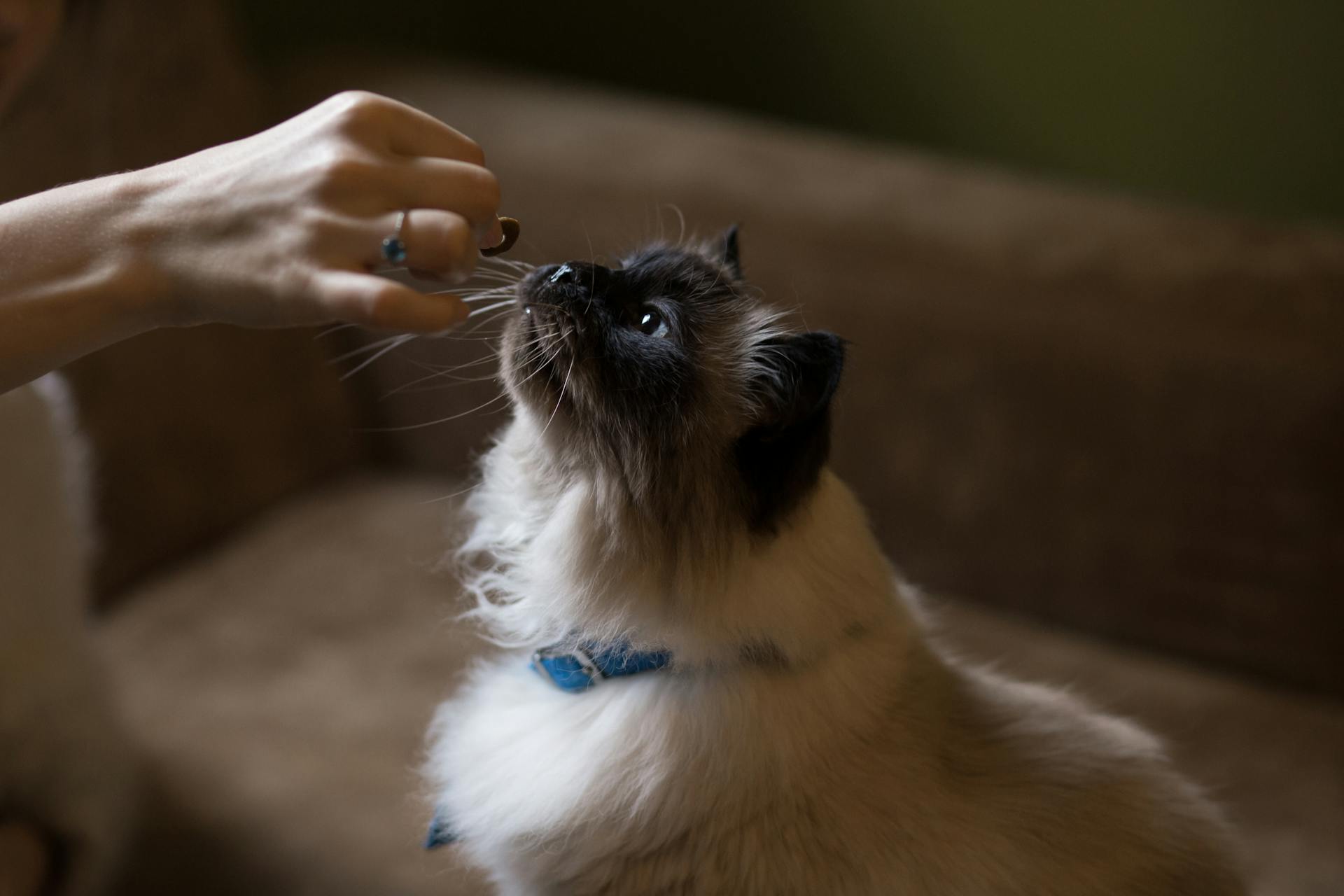
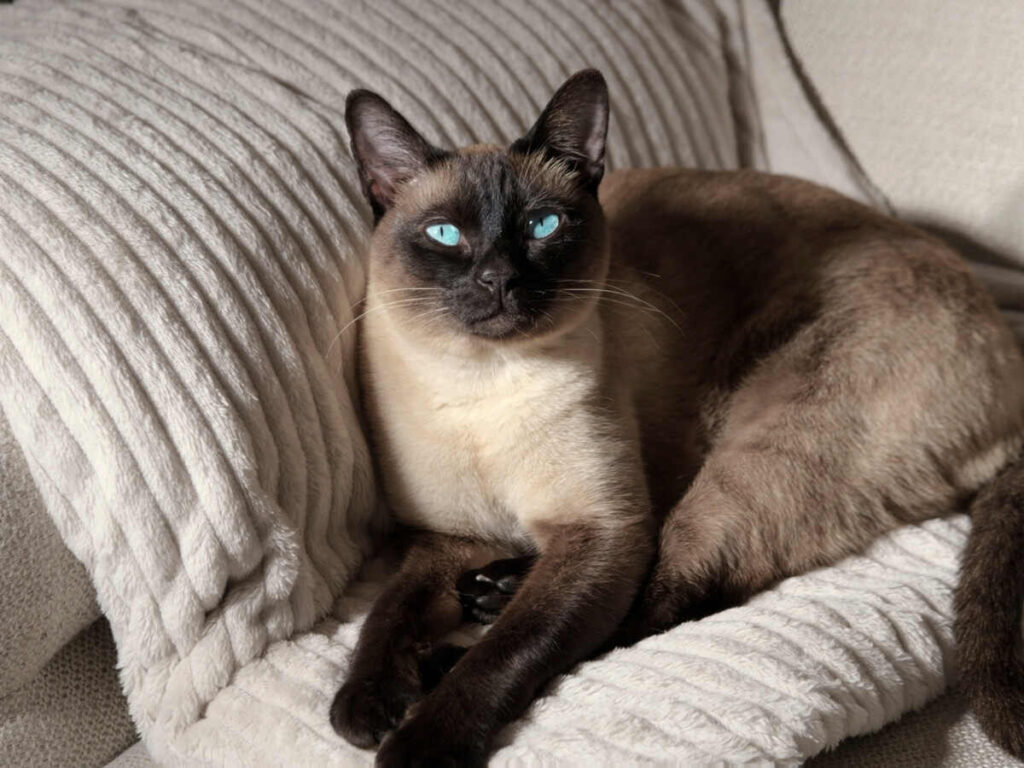
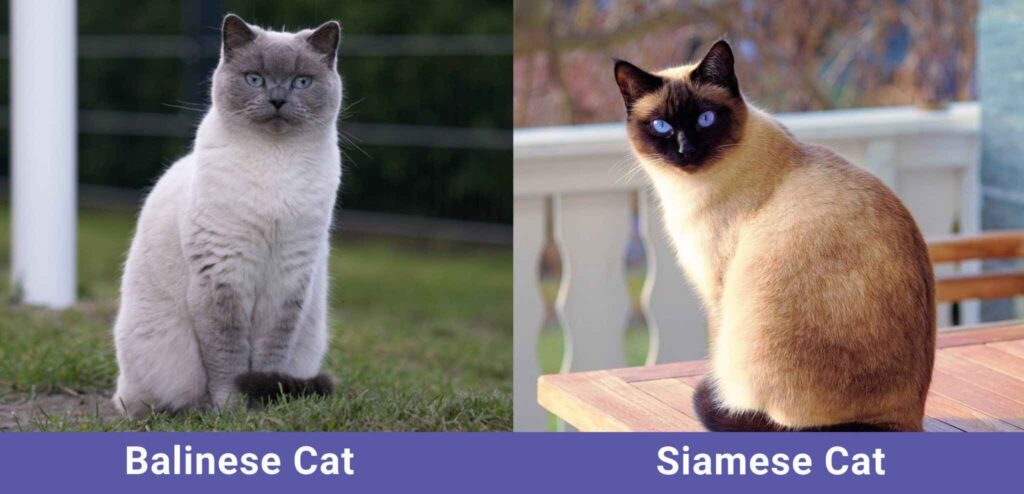
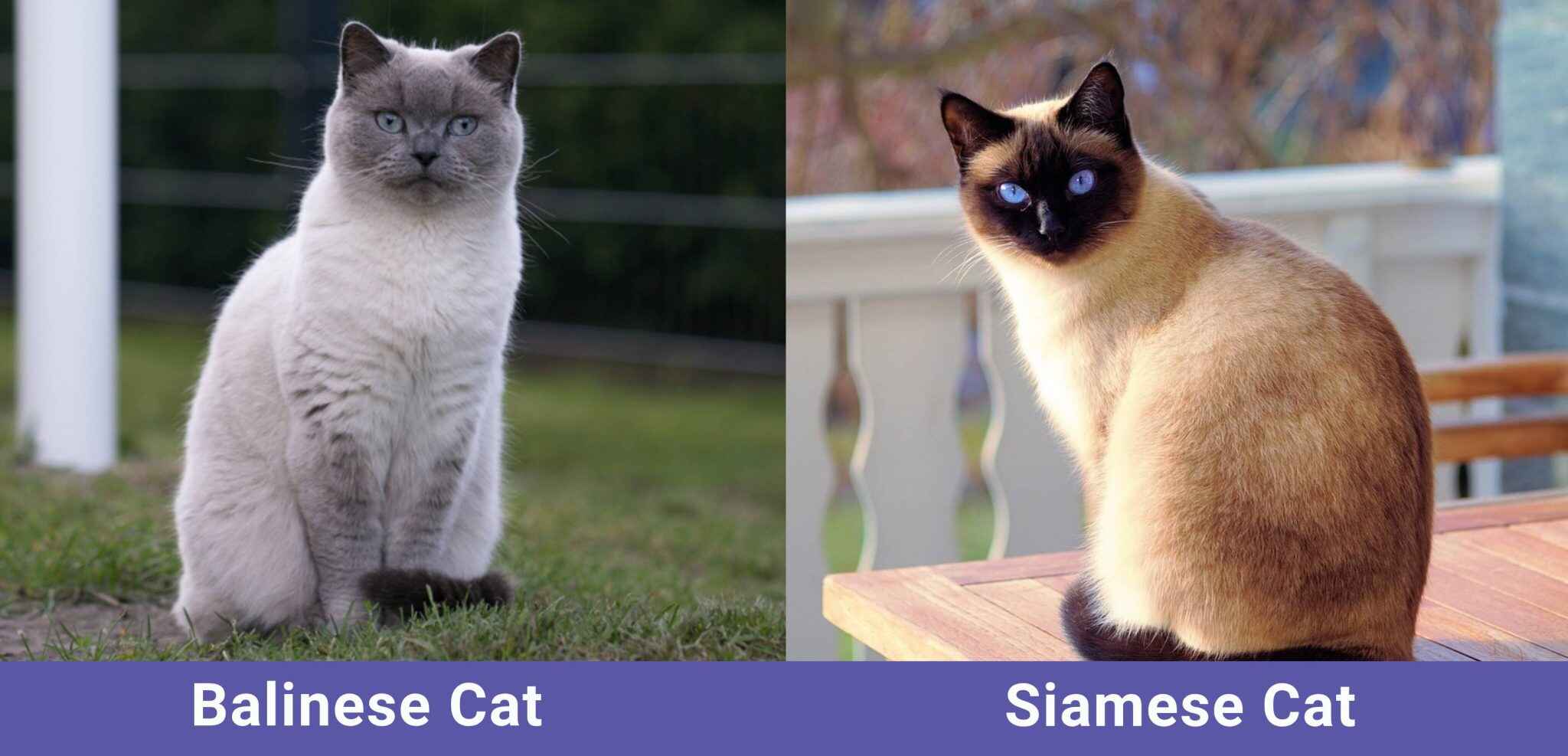
The most obvious difference between Balinese and Siamese cats is their coat. Siamese cats have short, sleek fur that hugs their body like satin, emphasizing their lithe grace. In contrast, Balinese cats display a soft, silky mantle of medium-length fur that drapes them in elegance, creating a flowing, swanlike silhouette. Both breeds share a slender, muscular build, long, graceful legs, and a striking triangular face. Siamese cats typically weigh between 6 and 12 pounds, while Balinese cats are often slightly lighter, weighing 5 to 10 pounds.

Balinese cats have a delicate, graceful bone structure, giving them an air of refinement compared to the Siamese. Their tails sweep behind them like feathery plumes, a flowing counterpoint to the sleek, whip-like tails of their Siamese cousins. Both breeds gaze out with mesmerizing almond-shaped blue eyes, but the Balinese often boasts eyes that appear even larger and more expressive. Color points, like soft watercolor brushstrokes, blossom on the ears, face, paws, and tail of both cats. These captivating coat patterns and dazzling blue eyes enchant and captivate cat lovers everywhere.

For detailed information about these two breeds and their unique traits, resources like “Balinese Cat vs. Siamese” offer insights into their physical and personality differences. These resources help new cat owners decide which breed suits their lifestyle and expectations. Comparing features side by side clarifies the choice.

Temperament and Personality

Both Balinese and Siamese cats radiate sociability, intelligence, and affection. Siamese cats are famously vocal, often filling a room with melodious, insistent meows to capture your attention. By contrast, Balinese cats share their Siamese cousins’ social nature but exhibit a gentle calm, expressing themselves in soft, understated ways. Both breeds flourish in homes brimming with affection and mental engagement.

The intelligence of these breeds is a defining force in their lively behavior. Siamese cats brim with curiosity and delightful mischief, always seeking activities that challenge their sharp minds. Balinese cats relish intricate puzzles and engaging interactive toys, displaying a patient elegance and gentle touch in play. Both breeds forge deep, affectionate bonds with their owners, often shadowing them from room to room. Early socialization helps them flourish in busy households, making them adaptable to other pets and children. Their vibrant personalities make them captivating and entertaining companions.

When considering a cat for a home environment, understanding their temperament is critical. Siamese cats may demand more attention, which can be rewarding for owners who enjoy interactive play. Balinese cats offer companionship in a slightly less intense, yet equally affectionate, way. Choosing between these two breeds often depends on your lifestyle and the amount of interaction you can provide. Proper training and socialization help ensure a well-adjusted pet.

Balinese Cats vs Siamese Cats

Health and Care Requirements

Both Balinese and Siamese cats are generally healthy breeds, but may face breed-specific issues. Siamese cats can be prone to respiratory problems, dental issues, and certain genetic conditions. Balinese cats may be more prone to heart conditions or eye problems than other breeds. Regular veterinary checkups are essential for early detection and management of these health concerns. Routine care helps both breeds live long, healthy lives, often reaching 12 to 20 years.

Grooming needs also differ between the two breeds. Siamese cats require minimal grooming due to their short coat. A weekly brushing is usually sufficient to remove loose hair and maintain a shiny coat. Balinese cats require more regular grooming to prevent tangles and matting in their medium-length fur. Their silky coat benefits from being brushed at least twice a week. Maintaining good grooming habits supports skin health and reduces shedding. Proper nutrition is also important for both breeds to maintain a healthy weight and coat condition.

Exercise and enrichment are essential for the vibrant mental and physical well-being of both breeds. Lively interactive play sessions, towering climbing structures, and mind-bending toys that spark intelligence help banish boredom. Balinese cats may gravitate toward serene pursuits, while Siamese cats thrive on spirited, high-energy games. Offering both breeds enticing indoor adventures to climb, leap, and explore leads to happier, healthier felines. Stimulating their keen intelligence and curiosity ensures they flourish contentedly at home.

Choosing the Right Breed for Your Home

Selecting between a Balinese and a Siamese cat depends on your lifestyle and preferences. Siamese cats are ideal for households where constant interaction and play are possible. They thrive in an environment where their vocal and social nature is appreciated. Balinese cats suit homes looking for a slightly more relaxed, affectionate companion. Both breeds enjoy attention, but they differ in how they express it. Considering your daily routine, family members, and home environment is critical when making a decision.

Other factors to consider include grooming commitment, health monitoring, and mental stimulation. Siamese cats require less grooming but may need more interactive playtime. Balinese cats need regular coat care and enjoy gentle interaction with toys and puzzles. Both breeds benefit from safe indoor environments, though they enjoy climbing and exploring. A well-prepared home enhances the happiness and health of either breed. Thoughtful planning ensures your cat fits seamlessly into your lifestyle.

When choosing a breed, observe their personality in person if possible. Visiting breeders, shelters, or cat shows allows you to interact and understand the differences firsthand. Meeting both breeds helps you assess which cat best aligns with your expectations. Remember that each cat has a unique personality, so individual differences can matter as much as breed traits. Patience and careful selection contribute to a long-lasting and rewarding bond with your pet.

Balinese and Siamese cats share a bewitching blend of qualities that enchant a wide array of cat lovers. Their intellect and affectionate natures ensure companionship that is both engaging and heartwarming. Siamese cats, with their zesty energy and expressive voices, enliven households with perpetual delight, while the gentle Balinese bring an elegant, calming presence. Showered with affection, attention, and attentive care, both breeds unfold their full vitality, filling homes with their unique magic.

Choosing between a Balinese and a Siamese cat involves lifestyle considerations, personality preferences, and a commitment to care. Both breeds offer loving companionship and intelligence that can enrich a home. Observing their behavior, understanding grooming needs, and preparing for breed-specific health issues ensures a positive experience. With proper care and attention, either breed can provide years of joy and connection with their owners.

Can Cats Have Walnuts
Apr
Can Cats Have Walnuts? A Veterinarian’s Perspective

As a licensed veterinarian practicing in Texas for over a decade, I’ve seen countless pet owners offer their cats human foods without realizing the potential risks. One question I hear surprisingly often is whether cats can safely eat walnuts. I want to share what I’ve learned from both research and hands-on experience in my clinic.

Why Cats and Walnuts Don’t Mix Well

Cats are obligate carnivores, meaning their digestive systems are designed to process meat, not nuts or other plant-based foods. While walnuts are healthy for humans due to their omega-3 fats and antioxidants, they can pose several risks for cats.

In my experience, the most common problem I’ve seen is gastrointestinal upset. I once treated a two-year-old domestic shorthair who had snuck a few walnut halves off the kitchen counter. Within hours, she was vomiting and had diarrhea. While she recovered quickly after supportive care, it was a clear example of how a seemingly small treatment can cause significant discomfort.

Another concern is choking. Cats are small animals, and walnuts are hard and irregularly shaped. I recall a client whose cat swallowed a whole walnut, leading to a stressful emergency visit. Luckily, we managed the situation without surgery, but it highlighted the physical dangers of feeding nuts to cats.

The Risk of Toxins

Walnuts themselves aren’t inherently toxic in the same way that chocolate or grapes are, but they can harbor mold that produces mycotoxins. In my practice, I’ve seen two cases of cats ingesting old or moldy walnuts that developed tremors and lethargy. These mycotoxins can affect the nervous system, which is especially dangerous in smaller pets like cats.

Even fresh walnuts can cause pancreatitis if consumed in larger quantities. I treated a Maine Coon once whose owner offered a few walnut pieces as a treat. The cat didn’t show immediate symptoms but developed a painful bout of pancreatitis two days later. From that experience, I strongly advise against intentionally feeding walnuts to cats, even in small amounts.

Can Cats Have Walnuts

Safe Alternatives

If you want to give your cat a crunchy treat, there are safer options. I usually recommend specially formulated cat treats, freeze-dried meat bites, or even small pieces of cooked chicken. These alternatives satisfy the desire to nibble without risking gastrointestinal distress or exposure to toxins.

One practical example comes to mind: a family had been giving their cat pecans and walnuts over several weeks. The cat started showing lethargy and reduced appetite. Switching to freeze-dried salmon treats resolved the issue within a few days, and the cat was happier and healthier.

When Accidental Ingestion Happens

Accidents do happen, and I’ve had several patients eat nuts they weren’t supposed to. If your cat nibbles on a walnut, watch for vomiting, diarrhea, lethargy, tremors, or changes in appetite. Small amounts of fresh walnuts might not cause serious harm, but it’s always better to err on the side of caution and call your veterinarian immediately.

I keep a small checklist in my clinic for nut ingestion cases, which helps me quickly evaluate the severity: the type of nut, how much was consumed, whether it was moldy, and the cat’s size and medical history. This practical approach has helped me prevent serious complications on multiple occasions.

Bottom Line

From my perspective as a veterinarian, walnuts are not a suitable snack for cats. Even in tiny amounts, they can lead to gastrointestinal upset, pose a choking hazard, and occasionally introduce harmful toxins. Observing a cat’s natural dietary needs and offering safe alternatives is the best way to keep them healthy and happy.

I’ve seen firsthand how a simple treat intended as a gesture of love can lead to an emergency visit. Protecting your cat means understanding which human foods are off-limits—and walnuts clearly fall into that category.