Dog’s Nail Scratches Your Skin
Apr
What to Expect When a Dog’s Nail Scratches Your Skin

Dogs are friendly and playful, but their nails can sometimes cause scratches during normal interaction. These scratches may happen while playing, jumping, or even when a dog is excited to see you. Most of the time, they are minor, yet some cases may need attention. Understanding what happens after a scratch can help you respond quickly and safely.

Common Reactions After a Dog Nail Scratch

A dog nail scratch often leaves a thin red line on the skin. In mild cases, there may be slight bleeding that stops within a few minutes. The area can feel sore or sensitive for a short time. This is normal.

Some people may notice swelling or redness around the scratch. This can happen if the skin reacts to bacteria or dirt from the dog’s nails. A scratch that looks small at first can become irritated later. Keep an eye on it.

Itching is also common. As the skin begins to heal, you may feel an urge to scratch the area. Avoid doing this, as it can delay healing. Clean care helps recovery.

Risk of Infection and Possible Complications

Many health resources explain what happens if a dog’s nail scratches you and highlight the risk of infection if the wound is not treated properly. These sources often mention that bacteria from a dog’s nails can enter the skin. Even a small break in the skin can allow germs to spread.

Signs of infection include spreading redness, warmth around the area, and pus. Fever may develop in rare cases. These symptoms can appear within 24 to 72 hours after the scratch. Early care reduces the risk.

Some scratches may lead to deeper skin issues if left untreated. This is more likely if the scratch is deep or if your immune system is weak. Children and older adults may need extra care. Do not ignore warning signs.
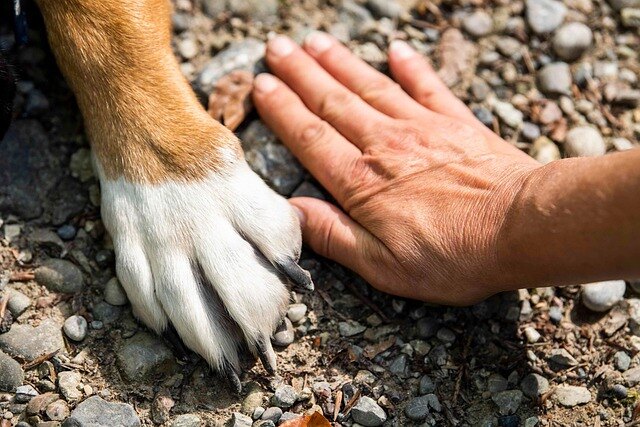
Dog’s Nail Scratches Your Skin

How to Treat a Dog Nail Scratch at Home

First, wash the area with clean water and mild soap. This helps remove dirt and bacteria from the skin. Pat the area dry with a clean towel. Avoid rubbing.

Apply an antiseptic solution to prevent infection. You can use products like iodine or alcohol-based cleaners. A small amount is enough. Cover the scratch with a bandage if needed.

Keep the area clean over the next few days. Change the bandage daily if you are using one. Watch for changes in color or swelling. Healing usually takes 3 to 7 days.

Here are a few simple steps to follow:

  • Wash the scratch immediately with soap and water.
  • Use an antiseptic to properly clean the wound.
  • Cover with a clean bandage if necessary.
  • Check daily for signs of infection.

When to Seek Medical Attention

Some scratches require more than basic care. If the wound is deep or continues to bleed after 10 minutes, you should seek medical help. Deep scratches can damage tissue below the skin. Quick action matters.

If you notice signs of infection, visit a doctor as soon as possible. Red streaks, swelling, or worsening pain are warning signs that should not be ignored, especially if they appear suddenly and worsen rapidly. Medical treatment may include antibiotics.

Tetanus is another concern. If you have not had a tetanus shot in the last 5 to 10 years, a doctor may recommend one. This is a precaution to prevent serious infection. Stay updated on vaccinations.

How to Prevent Dog Nail Scratches

Regular nail trimming can reduce the risk of scratches. Dogs with shorter nails are less likely to cause injury during play. Trimming once every 3 to 4 weeks works for most dogs. Some may need it more often.

Training your dog also helps. Teaching them not to jump on people can prevent accidental scratches. Calm behavior reduces risk. Consistency is key.

You can also wear protective clothing when handling energetic dogs. Long sleeves or thicker fabrics provide a barrier against sharp nails. This is useful during training or grooming sessions. Small steps make a difference.

Dog nail scratches are usually minor, yet they still need proper care to avoid complications. Quick cleaning, regular monitoring, and simple precautions can help keep you safe. Paying attention to your dog’s grooming and behavior reduces the risk of future scratches and makes interactions more enjoyable.

Do Strawberries Help Keep Your Dog’s Teeth Healthy
Apr
Do Strawberries Help Keep Your Dog’s Teeth Healthy?

Many dog owners are curious about whether fruits can help keep their pets’ teeth clean. Strawberries are a delightful favorite—they’re sweet, soft, and simple to share with your furry friend.

You might have heard that these berries are good for cleaning teeth, but there’s a bit more to the story. Getting to know how strawberries actually affect your dog’s mouth can help you make thoughtful feeding choices.

Nutritional Value of Strawberries for Dogs

Strawberries offer plenty of goodness for dogs. They contain vitamin C, fiber, and natural antioxidants that support overall health. These nutrients can help boost your dog’s immune system and aid digestion when offered in small amounts. A medium-sized strawberry is light on calories, making it a cheerful treat compared to processed snacks. Most dogs enjoy the sweet taste, and their excitement is often contagious.

There’s something extra-special in strawberries: a compound called malic acid. Some people say it gives teeth a gentle whitening boost. While this effect isn’t as dramatic as professional pet dental products, including strawberries as part of a balanced diet may offer a small, sweet benefit.

Fresh fruit brings the most benefits. Frozen strawberries are also a fun option—especially when the weather is warm—just make sure they’re plain, with no sugar or syrup added. Steer clear of canned strawberries, as they are too sugary for dogs. And remember to give them a good rinse before sharing with your pet!

How Strawberries Affect Dental Health

Some pet owners look for natural ways to support their dog’s oral hygiene, and one helpful resource explains, with veterinary guidance, whether strawberries are good for dogs’ teeth. While strawberries contain malic acid that may help reduce surface stains, they do not replace brushing or professional dental care. The texture of strawberries is soft, so they do not scrub plaque as well as crunchy treats might. This means their cleaning ability is limited.

Dogs need more than soft foods for a healthy mouth. Chewing is important for cleaning teeth and keeping gums strong. Since strawberries are tender, they don’t give that satisfying crunch or plaque-removing action. Their helpfulness is gentle and adds a little variety to your dog’s routine.

Sugar is another factor to consider. Strawberries contain natural sugars that can still contribute to tooth decay if consumed in large amounts over time. Even healthy treats should be limited. Moderation is key.

Do Strawberries Help Keep Your Dog’s Teeth Healthy

Safe Ways to Feed Strawberries to Dogs

Feeding strawberries the right way is important for safety. Start with small portions, such as one or two berries for a medium-sized dog weighing around 15 kilograms. Cut them into smaller pieces to prevent choking, especially for smaller breeds. Always remove the stems and leaves before serving.

Introduce strawberries slowly. Some dogs may have sensitive stomachs and could react to new foods. Watch for signs like diarrhea or vomiting after the first feeding. If any issues appear, stop giving the fruit and consult a veterinarian.

It helps to use strawberries as an occasional treat rather than a daily habit. A few times per week is enough. Mixing them with regular meals is not necessary and may reduce the dog’s interest in balanced dog food. Keep things simple.

Comparing Strawberries with Other Dental-Friendly Foods

Not all fruits affect dental health in the same way. Apples, for example, have a firmer texture and may help scrape away plaque during chewing. Carrots are another option, offering a crunchy bite that supports gum health. Compared to these, strawberries are softer and less effective in cleaning teeth.

Dental chews designed for dogs are often more effective for oral hygiene than fruits. These products are shaped and textured to clean between teeth and along the gum line. They are also tested for safety and effectiveness. Fruits cannot match that level of targeted care.

Still, strawberries have their place. They provide variety and can be a healthier alternative to sugary biscuits. Just do not rely on them for dental care alone. Dogs need a balanced diet and proper oral hygiene practices.

When Strawberries Might Not Be a Good Choice

Some dogs should avoid strawberries altogether. Pets with diabetes need careful control of sugar intake, even from natural sources. The sugar in strawberries, though not high, can still affect blood glucose levels. Always check with a vet before offering new foods to dogs with health conditions.

Allergies are rare but possible. A dog might show itching, swelling, or digestive upset after eating strawberries. If you notice any unusual signs, stop feeding them immediately. Better safe than sorry.

Puppies also need special care. Their digestive systems are still developing, and introducing fruits too early may cause discomfort. Wait until they are older and already used to solid foods before offering small fruit treats. Keep portions very small at first.

Strawberries can be a fun and refreshing treat for dogs when given correctly, but they should never replace proper dental care or a balanced diet. Paying attention to portion size, your dog’s health, and regular oral hygiene routines will ensure your pet stays happy and healthy over time.

Korat vs Russian Blue
Apr
Korat vs Russian Blue: Choosing the Right Blue Cat Breed

Blue cats like the Korat and Russian Blue are admired for their silver-blue coats and green eyes. While similar in looks, they differ in history, temperament, and care. Knowing these differences helps owners choose the breed that best fits their lifestyle.

Physical Differences Between Korat and Russian Blue

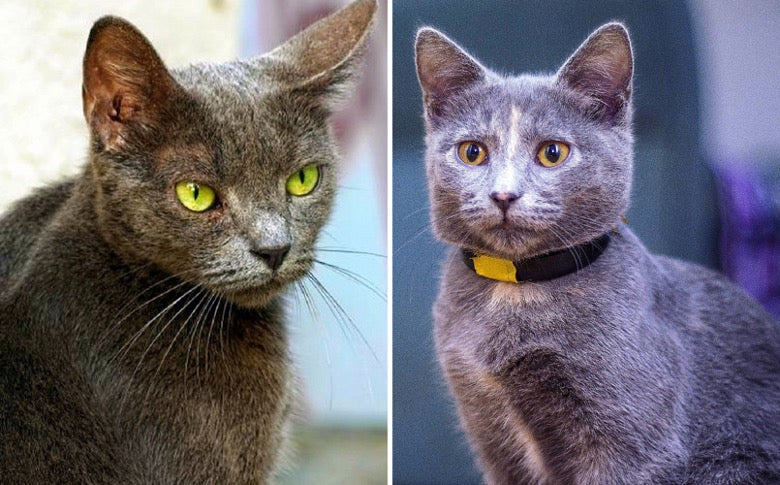
The Korat is a naturally occurring breed from Thailand, recognized for its heart-shaped face and large, luminous green eyes. Russian Blues, on the other hand, have a more slender, muscular build and almond-shaped eyes. Korats tend to weigh between 6 and 10 pounds, while Russian Blues usually weigh slightly more, ranging from 7 to 12 pounds.

Their fur also differs; Korats have a single, short coat with a silver sheen, whereas Russian Blues have a dense double coat that feels plush to the touch. Eye color is another subtle difference: Korat kittens are born with amber eyes that turn green as they mature, while Russian Blues generally have vivid green eyes from early on.

If you want a detailed comparison to help you choose, resources like Korat vs. Russian Blue offer comprehensive guides. They cover grooming needs, personality traits, and how each breed interacts with families and other pets. This information can help new owners decide which cat aligns with their living situation. Learning these differences before adoption ensures a smoother adjustment for both the cat and owner.

Temperament and Personality Traits

Korats are known for their affectionate and loyal nature. They often form a strong bond with one or two family members and can be wary of strangers. Russian Blues are more reserved and gentle, often observing before engaging with new people. They are intelligent and playful but enjoy quiet environments. Both breeds thrive on interaction, but Korats are generally more social and vocal, while Russian Blues are independent and calm.

Training and socialization can vary by breed. Korats respond well to interactive play and gentle reinforcement, which strengthens their attachment to owners. Russian Blues benefit from routine and predictability, often preferring structured play sessions at consistent times. Both breeds enjoy mental stimulation through puzzle toys or interactive games. Understanding personality differences helps owners provide proper care and companionship. Knowing what to expect can reduce behavioral issues later.

Korat vs Russian Blue

Care and Grooming Needs

Korats require minimal grooming due to their single coat, but regular brushing can help maintain the sheen and remove loose hairs. Russian Blues have a dense double coat that sheds more, especially during seasonal changes, so weekly brushing is recommended. Both breeds are relatively healthy, but they can develop breed-specific issues, such as dental concerns in Russian Blues.

Feeding quality diets, regular vet check-ups, and monitoring weight are essential for both breeds. Environmental enrichment, like scratching posts and climbing areas, benefits their mental and physical health.

Owners often engage Korats in active play and climbing to prevent boredom and destructive behavior. Russian Blues prefer moderate activity but benefit from daily play sessions. Both breeds adapt well to indoor living if you provide enough stimulation. Offer toys, perches, and safe exploration areas to support their well-being. Giving proper care leads to a long, healthy life for both breeds.

Health Considerations and Lifespan

Both Korats and Russian Blues are generally healthy, with life expectancies ranging from 12 to 20 years. Korats may occasionally develop heart conditions, such as hypertrophic cardiomyopathy, so periodic vet screenings are recommended. Russian Blues are prone to obesity if overfed or under-exercised, which can lead to diabetes or joint issues. Maintaining a balanced diet and regular veterinary care is crucial. Early detection of health problems significantly improves outcomes.

Genetic testing and selecting reputable breeders can help minimize the risk of inherited conditions. Vaccinations, parasite control, and dental care further support their health. Both breeds respond well to consistent care routines and safe indoor environments. Owners should monitor behavior changes or appetite fluctuations, which can indicate underlying health issues. Proactive healthcare ensures these elegant blue cats live full, happy lives.

When you choose between a Korat and a Russian Blue, consider more than just appearance. Assess personality, activity level, grooming needs, and possible health issues. Observe how each breed interacts with family members and other pets to help guide your decision. Both breeds offer affectionate companionship, intelligence, and beauty, making them great options for the right household. Knowing these factors helps create a fulfilling experience for you and your cat.

Understanding Cat Shock Collars: What You Need to Know

Cat owners often look for tools to keep their pets safe and well-behaved, and shock collars are sometimes considered for this purpose. These devices are designed to deliver a mild electrical stimulus when the cat engages in unwanted behaviors, such as leaving the yard or scratching furniture.

While shock collars are popular in dog training, their use on cats is more controversial due to differences in temperament and sensitivity. Knowing how these devices work and the alternatives available can help owners make informed decisions. Cats respond differently from dogs, so training methods must be carefully chosen.

How Cat Shock Collars Work

Cat shock collars use sensors or remotes to deliver brief electric pulses. Intensity is adjustable, but even at low settings, cats may be startled. Some collars offer a sound or vibration warning before correction. These teach cats to avoid specific areas or behaviors. The technology is similar to invisible fences for pets.

If you are considering options for keeping your cat safe outside, resources such as a cat shock collar can provide detailed guidance. These sources explain how collars operate, how to introduce your cat to the device, and potential risks. They also offer advice on adjusting intensity levels gradually to minimize stress. Understanding these details can help ensure safety while training. Owners should read the manufacturer’s instructions thoroughly before use.

Potential Risks and Considerations

Shock collars can cause stress, fear, or anxiety in cats if used incorrectly. Cats are sensitive to pain and can react strongly to even mild electric pulses. Behavioral problems like aggression or hiding may develop if a cat associates punishment with its owner. A collar can also malfunction, delivering stronger shocks than intended. Awareness of these risks is crucial before choosing this training method.

Alternative methods, like positive reinforcement and environmental management, often work better with cats. Rewarding good behavior with treats or playtime encourages repetition without causing fear. Barriers, such as double-sided tape or motion sensors, can safely deter unwanted behavior. Combining these strategies with gentle training often produces better results than relying solely on a shock collar. These approaches respect a cat’s sensitivity and intelligence.

Cat Shock Collars

Training Tips and Alternatives

Patience is key when training cats. Begin with simple commands and reward instantly. Avoid sudden punishment, which can confuse or frighten. Use toys, scratching posts, or puzzle feeders to redirect unwanted actions. Repetition and consistency over weeks lead to lasting results.

Other effective alternatives include:

  • Using motion-activated deterrents like air sprays or alarms
  • Installing barriers around furniture or gardens
  • Providing ample enrichment to reduce boredom
  • Consulting a professional cat behaviorist for persistent issues

Combining environmental adjustments and positive reinforcement helps cats learn appropriate behavior while keeping stress levels low. Each cat reacts differently, so owners must carefully observe their responses. Adjustments to training techniques may be necessary to achieve optimal results. Safety and well-being should always remain the priority.

Legal and Ethical Considerations

Some regions regulate the use of shock collars, and major organizations like the RSPCA advise against their use for cats. The main ethical concerns center on the stress and fear these devices cause. Owners should carefully weigh risks versus benefits and focus on humane, effective options.

Before purchasing a shock collar, research local laws and guidelines. Some countries have banned the use of electric collars entirely. Understanding regulations ensures compliance and avoids potential fines or legal issues. It also encourages the use of safer, more humane training methods. Knowledge of ethical practices strengthens the bond between cat and owner.

Shock collars are rarely the best solution for managing cat behavior. Effective and considerate alternatives—like enrichment, training, and gentle deterrents—support a cat’s well-being. Informed owners prioritize safe, humane, and nurturing strategies for their feline companions.

Number of Cat Breeds
Apr
A Comprehensive Guide to the Number of Cat Breeds

Cats are one of the most popular pets worldwide, admired for their playful personalities, affectionate nature, and unique appearances. Many people are curious about the diversity among cats and wonder how many distinct breeds exist.

Cat breeds differ in size, coat type, behavior, and temperament, making choosing a pet both exciting and overwhelming. Exploring cat breeds helps owners understand which breed best fits their lifestyle. From long-haired to short-haired, each breed has its own charm and care requirements.

Recognized Cat Breeds Around the World

Different cat associations recognize varying numbers of cat breeds, which can cause some confusion. The International Cat Association (TICA) recognizes 73 breeds, while the Cat Fanciers’ Association (CFA) recognizes 44 breeds. Breed standards and recognition criteria differ, and some breeds are newer or still developing. For those interested in learning more about the diversity of cats, resources like “How Many Cat Breeds Are There?” provide detailed information and guidance. These resources cover the history, characteristics, and care requirements for each breed in an accessible format.

Understanding the officially recognized breeds is helpful for prospective owners. Recognition ensures that a breed has documented traits and health standards. It also supports breeders in maintaining quality and consistency. Some breeds are rare and may be recognized only in certain countries or by certain associations. Keeping this in mind can help when considering adoption or purchase.

Popular Cat Breeds and Their Characteristics

Many cat breeds are widely loved due to their distinctive features and temperaments. The Siamese is known for its striking blue eyes and vocal personality, while the Maine Coon stands out with its large size and long, flowing fur. Short-haired breeds like the British Shorthair are easy to groom and often enjoy calm household environments. Knowing a cat’s breed characteristics can help match a cat to the owner’s lifestyle. It also prepares the owner for potential behavioral quirks or health needs.

Some cats, like the Bengal, have a wild appearance but are affectionate pets. Others, like the Persian, need regular grooming due to their dense coats, while hairless breeds such as the Sphynx require skin care and warmth. Mixed-breed cats offer combinations of traits and personalities, so considering both breed and individual characteristics helps choose a companion.

Number of Cat Breeds

Factors Affecting the Number of Breeds

The exact number of cat breeds can change over time due to breeding programs and new breed recognition. Some breeds emerge through selective breeding, while others develop naturally in specific regions. Health considerations, genetics, and temperament play significant roles in whether a breed is recognized officially. Rare breeds may exist in small populations and may take years to gain recognition. Understanding these factors explains why numbers vary between organizations.

Geography also influences breed recognition. Certain breeds are native to specific countries, such as the Norwegian Forest Cat or the Japanese Bobtail. Some breeds are recognized internationally, while others are region-specific. Breed popularity can affect conservation efforts, with rare breeds receiving greater focus. Awareness of these factors helps prospective owners make informed choices about which cat to adopt or purchase.

Caring for Different Cat Breeds

Each cat breed has unique care requirements, influenced by coat type, activity level, and health predispositions. Long-haired cats may require daily grooming to prevent matting, while short-haired breeds need less maintenance. Active breeds, such as the Abyssinian, benefit from toys, climbing structures, and interactive playtime. Health predispositions, such as heart disease in Maine Coons, require regular veterinary check-ups. Understanding these needs ensures that owners provide the best environment for their cats.

Feed your cat a balanced diet, high in protein, vitamins, and minerals. Some breeds need special diets due to allergies or digestive issues. Keep your cat active and engaged to prevent boredom and behavioral issues. Meeting these care needs lets cats live long and healthy lives.

Adopting a cat involves researching both breed traits and personality. Spending time with a cat before adoption reveals compatibility. Some cats thrive in quiet environments, while others enjoy active homes. Informed decisions ensure a rewarding match.

The world of cats is vast and fascinating, with many breeds offering unique qualities and personalities. From widely recognized breeds to rare types, each cat has its own charm and specific care needs. Learning about breed characteristics, recognition standards, and environmental requirements helps potential owners choose the best cat for their home. Exploring this diversity helps people appreciate the beauty and complexity of feline companions.