Korat vs Russian Blue: Choosing the Right Blue Cat Breed
Blue cats like the Korat and Russian Blue are admired for their silver-blue coats and green eyes. While similar in looks, they differ in history, temperament, and care. Knowing these differences helps owners choose the breed that best fits their lifestyle.
Physical Differences Between Korat and Russian Blue
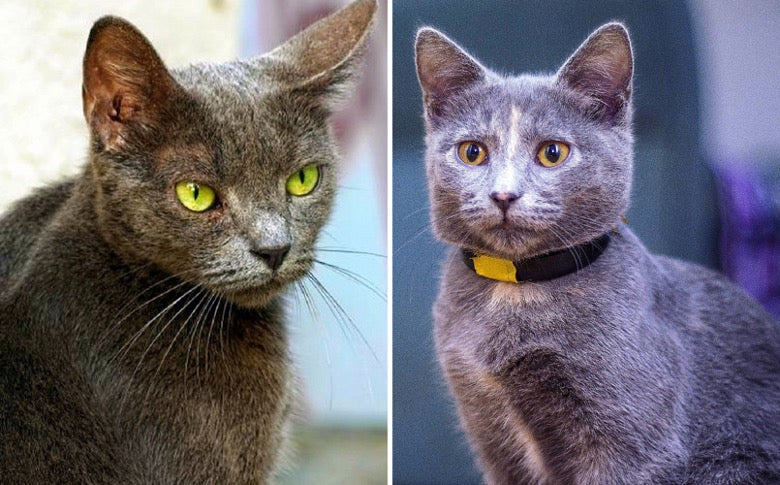
The Korat is a naturally occurring breed from Thailand, recognized for its heart-shaped face and large, luminous green eyes. Russian Blues, on the other hand, have a more slender, muscular build and almond-shaped eyes. Korats tend to weigh between 6 and 10 pounds, while Russian Blues usually weigh slightly more, ranging from 7 to 12 pounds.
Their fur also differs; Korats have a single, short coat with a silver sheen, whereas Russian Blues have a dense double coat that feels plush to the touch. Eye color is another subtle difference: Korat kittens are born with amber eyes that turn green as they mature, while Russian Blues generally have vivid green eyes from early on.
If you want a detailed comparison to help you choose, resources like Korat vs. Russian Blue offer comprehensive guides. They cover grooming needs, personality traits, and how each breed interacts with families and other pets. This information can help new owners decide which cat aligns with their living situation. Learning these differences before adoption ensures a smoother adjustment for both the cat and owner.
Temperament and Personality Traits
Korats are known for their affectionate and loyal nature. They often form a strong bond with one or two family members and can be wary of strangers. Russian Blues are more reserved and gentle, often observing before engaging with new people. They are intelligent and playful but enjoy quiet environments. Both breeds thrive on interaction, but Korats are generally more social and vocal, while Russian Blues are independent and calm.
Training and socialization can vary by breed. Korats respond well to interactive play and gentle reinforcement, which strengthens their attachment to owners. Russian Blues benefit from routine and predictability, often preferring structured play sessions at consistent times. Both breeds enjoy mental stimulation through puzzle toys or interactive games. Understanding personality differences helps owners provide proper care and companionship. Knowing what to expect can reduce behavioral issues later.
Care and Grooming Needs
Korats require minimal grooming due to their single coat, but regular brushing can help maintain the sheen and remove loose hairs. Russian Blues have a dense double coat that sheds more, especially during seasonal changes, so weekly brushing is recommended. Both breeds are relatively healthy, but they can develop breed-specific issues, such as dental concerns in Russian Blues.
Feeding quality diets, regular vet check-ups, and monitoring weight are essential for both breeds. Environmental enrichment, like scratching posts and climbing areas, benefits their mental and physical health.
Owners often engage Korats in active play and climbing to prevent boredom and destructive behavior. Russian Blues prefer moderate activity but benefit from daily play sessions. Both breeds adapt well to indoor living if you provide enough stimulation. Offer toys, perches, and safe exploration areas to support their well-being. Giving proper care leads to a long, healthy life for both breeds.
Health Considerations and Lifespan
Both Korats and Russian Blues are generally healthy, with life expectancies ranging from 12 to 20 years. Korats may occasionally develop heart conditions, such as hypertrophic cardiomyopathy, so periodic vet screenings are recommended. Russian Blues are prone to obesity if overfed or under-exercised, which can lead to diabetes or joint issues. Maintaining a balanced diet and regular veterinary care is crucial. Early detection of health problems significantly improves outcomes.
Genetic testing and selecting reputable breeders can help minimize the risk of inherited conditions. Vaccinations, parasite control, and dental care further support their health. Both breeds respond well to consistent care routines and safe indoor environments. Owners should monitor behavior changes or appetite fluctuations, which can indicate underlying health issues. Proactive healthcare ensures these elegant blue cats live full, happy lives.
When you choose between a Korat and a Russian Blue, consider more than just appearance. Assess personality, activity level, grooming needs, and possible health issues. Observe how each breed interacts with family members and other pets to help guide your decision. Both breeds offer affectionate companionship, intelligence, and beauty, making them great options for the right household. Knowing these factors helps create a fulfilling experience for you and your cat.