A Comprehensive Guide to the Number of Cat Breeds
Cats are one of the most popular pets worldwide, admired for their playful personalities, affectionate nature, and unique appearances. Many people are curious about the diversity among cats and wonder how many distinct breeds exist.
Cat breeds differ in size, coat type, behavior, and temperament, making choosing a pet both exciting and overwhelming. Exploring cat breeds helps owners understand which breed best fits their lifestyle. From long-haired to short-haired, each breed has its own charm and care requirements.
Recognized Cat Breeds Around the World
Different cat associations recognize varying numbers of cat breeds, which can cause some confusion. The International Cat Association (TICA) recognizes 73 breeds, while the Cat Fanciers’ Association (CFA) recognizes 44 breeds. Breed standards and recognition criteria differ, and some breeds are newer or still developing. For those interested in learning more about the diversity of cats, resources like “How Many Cat Breeds Are There?” provide detailed information and guidance. These resources cover the history, characteristics, and care requirements for each breed in an accessible format.
Understanding the officially recognized breeds is helpful for prospective owners. Recognition ensures that a breed has documented traits and health standards. It also supports breeders in maintaining quality and consistency. Some breeds are rare and may be recognized only in certain countries or by certain associations. Keeping this in mind can help when considering adoption or purchase.
Popular Cat Breeds and Their Characteristics
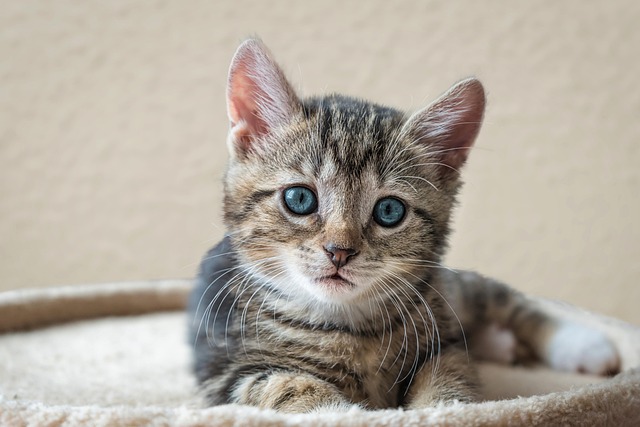
Many cat breeds are widely loved due to their distinctive features and temperaments. The Siamese is known for its striking blue eyes and vocal personality, while the Maine Coon stands out with its large size and long, flowing fur. Short-haired breeds like the British Shorthair are easy to groom and often enjoy calm household environments. Knowing a cat’s breed characteristics can help match a cat to the owner’s lifestyle. It also prepares the owner for potential behavioral quirks or health needs.
Some cats, like the Bengal, have a wild appearance but are affectionate pets. Others, like the Persian, need regular grooming due to their dense coats, while hairless breeds such as the Sphynx require skin care and warmth. Mixed-breed cats offer combinations of traits and personalities, so considering both breed and individual characteristics helps choose a companion.
Factors Affecting the Number of Breeds
The exact number of cat breeds can change over time due to breeding programs and new breed recognition. Some breeds emerge through selective breeding, while others develop naturally in specific regions. Health considerations, genetics, and temperament play significant roles in whether a breed is recognized officially. Rare breeds may exist in small populations and may take years to gain recognition. Understanding these factors explains why numbers vary between organizations.
Geography also influences breed recognition. Certain breeds are native to specific countries, such as the Norwegian Forest Cat or the Japanese Bobtail. Some breeds are recognized internationally, while others are region-specific. Breed popularity can affect conservation efforts, with rare breeds receiving greater focus. Awareness of these factors helps prospective owners make informed choices about which cat to adopt or purchase.
Caring for Different Cat Breeds
Each cat breed has unique care requirements, influenced by coat type, activity level, and health predispositions. Long-haired cats may require daily grooming to prevent matting, while short-haired breeds need less maintenance. Active breeds, such as the Abyssinian, benefit from toys, climbing structures, and interactive playtime. Health predispositions, such as heart disease in Maine Coons, require regular veterinary check-ups. Understanding these needs ensures that owners provide the best environment for their cats.
Feed your cat a balanced diet, high in protein, vitamins, and minerals. Some breeds need special diets due to allergies or digestive issues. Keep your cat active and engaged to prevent boredom and behavioral issues. Meeting these care needs lets cats live long and healthy lives.
Adopting a cat involves researching both breed traits and personality. Spending time with a cat before adoption reveals compatibility. Some cats thrive in quiet environments, while others enjoy active homes. Informed decisions ensure a rewarding match.
The world of cats is vast and fascinating, with many breeds offering unique qualities and personalities. From widely recognized breeds to rare types, each cat has its own charm and specific care needs. Learning about breed characteristics, recognition standards, and environmental requirements helps potential owners choose the best cat for their home. Exploring this diversity helps people appreciate the beauty and complexity of feline companions.