Bichon Frise Dog
Apr
How Much Is a Bichon Frise Dog? A Complete Guide

What I’ve Seen as a Small-Breed Breeder and Groomer

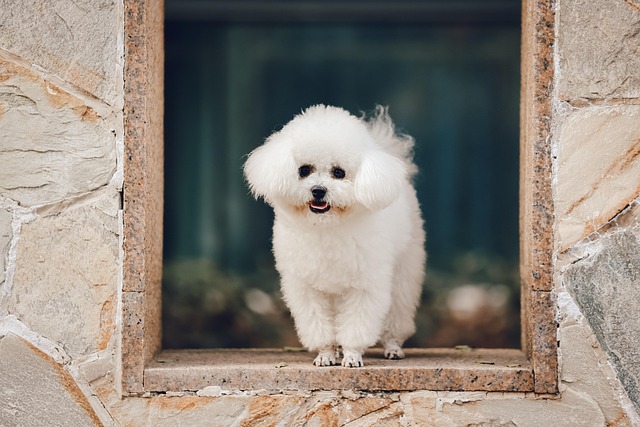
After more than a decade working with small companion breeds—breeding at times, grooming often, and guiding newcomers—I’ve learned the Bichon Frise captivates at first sight. With their cloud-like looks and soft nature, they charm everyone. But when it comes to their true cost—both upfront and ongoing—most people’s expectations clash with reality.

The Purchase Price: What You’ll Actually Pay

In my experience, most people expect a neat, fixed number. That’s not how it works.

A well-bred Bichon Frise puppy typically costs anywhere from the equivalent of several hundred to a few thousand US dollars, depending on where you’re buying and what you’re getting. Locally here in Pakistan, I’ve seen puppies go for much less—but there’s usually a reason.

I remember a client who bought a “cheap” Bichon from a roadside seller. The dog looked fine at first glance, fluffy and playful. Within a few weeks, though, the coat texture changed, and by six months, it was clear the dog wasn’t a purebred. That situation comes up more often than people realize.

Reputable breeders charge more because:

  • They test for genetic issues.
  • They raise puppies in controlled environments.
  • They invest in proper nutrition and early socialization.

That extra upfront cost often saves you from headaches later.

Imported vs Local Dogs: A Real Price Gap

One thing I’ve learned over the years is that price jumps significantly when people insist on imported bloodlines.

A customer brought in a Bichon from Eastern Europe last spring. By the time the dog arrived—after paperwork, shipping, and vaccinations—the cost had multiplied several times over what a local puppy would have been.

Was the dog beautiful? Absolutely. But I’ve seen equally healthy, well-tempered dogs from smaller, ethical breeders locally at a fraction of the cost.

If you’re not planning to show the dog, paying a premium for import status often doesn’t add much practical value.
Bichon Frise Dog

The Hidden Costs Most People Ignore

The purchase price is just the beginning. Honestly, this is where most first-time owners get caught off guard.

The Bichon Frise is a high-maintenance breed in ways people don’t expect.

Take grooming, for example. I’ve had regular clients who bring their Bichons every 4–6 weeks without fail. If you skip that schedule, the coat mats quickly, and removing those mats isn’t pleasant for the dog—or cheap for the owner.

One case I remember clearly: a family delayed grooming for a couple of months to save money. By the time they came in, the coat was so tangled we had no option but to shave it down completely. They were upset, but there really wasn’t another humane option.

Beyond grooming, you’re looking at:

  • Regular vet visits
  • Quality food (this breed can be sensitive)
  • Dental care (small breeds are prone to issues)

Over time, these costs easily outweigh the initial purchase price.

Are Cheaper Bichons Worth It?

I’ll be direct here: usually not.

Low-priced Bichon Frise puppies often come from backyard breeders or accidental litters. That doesn’t automatically mean the dog will have problems, but the risk is higher.

I’ve seen dogs with:

  • Chronic skin allergies
  • Poor coat quality
  • Behavioral issues from a lack of early socialization

Fixing those problems later can cost far more than buying a properly bred puppy in the first place.

What I Recommend to Most Buyers

If someone asks me how much they should budget, I don’t give them a single number. I tell them to think in terms of overall investment.

Spend more upfront on a healthy, well-raised puppy. Then be realistic about ongoing care—especially grooming.

If your budget is tight, I often suggest considering adoption instead. I’ve met a few rescued Bichons over the years that turned out to be fantastic companions. You may not get the “perfect” puppy experience, but you can end up with a wonderful dog.

Final Thoughts from Experience

The true cost of a Bichon Frise isn’t just upfront; it’s the long-term investment of care and commitment you make after the purchase.

From what I’ve seen, people who focus only on getting the cheapest puppy usually end up spending more—in money, time, and stress. The ones who take their time, ask questions, and invest wisely tend to enjoy the breed the way it’s meant to be enjoyed: cheerful, affectionate, and surprisingly full of personality.
How I Safely Clean a Dog’s Ears (and the Mistakes I See Most Often)

What Vets Say About It

I’ve been working as a small-animal veterinarian for over a decade, and if there’s one routine task dog owners either avoid entirely or do incorrectly, it’s ear cleaning. I understand why. A dog’s ears are sensitive; they don’t always cooperate, and it’s easy to worry you might hurt them.

But I’ve also seen what happens when ears are neglected—or over-cleaned. Both can lead to infections, discomfort, and repeat vet visits that could have been avoided with a better approach at home.

Why Ear Cleaning Isn’t One-Size-Fits-All

Not every dog needs regular ear cleaning. That’s something I emphasize in the clinic almost daily.

Last year, I treated a Labrador whose owner cleaned his healthy ears every other day, which caused irritation and increased the risk of infection. Conversely, I’ve seen spaniels arrive with heavy debris in their ears because their owners thought their ears cleaned themselves.

Dogs with floppy ears, allergies, or a history of infections tend to need routine cleaning. Others may need it less often.

What I Use in My Own Practice

I’m particular about what goes into a dog’s ears. I stick to veterinary-approved ear cleaning solutions—never water, alcohol, or hydrogen peroxide. Those home remedies come up surprisingly often, and they almost always make things worse.

A client tried diluted vinegar after reading about it online, which left the dog’s ear canal inflamed and painful. We had to treat the irritation before cleaning could continue.

A proper ear cleaner is designed to break down earwax, remove excess moisture, and maintain the proper pH. That balance matters more than most people realize.

How I Actually Clean a Dog’s Ears

When I clean ears—whether in the clinic or guiding an owner—I keep the process simple and calm.

First, I make sure the dog is relaxed. Trying to clean a dog’s ears when it’s anxious or resisting usually results in incomplete cleaning or accidental injury. I’ve had better results when owners do this after a walk or during a quiet moment at home.

I gently lift the ear flap and look inside. If I see redness, swelling, or a strong odor, I stop. That’s not a cleaning situation—that’s a vet visit.

If everything looks normal, I fill the ear canal with the cleaning solution. This part surprises people—they often use too little of it. You want enough liquid to actually flush debris.

Then I massage the base of the ear for about 20–30 seconds. You’ll usually hear a squishing sound, which is exactly what you want. It means the solution is moving through the canal.

After that, I let the dog shake its head. This step does more cleaning than people expect. Finally, I wipe away the loosened debris from the outer ear using cotton or gauze.

I never use cotton swabs inside the ear canal. I’ve removed more than a few broken swab tips over the years, and they can push debris deeper or even damage the ear.

Safely Clean a Dog’s Ears

A Situation That Changed How I Explain This

A client with a German Shepherd thought she was cleaning properly, but used little solution and skipped the massage. After I showed her the steps, infections decreased.

Once I demonstrated the full process and had her try it in the clinic, the difference was immediate. Over the next few months, the dog’s infections dropped significantly.

That’s when I realized most people aren’t doing it wrong on purpose—they’ve just never been shown what effective cleaning actually looks like.

Common Mistakes I See Again and Again

Over time, a few patterns stand out:

  • Cleaning too frequently, which irritates the ear canal
  • Using the wrong substances, especially household liquids
  • Skipping the massage step, so debris never loosens
  • Stopping too soon because the dog resists
  • Ignoring early signs of infection and continuing to clean anyway

Each of these can turn a simple routine into a bigger problem.

When I Tell Owners Not to Clean

There are times I advise owners to leave the ears alone completely.

If a dog is scratching excessively, shaking its head, or has discharge that looks thick or smells foul, cleaning can actually worsen the condition. In those cases, I prefer to examine the ear first, sometimes take a sample, and prescribe the right treatment.

I’ve seen well-meaning owners clean infected ears daily, thinking they’re helping, only to delay proper care.

What Consistency Looks Like in Real Life

For most dogs that need it, cleaning once every couple of weeks is enough. For dogs prone to infections, I may recommend weekly cleaning—but only after the ears are healthy again.

One client I worked with made it part of her Sunday routine with her cocker spaniel. Nothing elaborate—just a calm, consistent habit. That dog went from frequent infections to almost none over the next year.

That kind of consistency matters more than perfection.

Final Thoughts From Experience

Cleaning a dog’s ears safely isn’t complicated, but it does require the right technique and a bit of patience. Most problems I see aren’t because owners don’t care—they just haven’t been shown the nuances.

To sum up, the key points for safe and effective dog ear cleaning are: not every dog needs frequent cleaning; use only veterinary-approved cleaners; keep the process calm and gentle; never use cotton swabs inside the ear; and always check for signs of infection before cleaning. Consistency in following proper technique matters more than frequency. These steps can prevent the most common problems and keep your dog comfortable.

Leonberger Dogs and Their Drooling Habits
Apr
Facts About Leonberger Dogs and Their Drooling Habits

A Veterinarian’s Complete Guide

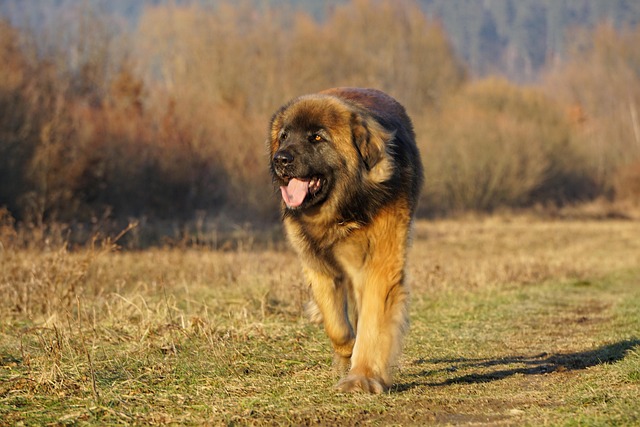
After fifteen years as a professional groomer specializing in giant breeds, I have seen every possible variation of canine mess. I have spent countless hours scrubbed down in waterproof aprons, dealing with the unique challenges of Newfoundlands, Saint Bernards, and, of course, the Leonberger. When people come to me considering a Leo, they usually ask about the hair. I tell them the hair is manageable, but we need to talk about the “wetness factor.”

The short answer is that Leonbergers are not “dry-mouthed” dogs, but they aren’t the constant faucets that Saint Bernards are either. In my shop, I categorize them as situational droolers.

The Anatomy of the Mess

The reason some giant breeds drool more than others comes down to the “flews”—the technical term for those hanging upper lips. If a dog has very loose, heavy flews that hang well below the lower jaw, gravity does most of the work, and the saliva just pools and spills. Leonbergers generally have tighter lips than a Mastiff or a Bloodhound, but they still have enough of a pocket to collect moisture.

A meticulous client brought her Leonberger every six weeks and was shocked by the “slime trails” after drinking. Leos don’t just sip water—they soak their muzzles and carry off a half-cup in their fur, which leaks out onto carpets as they walk.

When the Floodgates Open

If you live with a Leonberger, you will encounter significant drooling in three specific scenarios.

First, there is the “anticipatory drool.” I’ve watched Leos in my waiting room go from perfectly dry to having long, shimmering “shoestrings” hanging from their mouths the moment I pull a liver treat out of my pocket. It is a biological response you cannot train away.

Second, heat is a major factor. Because these dogs have such a massive double coat, they rely heavily on panting to cool down. In the humid summers here, I see Leos come into the shop literally dripping. When the tongue is out and the dog is heaving for air, the saliva production ramps up, and the lip structure simply can’t contain it.

Finally, there is the “shake.” This is the one that catches new owners off guard. A Leonberger might have a small amount of saliva in its mouth, but when it shakes its head, centrifugal force takes over. I’ve had to wipe drool off the ceiling of my grooming van more times than I care to admit.

Leonberger Dogs and Their Drooling Habits

Real-World Management

I often tell prospective owners that if they aren’t comfortable with a bit of “slime” on their trousers, they should look at a different breed. However, there are ways to mitigate the mess that I’ve seen work for my long-term clients:

  • The “Bib” Strategy: Many of my regulars keep a hand towel draped over the water bowl station. They’ve trained their dogs to wait for a quick muzzle wipe after drinking. It sounds tedious, but it saves the furniture.
  • The Sanitary Trim: When I groom a Leo, I trim the hair around the lips and the “feathers” on the bottom of the jaw quite short. This doesn’t stop the drool, but it stops the hair from acting like a saturated sponge that holds the moisture against the skin, which can lead to “hot spots” or a sour smell.
  • Strategic Rug Placement: I always advise against putting the water bowl on hardwood or tile near a high-traffic area. I had one client who learned this the hard way after a family member slipped on a “drool slick” and ended up in physical therapy for a twisted knee.

The Professional Verdict

In my professional opinion, the Leonberger is a “moderate” drooler. You won’t need to wear a raincoat in your own home, but you will find dried white spots on your dark furniture and the occasional damp patch on your jeans.

I once had a gentleman come in with a young Leo, complaining that the dog was “broken” because he was so messy. It turned out he was feeding the dog scraps from the table, keeping the dog in a state of constant, salivating expectation. Once he stopped the table-side treats and I gave the dog a proper, tight trim around the mouth, the “drool problem” became a non-issue. It’s all about setting your expectations and understanding that with a dog of this size, everything—including the bodily fluids—is just a little bit bigger.

Can Cats Have Walnuts
Apr
Can Cats Have Walnuts? A Veterinarian’s Perspective

As a licensed veterinarian practicing in Texas for over a decade, I’ve seen countless pet owners offer their cats human foods without realizing the potential risks. One question I hear surprisingly often is whether cats can safely eat walnuts. I want to share what I’ve learned from both research and hands-on experience in my clinic.

Why Cats and Walnuts Don’t Mix Well

Cats are obligate carnivores, meaning their digestive systems are designed to process meat, not nuts or other plant-based foods. While walnuts are healthy for humans due to their omega-3 fats and antioxidants, they can pose several risks for cats.

In my experience, the most common problem I’ve seen is gastrointestinal upset. I once treated a two-year-old domestic shorthair who had snuck a few walnut halves off the kitchen counter. Within hours, she was vomiting and had diarrhea. While she recovered quickly after supportive care, it was a clear example of how a seemingly small treatment can cause significant discomfort.

Another concern is choking. Cats are small animals, and walnuts are hard and irregularly shaped. I recall a client whose cat swallowed a whole walnut, leading to a stressful emergency visit. Luckily, we managed the situation without surgery, but it highlighted the physical dangers of feeding nuts to cats.

The Risk of Toxins

Walnuts themselves aren’t inherently toxic in the same way that chocolate or grapes are, but they can harbor mold that produces mycotoxins. In my practice, I’ve seen two cases of cats ingesting old or moldy walnuts that developed tremors and lethargy. These mycotoxins can affect the nervous system, which is especially dangerous in smaller pets like cats.

Even fresh walnuts can cause pancreatitis if consumed in larger quantities. I treated a Maine Coon once whose owner offered a few walnut pieces as a treat. The cat didn’t show immediate symptoms but developed a painful bout of pancreatitis two days later. From that experience, I strongly advise against intentionally feeding walnuts to cats, even in small amounts.

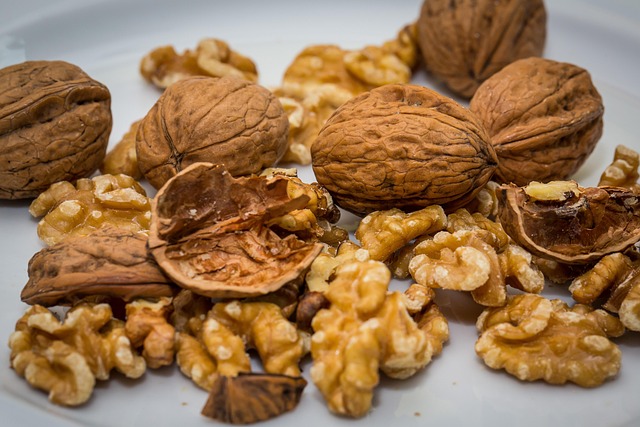
Can Cats Have Walnuts

Safe Alternatives

If you want to give your cat a crunchy treat, there are safer options. I usually recommend specially formulated cat treats, freeze-dried meat bites, or even small pieces of cooked chicken. These alternatives satisfy the desire to nibble without risking gastrointestinal distress or exposure to toxins.

One practical example comes to mind: a family had been giving their cat pecans and walnuts over several weeks. The cat started showing lethargy and reduced appetite. Switching to freeze-dried salmon treats resolved the issue within a few days, and the cat was happier and healthier.

When Accidental Ingestion Happens

Accidents do happen, and I’ve had several patients eat nuts they weren’t supposed to. If your cat nibbles on a walnut, watch for vomiting, diarrhea, lethargy, tremors, or changes in appetite. Small amounts of fresh walnuts might not cause serious harm, but it’s always better to err on the side of caution and call your veterinarian immediately.

I keep a small checklist in my clinic for nut ingestion cases, which helps me quickly evaluate the severity: the type of nut, how much was consumed, whether it was moldy, and the cat’s size and medical history. This practical approach has helped me prevent serious complications on multiple occasions.

Bottom Line

From my perspective as a veterinarian, walnuts are not a suitable snack for cats. Even in tiny amounts, they can lead to gastrointestinal upset, pose a choking hazard, and occasionally introduce harmful toxins. Observing a cat’s natural dietary needs and offering safe alternatives is the best way to keep them healthy and happy.

I’ve seen firsthand how a simple treat intended as a gesture of love can lead to an emergency visit. Protecting your cat means understanding which human foods are off-limits—and walnuts clearly fall into that category.

Cat's Nose
Apr
Mastering the Mysteries of a Cat’s Nose: Expert Insights

Insights from a Practicing Veterinarian

As a licensed veterinarian practicing in Texas for over a decade, I’ve seen countless cat owners worry about their pets’ noses. One of the most common concerns is whether a cat’s wet nose is healthy or a sign of trouble. In my experience, understanding the nuances of a cat’s nasal moisture can help you spot problems early and give your feline friend the care they need.

Why Cats Have Wet Noses

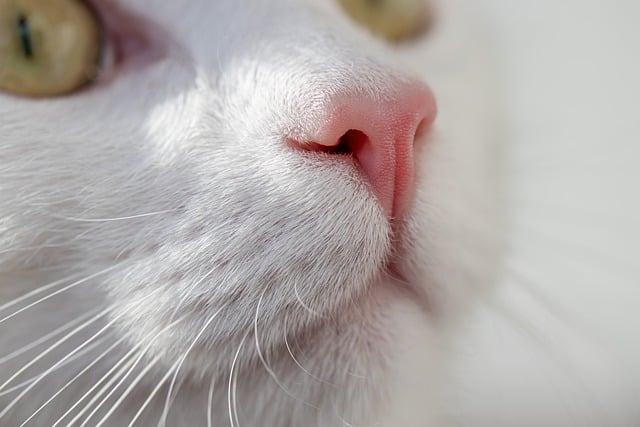
Cats naturally have moist noses. The moisture helps them detect scents more effectively by trapping tiny scent particles from the environment. I often explain this to pet owners during routine checkups, especially to first-time cat owners who panic when their cat’s nose seems damp. For example, a customer last spring was convinced her kitten was sick because of a constantly wet nose. After examining the cat and checking for other signs of illness, I reassured her that a moist nose alone is usually normal.

What a Healthy Wet Nose Looks Like

A healthy cat’s nose is cool to the touch and slightly damp, though moisture levels can fluctuate throughout the day. I’ve observed that a cat’s nose may feel dry when they’ve been sleeping for a while, especially in warm weather. Conversely, after a playful romp around the house or a grooming session, it can become wetter than usual. I remember a case where a senior cat’s nose was noticeably wetter after running around the yard—there was no illness involved, just natural moisture from activity.

It’s not just about wetness, though; color and texture matter. A healthy nose is typically pink, black, or spotted, depending on the cat’s breed and pigmentation. Any cracking, bleeding, or unusual discharge can signal a health issue.

Cat's Nose

When Wetness Becomes a Concern

While most wet noses are harmless, moisture can sometimes indicate a problem. Persistent, excessively runny noses—especially if accompanied by sneezing, coughing, or lethargy—can point to respiratory infections, allergies, or dental problems. I’ve treated cats with chronic nasal discharge caused by dental abscesses, which often went unnoticed until the owners sought help for the wet nose.

Another situation I’ve encountered involves cats with sudden changes in nose moisture. One of my patients, a middle-aged indoor cat, developed a wet, sticky nose overnight. Upon examination, the cat was found to have inhaled a minor irritant from the litter, resulting in temporary inflammation. After a few days of supportive care, the nose returned to normal.

Common Mistakes Cat Owners Make

Many owners assume a wet nose always signals illness—or that a dry nose is automatically a problem. In practice, I’ve found that these assumptions can lead to unnecessary stress and even unnecessary veterinary visits. For instance, I once had an owner bring in their cat, thinking a slightly dry nose meant dehydration. A quick check revealed the cat was perfectly hydrated; it had simply been resting in a warm sunbeam.

Another mistake is over-cleaning. Some owners frequently attempt to wipe the moisture away. While gentle cleaning is fine, excessive wiping can irritate the skin and even introduce bacteria. I recommend letting the nose maintain its natural moisture while keeping an eye out for changes in texture, color, or discharge.

Supporting a Healthy Nose

You can support your cat’s nasal health by maintaining a clean environment, offering plenty of fresh water, and monitoring their overall well-being. In multi-cat households, I’ve noticed that keeping litter boxes and food areas clean helps prevent respiratory irritations that might lead to abnormal nasal wetness. Proper nutrition also plays a role; cats with balanced diets tend to have healthier skin and mucous membranes, including their noses.

Final Thoughts

A wet nose in a cat is usually normal and often a sign of good health. The key is to watch for changes in color or texture, or for excessive discharge. From my experience as a veterinarian, understanding your cat’s usual patterns and being attentive to deviations is far more important than focusing solely on moisture. If you ever notice persistent changes alongside other symptoms, it’s always worth a professional evaluation.

A cat’s nose may be small, but it tells a big story about their health—and with careful observation, you can keep your feline friend comfortable and thriving.