A Guide to Caring for Various Tabby Cat Breeds
Tabby cats are among the most recognizable and beloved domestic cats in the world. Their distinctive coat patterns and markings make them stand out from other cats. Tabby cats are not a single breed but rather a coat pattern that can appear in many breeds.
These patterns are a mix of stripes, swirls, and spots, often accompanied by a characteristic “M”- shaped mark on the forehead. Understanding the different types of tabby cats helps owners appreciate the variety and uniqueness of these feline companions.
Classic, Mackerel, and Spotted Tabby Patterns
The classic tabby pattern, also called the “blotched” tabby, features wide, swirling markings across the cat’s sides. This pattern can resemble marble cake or flowing lines and is very striking on medium- to large-sized cats. Mackerel tabbies, in contrast, have narrow, parallel stripes running down their sides, resembling the pattern of a fish skeleton. Spotted tabbies have spots of varying sizes scattered across their bodies rather than stripes or swirls. These patterns can appear in any color combination, making each cat truly unique.
If you want to see visual examples and more details about the patterns, resources like different types of tabby cats provide a comprehensive guide. They explain the subtle differences among tabby patterns and offer tips for recognizing them in mixed breeds. Learning these patterns can help cat lovers identify their cat’s specific tabby type more accurately. Observing these variations allows you to appreciate the artistry in every cat’s coat. These guides are especially helpful for breeders and enthusiasts alike.
Spotting and identifying tabby patterns can sometimes be tricky, especially in kittens. Patterns may change slightly as the cat grows, revealing more pronounced markings over time. Tabby cats also exhibit color variations, including brown, gray, orange, and even cream. Understanding these details provides insight into the cat’s genetics and lineage. Noticing subtle differences in patterns can enhance your knowledge of feline aesthetics.
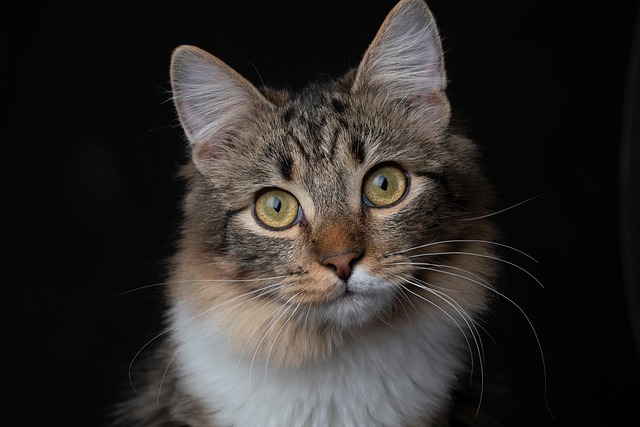
Ticked Tabby and Patched Tabby Variations
Ticked tabbies, also known as agouti tabbies, have individual hairs banded with different colors, giving the overall coat a flecked or salt-and-pepper appearance. Unlike classic, mackerel, or spotted tabbies, ticked tabbies lack distinct striping or spots on the body, though faint markings may appear on the legs or face. Patched tabbies, sometimes called tortie-tabby or torbie, combine any tabby pattern with noticeable patches of another color, often orange or black, on the body. This creates a coat with both tabby markings and blocks of solid color. Both types are easily identified by their unique pattern traits.
Ticked tabbies often appear in breeds like the Abyssinian, which is known for its sleek, uniform coloration. Patched tabbies can appear in both male and female cats, though females are more common due to genetic reasons. These patterns demonstrate the diversity of tabby cats beyond the typical stripes or spots. Observing these cats shows how genetics and coat color interact in complex ways. Owners may notice subtle variations in each cat’s fur that make them one of a kind.
Understanding tabby variations supports good grooming and care. For example, ticked tabby fur may require less brushing to remain smooth. In comparison, patched tabbies—particularly those with long hair—often need more frequent grooming to prevent mats and tangles. Through regular grooming, the coat stays vibrant, and the cat remains comfortable. Consistent care also helps owners spot skin or health concerns early.
Behavior and Personality of Tabby Cats
While tabby cats are primarily distinguished by their coat, many people believe certain patterns are associated with personality traits. Mackerel tabbies are often described as active and curious, while classic tabbies may be more laid-back and affectionate. Spotted tabbies can exhibit playful, adventurous behavior, making them engaging companions. These observations are anecdotal but offer insight into how coat patterns might relate to personality tendencies. Understanding behavior helps owners provide better care and enrichment.
Tabby cats often display intelligence and adaptability. Many enjoy exploring, climbing, and interacting with their environment. Providing toys, scratching posts, and perches supports these instincts. By keeping a tabby mentally stimulated, you help ensure a healthier and happier cat. Watching how each tabby type reacts to stimuli proves fascinating for owners and researchers alike.
Socialization is another key factor in tabby cat behavior. Early interaction with humans and other animals often results in friendlier, more confident cats. Each tabby has its own personality quirks, influenced by genetics and upbringing. Recognizing and appreciating these differences strengthens the human-cat bond. Every tabby, regardless of pattern, offers a unique and loving companionship experience.
Tabby cats are a remarkable and diverse group of felines with a wide range of coat patterns and personalities. Understanding the classic, mackerel, spotted, ticked, and patched varieties helps owners recognize and celebrate their uniqueness. Observing their behavior, grooming needs, and social tendencies enhances appreciation for these cats. With proper care, enrichment, and attention, tabby cats thrive in a loving home, showcasing their beauty and charm every day.