Understanding Why Your Dog Snores So Loud at Night
Many dog owners are surprised when their quiet pet suddenly becomes a loud snorer. The sound can be soft at first, then grow stronger over time. While some snoring is normal, loud or frequent snoring may raise concern. Knowing the reasons behind it can help you decide what to do next.
Common Reasons Dogs Snore
Snoring usually happens when air cannot move freely through the nose or throat. This blockage causes the tissues to vibrate, producing the sound. Dogs with shorter noses often snore more because their airways are narrower. Breeds like pugs and bulldogs are well known for this.
Sleeping position also plays a role. A dog lying on its back may snore louder because the tongue falls backward. Changing position can sometimes reduce the noise. Small changes can make a big difference.
Weight can be another factor. Dogs that are overweight may have extra tissue around the throat. This can restrict airflow and increase snoring. Even a few extra kilograms can affect breathing.
When Snoring Could Signal a Problem
Not all snoring is harmless. Loud or sudden snoring may point to a health issue. Allergies, infections, or nasal blockages can make breathing harder. These conditions often need attention.
If you want to understand why my dog snores so loudly, many veterinary resources explain when snoring is normal and when it may need medical care. These guides often describe warning signs that should not be ignored. Knowing these signs can help you act quickly.
Watch for other symptoms. Coughing, sneezing, or nasal discharge can suggest an infection. Labored breathing during sleep is another warning sign. These changes should not be overlooked.
Sudden snoring in a dog that never snored before can be serious. It may mean something is blocking the airway. This could include a foreign object or swelling. Quick action may be needed.
Breeds More Likely to Snore
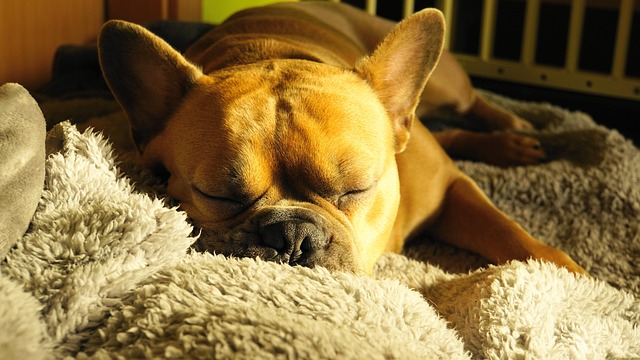
Some dogs are naturally louder sleepers. Brachycephalic breeds, which have short noses, are more prone to snoring. Their facial structure limits airflow. This makes snoring more common.
Examples include bulldogs, pugs, and boxers. These breeds often start snoring at a young age. Their breathing patterns may sound heavy even when awake. This is part of their physical design.
Large dogs can also snore, especially if they gain weight. A dog weighing over 30 kilograms may develop breathing issues if not kept fit. Size alone does not cause snoring, but it can increase airway pressure.
Mixed breeds are not exempt. Any dog can snore depending on its health and habits. Pay attention to changes over time. That is often the key.
Simple Ways to Reduce Snoring
There are a few easy steps you can try at home. Changing your dog’s sleeping position can help reduce snoring. Encourage side sleeping instead of lying on the back. This can open up the airway.
Keeping your dog at a healthy weight is important. Regular exercise and proper feeding can reduce extra fat around the neck. Even a daily 20-minute walk can help. Small efforts add up.
Clean sleeping areas also matter. Dust and allergens in bedding can irritate the nose. Washing your dog’s bed once a week can improve air quality. Fresh air helps too.
Using a humidifier may help in dry environments. Moist air can soothe irritated airways. Some owners notice less snoring after a few nights. Results can vary.
When to Visit the Vet
Some situations require professional help. If your dog struggles to breathe or wakes up gasping, do not ignore it. These signs can indicate serious problems. Immediate care may be needed.
Persistent snoring that gets worse over time should also be checked. A vet may perform tests like X-rays or throat exams. These tests help identify the cause. Early diagnosis improves treatment success.
Dogs with chronic allergies may need medication. This can reduce swelling and improve breathing. In rare cases, surgery might be recommended for severe airway issues. This usually applies to certain breeds.
Trust your judgment. If something feels unusual, seek help. A quick visit can prevent bigger problems later.
Loud snoring in dogs can have simple or serious causes, depending on the situation. Paying attention to changes in sound, behavior, and breathing can help you understand what your dog needs. With the right care and awareness, you can improve your dog’s comfort and enjoy quieter nights together.