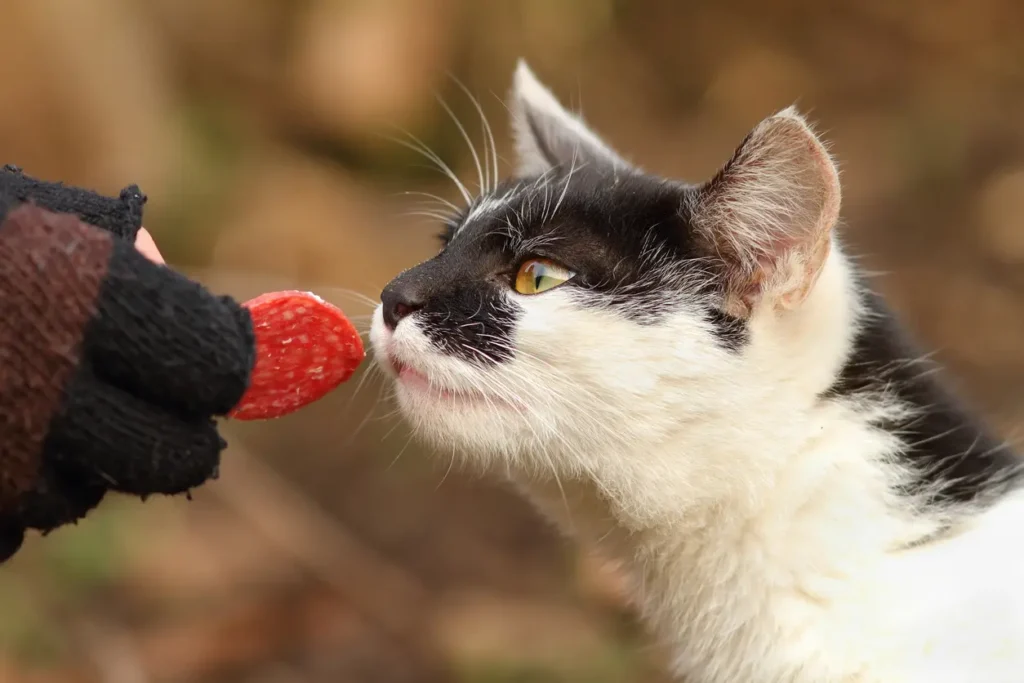
Can Cats Eat Pepperoni Without Health Risks?
Cats are curious creatures that often show interest in human food. Pepperoni, with its strong smell and flavor, can quickly attract a cat’s attention. Many cat owners wonder if sharing a small piece of pepperoni is safe.
Understanding the risks and effects of feeding pepperoni to cats is crucial for their health. Knowing the nutritional content and potential hazards helps in making informed decisions for your feline friend.
Why Pepperoni May Not Be Safe for Cats
Pepperoni poses several risks to cats, mainly due to its high levels of salt and fat, which can quickly overwhelm a cat’s system. Cats are not equipped to process processed meats like pepperoni, which often causes digestive upset such as vomiting or diarrhea, even after a single small piece. More serious risks include sodium ion poisoning, where excess salt can lead to symptoms like tremors and seizures, as well as the potential for long-term issues like obesity or pancreatitis. Even a tiny portion often contains more salt than a cat’s recommended daily intake, putting their health in immediate danger.
For those looking for reliable information about feline diets, resources like can cats eat pepperoni offer detailed guidance. This source explains the potential dangers and helps cat owners understand which foods are safe and which are not. It also offers alternatives that satisfy a cat’s protein cravings without endangering their health. Using such resources can prevent accidental poisoning and maintain your cat’s well-being.
Additionally, cats have specific dietary needs that processed foods cannot meet. Pepperoni lacks essential vitamins and nutrients required for feline health. Cats require taurine, an amino acid vital for heart and eye health, which pepperoni does not provide in sufficient amounts. Feeding cats foods like this too frequently can disrupt their balanced diet. It is always safer to stick to cat-formulated foods or veterinarian-approved treats.
Signs of Pepperoni-Related Health Issues
If a cat eats pepperoni, owners should watch for signs of illness. Vomiting, diarrhea, or lethargy are common reactions. Excessive thirst or urination can indicate high salt intake. Some cats may develop abdominal pain or discomfort within a few hours. Monitoring your cat closely after they consume human food helps detect problems early and prevent serious complications.
Severe reactions can occur, particularly in cats with pre-existing conditions such as kidney disease or obesity. The most critical risks from eating pepperoni include salt toxicity, which may cause tremors, seizures, or rapid breathing, especially if a cat consumes too much. Additional dangers for sensitive cats include dehydration and organ strain due to elevated sodium. Cats with digestive problems face a higher chance of severe discomfort or ongoing gastrointestinal issues. If a cat exhibits any of these serious symptoms, seek immediate veterinary care. Watch for changes in behavior, appetite, or physical symptoms to catch issues promptly.
Preventing problems is always better than treating them. Keeping pepperoni out of reach and educating household members about the risks helps maintain a safe environment. Even tiny scraps left on counters or tables can tempt cats. Cats are agile and persistent when food is involved, so vigilance is necessary. Creating a cat-safe kitchen ensures their health is not compromised by human snacks.
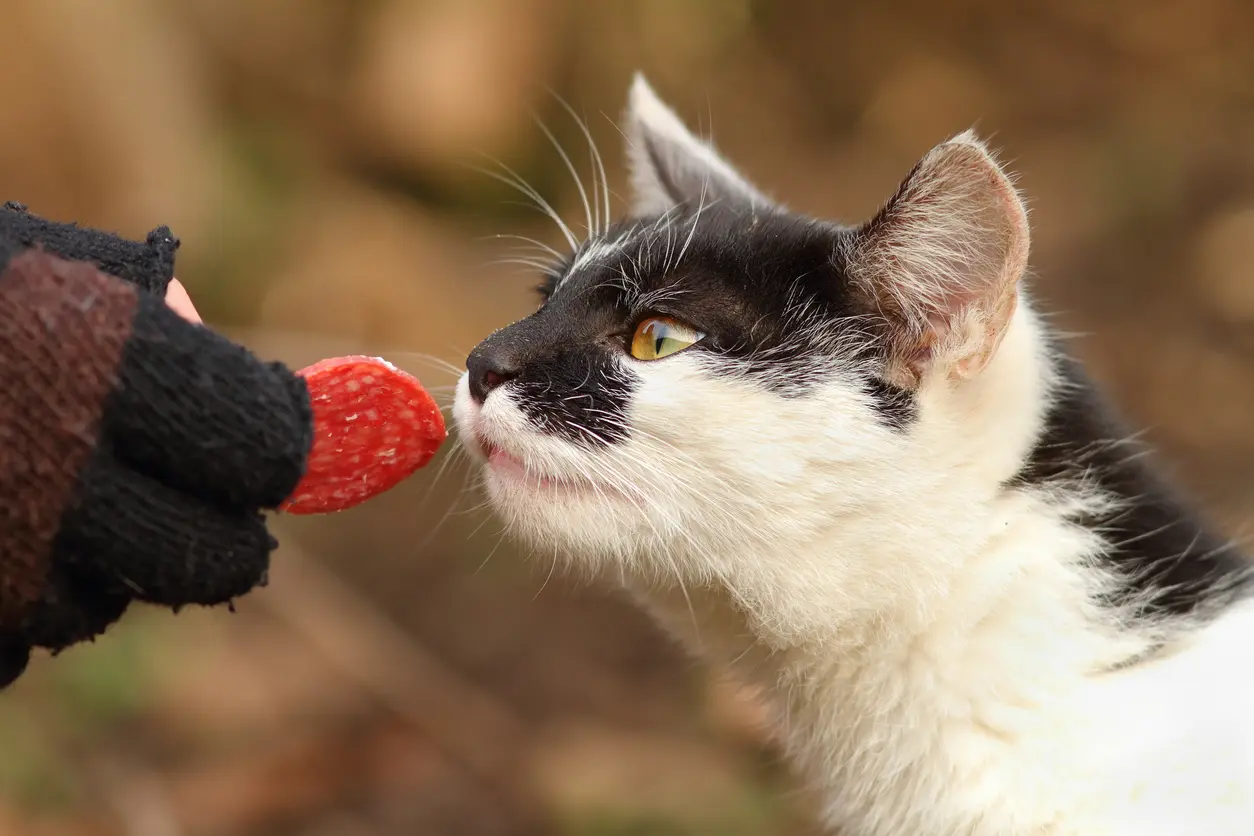
Safe Alternatives to Pepperoni for Cats
There are plenty of safe treats that cats can enjoy without risking their health. High-quality cat treats, freeze-dried meat, or small portions of cooked chicken or turkey are good options. These foods provide protein and nutrients that support a cat’s overall well-being. Avoid seasoning or processed foods that may contain additives, salt, or harmful spices. These alternatives satisfy a cat’s curiosity while keeping them healthy.
Some cats enjoy interactive feeding toys that dispense treats slowly. This method encourages mental stimulation and exercise. It also mimics natural hunting behaviors, which can be very rewarding for indoor cats. Feeding a balanced diet along with these enrichment tools promotes long-term health and happiness. Owners who adopt these practices often notice fewer digestive problems and a more active, content cat.
When introducing new foods, always start with very small amounts. Watch for any signs of intolerance or allergic reactions. Gradual introduction helps your cat adjust and allows you to monitor their reaction safely. Maintaining a proper feeding schedule ensures that treats do not replace essential meals. A consistent routine and careful food selection can help prevent many common dietary problems in cats.
The Role of Moderation in Treats
Even safe treats should be given in moderation to prevent overfeeding and nutritional imbalance. Cats have small stomachs, so too many treats can fill them up and reduce their appetite for nutritious meals. A general guideline is that treats should not exceed 10% of a cat’s daily caloric intake. Overindulgence can lead to obesity, diabetes, and other health concerns. Proper portion control is essential for maintaining a healthy weight and long-term well-being.
Moderation also helps maintain dental health. Excessive treats, especially sticky or sugary ones, can contribute to plaque buildup and tooth decay. Providing a balanced diet with appropriate treats supports both physical and oral health. Regular checkups with a veterinarian ensure that your cat remains at a healthy weight and receives guidance on treating portions. Combining moderation with healthy options ensures your cat enjoys treats safely.
Owners should also consider the type of treat and its ingredients. Natural, protein-rich treats are preferable over processed or flavored snacks. Ingredients should be simple, with minimal additives and preservatives. Treats that mimic natural prey, such as freeze-dried fish or poultry, are ideal. They satisfy your cat’s instincts while supporting digestive and overall health. Making informed choices keeps cats happy and healthy without unnecessary risks.
Cats are curious about human foods, but not all foods are safe. Pepperoni, with its high salt and fat content, poses serious health risks. Safe alternatives and proper moderation can satisfy your cat’s appetite and curiosity without endangering their wellbeing. Paying attention to diet, observing health changes, and choosing appropriate treats help maintain a long, healthy life for your feline companion. Providing balanced nutrition ensures that your cat thrives both physically and emotionally.
Final Words
Understanding your cat’s dietary needs is key to their health and happiness. Observing reactions to new foods and choosing appropriate treats can prevent illness and support a strong bond. Careful feeding habits create a safe environment while allowing your cat to enjoy occasional treats. By prioritizing health and safety, cat owners help their pets live long, joyful lives.