What Are the Best Practices for Pet Dental Care?
After more than a decade as a small-animal veterinarian, I see dental disease in dogs and cats more than almost any other problem. Many owners think bad breath is normal, but it’s often the first sign of dental disease.
I’ve treated many pets with painful infections, broken teeth, and advanced gum disease that simple home habits could have prevented. Dental health isn’t just about clean teeth—poor oral health can affect the heart, kidneys, and overall quality of life.
Most dental problems in pets develop slowly. As you continue reading, you’ll learn what to look for and how owners can prevent these issues.
Bad Breath Is Usually a Warning Sign
One of the first things clients mention during appointments is their pet’s breath. Someone will laugh and say, “I know dog breath isn’t supposed to smell great.”
Truly foul breath almost always means dental disease.
I remember examining a middle-aged Labrador who had been brought in for routine vaccines. As soon as the dog opened his mouth, the smell was overwhelming. The owner had assumed it was normal for years. When I examined his teeth more closely, several were loose, and his gums were badly inflamed. He eventually needed multiple extractions.
Healthy pet breath might smell like food, but it should not be strong, sour, or rotten.
Start Dental Care Earlier Than You Think
A common mistake is waiting until a pet is older to start dental care. By then, plaque has usually hardened into tartar, which only professional cleaning can remove.
The best time to start dental care is when pets are young.
Puppies and kittens adapt quickly to tooth brushing. Many clients tell me their pets enjoy the routine once they connect it with attention and rewards.
A family I worked with adopted a kitten who tolerated handling well. I advised brushing her teeth several times a week while she was small. Years later, her teeth were some of the healthiest I’d seen. The owner joked that brushing was now part of their nightly routine.
Early dental habits matter.
Brushing Your Pet’s Teeth Actually Works
Brushing is the most effective way to prevent dental disease in pets. Many owners areskeptical, especially if they’ve never tried it.
Keep it simple.
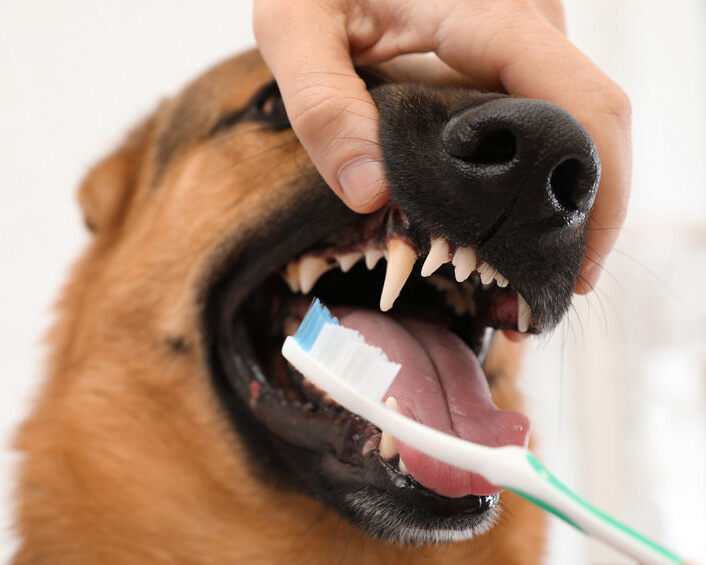
Use a soft toothbrush or a pet finger brush, along with veterinary toothpaste. Human toothpaste isn’t safe for animals because it often contains ingredients they shouldn’t swallow.
Most pets don’t need a full 2-minute brushing as people do. Even gently brushing the outer tooth surfaces for half a minute several times a week can significantly reduce plaque buildup. usually tell owners to focus on consistency rather than perfection. A quick brush three or four times a week is far better than an occasional long session.
Dental Chews Can Help — But They’re Not a Substitute
Dental chews and treatshelp, but they’re often misunderstood.
Many dental products are just flavored snacks. Effective chews have a texture that encourages chewing and mild abrasion. I’ve seen noticeable improvements in some dogs who regularly chew approved dental products. One client with a small terrier told me she started giving him a daily dental chew after a cleaning. At his next visit, the tartar buildup was noticeably slower than before.
ThChews work best as part of a routine. They don’t replace brushing or professional cleanings. Pay Attention to Small Changes in Eating Habits
Pets rarely show obvious dental pain. Instead, they make subtle behavioral changes. A dog that once crunched dry food may start swallowing it whole. A cat may chew on one side of the mouth or drop food occasionally. Some pets become reluctant to play with toys they once carried proudly.
One case that stands out involved an older cat whose owner thought she had simply become picky with food. During the exam, I discovered a severe tooth root infection that was likely causing significant pain. After the affected tooth was removed, the owner told me the cat returned to eating normally within days.
Early changes in eating behavior are often the first clues that something is wrong.t.
Professional Cleanings Are Sometimes Necessary
Even with great home care, many pets will eventually need professional dental cleanings. During these procedures, pets are anesthetized so veterinarians can remove tartar, polish teeth, and check beneath the gumline. This last step is important since many problems develop out of sight. Some owners worry about anesthesia, especially for older pets. Modern veterinary anesthesia is carefully monitored, and untreated dental infections pose their own health risks. I’ve seen pets become noticeably more energetic and comfortable after dental procedures. Chronic mouth pain can quietly affect an animal until it’s treated. Common Mistakes Pet Owners Make
Certain patterns recur during dental exams.
One of the most common mistakes is assuming dry food cleans teeth. While kibble creates some friction, it doesn’t prevent plaque buildup as effectively as brushing does.
Ignoring gum redness is another problem. Healthy gumsarek pink and firm. Red, swollen gums mean inflammation has started.
Sometimes, pets get very hard chews, like bones or antlers, which can fracture teeth. I’ve treated several dogs with broken molars from hard chews. Repairs often require extraction or specialized dental procedures. Simple Habits Make the Biggest Difference
Most dental disease in pets develops slowly. Owners seldom notice it until the problem is severe. The healthiest pets often belong to owners who brush regularly, notice changes in breath or eating, and schedule dental checkups during routine visits. Preventing dental disease is easier than treating it. A few minutes of weekly care can prevent discomfort later in life for pets. Pets with healthy mouths stay happier, more active, and comfortable into their senior years.