What Are the Unique Colors of Himalayan Cats?
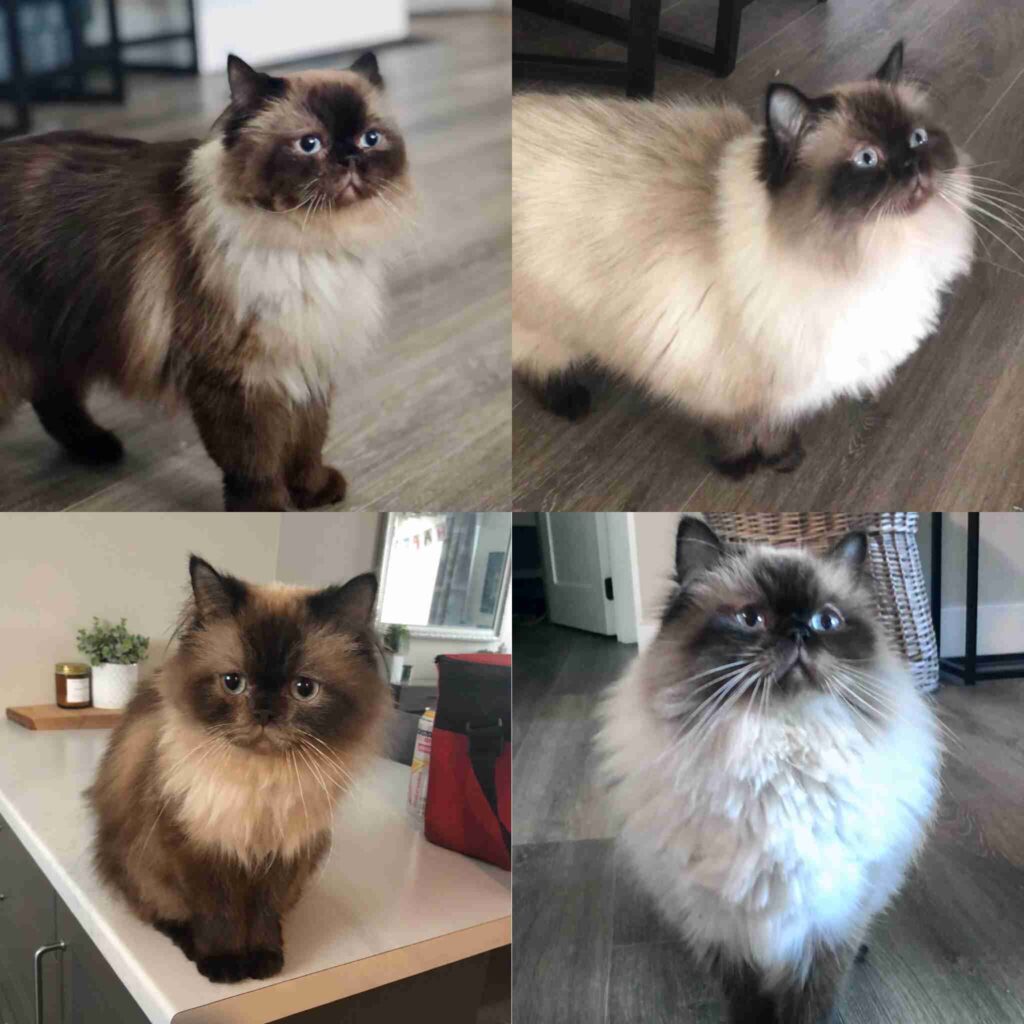
Himalayan cats are famous for their luxurious coats and striking blue eyes. Their color patterns are among the most distinct in the feline world. These cats are a cross between the Persian and Siamese breeds, combining long fur with color-point patterns. The contrast between their body color and points makes them visually stunning. Exploring Himalayan cat colors helps owners and enthusiasts appreciate their beauty and variety.
Seal, Chocolate, and Blue Point Variations
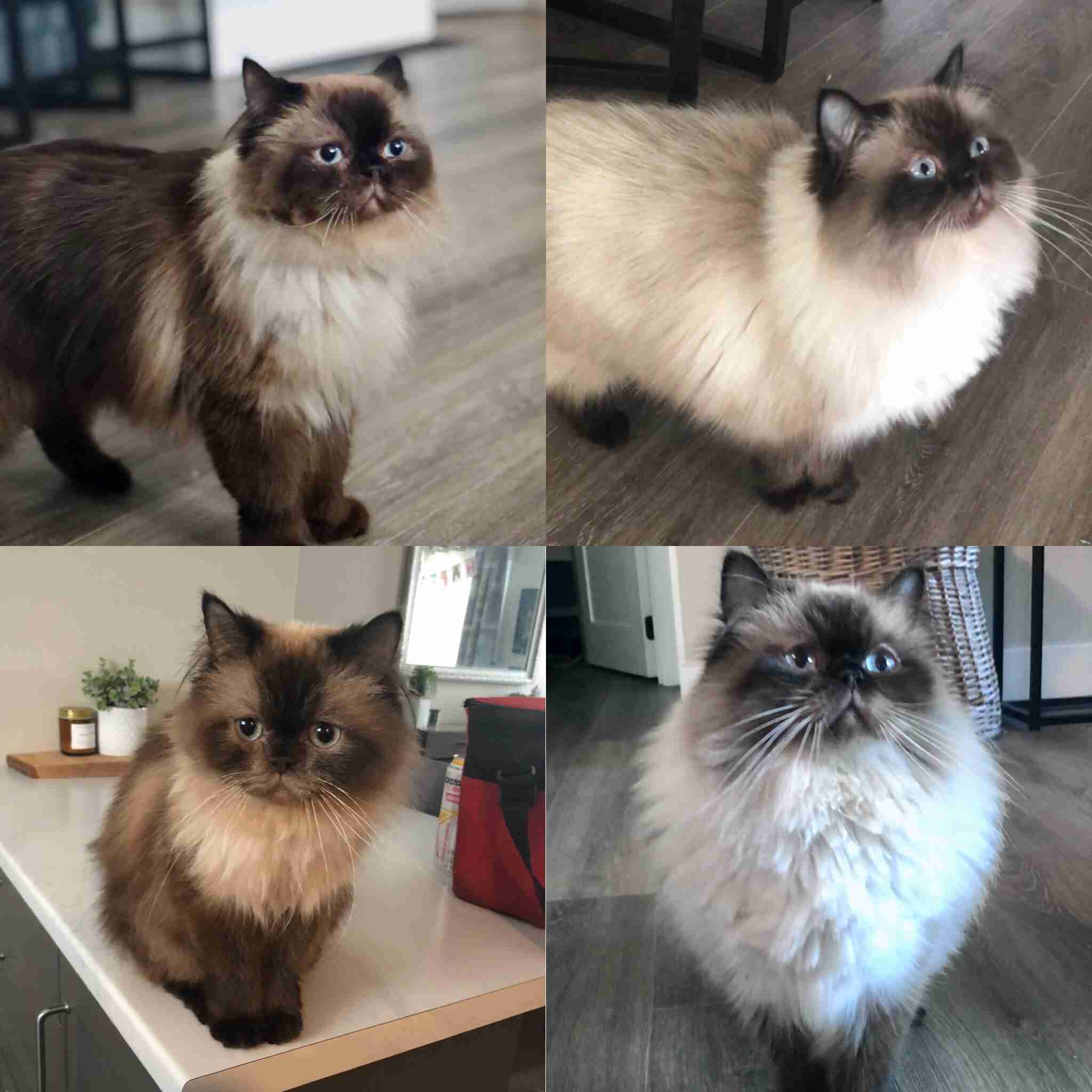
Seal point Himalayans are the most recognized, featuring dark brown points on the ears, face, paws, and tail. Their bodies are usually a creamy ivory color, which highlights the contrast beautifully. Chocolate-point Himalayans have softer brown shades, giving a warmer, subtler appearance than seal-point Himalayans. Blue point Himalayans show bluish-gray points that contrast delicately with their lighter bodies. These colors are genetically determined and are consistent throughout their lives, though they may darken slightly with age.
For a detailed guide to the full spectrum of colors, resources like Himalayan cat colors provide a comprehensive overview. These guides explain the subtle differences between shades and offer tips for accurately identifying each color variation. Understanding these color points is essential for breeders, pet owners, and enthusiasts. Observing color patterns can also give insights into the cat’s health and genetics. Such knowledge enhances both appreciation and care for these beautiful cats.
The intensity of Himalayan color points shifts with temperature, a trait inherited from Siamese lineage. Cooler zones like the ears and tail appear darker, while warmer areas, such as the torso, stay pale. This temperature-sensitive pigmentation renders each Himalayan’s appearance distinctive and ever-changing. Owners may notice their cats’ shades subtly shift between seasons.
Flame, Lilac, and Cream Points
Flame-point Himalayans display reddish-orange markings, creating a lively, eye-catching look. Lilac point cats have soft, grayish-pink points that provide a gentle, elegant contrast. Cream point Himalayans show pale, creamy points that appear almost pastel against their lighter fur. Each of these colors adds variety to the breed and appeals to different aesthetic preferences. These shades are less common but highly sought after by cat enthusiasts.
Breeding for specific colors requires careful planning and understanding of genetics. Flame and cream points arise from certain gene combinations, while rarer lilac points entail higher breeding costs. These variations showcase the diversity within Himalayan cats beyond the traditional seal and blue points. Genetic knowledge helps breeders maintain healthy, vibrant lines. Patience and attention to detail are essential for selecting cats with these colors.
Color also plays a role in how Himalayan cats are shown in competitions. Judges often evaluate the clarity and contrast of the points along with coat texture and eye color. Well-defined points with balanced contrast are highly prized in cat shows. Owners should also consider grooming, as long fur can obscure patterns if left untrimmed. Proper grooming helps highlight each cat’s color and enhances its overall appearance.
Tabby and Tortie Points in Himalayans
Tabby point Himalayans feature stripes or swirls in their points, creating a patterned appearance on the ears, face, paws, and tail. These stripes are usually darker than the main points, adding depth and interest. Tortie-point Himalayans mix shades of red and cream in their points, giving a mottled, lively look. Both tabby and tortie points add complexity to the typical color-point pattern, making each cat unique. These variations are less common, making them highly desirable among collectors and breeders.
Owners often find tabby and tortie point Himalayans more challenging to breed consistently. Genetic factors influence pattern expression, so not all kittens will inherit the desired markings. Observing the parents’ colors and patterns helps predict the offspring’s appearance. Keeping track of lineage and color inheritance is crucial for breeders aiming to maintain or enhance these points. Careful attention ensures the patterns remain distinct and attractive.
These variations also subtly affect personality and behavior. Some owners report that tabby-point cats seem more curious or playful, while tortie-point cats can be more independent or spirited. While these traits are anecdotal, they add to the charm of owning such unique cats. Observing behavior alongside color patterns can deepen the appreciation for each Himalayan cat’s individuality. Each cat tells a story through both appearance and personality.
Himalayan cats showcase a stunning array of color points that reflect their unique genetics and heritage. From classic seal and blue points to rarer flame, lilac, and tortie patterns, these colors enhance the breed’s beauty. Observing and understanding these variations allows owners and breeders to appreciate the subtle differences that make each cat unique. Proper grooming and care ensure that the colors remain vibrant and the cats stay healthy and happy, showcasing their elegance daily.