Are Pansies Safe for Cats
Mar
Are Pansies Safe for Cats? What You Need to Know

A Veterinarian’s Real-World Take

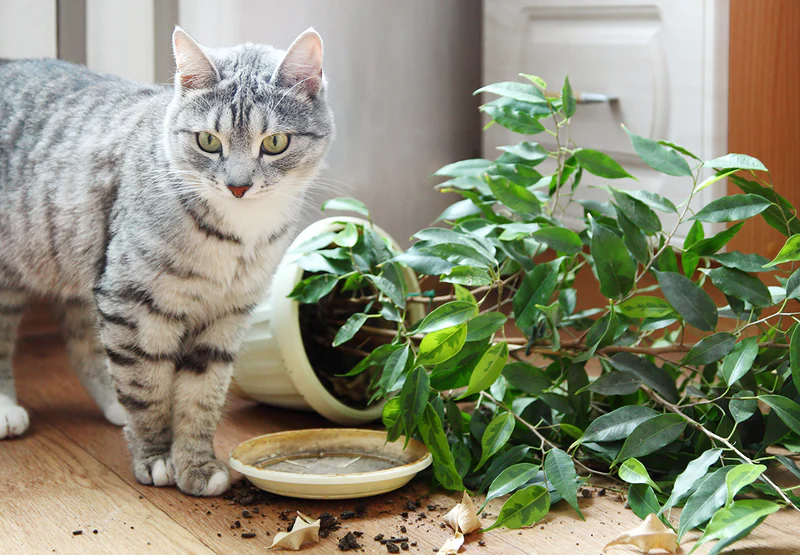
As a practicing small-animal veterinarian, I get a surprising number of questions about garden plants. Most come from cat owners who noticed their pet nibbling on something they probably shouldn’t have. One plant that comes up often in spring is the pansies—those bright, cheerful flowers people plant along walkways and patios.

The short answer is this: pansies are generally considered non-toxic to cats. But as with most things in veterinary medicine, the real answer is a bit more nuanced than a simple yes or no.

What I’ve Seen in Practice

I remember a case from last spring—a young indoor-outdoor cat that had a habit of chewing anything leafy. The owner brought her in after noticing mild drooling and a bit of vomiting. They were worried because she’d been nibbling on newly planted pansies in their yard.

After examining the cat and ruling out more serious causes, I was fairly confident the pansies themselves weren’t toxic. The symptoms were mild and resolved within a day. In situations like this, what I often find is that the issue isn’t the plant’s toxicity—it’s the cat’s digestive system reacting to plant material.

Cats aren’t built to process plants well. Even non-toxic flowers can irritate the stomach.

Why Pansies Are Considered Safe

Pansies belong to the Viola genus, which is widely recognized as non-toxic to cats, dogs, and even humans. In fact, some varieties are used as edible garnishes.

In my experience, I’ve never treated a case of true poisoning caused by pansies alone. That’s not something I can say for many other common garden plants.

However, “non-toxic” doesn’t mean “harmless.”

The Real Risks I Warn Clients About

The bigger concern I share with pet owners isn’t the pansy itself—it’s everything around it.

  1. Pesticides and fertilizers

A few years ago, I treated a cat that had clear signs of toxicity—lethargy, drooling, and tremors. The owner initially blamed their flower bed, which included pansies. It turned out the real culprit was a recently applied pesticide.

This is far more common than people realize. Even “pet-safe” products can cause issues if ingested directly.

  1. Gastrointestinal upset

I’ve seen plenty of cats vomit after chewing on harmless plants. It’s not poisoning—it’s irritation. Some cats are just more sensitive.

  1. Habitual plant chewing

There’s also a behavioral side. Cats that develop a habit of chewing plants don’t discriminate well. Today it’s pansies. Tomorrow, it might be something genuinely dangerous, like lilies.
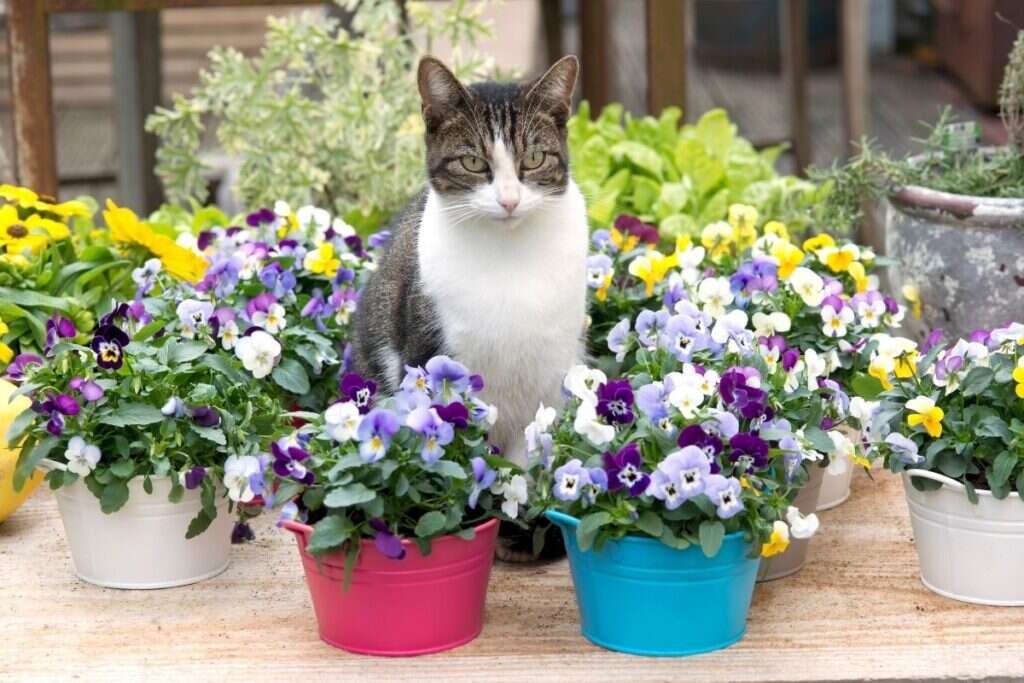
Are Pansies Safe for Cats

A Mistake I See Again and Again

One of the most common mistakes I see is owners assuming that if one plant in the garden is safe, the whole area is safe.

I had a client who proudly told me all their flowers were “cat-friendly.” That was mostly true—but tucked between the pansies were a few tulips. Their cat developed mild toxicity after chewing the bulbs.

It’s rarely just one plant in isolation. Gardens are mixed environments.

My Practical Advice as a Vet

If you’re keeping pansies and have cats, I don’t usually recommend removing them. But I do suggest a few precautions based on what I’ve seen over the years:

  • Keep an eye on new planting areas—cats are curious about fresh soil and greenery.
  • Avoid chemical treatments or use them very carefully.
  • If your cat is a known plant-chewer, consider offering safer alternatives, such as cat grass.
  • Watch for symptoms like repeated vomiting, drooling, or lethargy after outdoor access.

In most cases, a cat nibbling on pansies will be completely fine. But if symptoms go beyond mild stomach upset or last more than a day, that’s when I tell owners to bring their pet in.

Where I Draw the Line

If a client asks me directly, “Are pansies safe for my cat?” I tell them yes—with context.

I’m comfortable seeing pansies in a cat-friendly garden. I’m not comfortable seeing a cat that has free rein over a yard full of mixed, unidentified plants and recently treated soil.

That distinction matters more than the plant itself.

Final Thoughts From the Exam Room

In all my years of practice, pansies have never been the main problem—but they’ve been part of the story more than once. Usually, it is a red herring that leads us to something else.

So if your cat takes a bite out of your pansies, don’t panic. Just pay attention. Cats have a way of telling you when something isn’t right—you just have to know what to look for.
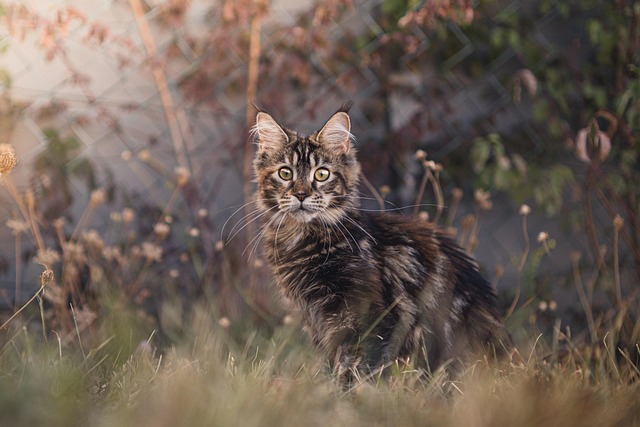
Full-Grown Black Maine Coon
Mar
The Reality of Living with a Full-Grown Black Maine Coon

From a Breeder’s Perspective

I’ve been breeding and raising Maine Coon cats for over a decade, and I can tell you this: a full-grown black Maine Coon is not just a bigger version of a typical house cat. It’s an entirely different experience—physically, emotionally, and practically.

People are often drawn to the striking look of a solid black coat paired with that wild, almost lynx-like face. But what keeps them around is the personality—and what sometimes overwhelms them is the reality of caring for a cat this size.

What “Full-Grown” Actually Means

Most people underestimate just how large these cats get. A mature male can easily stretch past what you’d expect from a typical domestic cat, both in length and weight. I’ve had clients message me a year after adopting one of my kittens, convinced something was wrong—“He just keeps growing.”

That’s normal. Maine Coons mature slowly. Some don’t fully fill out until three or even four years of age. A black Maine Coon, in particular, tends to look even larger because the solid coat hides body definition and exaggerates its silhouette.

One male I raised grew so large that his owner had to upgrade to a bigger litter box twice before finding one big enough.

The Coat: Beautiful, but Demanding

A black coat on a Maine Coon is stunning, but it’s also unforgiving. Every bit of dust, loose hair, or dandruff shows up clearly.

Earlier, I told a first-time owner, “Just brush him a couple of times a week.” Months later, matting appeared, especially near the hind legs and collar.

Since then, I’ve been much more direct: if you’re bringing home a full-grown Maine Coon—especially a black one—you need a grooming routine, not just occasional brushing.

In my experience, the problem areas are predictable:

  • Behind the ears
  • Under the front legs
  • Around the tail base

Miss those for a week or two, and you’ll feel the difference immediately.

Personality: Not Your Typical Cat

This is where people either fall in love or get caught off guard.

Maine Coons are often described as “dog-like,” and while I don’t love that comparison, I understand why it’s used. They follow you. They watch what you’re doing. Some even learn routines faster than smaller breeds.

One client, a remote worker, noticed her black Maine Coon sat beside her each morning during video calls, quickly learning her routine.

But here’s the part people don’t always expect: they demand interaction. Not constant attention, but consistent engagement.

I’ve seen owners who thought they were getting a laid-back, decorative pet. What they got instead was a highly intelligent animal that needed stimulation. Without it, behaviors like excessive vocalizing or knocking things over start appearing.

Full-Grown Black Maine Coon

Feeding a Large Cat Isn’t Just “More Food”

A mistake I see often is overfeeding.

Because Maine Coons are big, owners assume they should eat significantly more. In reality, their dietary needs are about quality and balance, not just quantity.

I helped a family with an overweight cat by guiding them toward smaller portions and a structured feeding schedule. The cat’s energy quickly improved.

A full-grown Maine Coon should feel solid, not soft. You should be able to feel the muscle under the coat, even if you can’t see it clearly.

Space and Environment Matter More Than People Think

You don’t need a mansion, but you do need to think vertically.

These cats like height. A standard cat tree often isn’t enough. I’ve had to recommend reinforced or custom-built structures to several owners because their Maine Coons literally outgrew store-bought options.

A black male I raised climbed door frames until his owner provided a sturdy, taller perch, which quickly resolved the behavior.

Health and Longevity Observations

In my experience, black Maine Coons are just as robust as any other color variation, but their size can mask early signs of health issues.

Weight gain, for example, is harder to spot visually. You have to rely on touch and behavior changes.

I also encourage owners to pay attention to mobility. Because these cats are heavy, even minor joint discomfort can show up as subtle reluctance to jump rather than obvious limping.

The Reality Check Most People Need

A full-grown black Maine Coon is not a low-maintenance pet.

They require:

  • Regular grooming
  • Structured feeding habits
  • Environmental enrichment
  • Time and attention

But in return, you get something that feels less like a typical pet and more like a companion with a strong presence in your daily life.

If you’re considering bringing a full-grown black Maine Coon into your home, take time to prepare for the commitment. Reach out to experienced breeders or current owners to gain insight, ask questions, and fully understand what living with one is really like. Make sure you’re ready for the responsibility and rewards this remarkable cat brings to your life.

Dog Benadryl for Itching
Mar
A Guide to Giving Your Dog Benadryl for Itching

A Veterinarian’s Real-World Perspective

I’ve been practicing as a small-animal veterinarian for over a decade, and I can’t count how many times a worried dog owner has asked me some version of this question. Usually, it comes after a long night of scratching, licking, and restless pacing.

The short answer is yes—you can give your dog Benadryl for itching. But whether you should and how you do it safely depend on the situation. And that’s where things often go wrong.

When Benadryl Actually Helps

Benadryl works by blocking histamine, a chemical released during allergic reactions. In my experience, it’s most helpful for mild, sudden itching—especially from insect bites or environmental triggers.

I remember a case from last spring. A client brought in her Labrador after a day at a local park. The dog had developed facial swelling and was scratching nonstop. It turned out to be a mild allergic reaction, likely from grass or a bug bite. We administered Benadryl in the clinic, and within an hour, the swelling started to go down, and the itching eased.

That’s the kind of situation where Benadryl shines: acute, mild allergic reactions.

Where Owners Often Misjudge It

Where I see trouble is when owners use Benadryl for chronic itching. Dogs with ongoing skin issues—like allergies, infections, or parasites—usually don’t respond well to it.

One case that sticks with me involved a German Shepherd who had been itching for months. The owner had been giving Benadryl daily, hoping it would solve the problem. By the time I saw the dog, the skin was inflamed, patchy, and infected. The underlying issue wasn’t just allergies—it was a combination of flea allergy dermatitis and a secondary bacterial infection.

Benadryl didn’t hurt the dog, but it delayed proper treatment.

The Right Dose Matters More Than You Think

This is where I get especially cautious. I’ve seen dosing mistakes more often than I’d like.

A general guideline I often give in the clinic is:

  • About 1 mg per pound of body weight
  • Given 2–3 times daily

But I always emphasize that this is a starting point, not a one-size-fits-all rule. Dogs with certain health conditions—or those taking other medications—can react differently.

I once treated a small terrier who became extremely lethargic after being given what the owner thought was a “safe” dose. It wasn’t toxic, but it was enough to make the dog uncomfortable and disoriented for hours.

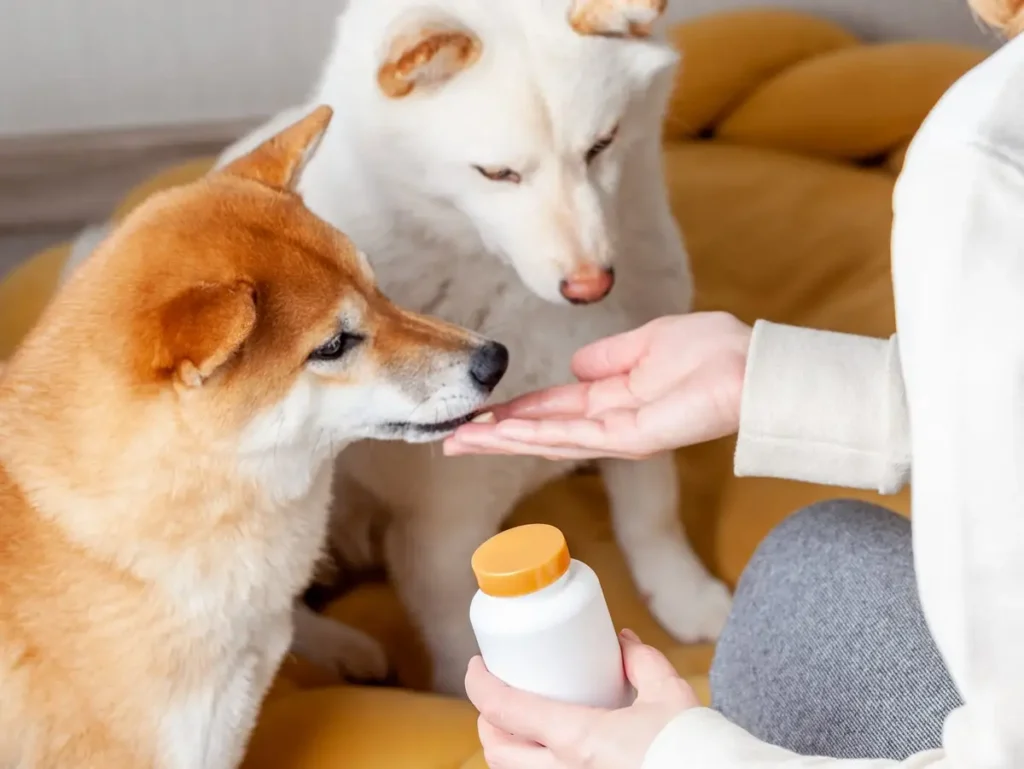
Dog Benadryl for Itching

Not All Benadryl Products Are Safe

This is a mistake I see surprisingly often. Owners assume all over-the-counter allergy medications are the same.

They’re not.

Plain diphenhydramine is generally safe for dogs when used at proper doses. But combination products—especially those labeled for cold or sinus relief—can contain decongestants or other ingredients that are dangerous for dogs.

I’ve had to handle emergency cases where dogs were given the wrong formulation. The symptoms ranged from rapid heart rate to severe agitation.

Side Effects I’ve Personally Observed

Most dogs tolerate Benadryl fairly well, but side effects do happen.

The most common one I see is drowsiness. Some dogs get sleepy within an hour. Others, interestingly, have the opposite reaction—they become restless or slightly hyperactive.

Dry mouth and mild digestive upset can also occur, though less frequently in my experience.

When I Recommend It—and When I Don’t

In my day-to-day practice, I’m comfortable recommending Benadryl for:

  • Mild, short-term itching
  • Insect bites or stings
  • Temporary allergic flare-ups

But I hesitate—or avoid it entirely—when:

  • The itching has been going on for weeks.
  • There are open wounds, hair loss, or signs of infection.
  • The dog has underlying health conditions like glaucoma or heart disease.
  • The dog is very young, elderly, or on multiple medications.

In those cases, I’d rather identify and treat the root cause than mask symptoms.

My Practical Advice After Years in Practice

If your dog suddenly starts itching and seems otherwise normal, Benadryl can be a reasonable short-term option. I’ve used it myself in controlled situations and seen it work well.

But if the scratching keeps coming back, gets worse, or is paired with other symptoms, that’s your cue to stop guessing and get a proper diagnosis.

The biggest mistake I see isn’t giving Benadryl—it’s relying on it for too long.

Dogs are good at hiding discomfort, but their skin tells the truth. And persistent itching is almost always trying to tell you something more.

Purina Pro Plan Dog Food
Mar
How to Evaluate Purina Pro Plan Dog Food Quality

A Veterinarian’s Honest Take

I’ve been practicing as a small-animal veterinarian for over a decade, and I’ve had more conversations about dog food than I can count. One brand that keeps coming up is Purina Pro Plan. Clients either swear by it or hesitate because it’s not a boutique, “grain-free” label. My answer is rarely black and white—but I’ll be honest about where it stands.

My First Impressions Changed Over Time

Early in my career, I leaned toward recommending smaller, premium-looking brands. They had appealing ingredient lists and clever marketing. But over the years, I began to see patterns in my clinic.

One case stands out: a Labrador retriever whose owner switched to a trendy grain-free diet after reading online reviews. Months later, the dog had digestive issues and low energy. Once we transitioned him to a Purina Pro Plan sensitive stomach formula, his stools normalized and his energy returned within weeks. That case wasn’t unique. I’ve seen enough similar turnarounds to reconsider my earlier views.

What I Like About It

From a veterinary standpoint, consistency and research matter more than marketing buzzwords. Purina Pro Plan stands out because it’s backed by feeding trials and a team of veterinary nutritionists.

In practice, I’ve found it works well for:

  • Dogs with sensitive stomachs
  • Pets prone to allergies
  • Active or working dogs need higher protein

Similarly, last spring, a client brought in a German Shepherd with recurring skin issues—itching, hot spots, and a dull coat. After ruling out parasites and infections, we suspected diet. Switching to a Pro Plan formula for skin and coat health led to gradual, clear improvement over a couple of months. I value that kind of response.

Purina Pro Plan Dog Food

Where Owners Get Confused

One of the biggest mistakes I see is people focusing too much on the ingredient list without understanding how pet nutrition actually works.

For example, some owners get concerned when they see “by-products” listed. In reality, these can be nutrient-dense organ meats that dogs benefit from. I’ve had to explain this more times than I can count during consultations.

Another issue is the assumption that grain-free automatically means better. In fact, concerns around Dilated Cardiomyopathy have been linked to certain grain-free diets. That’s led me to be more cautious with those recommendations unless there’s a specific medical reason.

It’s Not Perfect—and That Matters

I don’t consider any commercial dog food perfect, and Purina Pro Plan is no exception.

Some dogs simply don’t do well on it. I’ve had a few cases where dogs developed mild digestive upset or just refused to eat it. Palatability can vary depending on the formula and the individual dog.

There’s also the price factor. While it’s not the most expensive option, it’s still a step up from basic grocery-store brands, and that can matter for multi-dog households.

How I Personally Recommend. In practice, I often recommend Purina Pro Plan as a starting point—especially for specific needs. I trust it because I’ve seen consistent results, not just marketing claims. That said, I don’t push it as the only option. If a dog thrives on another well-balanced diet, I don’t recommend changing. But with issues—digestive problems, skin conditions, or inconsistent energy levels—it’s often the first diet I consider.nsider.

So, Is It a Good Dog Food?

Purina Pro Plan is a solid, reliable choice for many dogs based on my clinical experience. Its strengths are consistent nutrition, science-based formulation, and reliable outcomes in the real world.

What Purina Pro Plan offers is nutritional consistency, scientific research, and proven effectiveness in clinic settings. For owners who value reliable results over marketing trends, it’s a strong option.

I’ve learned to judge dog food the same way I judge treatments: by outcomes. And over the years, this brand has delivered more positive outcomes than most.

Introduce Cats to Dating
Mar
How to Safely Introduce Cats to Dating

Understanding Cats and Sweet Fruits

As a licensed veterinarian practicing in Texas, I often get asked whether cats can safely eat human foods. One surprising question I hear frequently is about dates. Dates are naturally sweet, fibrous fruits packed with sugars, vitamins, and minerals. While they can be a nutritious snack for humans, cats have a very different digestive system.

Cats are obligate carnivores, meaning their bodies are designed primarily to process animal protein. In my experience treating feline patients, I’ve seen a variety of owners offer fruits like bananas, strawberries, and occasionally dates, thinking of them as “healthy treats.” The reality is that cats don’t metabolize sugars efficiently. While a tiny nibble won’t usually harm a cat, feeding dates regularly can lead to gastrointestinal upset, including diarrhea and vomiting, and over time may contribute to obesity or even diabetes.

I remember a case last spring with a domestic shorthair I saw in my clinic. The owner had a small habit of giving him a piece of date from her morning snack. Initially, she noticed no reaction. But over a few weeks, the cat began showing soft stools and mild lethargy. Once she stopped feeding him dates, his symptoms resolved. That scenario reinforced that even small amounts, if repeated frequently, can affect feline health.

Sugar and Digestive Concerns

The main concern with dates is their high sugar content. Unlike humans, cats don’t require sugar in their diet. Their bodies extract energy from protein and fat, not carbohydrates. Introducing sugary foods can disrupt their natural metabolism. I’ve seen cases in multi-cat households where one cat sneaks a piece of date off a countertop and develops temporary diarrhea while the others remain unaffected simply because they didn’t eat any.

Another point to consider is the risk of choking. Dates have a sticky texture and a hard pit inside. Cats tend to swallow food whole, which makes the pit a potential hazard. On one occasion, a client brought in a young Maine Coon who had bitten into a date pit, which had become lodged in his esophagus. He required sedation to safely remove it, a stressful and preventable situation. This is a cautionary example that even when the fruit itself isn’t toxic, the form it comes in can be risky.

Occasional vs. Regular Treats

I’ve often advised owners that if they are curious about letting their cats taste unusual fruits like dates, it should only ever be a tiny nibble, once in a blue moon. One or two small pieces, as a novelty, are unlikely to cause long-term harm, especially if the cat is otherwise healthy. However, the key is moderation and awareness.

A practical alternative I recommend is offering cat-safe treats tailored to their digestive needs. During consultations, I’ve suggested options like freeze-dried meat or small amounts of pumpkin puree for owners who want to give their cats something new. These alternatives provide sensory variety without the sugar spike or choking risk associated with dates.

Introduce Cats to Dating

Personal Experiences

Over the years, I’ve personally seen how cats react differently to human foods. One client tried giving her Siamese cat a chopped date during a holiday celebration. The cat sniffed it, licked it once, and walked away uninterested. Contrast that with a curious tabby who eagerly nibbled a piece of date at a family gathering and developed mild diarrhea within hours. These experiences highlight that even within the same household, cats’ reactions can vary widely.

In my own home, I keep all fruits, including dates, on high shelves. I’ve learned that even the most cautious cats can be surprisingly inventive when food smells sweet or sticky. It’s a small step, but it prevents accidental ingestion and potential health issues.

Conclusion

So, can cats have dates? Technically, a tiny taste won’t poison them, but I don’t recommend it as a regular treat. The sugar content, risk of gastrointestinal upset, and choking hazards outweigh any minor nutritional benefits.

From my experience, the safest approach is to stick to feline-formulated treats and reserve dates for human enjoyment. That way, your cat stays healthy, and you can enjoy your fruit without worry.

Keep Cats Safe from Philodendron
Mar
How to Keep Cats Safe from Philodendron Toxicity

Insights from a Veterinarian

As a licensed veterinarian practicing in Texas for over 12 years, I’ve seen my share of curious cats and their unfortunate encounters with houseplants. Among the most common questions I get from pet owners is about philodendrons—those lush, trailing green plants that brighten homes.

The short answer is yes: philodendrons are toxic to cats, but the situation is usually manageable if handled quickly. Let me share what I’ve observed in practice and offer some guidance based on real-world experiences.

Understanding the Risk

Philodendrons contain insoluble calcium oxalate crystals. When a cat chews on leaves or stems, microscopic crystals can embed in the mouth, tongue, and throat, causing immediate irritation. I remember a customer last spring who brought in her Siamese, clearly distressed after nibbling on her new philodendron. The cat had excessive drooling, pawing at its mouth, and mild lip swelling. This is a textbook response to oxalate exposure, and thankfully, with prompt care, the cat recovered fully within a few hours.

The severity of symptoms can vary depending on how much of the plant the cat ingests. Small nibbles often result in temporary discomfort—drooling, pawing at the mouth, and mild oral irritation—while larger ingestions can lead to vomiting, difficulty swallowing, and, in rare cases, more significant throat swelling that requires veterinary intervention. I’ve personally treated a Maine Coon who had chewed on an entire stem; it took a few days of supportive care, including hydration and soft food, for the cat to fully bounce back.

Common Mistakes Cat Owners Make

One frequent error I see is assuming that just because a plant looks harmless, it is safe for cats. Philodendrons are a prime example. Their glossy leaves are visually appealing, and many owners place them on low shelves or coffee tables, thinking their cats won’t reach them. In reality, even a single leaf tip can trigger the oxalate reaction.

Another mistake is waiting too long to act. I once had a client who noticed drooling but thought the cat would “just be fine.” By the time they brought the cat in, the irritation had worsened, causing vomiting and distress. Quick response—rinsing the cat’s mouth gently with water and calling a vet—can significantly reduce discomfort.

Keep Cats Safe from Philodendron

Handling Exposure

If your cat chews on a philodendron, immediate steps can minimize harm. Gently rinse your cat’s mouth with water to remove residual plant material. Avoid forcing anything into the throat, as that can cause more trauma. Monitor your cat for drooling, pawing at the mouth, or signs of discomfort. If you see vomiting, difficulty swallowing, or persistent irritation, bring your cat to the clinic promptly.

I recall a young domestic shorthair who had gotten into a hanging philodendron in her owner’s living room. The owner acted fast, rinsed her mouth, and brought her in for a brief checkup. Aside from minor oral irritation, she was fine within a few hours. Situations like these underscore that while philodendrons are toxic, most cats recover quickly if treated appropriately.

Preventive Measures

From my experience, the best approach is prevention. I advise pet owners to place philodendrons well out of reach, ideally in hanging baskets or rooms the cat doesn’t access. Some owners use deterrents, such as double-sided tape on plant shelves, because cats dislike the stickiness. Another strategy I’ve seen work is to offer safe alternatives, such as cat grass or catnip plants. These provide enrichment and reduce the likelihood that your feline will seek out harmful plants.

It’s also worth keeping emergency numbers handy. The ASPCA Animal Poison Control Center is a valuable resource, and your veterinarian can guide you on at-home care if exposure occurs.

Personal Reflection

Over the years, I’ve noticed a pattern: cats are naturally curious, and even the most cautious owners can face accidental ingestion. One case that stands out is a senior cat who had been with her owner for over a decade without incident. She managed to nibble on a philodendron while the owner was distracted for a few minutes. The reaction was immediate but mild, and with a calm approach, the situation resolved without stress for the cat or the owner. This reinforces that awareness and preparedness are far more effective than worry.

In my practice, I often encourage owners to treat their homes as shared spaces. Beautiful plants can coexist with cats, but understanding the risks and taking preventive steps is key. Philodendrons are indeed toxic to cats, but informed owners can ensure their pets remain safe without giving up the greenery they love.

Feeding Cats Oat Milk
Mar
A Guide to Feeding Cats Oat Milk: Tips and Tricks

Understanding Oat Milk and Cats

As a licensed veterinarian practicing in Texas for over a decade, I’ve seen all sorts of pet owners experiment with alternative diets and beverages for their cats. One trend that’s popped up frequently in the last few years is oat milk. With plant-based milks becoming popular in human diets, many cat owners have wondered whether their furry companions can enjoy the same.

Oat milk, made from oats and water, is naturally free from lactose, which is a major reason some think it could be suitable for cats. Unlike cow’s milk, which many adult cats cannot properly digest, oat milk doesn’t pose the same risk of lactose intolerance. However, while lactose-free may sound safe, it doesn’t automatically mean oat milk is a healthy option for your cat.

I remember a client last spring who wanted to share her oat milk latte with her two cats. Both cats were curious and lapped a small amount, and thankfully they didn’t experience any immediate digestive upset. Still, I had to caution her that oat milk isn’t a substitute for water or a balanced feline diet.

Nutritional Considerations

Cats are obligate carnivores, which means their bodies are designed to get nutrients primarily from meat. While oat milk contains some vitamins and minerals, it lacks essential nutrients that cats need, such as taurine and certain amino acids. Relying on oat milk for nutrition could cause deficiencies over time.

In my practice, I’ve seen several cases where pet owners introduced plant-based milks or other “health-conscious” alternatives thinking it would be good for their cats. One memorable case involved a young Maine Coon who had been getting small amounts of oat milk daily. Over a few months, she developed mild gastrointestinal issues and slight weight loss, which resolved when we removed the oat milk entirely.

Additionally, store-bought oat milk often contains added sugars, flavorings, or thickeners. Even small amounts of these additives can upset a cat’s stomach or contribute to obesity if given frequently. In my experience, even “unsweetened” versions should be offered very sparingly, if at all.

Feeding Cats Oat Milk

Occasional Treat vs. Regular Drink

I often tell cat owners that a tiny sip of oat milk as a rare treat is unlikely to harm most healthy adult cats. Think of it like offering a cat a nibble of plain cooked chicken or a small piece of cheese — an occasional indulgence rather than a dietary staple.

I recall a situation where a client had a senior cat who loved oat milk. I recommended she limit it to a teaspoon a few times a month. She followed the advice, and her cat remained healthy with no digestive upset. This aligns with what I see in practice: moderation is key.

Cats with sensitive stomachs, pre-existing gastrointestinal conditions, or diabetes should avoid oat milk entirely. Even a small amount could trigger diarrhea or spikes in blood sugar, particularly if the product contains added sweeteners.

Practical Advice for Cat Owners

If you do decide to offer oat milk to your cat, here’s what I usually suggest based on years of observing real-life results:

  • Check labels carefully: Avoid added sugars, flavorings, and gums.
  • Serve tiny amounts: A teaspoon or two at most, and only occasionally.
  • Observe reactions: Watch for vomiting, diarrhea, or changes in appetite.
  • Prioritize water: Cats should always have access to fresh water, as it’s essential for hydration.

I remember a customer who was convinced oat milk would improve her cat’s hydration. After switching back to water while giving occasional milk sips, her cat’s coat became shinier, and she no longer had subtle digestive issues. This emphasizes that while oat milk is generally safe in tiny amounts, it should never replace water or food.

My Professional Take

From my perspective as a veterinarian, oat milk is not inherently dangerous, but it offers very limited nutritional value and can create digestive issues if given too often. I’ve seen a few curious cats tolerate it well, and others react poorly even to a small taste. Ultimately, it can be offered as an occasional treat for interest or novelty, but water and a balanced diet remain the pillars of a cat’s health.

I’ve had cat owners tell me they were nervous about trying it but noticed their cats were intrigued by the texture and taste. In these cases, the key was moderation and careful observation — the cats enjoyed the treat without any long-term harm.

In my experience, oat milk is more about fun and curiosity than health benefits. Keep servings tiny, avoid additives, and always prioritize proper feline nutrition. That approach keeps your cat safe, happy, and healthy.

Dog Hair Clippers
Mar
How I Sharpen Dog Hair Clippers (After Ruining a Blade Early in My Career)

Everything You Need to Know

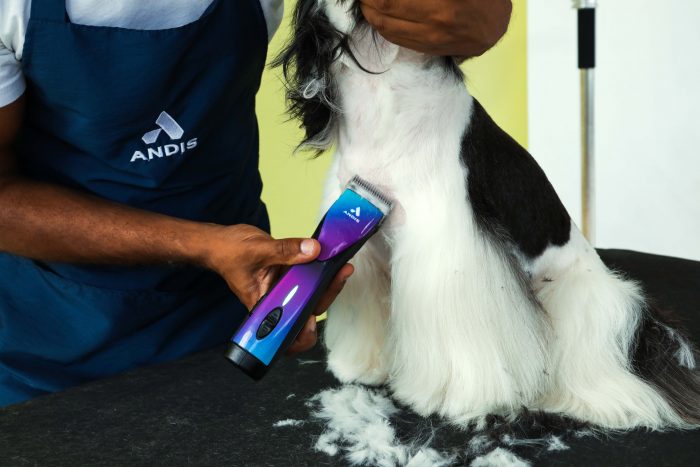
I’ve been grooming dogs professionally for a little over a decade now, and if there’s one maintenance skill that separates a smooth workday from a frustrating one, it’s keeping your clipper blades sharp. I learned that the hard way.

Early on, I kept pushing through a dull blade on a nervous spaniel. The clipper started snagging, the dog got anxious, and I ended up with an uneven coat that took twice as long to fix. That was the day I stopped treating blade care as optional.

If your clippers are pulling hair, leaving lines, or heating up too quickly, sharpening isn’t just about better results—it’s about safety and comfort for the dog.

First, Know When a Blade Actually Needs Sharpening

A lot of people jump straight to sharpening when the issue is something simpler. In my shop, I always rule out the basics first.

Dirty blades are the biggest culprit. Hair, dander, and oil buildup can make even a sharp blade feel dull. I’ve had clients bring in clippers they thought were ruined, and after a proper cleaning and oiling, they cut like new.

Another common issue is misalignment. If the top and bottom blades aren’t sitting correctly, you’ll get poor cutting performance no matter how sharp they are.

Once I’ve cleaned, oiled, and aligned the blade—and it’s still dragging—that’s when sharpening makes sense.

The Way I Actually Sharpen Blades

There are a few ways to do this, but I’m going to be honest: after years in grooming, I don’t recommend that most pet owners try full sharpening from scratch. I do it myself because I’ve invested in the tools and have already made the mistakes.

That said, here’s how I handle it in my workspace.

What I Use

  • A flat sharpening surface (lapping plate or whetstone)
  • Blade wash solution
  • Clipper oil
  • A magnet or blade holder (for safety and control)

Dog Hair Clippers

My Process

I start by fully removing the blade from the clipper and taking it apart. That’s something I was hesitant to do in my early days, but once you understand how the pieces fit, it becomes routine.

I clean everything thoroughly first. There’s no point sharpening over dirt—it just grinds debris into the metal.

Then I move to the sharpening surface. I keep the blade flat—this is critical. The first time I tried sharpening, I tilted it slightly without realizing. That tiny angle change made the blade worse than before. It wouldn’t cut cleanly at all.

Now I keep steady, even pressure, and move the blade in smooth strokes across the surface. Not aggressive, not rushed. Let the abrasive do the work.

Once both the cutter and comb are evenly honed, I clean them again, reassemble the blade, oil it, and test it on a practice patch or a thick coat.

A Mistake I Still See All the Time

Last spring, a client tried sharpening their clippers with sandpaper taped to a table. The blade was scratched and uneven, and it dragged instead of cutting cleanly.

That’s the risk with DIY shortcuts. Uneven sharpening doesn’t just reduce performance—it can make the blade unsafe.

If you don’t have a perfectly flat surface, you’re not really sharpening—you’re reshaping the blade unpredictably.

When I Send Blades Out Instead

Even after years of doing this, I still send my blades to a professional sharpening service regularly.

Why? Because they use precision equipment that restores the factory edge. When you’re grooming multiple dogs a day as I do, that level of sharpness makes a noticeable difference.

I usually rotate blades—using one set while another is out for sharpening. It keeps my workflow smooth and prevents overusing a single blade.

If you’re a pet owner grooming at home, sending your blade out every few months (depending on use) is often the smarter move.

Heat and Friction: The Overlooked Problem

One thing newer groomers don’t expect is how quickly dull blades heat up. I’ve had moments where I touched a blade mid-groom and immediately pulled my hand back.

Heat builds from friction, and dull edges create more resistance. That’s uncomfortable at best and risky at worst for the dog’s skin.

Sharp blades cut cleanly with less effort, which keeps temperatures down. That alone is reason enough to stay on top of maintenance.

My Honest Advice After Years of Doing This

If you’re occasionally grooming your own dog, focus more on cleaning and oiling than on sharpening. You’ll solve most performance issues that way.

If you’re determined to sharpen blades yourself, invest in proper tools and practice on an old blade first. Not your good one.

And if you ever feel unsure, send it out. I still do, even after all these years.

A sharp blade doesn’t just make your job easier—it changes how the dog experiences the entire grooming session. And once you’ve seen the difference firsthand, it’s hard to go back.

Mow Over Dog Poop
Mar
Can You Mow Over Dog Poop? Here’s What I Tell Homeowners After 12 Years in Lawn Care

It’s Not Just Gross — It Causes Real Problems

After more than a decade of maintaining lawns, I get this question a lot. It usually comes from someone wanting to save time. You see a few spots and think, “The mower will handle it.”

From experience, this shortcut causes problems.

The first time I dealt with this situation professionally was at a client’s home where they had two large dogs. They hadn’t cleaned the yard in a while and asked me to “just mow over it.” Against my better judgment, I did early in my career. Within minutes, the underside of the mower deck was caked in a thick, foul-smelling mess. It wasn’t just unpleasant—it affected the machine’s performance and took nearly an hour to clean properly.

What Actually Happens When You Mow Over Dog Poop

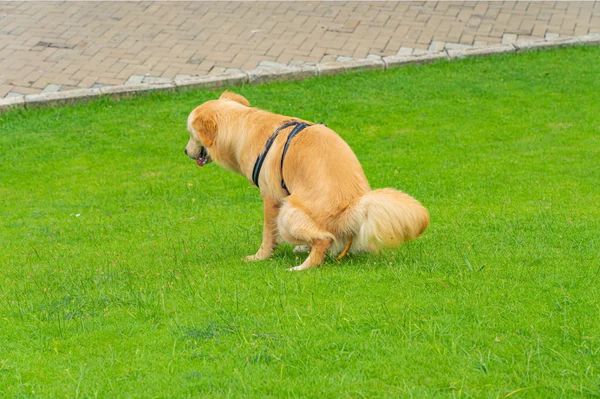
Dog waste doesn’t vanish under a mower. It spreads everywhere.

As the blades spin, they break the waste into smaller pieces and fling it across the lawn. That means:

  • It sticks to your mower blades and deck.
  • It spreads bacteria across your grass.
  • It creates uneven patches in your lawn over time.

I’ve seen lawns develop strange yellow and brown spots because waste was repeatedly chopped and spread rather than removed. Dog feces are high in nitrogen, but unlike fertilizer, they’re too concentrated and unbalanced. It burns the grass rather than helping it grow.

The Health Side Most People Overlook

Few consider this, but it matters.

Dog waste can carry bacteria and parasites. When you mow over it, you’re essentially aerosolizing tiny particles. I remember a job last spring where a homeowner complained about a persistent odor around their yard, even after mowing. It turned out they had been mowing over waste for weeks. The smell wasn’t just on the grass—it had settled into the mower itself and lingered in the air.

If kids play outside, or you walk barefoot, it becomes more than a maintenance issue.

Damage to Your Equipment Is Real

Mowers aren’t made for waste. Mowing over dog poop can:

  • Dull the blades faster than usual
  • Cause buildup under the deck
  • Lead to corrosion if not cleaned properly.

A client couldn’t figure out why his mower vibrated and lost efficiency. The blade was unevenly coated and warped from repeated contact with hardened debris. Fixing it was expensive.

Mow Over Dog Poop

What I Recommend Instead

On routine visits, I advise a quick yard scan before mowing. Even five minutes of cleanup helps.

If the yard hasn’t been cleaned in a while, it’s better to delay mowing and handle the waste first. I’ve had clients who tried to rush both tasks at once and ended up with double the work—cleaning both the yard and the mower afterward.

One homeowner I worked with made it a habit to do a quick cleanup every evening. By the time mowing day came around, the lawn was clear, and the job was faster, cleaner, and more effective. That small routine change saved them time in the long run.

Common Mistake I See Again and Again

People assume rain will “wash it away” enough to mow over it safely. That’s not how it works.

Wet waste is actually worse. It smears more easily, sticks harder to equipment, and spreads faster across the lawn. I’ve had to scrape off mower decks that looked like they’d been dipped in mud—but the smell told a different story.

The Bottom Line From Experience

You can mow over dog poop, but you absolutely shouldn’t.

Every time I’ve seen someone try it—myself included, early on—it leads to more work, more mess, and sometimes unexpected costs. Taking a few minutes to clean the yard first keeps your lawn healthier, your equipment in better shape, and the whole experience far more tolerable.

After years in lawn care, this is one of those small habits that separates a well-kept yard from a problematic one.

Keep Cats Safe from Alstroemeria Plants
Mar
How to Keep Cats Safe from Alstroemeria Plants

As a licensed veterinarian practicing in Texas for over a decade, I’ve seen my fair share of curious cats getting into trouble with plants around the house. Among the many beautiful flowers that clients bring into their homes, alstroemeria often catches their eye with its vibrant colors and delicate petals. But one question I hear repeatedly is whether these flowers pose a risk to cats.

Understanding Alstroemeria

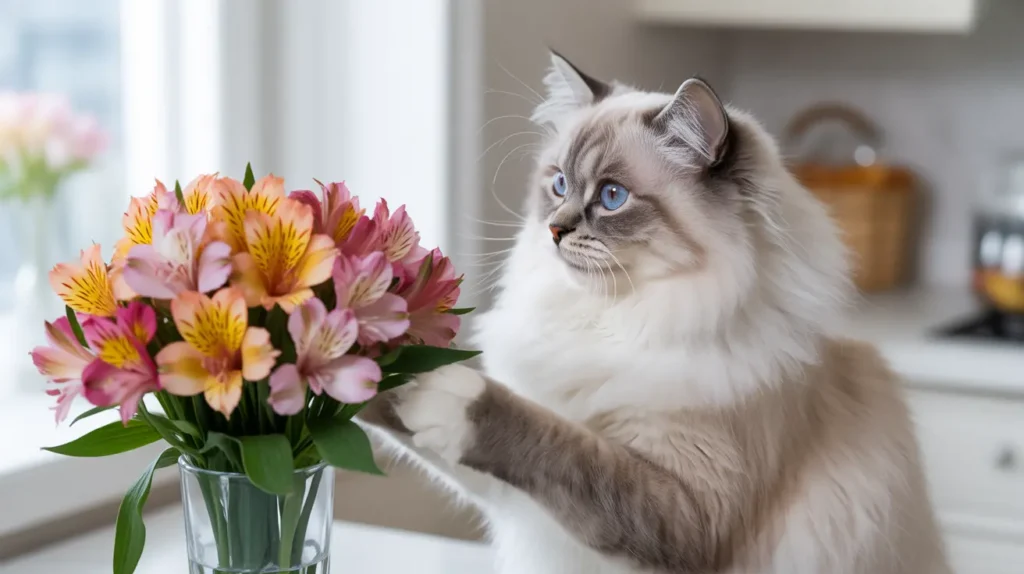
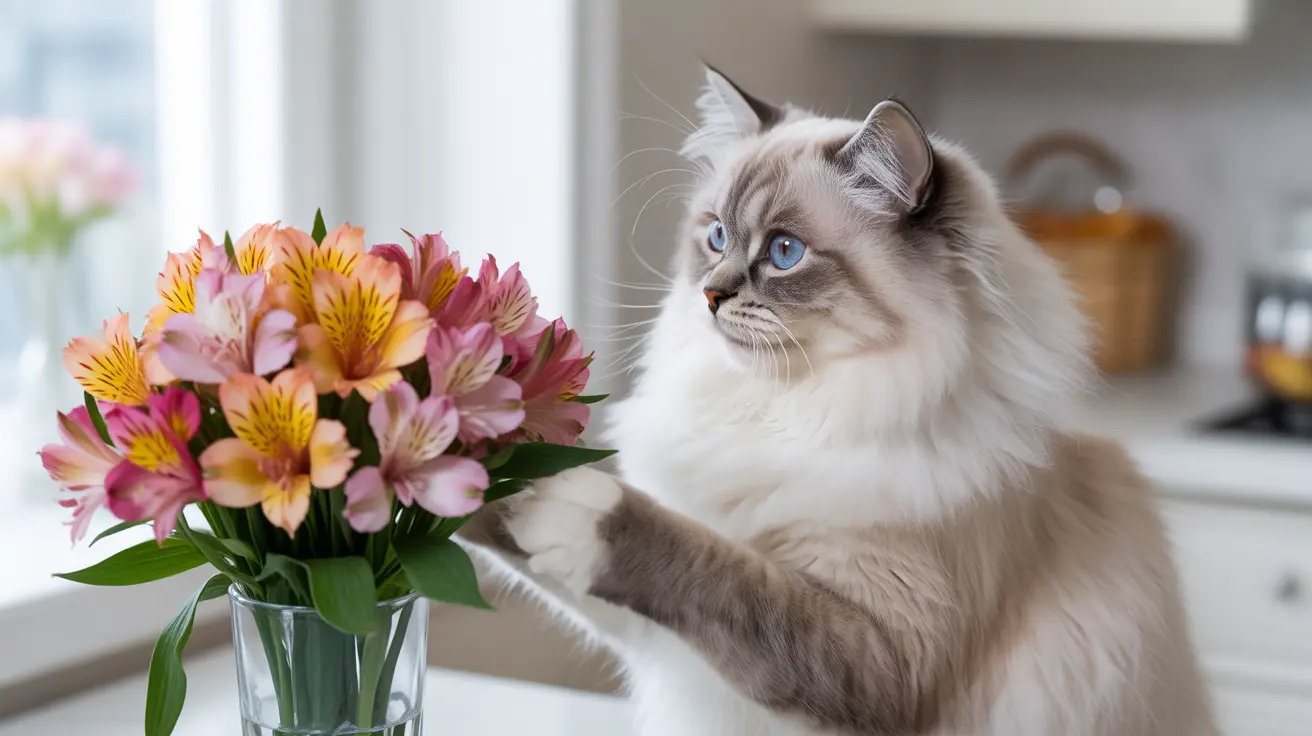
Alstroemeria, commonly called Peruvian lilies, are popular in bouquets and garden beds due to their long vase life and cheerful appearance. From my experience, the trouble isn’t just aesthetic. Cats, especially younger ones, have a tendency to chew on anything that catches their interest — leaves, petals, even the soil around potted plants. I’ve seen multiple cases where a cat’s curiosity led them to nibble on alstroemeria, prompting concerned owners to rush in for guidance.

The truth is that alstroemeria are mildly toxic to cats. In veterinary terms, this means that while ingestion is unlikely to be fatal, it can cause unpleasant and sometimes serious symptoms. The plant contains compounds called saponins, which irritate the gastrointestinal tract. In my practice, I’ve often observed cats exhibiting drooling, vomiting, or diarrhea after nibbling on these flowers.

One client last spring brought in her young Siamese, who had chewed on a bouquet she’d placed on the coffee table. Within a few hours, the cat was lethargic and drooling excessively — classic signs of mild plant toxicity. Fortunately, with supportive care including fluids and monitoring, the cat recovered fully in a day.

Common Mistakes Cat Owners Make

A recurring issue I notice is owners assuming that all “store-bought flowers” are safe for pets. People often think that a simple rinse of the petals or removing the stems will make a bouquet harmless, but the toxins can still be present in leaves, stems, and even pollen. In another situation, a client placed an alstroemeria in a vase on the floor, thinking her older cat wouldn’t bother it. Within minutes, the cat had nibbled several leaves, resulting in vomiting and mild diarrhea. The lesson here is that placement alone doesn’t eliminate risk — cats are surprisingly determined when it comes to exploring new objects.

I’ve also encountered cases where owners delayed veterinary attention because they assumed “it’s just a little nibble.” Early intervention is always better, even for mild symptoms, because cats can become dehydrated quickly if vomiting or diarrhea persists. In one instance, a Maine Coon chewed on garden-grown alstroemeria leaves, and by the time the owner brought her in, she was mildly dehydrated. Prompt fluid therapy and observation prevented any long-term complications.

Keep Cats Safe from Alstroemeria Plants

How to Keep Cats Safe Around Alstroemeria

Based on years of hands-on experience, I recommend a cautious approach. If you enjoy having alstroemeria in your home, consider these strategies:

  • High or enclosed placement: Keep flowers on shelves or in rooms your cat cannot access. Even a determined cat is less likely to jump onto a high counter if there’s no easy route.
  • Alternative distractions: Providing safe cat grass, interactive toys, or other chew-friendly plants can redirect a cat’s attention from toxic flowers. I often suggest this to clients who are unwilling to give up floral arrangements altogether.
  • Immediate response: If your cat does ingest alstroemeria, don’t wait for symptoms to appear. Contact your veterinarian promptly. In my experience, even a brief phone consultation can prevent complications by guiding owners on whether to induce vomiting, administer activated charcoal, or simply monitor at home.

When to Seek Veterinary Care

Mild cases might only result in drooling or minor vomiting, but there are warning signs to watch for. Loss of appetite, repeated vomiting, severe diarrhea, lethargy, or signs of dehydration warrant a veterinary visit. I recall a customer last summer whose cat had eaten multiple petals from a large bouquet; the cat was initially playful but later became unusually quiet and refused food. Early treatment with IV fluids and supportive care resolved the issue without complications.

My Professional Recommendation

From my perspective as a veterinarian, while alstroemeria are not among the most dangerous plants, they are best treated with caution. For households with cats, I often advise choosing safer flowers such as roses, orchids, or sunflowers. If you do keep alstroemeria, vigilance is key — keep them out of reach and monitor your cat’s curiosity to prevent an unpleasant trip to the clinic. In my experience, a proactive approach not only keeps cats safe but also allows owners to enjoy their floral displays without worry.

Cats are naturally curious, and even a single nibble can cause discomfort or stress. Handling alstroemeria responsibly ensures both your cat’s well-being and the longevity of your blooms.