Can You Mow Over Dog Poop? Here’s What I Tell Homeowners After 12 Years in Lawn Care
It’s Not Just Gross — It Causes Real Problems
After more than a decade of maintaining lawns, I get this question a lot. It usually comes from someone wanting to save time. You see a few spots and think, “The mower will handle it.”
From experience, this shortcut causes problems.
The first time I dealt with this situation professionally was at a client’s home where they had two large dogs. They hadn’t cleaned the yard in a while and asked me to “just mow over it.” Against my better judgment, I did early in my career. Within minutes, the underside of the mower deck was caked in a thick, foul-smelling mess. It wasn’t just unpleasant—it affected the machine’s performance and took nearly an hour to clean properly.
What Actually Happens When You Mow Over Dog Poop
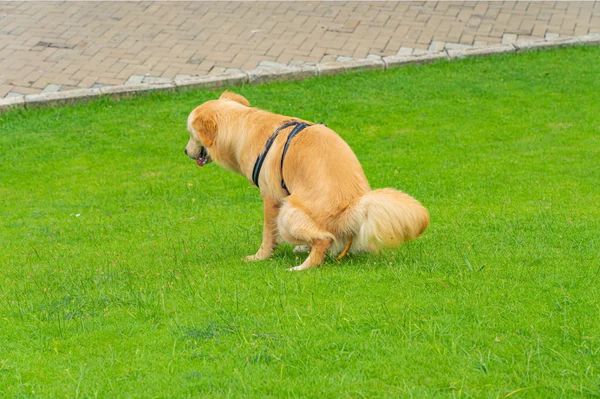
Dog waste doesn’t vanish under a mower. It spreads everywhere.
As the blades spin, they break the waste into smaller pieces and fling it across the lawn. That means:
- It sticks to your mower blades and deck.
- It spreads bacteria across your grass.
- It creates uneven patches in your lawn over time.
I’ve seen lawns develop strange yellow and brown spots because waste was repeatedly chopped and spread rather than removed. Dog feces are high in nitrogen, but unlike fertilizer, they’re too concentrated and unbalanced. It burns the grass rather than helping it grow.
The Health Side Most People Overlook
Few consider this, but it matters.
Dog waste can carry bacteria and parasites. When you mow over it, you’re essentially aerosolizing tiny particles. I remember a job last spring where a homeowner complained about a persistent odor around their yard, even after mowing. It turned out they had been mowing over waste for weeks. The smell wasn’t just on the grass—it had settled into the mower itself and lingered in the air.
If kids play outside, or you walk barefoot, it becomes more than a maintenance issue.
Damage to Your Equipment Is Real
Mowers aren’t made for waste. Mowing over dog poop can:
- Dull the blades faster than usual
- Cause buildup under the deck
- Lead to corrosion if not cleaned properly.
A client couldn’t figure out why his mower vibrated and lost efficiency. The blade was unevenly coated and warped from repeated contact with hardened debris. Fixing it was expensive.
What I Recommend Instead
On routine visits, I advise a quick yard scan before mowing. Even five minutes of cleanup helps.
If the yard hasn’t been cleaned in a while, it’s better to delay mowing and handle the waste first. I’ve had clients who tried to rush both tasks at once and ended up with double the work—cleaning both the yard and the mower afterward.
One homeowner I worked with made it a habit to do a quick cleanup every evening. By the time mowing day came around, the lawn was clear, and the job was faster, cleaner, and more effective. That small routine change saved them time in the long run.
Common Mistake I See Again and Again
People assume rain will “wash it away” enough to mow over it safely. That’s not how it works.
Wet waste is actually worse. It smears more easily, sticks harder to equipment, and spreads faster across the lawn. I’ve had to scrape off mower decks that looked like they’d been dipped in mud—but the smell told a different story.
The Bottom Line From Experience
You can mow over dog poop, but you absolutely shouldn’t.
Every time I’ve seen someone try it—myself included, early on—it leads to more work, more mess, and sometimes unexpected costs. Taking a few minutes to clean the yard first keeps your lawn healthier, your equipment in better shape, and the whole experience far more tolerable.
After years in lawn care, this is one of those small habits that separates a well-kept yard from a problematic one.