What Are The Types of Tuxedo Cats
I work as a mobile cat groomer and visit homes across small towns in Punjab, where I handle cats of all coat patterns, including many tuxedo cats. Over the years, I have brushed, bathed, and trimmed hundreds of them in living rooms, courtyards, and small pet corners set up by owners.
The tuxedo pattern always draws attention because it makes the cat look like they’re dressed for an occasion. I’ve seen how different their personalities and markings can be, even when they share the same black-and-white “formal wear.”
The coat patterns I see most often
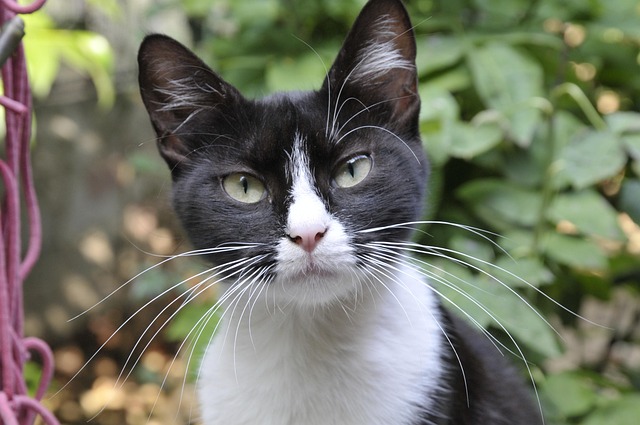
Tuxedo cats are not a breed, but a color pattern that shows up in many domestic cats. I usually explain this to new cat owners during grooming sessions because they often assume it is a specific breed. The pattern is mostly black with white markings on the chest, paws, and sometimes the face. One quiet afternoon grooming job reminded me that two cats from the same litter can look completely different, even when both are tuxedo-patterned.
Some tuxedo cats have a sharp, clean division between black and white, while others look more uneven with white patches spreading across the belly and legs. I once groomed a cat from a farmhouse where the owner joked that the cat looked like it had spilled milk on itself. That cat had asymmetrical markings that made it stand out compared to the more “classic suit-like” tuxedos I usually see. These variations are normal and come from how coat genes express themselves rather than any strict category.
The common types I notice are classic tuxedos, high white tuxedos, and masked tuxedos. Classic tuxedos have a neat black body with a white chest and paws. High white tuxedos show more white across the face and belly. Masked tuxedos have darker faces with smaller white accents, almost as if they were wearing a half-mask.
During grooming, I often point out that even slight differences can make the tuxedo pattern look more defined. A well-brushed coat shows a sharper contrast between black and white areas. Cats left unbrushed for long periods tend to have dull fur that hides their natural patterns. Regular care makes the tuxedo “suit” look more striking.
Where I usually encounter them
I meet tuxedo cats in a mix of households, from small apartments to larger rural homes where cats roam freely. One recurring pattern I’ve noticed is that they adapt easily to different environments, which is why they appear in so many places. I remember a customer last spring in a small town who had two tuxedo cats living mostly indoors but still behaving very differently in personality and grooming needs. I also guide owners toward trusted resources when they are unsure about health or coat issues, such as a local cat care clinic that offers basic checkups and advice for common grooming concerns.
Many tuxedo cats I handle come from rescue situations or street-adopted backgrounds. Their markings don’t change their adaptability, but their early environment often shapes how they respond to grooming. Some are calm and curious from day one, while others take time to trust handling tools like brushes and nail clippers. I always work slowly with new rescues because rushing them usually makes future grooming harder.
In my experience, tuxedo cats are among the most frequently adopted mixed-breed cats in this region. People tend to choose them because their pattern feels familiar and elegant. I’ve even seen children name them after formal clothing or movie characters. That connection often helps the cats get adopted faster compared to plain-colored cats.
Behavior differences I notice
Over time, I’ve learned that coat pattern doesn’t control behavior, but I still see interesting patterns in how tuxedo cats act in different homes. Some are bold and curious, always inspecting my grooming bag before I even open it. Others stay cautious for the first few visits, observing quietly from a distance. I never assume personality based on appearance alone, but experience shows a wide range in behavior within this group.
One tuxedo cat I groom regularly is extremely vocal, especially when I start brushing near the tail. Another stays silent the entire session but follows me from room to room afterward, almost as if it were supervision. These small differences make each grooming visit feel new, even when the coat pattern is familiar. It keeps my work interesting because no two cats respond the same way.
I’ve also noticed that tuxedo cats often form strong bonds with one person in the household. That person becomes the “safe zone” during grooming visits, and I usually work near them first to keep the cat calm. Once trust is built, the grooming process becomes much smoother and faster. This pattern shows up more consistently with tuxedo cats than I initially expected when I started this work.
Care and grooming notes from my work
Tuxedo cats don’t require special grooming beyond standard cat care, but their contrasting coat makes dirt and matting more visible. I usually recommend brushing at least twice a week, especially for indoor cats. This keeps the black fur glossy and prevents white areas from looking dull or stained. A clean coat helps the tuxedo pattern stand out clearly.
Bathing is rarely needed unless the cat gets into something sticky or dirty. Most tuxedo cats I handle tolerate water better when introduced slowly over time. I always start with short sessions using damp cloths before moving to full baths if necessary. Sudden exposure often causes stress, making future grooming more difficult.
One practical habit I suggest to owners is to check the white chest area regularly, as it shows dirt more quickly than other parts of the coat. Even simple wiping can keep the cat looking fresh without full grooming sessions. I’ve seen how consistent small care steps reduce shedding issues over time. It also makes grooming visits quicker and less stressful for the cat.
Tuxedo cats may look like they are dressed for formal events, but in reality, they are just regular domestic cats with a striking coat pattern. Working with them day after day has shown me that their beauty comes from variation rather than uniformity. Each one carries its own mix of markings and personality, shaped more by environment than appearance. That combination keeps them memorable long after a grooming session ends.