The First Time I Worked With A Lambkin Cat In A Grooming Room
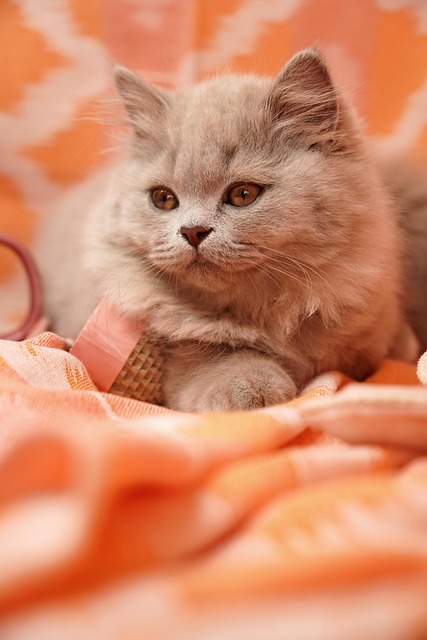
I first came across a lambkin cat while helping out in a small private grooming setup that occasionally handled rare and designer cat breeds. I had spent years working as a feline groomer and breeder assistant, mostly dealing with Persians, Scottish Folds, and mixed longhair cats, but the lambkin was different in a way that stood out immediately. Its coat was dense and curly, almost like a soft sponge that held onto every bit of air and movement in the room. I remember thinking this cat looked like it had been knitted by hand rather than born in the usual way.
The first time I handled a lambkin cat.
The lambkin cat is not a mainstream breed, and that was obvious the moment I held one for the first time. It has a dwarf-like body structure and a curled coat, developed through selective breeding of Munchkin and Selkirk Rex lines. In my hands, the cat felt surprisingly sturdy despite its small frame, and it moved with a slow, deliberate curiosity rather than nervous energy. I had handled many exotic mixes before, but this one felt unusually balanced in temperament.
What stood out most was how the coat behaved under light brushing. Instead of lying flat or tangling easily like some long-haired breeds, it bounced back slightly due to the curl pattern. A customer last spring brought in a young lambkin that had never been groomed professionally, and I could tell immediately that regular maintenance would matter more than occasional brushing. Their coat holds onto debris faster than people expect, especially around the legs and belly, where movement is constant.
Most lambkin cats I’ve worked with show a calm personality, though they can become stubborn if handling is rushed. I learned quickly that patience matters more than technique with this breed. They respond better when you work in short sessions instead of trying to finish everything at once.
Grooming routines I learned early.
Working with lambkin cats taught me that grooming routines have to be more structured than with standard short-haired breeds. Their curled coat does not mat as aggressively as Persian fur, but it can trap fine dust and loose hair in layers that are not immediately visible. I usually recommend gentle combing at least three to four times a week, depending on the cat’s activity level and home environment.
In one case, I had a client who struggled to maintain their lambkin’s coat because they underestimated how much indoor shedding can accumulate in a small apartment. I showed them a simple routine involving a soft metal comb, a light detangling spray, and short grooming intervals before feeding time. That small adjustment reduced matting issues within a few weeks and made the cat noticeably more comfortable during handling.
For owners who are unsure where to begin or need structured guidance, I often point them toward trusted feline care resources such as lambkin cat breeders. I have seen new owners benefit from learning about coat management expectations early, directly from experienced breeders or groomers, rather than relying on general cat care advice. It saves a lot of confusion later when the coat starts changing texture as the cat matures.
Bathing is another area where lambkin cats require moderation. I do not bathe them frequently unless necessary because over-washing can dry out their unique coat texture. Instead, I focus on spot cleaning and maintaining a stable brushing rhythm. This keeps their skin healthier and reduces stress during grooming sessions.
Health quirks and daily care
One thing I noticed early on with lambkin cats is that their structure requires careful monitoring, especially around joints and spine alignment. Since the breed involves dwarfism traits, their movement is slightly different from that of average domestic cats. They are active but tend to take shorter leaps and prefer grounded movement patterns.
I once worked with a lambkin that lived in a home full of high furniture and climbing spaces. The owner assumed the cat would behave like a typical agile domestic shorthair. After a few minor slips and hesitation during jumps, we adjusted the environment by adding low platforms and soft landing zones. The change made a visible difference in the cat’s confidence and daily activity.
Diet also plays a role in maintaining healthy joints and coat condition. I usually advise owners to avoid overfeeding, as weight gain can quickly stress their small frame. Balanced protein intake and controlled portions tend to work best. In my experience, even slight overfeeding shows up faster in lambkin cats than in standard breeds.
Another subtle issue I have observed is ear sensitivity due to folded or partially folded ear traits inherited from their lineage. Regular but gentle ear cleaning helps prevent buildup, especially in humid climates where moisture can linger longer than expected. I always remind owners to avoid aggressive cleaning tools and stick to soft, vet-approved solutions.
Living with a lambkin in a normal home
Living with a lambkin cat is not dramatically different from living with other affectionate indoor cats, but there are small adjustments that make the experience smoother. They tend to form strong bonds with one or two people in the household and often follow them quietly from room to room. I have seen this behavior in multiple homes, where the cat chooses a single favorite chair or window spot and returns to it consistently.
Noise levels in the home also matter more than people expect. Lamby cats do not usually react aggressively to sound, but they prefer predictable environments. Sudden loud changes can make them retreat for a while until they feel secure again. I noticed this during a visit to a home where construction work was happening next door, and the cat spent most of the day hidden under a couch blanket.
Playtime for lambkin cats should focus on controlled movement rather than high jumps. Wand toys, low rolling objects, and short interactive sessions tend to suit them best. They enjoy engagement but not excessive physical strain. Over time, I learned that reading their energy level is more important than following a fixed play schedule.
Despite their unusual appearance, lambkin cats adapt well to family environments when given proper structure and care. I have seen them thrive in small apartments as well as larger homes, as long as their grooming and comfort needs are not ignored. They are not fragile, but they are specific in what keeps them comfortable and balanced.
Every time I work with a lambkin cat, I am reminded that selective breeding can create something visually striking without removing the need for thoughtful care. Their charm lies not just in their appearance but in the steady, observant way they interact with their surroundings, and that is something I still find interesting even after years of handling different feline breeds.