Are Pansies Safe for Cats? What You Need to Know
A Veterinarian’s Real-World Take
As a practicing small-animal veterinarian, I get a surprising number of questions about garden plants. Most come from cat owners who noticed their pet nibbling on something they probably shouldn’t have. One plant that comes up often in spring is the pansies—those bright, cheerful flowers people plant along walkways and patios.
The short answer is this: pansies are generally considered non-toxic to cats. But as with most things in veterinary medicine, the real answer is a bit more nuanced than a simple yes or no.
What I’ve Seen in Practice
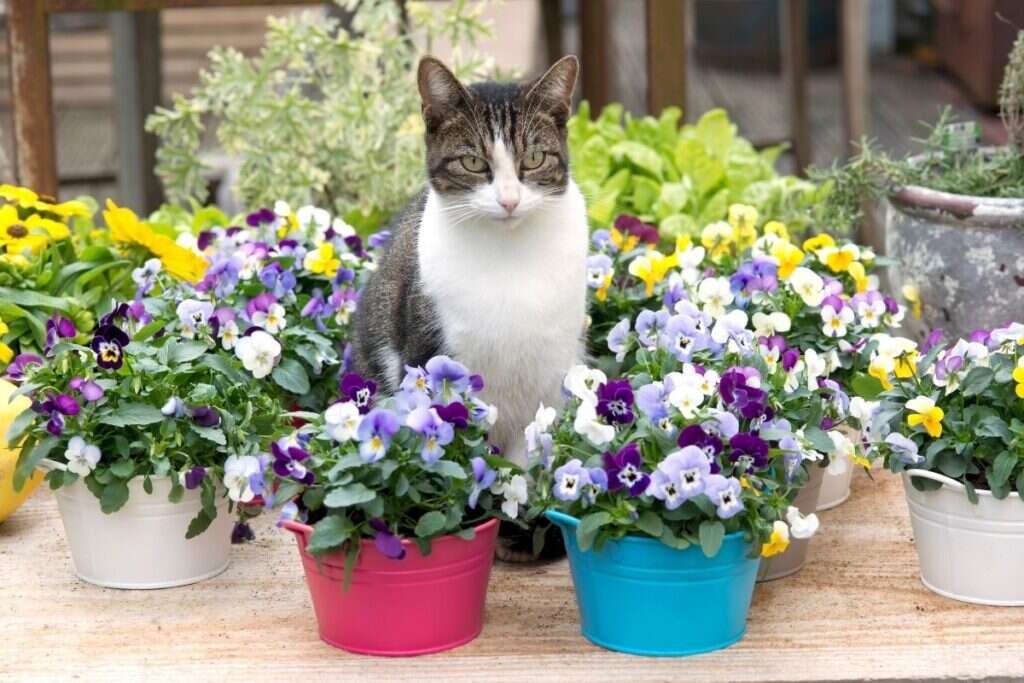
I remember a case from last spring—a young indoor-outdoor cat that had a habit of chewing anything leafy. The owner brought her in after noticing mild drooling and a bit of vomiting. They were worried because she’d been nibbling on newly planted pansies in their yard.
After examining the cat and ruling out more serious causes, I was fairly confident the pansies themselves weren’t toxic. The symptoms were mild and resolved within a day. In situations like this, what I often find is that the issue isn’t the plant’s toxicity—it’s the cat’s digestive system reacting to plant material.
Cats aren’t built to process plants well. Even non-toxic flowers can irritate the stomach.
Why Pansies Are Considered Safe
Pansies belong to the Viola genus, which is widely recognized as non-toxic to cats, dogs, and even humans. In fact, some varieties are used as edible garnishes.
In my experience, I’ve never treated a case of true poisoning caused by pansies alone. That’s not something I can say for many other common garden plants.
However, “non-toxic” doesn’t mean “harmless.”
The Real Risks I Warn Clients About
The bigger concern I share with pet owners isn’t the pansy itself—it’s everything around it.
- Pesticides and fertilizers
A few years ago, I treated a cat that had clear signs of toxicity—lethargy, drooling, and tremors. The owner initially blamed their flower bed, which included pansies. It turned out the real culprit was a recently applied pesticide.
This is far more common than people realize. Even “pet-safe” products can cause issues if ingested directly.
- Gastrointestinal upset
I’ve seen plenty of cats vomit after chewing on harmless plants. It’s not poisoning—it’s irritation. Some cats are just more sensitive.
- Habitual plant chewing
There’s also a behavioral side. Cats that develop a habit of chewing plants don’t discriminate well. Today it’s pansies. Tomorrow, it might be something genuinely dangerous, like lilies.
A Mistake I See Again and Again
One of the most common mistakes I see is owners assuming that if one plant in the garden is safe, the whole area is safe.
I had a client who proudly told me all their flowers were “cat-friendly.” That was mostly true—but tucked between the pansies were a few tulips. Their cat developed mild toxicity after chewing the bulbs.
It’s rarely just one plant in isolation. Gardens are mixed environments.
My Practical Advice as a Vet
If you’re keeping pansies and have cats, I don’t usually recommend removing them. But I do suggest a few precautions based on what I’ve seen over the years:
- Keep an eye on new planting areas—cats are curious about fresh soil and greenery.
- Avoid chemical treatments or use them very carefully.
- If your cat is a known plant-chewer, consider offering safer alternatives, such as cat grass.
- Watch for symptoms like repeated vomiting, drooling, or lethargy after outdoor access.
In most cases, a cat nibbling on pansies will be completely fine. But if symptoms go beyond mild stomach upset or last more than a day, that’s when I tell owners to bring their pet in.
Where I Draw the Line
If a client asks me directly, “Are pansies safe for my cat?” I tell them yes—with context.
I’m comfortable seeing pansies in a cat-friendly garden. I’m not comfortable seeing a cat that has free rein over a yard full of mixed, unidentified plants and recently treated soil.
That distinction matters more than the plant itself.
Final Thoughts From the Exam Room
In all my years of practice, pansies have never been the main problem—but they’ve been part of the story more than once. Usually, it is a red herring that leads us to something else.
So if your cat takes a bite out of your pansies, don’t panic. Just pay attention. Cats have a way of telling you when something isn’t right—you just have to know what to look for.