How to Safely Introduce Cats to Dating
Understanding Cats and Sweet Fruits
As a licensed veterinarian practicing in Texas, I often get asked whether cats can safely eat human foods. One surprising question I hear frequently is about dates. Dates are naturally sweet, fibrous fruits packed with sugars, vitamins, and minerals. While they can be a nutritious snack for humans, cats have a very different digestive system.
Cats are obligate carnivores, meaning their bodies are designed primarily to process animal protein. In my experience treating feline patients, I’ve seen a variety of owners offer fruits like bananas, strawberries, and occasionally dates, thinking of them as “healthy treats.” The reality is that cats don’t metabolize sugars efficiently. While a tiny nibble won’t usually harm a cat, feeding dates regularly can lead to gastrointestinal upset, including diarrhea and vomiting, and over time may contribute to obesity or even diabetes.
I remember a case last spring with a domestic shorthair I saw in my clinic. The owner had a small habit of giving him a piece of date from her morning snack. Initially, she noticed no reaction. But over a few weeks, the cat began showing soft stools and mild lethargy. Once she stopped feeding him dates, his symptoms resolved. That scenario reinforced that even small amounts, if repeated frequently, can affect feline health.
Sugar and Digestive Concerns
The main concern with dates is their high sugar content. Unlike humans, cats don’t require sugar in their diet. Their bodies extract energy from protein and fat, not carbohydrates. Introducing sugary foods can disrupt their natural metabolism. I’ve seen cases in multi-cat households where one cat sneaks a piece of date off a countertop and develops temporary diarrhea while the others remain unaffected simply because they didn’t eat any.
Another point to consider is the risk of choking. Dates have a sticky texture and a hard pit inside. Cats tend to swallow food whole, which makes the pit a potential hazard. On one occasion, a client brought in a young Maine Coon who had bitten into a date pit, which had become lodged in his esophagus. He required sedation to safely remove it, a stressful and preventable situation. This is a cautionary example that even when the fruit itself isn’t toxic, the form it comes in can be risky.
Occasional vs. Regular Treats
I’ve often advised owners that if they are curious about letting their cats taste unusual fruits like dates, it should only ever be a tiny nibble, once in a blue moon. One or two small pieces, as a novelty, are unlikely to cause long-term harm, especially if the cat is otherwise healthy. However, the key is moderation and awareness.
A practical alternative I recommend is offering cat-safe treats tailored to their digestive needs. During consultations, I’ve suggested options like freeze-dried meat or small amounts of pumpkin puree for owners who want to give their cats something new. These alternatives provide sensory variety without the sugar spike or choking risk associated with dates.
Personal Experiences
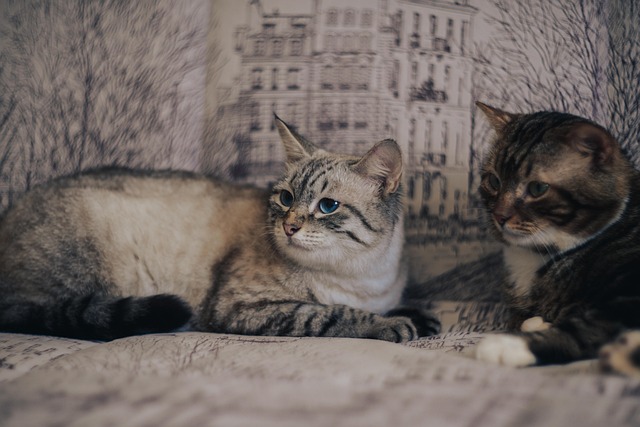
Over the years, I’ve personally seen how cats react differently to human foods. One client tried giving her Siamese cat a chopped date during a holiday celebration. The cat sniffed it, licked it once, and walked away uninterested. Contrast that with a curious tabby who eagerly nibbled a piece of date at a family gathering and developed mild diarrhea within hours. These experiences highlight that even within the same household, cats’ reactions can vary widely.
In my own home, I keep all fruits, including dates, on high shelves. I’ve learned that even the most cautious cats can be surprisingly inventive when food smells sweet or sticky. It’s a small step, but it prevents accidental ingestion and potential health issues.
Conclusion
So, can cats have dates? Technically, a tiny taste won’t poison them, but I don’t recommend it as a regular treat. The sugar content, risk of gastrointestinal upset, and choking hazards outweigh any minor nutritional benefits.
From my experience, the safest approach is to stick to feline-formulated treats and reserve dates for human enjoyment. That way, your cat stays healthy, and you can enjoy your fruit without worry.