How to Understand Maine Coon Cat Size with Expert Tips
The Gentle Giants of the Cat World
As a licensed veterinarian practicing in Texas, I’ve had the chance to care for a variety of cat breeds, but few leave the impression that Maine Coons do. Their size alone is remarkable. I remember meeting Thor, a four-year-old Maine Coon, who instantly filled the examination room with his presence. At first glance, he could easily be mistaken for a small dog rather than a typical house cat. Their stature is not just about length but also about bone structure and muscular build, which contributes to their reputation as gentle giants.
Maine Coons are one of the largest domestic cat breeds. Adult males often weigh between 13 and 18 pounds, sometimes more, while females are slightly smaller, usually between 8 and 12 pounds. But numbers alone don’t tell the whole story. I’ve seen men in my practice who tip the scales at over 20 pounds while still maintaining a healthy, athletic frame. Length is another standout feature—Maine Coons can stretch up to 40 inches from the tip of their nose to the end of their tail.
Growth Patterns and Maturity
One thing I’ve observed repeatedly is that Maine Coons take longer to reach their full size compared to other breeds. Unlike most domestic cats, which are considered adults around 12 months, Maine Coons often continue growing until they are 3 or even 4 years old. I treated a young male named Simba whose owner was worried about his size at 18 months; he still had room to grow. By the time Simba turned three, he had nearly doubled the weight he carried as a yearling.
This slower growth rate can be advantageous for monitoring health. I advise owners to track their Maine Coon’s weight and body condition carefully during these years. Rapid growth spurts, especially in males, can sometimes put strain on their hips and joints. Ensuring proper nutrition with high-quality protein and controlled calories is essential to support healthy bone and muscle development without excessive fat gain.
Physical Characteristics That Add to Size
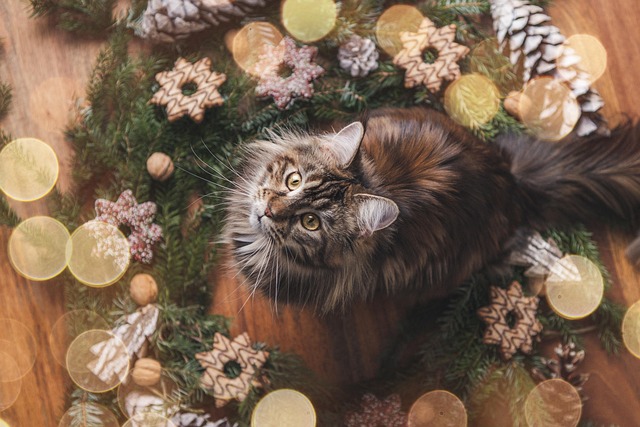
When I first encountered Luna, a female Maine Coon, in my clinic, I was struck by her large, tufted ears, bushy tail, and broad chest. These features aren’t just for show—they contribute to their overall mass and give the impression of an even larger cat. Their paws are substantial, with tufts of fur between the toes, which help them navigate snowy or rough terrain, reflecting the breed’s origins in the Northeastern United States.
Owners often assume that their Maine Coon’s size is unusual or even unhealthy. I’ve reassured many clients over the years that a large frame is normal for this breed. While obesity can be a concern in any cat, a Maine Coon’s weight needs to be considered relative to its length, bone structure, and muscle mass.
Personality Matches Their Size
What fascinates me most is that their size doesn’t come with an intimidating personality. In fact, I’ve found that Maine Coons are affectionate, sociable, and playful despite their large frames. A customer last spring brought in her male Maine Coon, Thor, for a routine check-up, and he spent most of the visit rubbing against my legs and gently pawing at me. His size commanded attention, but his gentle behavior reminded me why they’re often called the “dog-like cat.”
Considerations for Prospective Owners
From a veterinary perspective, potential owners should be prepared for a Maine Coon’s size. Large litter boxes, spacious feeding areas, and sturdy furniture help accommodate their stature. Regular health checks are vital, as their joints and heart are areas that benefit from ongoing monitoring due to their size. I often emphasize this during consultations because an owner’s awareness can make a significant difference in ensuring a Maine Coon lives a long, healthy life.
In my experience, understanding their growth, maintaining proper nutrition, and providing suitable living arrangements allows owners to fully appreciate the majesty of these gentle giants. Their impressive size is part of their charm, but when paired with attentive care, they remain happy, healthy, and affectionate family members.