What It Means When Your Dog’s Poop Is White
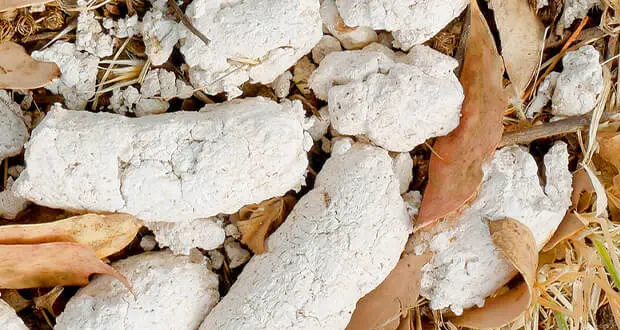
As a licensed veterinarian practicing in Texas for over a decade, I’ve seen more unusual dog stools than I can count. One pattern that always raises questions is white or chalky poop. In my experience, it’s a signal that shouldn’t be ignored, though the underlying reasons can range from harmless to serious.
I first noticed this in a Labrador mix I treated several years ago. The owner brought him in, concerned because his normally chocolate-brown stool had turned a pale, almost chalky white. At first glance, many assume it’s just a dietary quirk. But after running blood work and reviewing his diet, it became clear that the discoloration was linked to a liver issue that required attention. Early intervention made all the difference.
Common Causes
White or very pale stool in dogs often points to one of two main issues: bile deficiency or excessive calcium.
- Bile deficiency: Normally, bile gives stool its brown color. A lack of bile can indicate problems with the liver or gallbladder. I’ve encountered several cases where elderly dogs with suddenly pale stools were actually developing early liver disease. Prompt testing and monitoring are key.
- Excess calcium or dietary changes: Puppies or dogs fed a lot of bone-heavy treats sometimes produce chalky stools. I remember a small terrier whose owners fed it raw chicken necks daily. The stools were almost white, yet the dog was otherwise healthy. Gradually adjusting the diet returned the stool to a normal brown.
- Medication or supplements: Certain medications, such as antacids containing aluminum hydroxide, can temporarily lighten stool color. I’ve seen a client start a new digestive supplement, and within days, the dog’s stool shifted color—but it returned to normal after discontinuing the supplement.
Red Flags That Warrant Immediate Attention
While dietary causes are usually benign, I’ve learned never to dismiss sudden or persistent white stools. Look for accompanying signs such as vomiting, lethargy, yellowing of gums or eyes, or loss of appetite.
In one memorable case, a middle-aged Beagle showed white stools for a week before also developing vomiting and jaundice. Testing revealed pancreatitis and liver involvement, conditions that required hospitalization. Early recognition can save lives.
Practical Steps for Dog Owners
When I advise owners, I recommend the following approach:
- Observe the frequency and consistency – A single pale stool might be harmless, but repeated instances warrant investigation.
- Review diet and treats – High calcium diets or large amounts of bones can temporarily lighten stool.
- Schedule a vet visit if it persists – Blood tests, ultrasound, or stool analysis can identify liver, gallbladder, or pancreatic issues early.
I’ve found that many dog owners initially panic when they see white stool, only to realize it’s a dietary effect. Yet, in other situations, taking early action has prevented serious illness. My advice is to treat white or chalky stool as a clue rather than a diagnosis. Watch, assess, and when in doubt, bring your dog in for a professional evaluation.
Over the years, this approach has saved many dogs from prolonged discomfort or severe disease. In my experience, paying attention to stool color is one of the simplest ways to catch health issues before they escalate.