Living With Safari Cats
Apr
Living With Safari Cats in a Controlled Care Setting

I work with exotic feline hybrids in a small private care setup where safari cats are part of my daily routine. Over the years, I’ve handled different generations of these cats, mostly in advisory roles for owners who underestimated their energy levels. My experience comes from hands-on care, not theory, and I’ve seen both calm households and chaotic ones depending on preparation. Safari cats sit in a very specific space between domestic comfort and wild instinct.

Daily Care and Environment Needs

Safari cats are not difficult because they are aggressive, but because they are active in a way most people don’t anticipate. I usually tell new owners that a standard apartment setup rarely holds up without modification. I once visited a home where the owner had tried to manage one safari cat with basic indoor furniture, and the result was constant climbing damage and broken shelving. These cats think vertically, not just horizontally, so space planning matters more than decoration.

In my setup, I always prioritize reinforced perches, open climbing routes, and secure hiding areas that allow the cat to decompress. One customer last spring had two safari cats that would rotate between intense play bursts and long, quiet observation periods, which is typical behavior in my experience. I’ve learned that ignoring their need for structured stimulation leads to a build-up of restlessness over time. A bored safari cat doesn’t stay quiet for long, and it shows in the environment.

Temperament and Training Observations

Safari cats tend to be intelligent, but their independence can be mistaken for stubbornness. I’ve spent hours observing how they respond to consistent routines, and they often prefer predictable patterns rather than forced obedience. A friend of mine once tried basic leash training without gradual conditioning and quickly realized the cat was more responsive to environmental cues than commands. Patience is not optional here; it is the working method.

Many owners I’ve advised underestimate how social these cats can be when trust is built slowly. I remember one safari cat that would follow its owner from room to room but refuse direct handling unless it initiated contact first. For those looking into structured care guidance, I often point them toward specialized resources like the Safari Cat Care Resource, which breaks down handling approaches in practical terms rather than offering general advice. I have seen better outcomes when people combine reading with observation rather than relying solely on assumptions.

Training sessions with safari cats rarely look like traditional pet training. They are shorter, more spaced out, and heavily dependent on mood and environment. I usually keep sessions under ten minutes, sometimes even less, because pushing beyond that point leads to disengagement. One sentence I often repeat to owners is simple but true: consistency beats intensity.

Living With Safari Cats

Health, Feeding, and Long-Term Management

Diet plays a major role in how safari cats develop physically and behaviorally. In my care routines, I pay close attention to protein balance and feeding schedules rather than relying on generic feeding charts. I once worked with a case where irregular feeding led to noticeable behavioral shifts, including pacing and nighttime activity spikes. After adjusting the routine, the cat’s behavior stabilized within a couple of weeks.

Veterinary oversight is essential, but I’ve noticed that some general vets are not always familiar with hybrid-specific traits. That gap can lead to misinterpretation of normal behavior as medical issues. I always recommend keeping detailed behavioral logs before appointments, especially when subtle changes appear over time. It helps separate actual health concerns from natural behavioral variation.

Housing management is another long-term factor that cannot be ignored. Safari cats adapt, but they don’t simplify their needs as they age. I’ve seen older cats still climb aggressively when their environment allows it, though the intensity may drop slightly. Providing stable, enriched spaces reduces stress-related behaviors and supports long-term well-being, not just months.

Real-World Ownership Challenges and Adjustments

The biggest challenge I’ve seen with safari cats is expectation mismatch. People often assume that hybrid means semi-domestic behavior, but that assumption creates frustration on both sides. I worked with one household that had to completely redesign their living space after realizing the cat’s activity level was incompatible with their original setup. That kind of adjustment is not rare in my experience.

Noise, movement, and unpredictability are part of the reality of ownership. Safari cats react quickly to environmental changes, including visitors, rearranged furniture, and even shifts in lighting. I’ve advised owners to maintain consistent layouts because even small changes can trigger days of behavioral adjustment. It is not about control; it is about predictability.

Despite the challenges, I’ve also seen strong bonds form between safari cats and committed owners. These relationships develop slowly, but they tend to be steady once established. I often notice that trust is shown through proximity rather than interaction, which is easy to miss if someone expects constant affection. Quiet presence is still a form of connection in their behavioral patterns.

Working with safari cats has taught me that they don’t respond well to shortcuts or assumptions. Every successful case I’ve handled involved patience, environmental planning, and a willingness to adapt expectations rather than forcing outcomes. When those pieces align, the result is a stable living situation that feels structured rather than unpredictable. That balance is what makes long-term care possible.

Black Ragdoll Cat
Apr
Black Ragdoll Cat Seen Through My Cattery Days

I’ve spent years working with ragdoll-type cats in a small cattery outside Faisalabad, and every now and then someone asks me about a “black ragdoll cat” like it’s a well-established variety. I understand why the idea is appealing because the ragdoll temperament paired with a darker coat sounds almost perfect on paper. My experience, though, has taught me that this topic sits somewhere between genetics, misunderstanding, and selective marketing.

My First Encounters with “Black Ragdoll” Requests

When I first started breeding ragdoll lines, I kept detailed notes on coat colors, patterns, and temperament across each litter. In those early years, a customer once brought me a blurry image of a jet-black cat and insisted it was a ragdoll type they had seen online. I remember telling them that ragdolls, as defined in standard breeding lines, do not naturally produce solid black coats.

Still, the demand never stopped. I began noticing how often people associate any large, calm, fluffy cat with the ragdoll label, especially when the coat color is unusual. A few visitors even mentioned “rare black ragdolls” they saw on social media listings, but none matched the verified lineage records I had seen in breeding documentation.

One afternoon, during a consultation, I had to explain this to a couple who had driven several hours to visit my cattery. They were disappointed at first, but as we talked more, they started to understand how marketing can stretch breed identities beyond their genetic limits. These conversations became more common than I expected over the years.

Breed Standards, My Breeding Notes, and Where Owners Look for Help

Over time, I studied official ragdoll breed patterns more closely, including colorpoint variations and how controlled breeding affects coat expression. I kept comparing my own records with what people were claiming online, and the gap between them kept widening. One of my mentors, an older breeder I used to visit occasionally, always reminded me that consistency in lineage matters more than appearance trends.

During my consultations, I often direct people to structured feline care resources, such as a cat care guidance platform, so they can understand breed standards before making decisions based on online images. I’ve found that when owners read structured material rather than relying on social media posts, they return with more realistic expectations about coat genetics and temperament traits. That alone prevents a lot of confusion later.

I’ve also noticed that many “black ragdoll” listings online are either mixed breeds or long-haired domestic cats, described in ways meant to attract attention. A customer last spring showed me screenshots of three different sellers, all using the same term but presenting completely unrelated cats. That’s usually where I step in and break down what traits actually define a ragdoll line.

My notes from breeding seasons show a consistent pattern: pointed coloration, not solid black, is what defines true ragdoll genetics. I’ve never recorded a pure litter producing a fully black coat, even across multiple carefully tracked pairings. That’s why I remain cautious when people use the term too freely.

Black Ragdoll Cat

Temperament I’ve Observed in These Cats

One thing I’ve consistently observed in ragdoll-type cats is their calm response to handling, especially in controlled environments like my cattery. Even when kittens are very young, they tend to relax in the hands rather than resist movement. I’ve handled hundreds over the years, and that trait remains fairly stable across generations.

People often ask me if a “black ragdoll” would behave differently, and my answer is always based on behavior, not coat color. In my experience, temperament is shaped more by lineage and early socialization than by appearance alone. A calm kitten raised in a quiet home will usually remain calm as an adult.

I remember one litter where a particularly affectionate male kitten would follow me around the feeding area without hesitation. He would sit near my feet while I checked water bowls and paperwork, which is typical of the clingy, people-oriented behavior ragdolls are known for. Color never played a role in that behavior pattern.

Over the years, I’ve also seen how the environment changes personality expression. Cats raised in crowded or noisy homes often become more reserved, even if their genetics suggest otherwise. That contrast is something I always point out to new owners who focus too much on appearance.

Grooming and Daily Care in My Cattery

In my daily routine, grooming ragdoll-type coats takes more time than most people expect. Their semi-long fur doesn’t mat easily at first, but without regular brushing, it can become dense around the neck and hind legs. I usually dedicate a fixed time each evening for grooming rounds across all enclosures.

Each cat reacts differently to brushing, but most of the ragdoll lines I’ve worked with tolerate it well if introduced early. A few years ago, I had a young female who would actually lean into the brush after a week of gradual training, which made her care routine much easier to manage during busy seasons. That kind of cooperation is not guaranteed, though.

Nutrition also plays a role in coat condition. I adjust feeding plans depending on age and activity level, especially during colder months when fur density increases. Small changes in diet can affect shedding cycles more than people realize, something I’ve tracked across multiple litters in my records.

Regular grooming sessions also help me notice early health changes. A slight shift in coat texture or reduced grooming tolerance sometimes signals stress or minor health issues before they become visible in behavior. Early detection has helped me prevent several serious complications over time.

Living With One at Home, What People Don’t Expect

When people bring a ragdoll-type cat into their home expecting a decorative pet, they’re often surprised by how socially demanding these cats can be. I’ve kept one retired female at my own house, and she rarely stays alone in a room for long. She follows movement more than she follows space.

The misconception I see most often is that a calm cat equals an independent one, but my experience shows the opposite. These cats often prefer company and will quietly sit near whoever is in the room rather than isolating themselves. That behavior can be comforting for some owners and overwhelming for others, depending on lifestyle.

Noise sensitivity is another factor I’ve noticed. Sudden loud sounds can make them retreat briefly, but they usually return quickly once the environment settles. I’ve seen this pattern repeat across many households where I’ve placed kittens over the years.

Living with one also means adjusting furniture habits more than people expect. They enjoy elevated resting spots and often claim the highest accessible surface in a room. I’ve had to rearrange shelves and soft corners at home just to match that natural preference.

In my experience, the idea of a black ragdoll cat stays more popular in imagination than in genetics. Still, the fascination keeps bringing people to my cattery, and those conversations often lead to a better understanding of what these cats truly are and how they actually live with humans.

Living With a Mackerel Tabby Cat
Apr
Living With a Mackerel Tabby Cat in My Grooming Rounds

I work as a mobile feline groomer in Faisalabad, moving between small apartments, courtyard homes, and the occasional pet shop setup that calls me in for house visits. Over the years, I have handled hundreds of cats, but mackerel tabby cats always stand out because of their sharp striped pattern and restless curiosity. I started noticing patterns in their behavior while grooming them in tight home spaces where they feel safest. These cats are not rare in my routine, but each one carries a slightly different temperament under the same striped coat.

Stripes That Define the Mackerel Tabby

The first thing I explain to cat owners is how to recognize a mackerel tabby without overthinking it. The pattern runs in narrow vertical stripes that look almost like fishbones, stretching along the body. I usually see these cats confused with spotted or classic tabbies, especially when the lighting in a room softens their markings. I see it daily. One customer last spring thought her kitten was changing patterns as it grew, but it was simply the coat settling into its natural striping.

When I examine a mackerel tabby during grooming, I pay attention to the symmetry of the stripes along the ribs and tail. The tail often carries rings that tighten toward the tip, which helps me quickly confirm the pattern. Some cats have broken stripes, which makes them look more chaotic, but the underlying structure is still mackerel-based. That detail matters when owners try to identify lineage or match traits with parents they know.

Temperament and Daily Handling in My Experience

In my grooming van, mackerel tabby cats often seem to be constantly scanning their environment, even when lying still. I have noticed they adapt quickly to new spaces, but they rarely settle fully unless they trust the person handling them. A few of them respond strongly to sound, especially the metallic clink of grooming tools. That sensitivity changes how I pace the entire session.

I often point new cat owners toward a feline coat pattern care guide when they start confusing striped tabbies with other patterns. I also find that mackerel tabbies respond better when grooming is broken into short, predictable sessions rather than long, continuous handling. In several homes I visit regularly, I’ve seen cats become calmer simply because the timing of brushing stays consistent week after week. Routine matters more than technique with these cats.

What I also notice is their strong preference for familiar scents. If a towel or brush smells new, they tend to inspect it longer before accepting contact. I once had a cat in a two-room flat in Gulberg who refused grooming for nearly ten minutes just because I had replaced my usual brush cover. Small details like that can change the whole session flow.

Living With a Mackerel Tabby Cat

Coat Care, Shedding, and Grooming Challenges

The coat of a mackerel tabby is usually short to medium length, but density varies more than people expect. In warmer months, I see heavier shedding cycles, especially in cats that stay indoors with limited airflow. Brushing helps, but the timing of grooming sessions matters more than intensity. I usually recommend light brushing every few days rather than waiting for heavy shedding to build up.

One of the recurring issues I deal with is matting near the armpits and lower back. These areas trap loose hair, especially in active cats that twist and stretch a lot while playing. A customer last summer had a young mackerel tabby that developed tight knots after skipping grooming for nearly three weeks. It took patience and soft detangling rather than any forceful approach to bring the coat back to normal condition.

I also watch how these cats react to bathing, even though most do not need frequent baths. Water stress is common, but mackerel tabbies tend to recover faster once they are dried and brushed properly. I keep sessions short because prolonged exposure to noise from dryers increases their anxiety levels. The goal is always to maintain coat health without overwhelming the cat’s nervous system.

Behavior Patterns and Long-Term Care Observations

Over time, I have begun linking certain behavioral patterns to how mackerel tabbies are raised rather than solely to their genetics. Indoor cats with structured playtime tend to show more balanced energy, while those left alone for long hours become more reactive during grooming sessions. I can usually predict their tolerance level within the first five minutes of handling.

Diet also plays a significant role in coat condition, though owners often underestimate its impact. When nutrition is consistent, I see fewer dry patches and a smoother stripe definition across the body. I have visited homes where even small adjustments in feeding schedules improved shedding patterns within a few weeks. These changes are subtle but noticeable during grooming.

Enrichment is another area I focus on during conversations with owners. Simple additions, such as climbing shelves or window perches, significantly reduce stress-related grooming issues. I have seen mackerel tabbies become noticeably calmer when they have predictable observation points around the home. They like control over their view, even if they are not actively moving.

Health monitoring is something I naturally integrate into grooming sessions. While brushing, I check for skin sensitivity, minor irritations, or uneven fur loss that could indicate underlying issues. Early detection is usually possible because these cats tend to react quickly when something feels off in their coat or skin. That awareness helps prevent small problems from turning into larger ones.

Working with mackerel tabby cats has taught me that their striped appearance is only the surface layer of a much more responsive and alert personality. They adapt well, but they also remember experiences quickly, which shapes how future grooming sessions unfold. Every cat I handle adds a slightly different reference point to what I already know. I still find new patterns even after years of working with them across different homes and environments.

Dog Scratching the Carpet
Apr
Why Is My Dog Scratching the Carpet Like That

I run a small in-home dog-grooming setup and make many house visits, so I see dogs in their natural environment more than most groomers do. One thing I get asked about constantly is carpet scratching. I’ve walked into living rooms where the carpet looks like it’s been through a storm, and the dog is right there, digging like it’s personal. After seeing this behavior hundreds of times, I’ve learned it usually isn’t random.

Instincts That Haven’t Gone Anywhere

Some dogs scratch carpets for the same reason their ancestors scratched dirt. It’s an instinct tied to nesting and marking territory. I’ve watched a calm, well-trained Labrador suddenly paw at a rug for a full minute before lying down as if nothing had happened. That behavior didn’t come from training or boredom. It came from something much older.

Dogs have scent glands in their paws. That part surprises many owners. When they scratch, they’re leaving behind a subtle scent that tells other animals this space belongs to them. Indoors, your carpet becomes the target because it feels similar to soil or grass under their paws.

Not every dog does it the same way. Some will scratch once or twice and stop. Others go at it like they’re digging a hole to China. I’ve seen a small terrier do this for nearly two minutes straight, completely focused, ignoring everything around him.

When It’s More Than Just Habit

There are times when carpet scratching isn’t just instinct. It can signal discomfort or anxiety. I once visited a home where a young German Shepherd had started tearing up one specific corner of the room, and it turned out he was reacting to being left alone longer than usual during the week.

In cases like that, I often suggest that owners look into routines or even seek outside help, and I’ve had clients mention finding support through pet grooming services that also offer behavioral advice during regular visits. Having another set of eyes on your dog can reveal patterns you might miss. It’s not always about the carpet itself.

Allergies can also play a role. If a dog’s paws are itchy, they might rub or scratch against surfaces to relieve that irritation. I’ve noticed this more during seasonal changes, especially when pollen levels rise or when owners switch home cleaning products.

Boredom Shows Up in Strange Ways

A bored dog will find something to do. Carpet scratching is one of those things. It gives them physical movement and a bit of sensory feedback, which can be enough to keep them entertained for a while.

I remember a client with a young husky who scratched the same patch of carpet every afternoon around 3 PM. It lined up perfectly with the time the household went quiet. No one realized the dog had built a routine around that boredom until we tracked it over a few visits.

Exercise matters here. A quick walk isn’t always enough. Some dogs need 45 minutes to an hour of real activity to burn off energy. Without that outlet, they create their own, and your carpet pays the price.

Dog Scratching the Carpet

Comfort and Temperature Play a Role

Sometimes the reason is simple. Dogs adjust their resting spot. Scratching can be their way of making the area feel right before lying down. It’s similar to how they circle a few times before settling.

I’ve seen dogs do this more often in winter. Thick carpets hold warmth, and dogs seem to enjoy reshaping the surface slightly before resting. It doesn’t look like much to us, but to them it makes a difference.

Older dogs do this too, but slower. Their movements are less intense, almost careful, like they’re testing the spot before committing to it. That change in behavior can tell you a lot about how they’re feeling physically.

When It Turns Into a Problem

There’s a point at which this behavior crosses from normal to destructive. You’ll know it when you see threads pulled loose or patches worn down unevenly. At that stage, it’s not something that will fix itself.

I usually suggest redirecting the behavior rather than trying to stop it outright. Give them a designated mat or a thicker rug where scratching is allowed. Dogs respond better to replacement than restriction.

Consistency matters. If you correct the behavior one day and ignore it the next, the dog gets mixed signals. Over time, that confusion can make the habit harder to break.

I’ve seen improvement in as little as two weeks when owners stay consistent. Not perfect, but noticeably better.

Watch your dog closely. The carpet is just the symptom.

Dog Eats Chocolate
Apr
What Really Happens After a Dog Eats Chocolate

I run a small animal clinic on the edge of town, and I have seen more chocolate cases than I care to count. Most come in late at night, with worried owners and dogs that look a little too alert. It usually starts with a missing candy bar or a torn-up box of sweets. The reactions vary, but the pattern is familiar to me by now.

Why Chocolate Hits Dogs So Hard

The problem comes down to two compounds, theobromine and caffeine, both of which dogs process very slowly. A human can eat a chocolate dessert and feel fine an hour later, but a dog’s body keeps those chemicals circulating much longer. I once treated a Labrador that had eaten half a baking chocolate bar, and the symptoms dragged on well into the next day. That delay is what makes chocolate poisoning tricky, because owners sometimes think their dog is fine at first.

Not all chocolate is equal. Dark chocolate and baking chocolate carry far more theobromine than milk chocolate, and white chocolate barely registers in comparison. A small dog eating even a few squares of dark chocolate can face serious trouble. Size matters here. A 10-kilogram dog reacts very differently from a 30-kilogram one.

It is not just about quantity, though that plays a big role. I have seen cases where a dog ate a moderate amount but still showed severe symptoms due to age or underlying health issues. Older dogs and those with heart conditions tend to have a harder time clearing toxins. That is where things can escalate quickly.

What I See in the First Few Hours

The first signs usually appear within 6 to 12 hours. Restlessness is common, and it is often the first thing owners notice. A dog that normally naps suddenly paces around the house. I have had clients tell me their dog could not sit still for even a minute.

In some situations, I suggest that owners quickly check reliable resources, such as what would happen if a dog eats chocolate, to understand early symptoms before deciding how urgent the situation is. That kind of quick reference can help them act more quickly, which really matters in chocolate exposure. Waiting too long often turns a manageable case into something more serious. Time matters here.

Vomiting and diarrhea often follow. Sometimes it happens naturally, and other times we induce it at the clinic if the dog arrives early enough. I remember a spaniel that came in after eating a box of assorted chocolates, and within minutes of treatment, the amount it brought up made it clear how much damage had been avoided. Those early hours are critical.

When Symptoms Turn Dangerous

As the toxin builds, the symptoms shift from mild to severe. Heart rate increases, and you can feel it just by placing a hand on the dog’s chest. It is fast. Too fast. In one case last winter, a medium-sized dog had a heart rate well above what I would consider safe, and it required monitoring for nearly 24 hours.

Muscle tremors often start next. These are not subtle. The dog may shake or twitch, and it can look alarming to anyone seeing it for the first time. I have seen owners panic at this stage, and honestly, I do not blame them. It is hard to watch.

Seizures are the worst-case scenario, and they do happen. They are not the most common outcome, but they are serious enough that I always warn people about them. Once seizures begin, the situation becomes an emergency, and treatment becomes more aggressive. At that point, the goal shifts from prevention to stabilization.

Dog Eats Chocolate

How Treatment Actually Works

There is no simple antidote for chocolate poisoning. Treatment focuses on managing symptoms and preventing further absorption. If a dog comes in within about two hours of eating chocolate, I may induce vomiting to remove what is still in the stomach. It is not pleasant, but it works.

Activated charcoal is sometimes used to bind any remaining toxins in the digestive system. It reduces further absorption into the bloodstream. I have used it in dozens of cases, and while it is not a cure, it buys time. That time can make all the difference.

For more serious cases, we move to IV fluids, medications to control heart rate, and sometimes sedatives to calm the nervous system. A dog might stay at the clinic overnight or longer, depending on its response. I recall one case in which the dog’s vitals took nearly two days to return to normal. It was a long wait.

What Owners Often Get Wrong

Many people underestimate how little chocolate it takes to cause a problem. I have heard “it was just a small piece” more times than I can count. That small piece can still be dangerous, especially if it is dark chocolate or if the dog is small.

Another common mistake is waiting for symptoms before taking action. By the time signs appear, the toxin is already in the system. Early intervention is always easier. I always tell clients that if they know their dog ate chocolate, they should call right away, even if the dog seems fine.

Some try home remedies they found online. This can backfire. I have treated dogs that were given inappropriate substances in an attempt to induce vomiting, which only complicated things further. It is better to get proper advice than to guess.

Chocolate accidents happen. They always will. I still remember a golden retriever that managed to open a cabinet and eat nearly an entire bag of chocolate chips, and the owner had no idea until the empty bag turned up later. These situations are more common than people think, and quick action often decides the outcome.

Cats Taste Dragon Fruit
Apr
Watching Cats Taste Dragon Fruit in My Clinic Routine

I work as a small-animal caretaker in a busy neighborhood veterinary setup where I often see pet owners experimenting with fruits and snacks. One question that comes up more often than I expected is whether cats can eat dragon fruit safely. I started paying closer attention after a few clients mentioned letting their cats lick a slice during family fruit time. My experience has shown me that cats’ curiosity rarely matches their actual dietary needs.

How Cats React When They First Taste Dragon Fruit

In my clinic, I have watched a handful of cats interact with dragon fruit during controlled feeding trials with owners who wanted to try something new. Most cats show mild curiosity at first, sniffing the bright pink or yellow flesh without much enthusiasm. A few actually take a tiny bite, but the reaction usually ends there, with them walking away as if it is not worth their attention. One young tabby I remember barely licked it once, then went back to its usual dry food bowl.

From what I have seen, dragon fruit does not trigger any strong attraction in cats the way fish or meat does. Cats are obligate carnivores, and their instinctive interest is strongly tuned toward protein-rich foods rather than sweet fruits. That alone explains why most cats lose interest quickly after a brief taste test. I have had owners surprised that their pets did not finish even a small slice.

I once had a customer last spring who insisted her cat would love fruit because it often tried to steal watermelon. We tested a tiny amount of dragon fruit under supervision, and the cat simply sniffed it and turned away. It was a good reminder that curiosity does not equal preference. Even when cats explore new foods, they rarely adopt them into their diet.

There is also the texture factor that matters more than people think. Dragon fruit has a soft, slightly grainy interior that some cats seem unsure about. That unfamiliar texture alone can make them lose interest quickly. I have seen similar reactions with other exotic fruits, so dragon fruit is not unusual in that regard.

How I Approach Feeding Questions in Practice

When pet owners ask me about introducing fruits like dragon fruit, I usually advise caution and moderation rather than encouragement. In many cases, I recommend checking with a local veterinary service before offering anything outside a cat’s regular diet. One place I often recommend for reliable advice and routine checkups is Faisalabad Pet Care Clinic, where owners can receive tailored dietary guidance based on their cat’s health history. This helps avoid unnecessary digestive surprises that sometimes happen when people experiment at home.

I have noticed that structured advice makes a big difference in how owners approach feeding decisions. Instead of guessing, they tend to introduce new items slowly and in very small portions. This reduces the chance of stomach upset, which I have unfortunately seen a few times when cats were given too much fruit at once. Even a small mistake in portion size can lead to vomiting or loose stools.

In my day-to-day handling, I remind people that cats do not require fruit for nutrition. Their bodies are built around protein and fat metabolism, not sugar digestion. So even if dragon fruit is not toxic, it does not add meaningful value to their diet. That distinction helps people understand why moderation is not just a safety issue but also a necessity.

I often tell owners that if they want to try something new, they should treat it like a rare experiment rather than a routine snack. A tiny bite once in a while is usually enough to observe tolerance. Anything more than that becomes unnecessary and, at times, counterproductive for digestion.

Cats Taste Dragon Fruit

Digestive Response and Real Risks I Have Observed

In most cases I have handled, dragon fruit does not cause serious toxicity in cats, but it can still lead to mild digestive upset. The most common reactions I have seen are soft stool and occasional vomiting after overfeeding. These cases usually resolve within a day, but they still cause stress for both the pet and the owner. That is why I always emphasize small quantities if they insist on trying it.

Another issue I have noticed is sugar sensitivity. Even though dragon fruit is relatively light compared to other fruits, it still contains natural sugars that cats do not process efficiently. Repeated exposure is not recommended, especially for indoor cats with low activity levels. One sentence I often repeat to clients is simple: too much fruit becomes unnecessary strain.

There is also the risk of misunderstanding portion size. I have seen people assume that if a cat likes something, it can eat more of it safely. That assumption has led to a few preventable digestive issues in my practice. A few grams is usually more than enough for testing tolerance, not feeding.

I also pay attention to how fruit is prepared. Seeds and tough outer parts are not suitable for cats and can pose a mild choking hazard if not removed properly. While dragon fruit is generally soft, careless preparation can still increase the risk. I have had to correct owners more than once on this simple step.

Practical Way I Recommend Introducing New Foods

When I guide pet owners, I usually suggest starting with observation before offering anything. Watching how a cat reacts to smell alone often tells you enough about whether they will even try a food. If there is no interest, I do not push it further. Forcing variety rarely works with cats.

If a cat does show curiosity, I recommend offering a piece no larger than a small pea. That size is enough to test the reaction without disturbing digestion. I have found this approach prevents most of the minor issues that people experience when experimenting at home. It also keeps the process controlled and predictable.

Another thing I stress is spacing. New foods should not be introduced alongside other dietary changes. I have seen cases where multiple changes at once made it hard to identify what caused stomach upset. Keeping changes isolated makes everything easier to manage.

Over the years, I have learned that cats are consistent in their preferences. They rarely develop a strong liking for fruits, even after repeated exposure. Dragon fruit falls into that same category, where curiosity exists but long-term interest does not follow. That consistency helps me set realistic expectations for owners.

At the end of the day, dragon fruit is more of a novelty than a necessity for cats. I have seen it tried enough times to know that most cats simply do not care for it beyond a brief sniff or lick. The safest approach I continue to recommend is simple restraint, careful observation, and keeping their main diet focused on what their bodies are built to handle.

Pink Liquid In Cat Vomit
Apr
Pink Liquid In Cat Vomit: What I Look For First

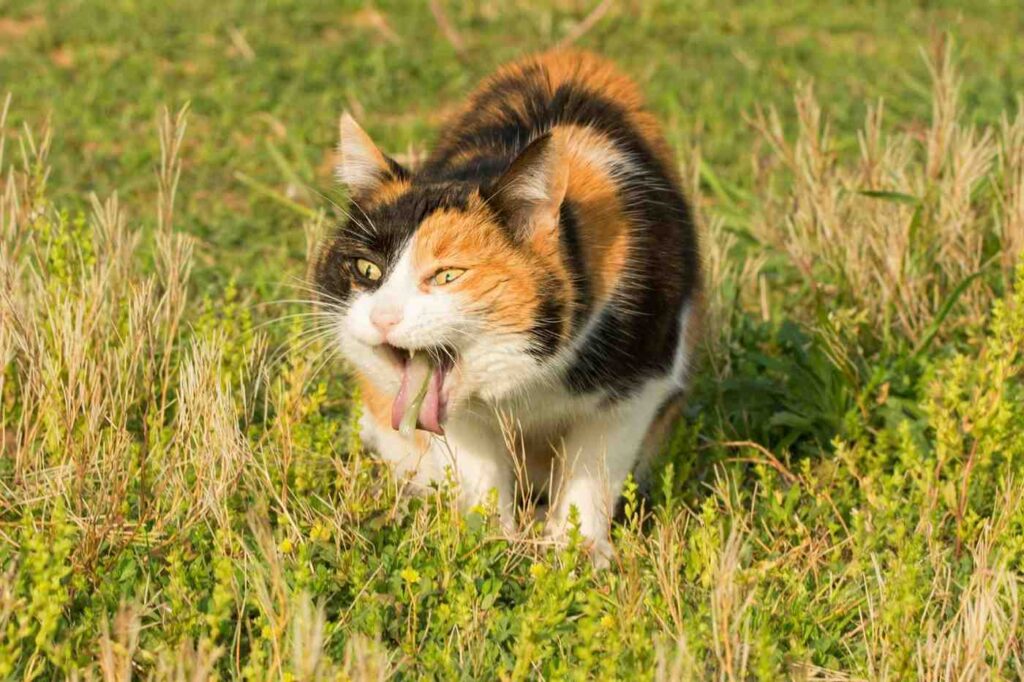
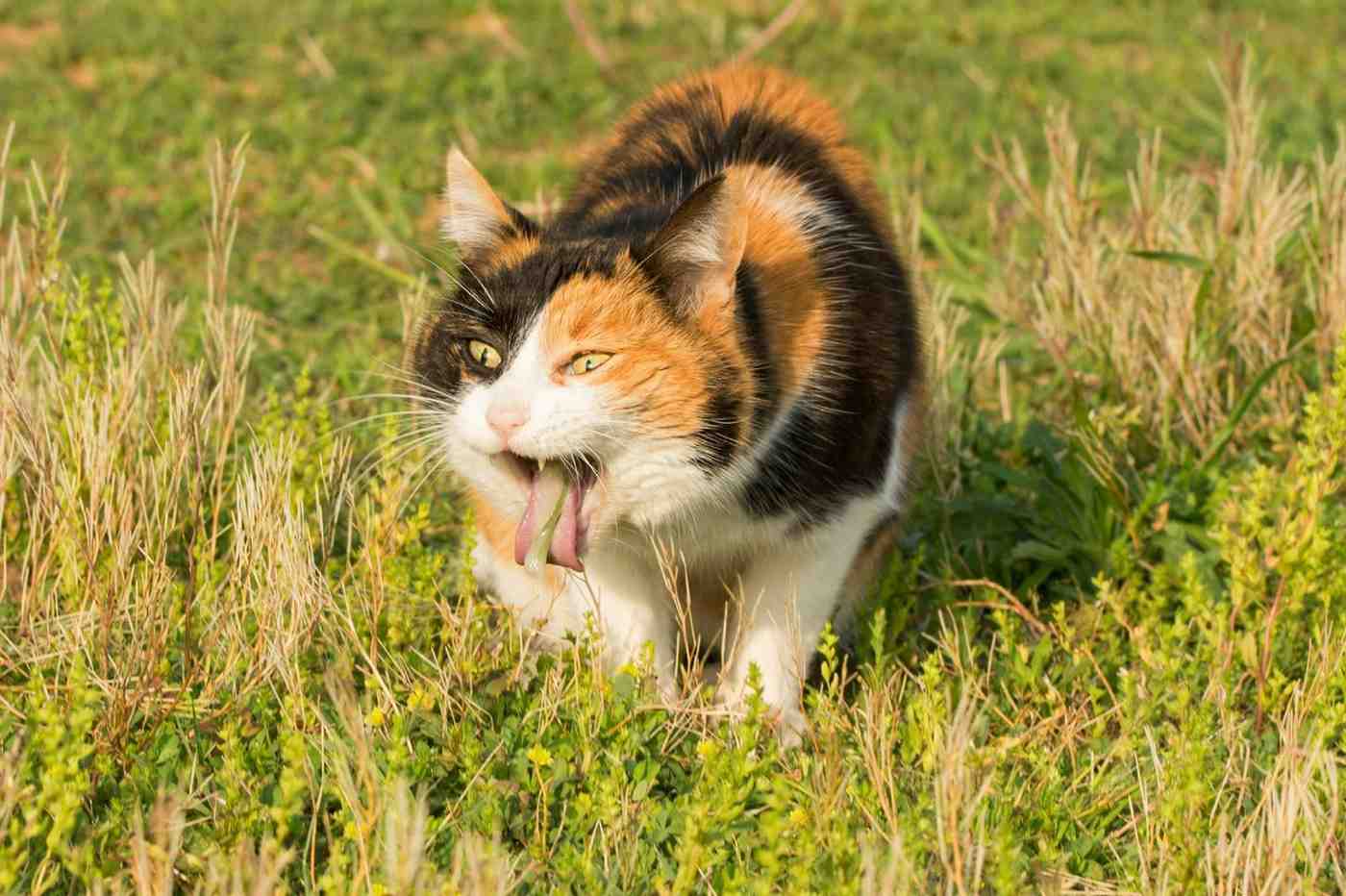
I work as a mobile veterinary assistant in Faisalabad, and I spend a lot of time moving between homes where cats suddenly start vomiting, and owners panic. One of the more unsettling things I get called for is a cat throwing up pink liquid, because it immediately raises concerns about blood or internal irritation. Over the years, I have learned that the color alone does not tell the full story, but it always deserves attention. I have seen cases where it turned out to be mild, and others where it required urgent intervention within hours.

What pink vomit usually signals in cats

When I arrive at a home and hear that a cat has vomited pink fluid, my first thought is to determine whether there is blood mixed in or if something ingested is coloring the stomach contents. It worried me immediately. That is one of those situations where I slow everything down and observe the cat’s behavior before anything else. A cat that is still alert and moving normally gives a different picture than one that is weak or hiding.

Pink coloring can come from several sources, including minor stomach irritation, small traces of blood from the esophagus, or even food dyes in commercial treats. I have seen a customer last spring who thought their cat was vomiting blood, but it turned out the cat had eaten a flavored paste treat that tinted the vomit pink. The situation still needed monitoring, but it was far less dangerous than initially feared. Still, I never dismiss the symptom without a proper check.

Sometimes the pink shade is faint and mixed with foam, which often suggests gastric irritation rather than active bleeding. I always ask owners about recent diet changes, stress, or access to plants or chemicals in the home. Even small details matter, like a new type of cat food or accidental nibbling on household items. Those clues often help narrow down what is happening faster than any guesswork.

First steps I take when assessing the situation

When I first assess a cat vomiting pink liquid, I focus on three things: hydration level, gum color, and vomiting frequency. I check the gums for paleness or normal color, as paleness can suggest blood loss. I also observe whether the cat is trying to vomit repeatedly or if it was a single episode. One isolated incident is treated differently from repeated vomiting over a few hours.

In some cases, I recommend immediate stabilization support at home before transporting the cat. I often suggest a local emergency vet clinic that can handle urgent feline cases quickly, especially when symptoms escalate within a short time frame, like rapid dehydration or repeated vomiting episodes that do not slow down. A cat throwing up pink liquid is the kind of resource I point people toward when they need structured help fast, rather than waiting and hoping things improve. I usually stay on the call while they decide the next steps. Most owners feel more grounded once they know where to go and what to expect.

I see this often. Cats are subtle in how they show distress, and vomiting pink fluid is one of those signals that forces you to pay attention quickly. I also ask whether the cat has access to foreign objects like threads, plastic, or plants, because ingestion issues can escalate fast. If there is any doubt, I prefer early examination rather than waiting for clearer symptoms.

Pink Liquid In Cat Vomit

Common causes behind pink vomit

One of the most common causes I encounter is gastritis, which is inflammation of the stomach lining. This can happen after dietary changes, spoiled food, or even stress-related appetite shifts. The stomach becomes sensitive, and even minor irritation can cause tiny traces of blood to mix with stomach fluid. It does not always look dramatic, but it still signals that the digestive system is under strain.

Another cause I have seen repeatedly involves hairballs that irritate the throat and esophagus during repeated retching. Friction can cause slight bleeding, giving the vomit a pink tint. In multi-cat homes, especially those where grooming is not regularly maintained, this becomes more frequent. I usually suggest simple grooming routines to reduce buildup, especially during shedding seasons.

Food-related causes are also common, especially with cheap treats or the sudden introduction of new brands. Some artificial coloring agents or ingredients can confuse owners when they see unusual vomit colors. In a few homes I visited, switching back to a familiar diet resolved the issue within a day or two. However, I still recommend monitoring closely because not every case is that simple.

When I consider it an emergency

There are clear moments when I stop treating pink vomit as a mild symptom and start treating it as an emergency. If the cat becomes lethargic, refuses water, or continues vomiting repeatedly, I escalate the situation quickly. These signs suggest the body is not stabilizing on its own. Waiting at that point can complicate recovery.

If I notice darker blood or a transition from pink to red or brown vomit, I become more concerned about internal bleeding. That shift often changes the urgency completely. I have handled cases where owners waited too long, thinking it was a passing issue, only to find the cat dehydrated and weak later. It is always easier to intervene early than late.

Breathing changes, hiding behavior, and refusal to move are also red flags I take seriously. Cats often withdraw when something is wrong internally, and vomiting combined with behavioral changes usually means the problem is deeper than simple stomach irritation. At that stage, I prefer direct veterinary assessment rather than home monitoring.

Even when the cause turns out to be minor, I still tell owners to keep a close eye on their pet for at least 24 hours after an episode of pink vomiting. Cats can appear stable, only to decline suddenly if the underlying issue is not fully resolved. I usually recommend small, controlled meals and access to fresh water during that period. Quiet observation at home often reveals whether recovery is progressing normally.

After years of responding to these cases, I have learned that the color of vomit is just one piece of the puzzle. What matters more is the pattern, the behavior, and how quickly the cat recovers afterward. A single episode can be harmless, but repeated episodes always deserve immediate attention.

Anthurium and Cats
Apr
Anthurium and Cats: Why This Common Houseplant Raises Real Concern in Clinics

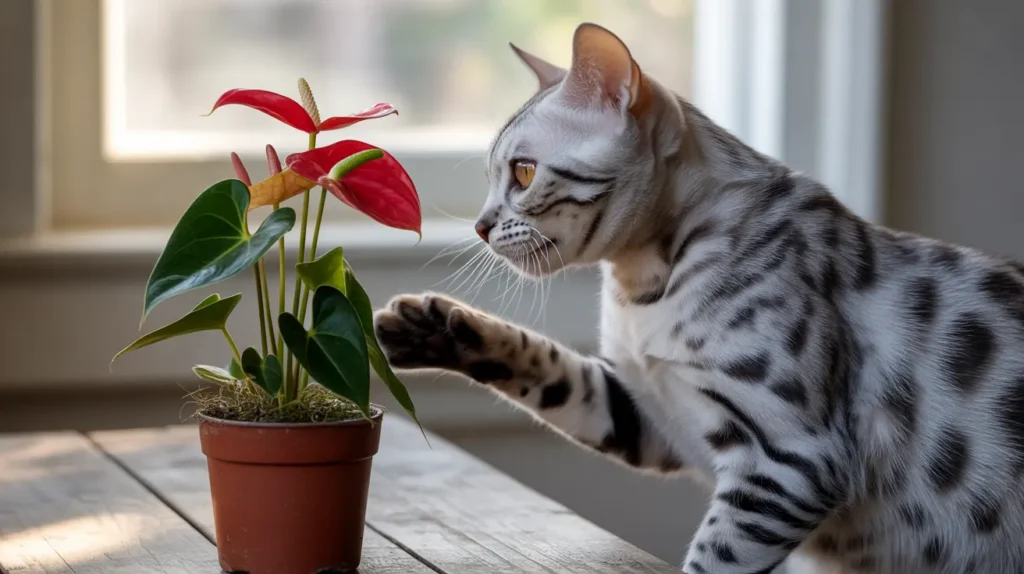
I work as a veterinary technician at a small emergency intake clinic, where we see a steady stream of worried pet owners bringing in cats that have chewed on houseplants. One of the plants that comes up more often than people expect is anthurium, usually sitting quietly in a living room corner until a curious cat decides to test it with its teeth. Over the years, I’ve learned that most owners have no idea it can cause problems until they are already on their way to us. The reactions we see are rarely dramatic in the first few minutes, which is part of why it catches people off guard.

Why does anthurium show up in homes with cats?

Anthurium is popular because it looks clean, glossy, and low-maintenance, which makes it a favorite in apartments and offices where people want greenery without constant care. I often hear owners say they bought it from a weekend plant market or picked it up while redecorating a corner of their home. Cats, on the other hand, see those waxy leaves as something worth chewing, especially if they are bored or exploring new scents. I have seen at least a dozen cases where the plant was placed on a table labeled “out of reach,” only for the cat to prove otherwise.

From what I observe in intake cases, anthurium contains calcium oxalate crystals, which are the real problem for pets. These tiny needle-like structures can irritate the mouth and digestive tract when chewed. Most owners don’t realize the irritation starts immediately, even if the symptoms take a little while to fully show. I remember a customer last spring who brought in a young tabby after noticing excessive drooling and pawing at its face shortly after a nibble on a decorative plant.

In situations like these, quick guidance matters more than panic. I often recommend owners reach out to a professional resource rather than trying multiple home remedies, especially when symptoms are unclear or progressing. In my clinic, we sometimes coordinate with local veterinary clinic support services that help triage whether a cat needs immediate treatment or simple monitoring at home. These early decisions can reduce stress for both the pet and the owner, particularly when the exposure is minor and caught early.

What symptoms do I see after exposure?

The first signs I usually see in cats that have chewed an anthurium leaf are excessive drooling and visible discomfort in the mouth. Some cats shake their head repeatedly or try to rub their face against furniture, almost like they are trying to get rid of something sharp stuck inside their mouth. In mild cases, the irritation settles within a few hours, but it can still look alarming to someone seeing it for the first time. A few cats may temporarily refuse food, which often worries owners more than anything else.

In more uncomfortable cases, swelling around the mouth or tongue becomes noticeable. I have handled cases where a cat’s vocalization changed slightly due to irritation, though that is less common. Vomiting can also occur if the plant material moves further into the digestive tract, but it is not guaranteed in every exposure. These variations make it tricky for owners to judge severity on their own, which is why observation in the first few hours is so important.

Some cats seem only mildly affected and recover quickly without intervention, while others react more strongly depending on how much they chewed. The difference often comes down to curiosity level and how long they interacted with the plant rather than the plant itself. I’ve seen two cats from the same household react very differently after nibbling the same leaf, which is something I still find interesting in practice. It reinforces the need to evaluate every case individually rather than assume.

Anthurium and Cats

How exposure usually happens in real homes

Most anthurium exposure cases I deal with start in everyday living spaces where the plant was never meant to be a hazard. Living rooms, bedroom corners, and even office desks are common places where cats can get in. I recall a case where a cat jumped onto a shelf the owner thought was decorative, knocking over a pot and taking a few bites before anyone noticed. These incidents rarely involve negligence, just underestimated curiosity.

Cats are especially likely to interact with plants during quiet hours when their owners are not watching closely. Early mornings and late evenings are the most common times I hear about incidents, simply because supervision is lowest then. Even households with multiple scratching posts and toys still report occasional plant chewing. It’s a reminder that environmental enrichment doesn’t always fully replace instinctive exploration.

Some cases I’ve seen involve households with several plants grouped together, which increases the chance of accidental contact. In one instance, a cat brushed against multiple pots while chasing a toy and ended up chewing the wrong leaf out of curiosity rather than intent. These overlapping situations make it harder for owners to identify the exact moment exposure occurred, which often delays response slightly. That delay can be the difference between mild irritation and more noticeable symptoms.

What I usually tell owners to do right away

When a cat comes in after suspected anthurium exposure, the first step I suggest is removing any plant material still within reach and gently checking the mouth if the cat allows it. I have learned that forcing inspection usually causes more stress than benefit, so calm observation matters more. Most mild cases improve with time and simple monitoring, but owners should watch for worsening drooling or refusal to eat. Hydration is also something I always keep an eye on during follow-up calls.

Vomiting, persistent mouth pain, or refusal to drink water are signs I take more seriously and usually recommend immediate veterinary evaluation for. Even though many cats recover without complications, the uncertainty about early symptoms makes waiting risky in some situations. I’ve seen cases where owners waited overnight, thinking it was a minor irritation, only to return the next day because symptoms escalated slightly. Acting early tends to reduce both stress and treatment intensity.

Over time, I’ve also noticed that prevention discussions matter just as much as treatment. Many owners move plants higher or choose non-toxic alternatives after their first scare, which significantly reduces repeat incidents. The pattern is consistent enough that I now bring it up during discharge conversations, especially when curiosity-driven behavior is involved. Small environmental changes often prevent the same worry from happening again.

Working in these cases has made me cautious about how harmless decorative plants can appear at first glance. Anthurium is not something that causes severe, immediate poisoning in every case, but it does pose enough risk to take seriously when cats are involved. Most of the time, awareness and quick observation are what make the real difference in outcomes.

Do Father Cats Recognize Their Kittens
Apr
Do Father Cats Recognize Their Kittens In Real Life?

I work as a veterinary technician in a busy small-animal clinic in Faisalabad, and I also foster stray cats that come in through rescue cases around the city. Over the years, I have watched dozens of litters grow up in shared spaces where male cats were present, sometimes the actual father and sometimes unrelated toms. The question I hear most from new cat owners is whether a father cat really knows his kittens or simply ignores them after mating season ends.

How male cats respond after the mating season

In my early clinic days, I assumed male cats would naturally recognize their offspring the same way humans do. After spending time in shelters, I realized their behavior is more complicated and less emotionally consistent than people expect. Most male cats show little long-term interest in kittens after mating is complete, even if they were present during birth or early nursing stages.

What I usually see is that the tomcat’s attention shifts quickly once the queen is no longer in heat or available. He may stay near the territory for a short while, but his focus returns to food, safety, and other mating opportunities. I once monitored a local stray male who fathered a litter behind our clinic building, and within two weeks, he behaved as if the kittens were just part of the environment, not individuals he needed to care for.

This doesn’t necessarily mean there is zero recognition; rather, it means recognition doesn’t translate into caregiving behavior. Cats are wired differently from species that rely on extended paternal care. In many cases, survival instincts override any lingering social memory connected to reproduction.

What I observe in clinics and foster homes

In my foster setup, I have seen both controlled and chaotic environments where father cats and kittens crossed paths again. One interesting case involved a rescued male who was temporarily housed in the same building as his offspring, though neither the owner nor I informed him of that fact. His reaction was neutral curiosity at best, with no protective or nurturing response. During that same period, I documented feeding schedules, and his behavior remained focused on territory marking and routine rest.

When discussing this topic with other professionals, I often reference general cat behavior studies alongside practical observation from shelters and rescue networks. I also point people toward resources like the cat behavior resource that explains feline social structure in simpler terms for pet owners trying to understand these interactions. Even after reading widely, I still find that real-world clinical observation provides clearer answers than theory alone. In my experience, every male cat reacts slightly differently, but the overall pattern stays consistent.

One winter, I helped care for a group of kittens that were brought in after being found near a construction site. Their presumed father was living nearby and occasionally passed through the feeding area. He never showed aggression toward them, but he also never engaged in typical parental behavior, such as grooming or guarding. That balance between neutrality and detachment is something I see very often.

Do Father Cats Recognize Their Kittens

Behavior differences: recognition vs instinct

People often assume recognition means emotional bonding, but in cats, these two things do not always overlap. A father cat may detect familiar scents or visual cues, especially if he lives close to his offspring, yet this does not translate into long-term social attachment. In simple terms, recognition in cats is often sensory rather than emotional.

I have noticed that scent plays a major role in how cats interpret their environment. Even as kittens grow older and their smell changes, male cats rarely adjust their behavior in ways that suggest family bonding. A short sentence here. Instinct dominates most of their interactions.

There is also a clear difference between domesticated indoor cats and feral populations. Indoor male cats neutered early in life often show reduced territorial responses and may tolerate kittens more calmly. On the other hand, unneutered strays tend to remain focused on dominance and breeding cycles rather than family recognition. In either case, the idea of a father actively remembering kittens over long periods is not strongly supported by my experience.

When fathers interact with grown kittens

Occasionally, I have seen situations where a male cat crosses paths with his offspring months later, when the kittens are fully grown. These encounters usually happen in shared outdoor territories or during rescue intake from the same colony. The reactions are generally neutral, sometimes mildly cautious, but rarely aggressive unless competition for space or food is involved.

One memorable case involved a young male cat that returned to the clinic area where his presumed father still roamed. They sniffed each other briefly and then moved apart without conflict. The interaction lasted less than a minute and showed no sign of recognition beyond basic social assessment. These moments often reinforce how limited long-term familial memory appears in cats.

Over time, I stopped expecting father cats to behave like caretakers or even long-term relatives. Their world is structured more around territory, resources, and mating opportunities than family continuity. That realization changed how I explain cat behavior to new pet owners, especially those hoping for more human-like emotional bonds within the same family line.

After years of working closely with strays and shelter animals, I have learned that father cats live in a much shorter social memory loop than people assume. They may coexist with their kittens under certain conditions, but recognition does not usually carry emotional weight. What looks like indifference is often just a different system of priorities shaping how they move through their environment.

How Many Times a Day a Cat Should Eat
Apr
How Many Times a Day a Cat Should Eat Based on Real Feeding Routines I’ve Seen

Working as a veterinary technician at a small-animal clinic in Punjab, I’ve spent years observing how different feeding routines affect cats in real homes. Owners usually ask me the same question in slightly different ways, but the concern is always the same: how often should I feed my cat each day? I’ve seen cats thrive on simple schedules, and I’ve also seen problems start from overfeeding or irregular meals. What works is usually more practical than complicated.

How I set feeding schedules for indoor and outdoor cats

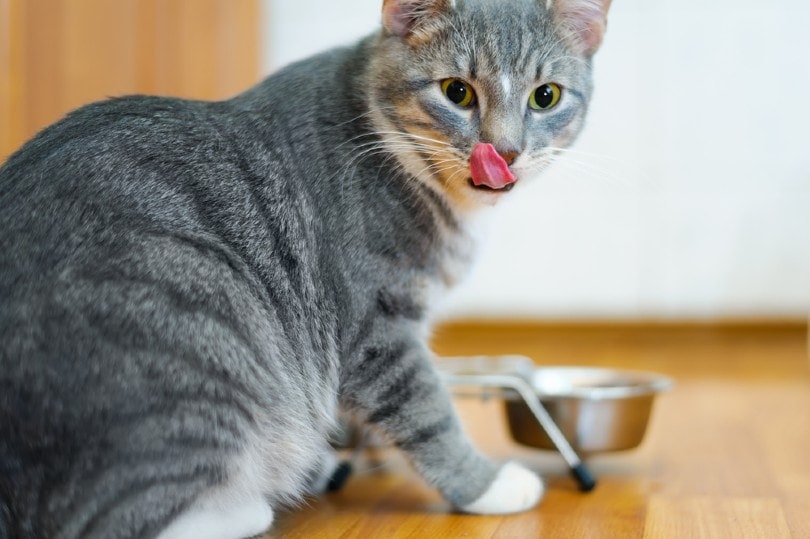
Most adult cats I deal with in the clinic do well on two meals a day. I usually suggest one meal in the morning and another in the evening because it matches their natural activity rhythm. Cats are not built to eat constantly, even though many of them act like they are always hungry. I’ve seen overweight issues improve just by moving from free feeding to scheduled meals.

Indoor cats tend to need more controlled portions because they burn fewer calories during the day. Outdoor cats sometimes have more flexibility, but I still keep them on a structured feeding schedule whenever possible. I remember a customer last spring whose indoor cat kept waking her at night for food, and shifting to two How Many Times a Day a Cat Should Eatset meals reduced that behavior within a week. Consistency matters more than quantity changes in most cases.

Some cats do better with three smaller meals, especially if they have sensitive stomachs or get anxious when meals are too far apart. I usually decide after observing the cat’s weight, energy level, and behavior between meals. There is no single rule that fits every cat, but two meals is the baseline I return to most often.

Kitten feeding vs adult routines and where resources matter

Kittens are a completely different situation because they burn energy fast and cannot handle large gaps between meals. In most cases, I suggest feeding them three to four times a day until they are around 6 months old. Their stomachs are small, so spreading out their food prevents both hunger spikes and digestive issues. I’ve seen kittens become noticeably calmer when their feeding routine is structured properly.

In one clinic case, a young cat owner struggled with a kitten that cried constantly during the day. We adjusted the feeding schedule instead of increasing food quantity, and the behavior improved within days. It reminded me how often feeding timing gets overlooked compared to food type. For owners looking for structured support, I sometimes recommend checking guidance from trusted pet care platforms, such as how many times a day my cat should eat, or when they need extra clarity on routines.

Unlike kittens, adult cats usually settle into predictable eating patterns when the schedule is consistent. I’ve noticed that once cats understand when food is coming, they stop begging as aggressively. That predictability also helps owners avoid accidental overfeeding. It becomes less about constant adjustment and more about maintaining routine.

I’ve also seen cases where switching a kitten to adult-style feeding too early can cause weight loss or irritability. Timing matters more than most people realize, especially during growth phases. I usually advise feeding kittens more frequently until their energy levels stabilize and growth slows naturally.

How Many Times a Day a Cat Should Eat

Wet food, dry food, and how meal frequency changes

Food type plays a big role in how often a cat should eat. Dry food is more calorie-dense, so fewer meals are usually enough, while wet food digests faster and often requires slightly more frequent feeding. I’ve worked with many owners who mixed both to balance hydration and convenience. That combination often creates a flexible but stable routine.

One pattern I see often is that cats on dry food are more prone to overeating when food is left out all day. Free-feeding  dry kibble can quietly lead to weight gain over months without the owners noticing. I’ve had to explain this to several families who were surprised their “normal-looking” cat was actually overweight. Small daily habits add up faster than people expect.

Wet food feeding schedules tend to be easier to control because portions are usually finished quickly. I sometimes suggest splitting wet food into two or three meals to match digestion speed and appetite spikes. It also helps reduce begging behavior between meals. Cats respond better to structure than constant grazing options.

Mixed feeding requires a bit of adjustment, but it usually gives the best balance. I often suggest dry food in the morning and wet food in the evening to match hydration needs and nighttime activity. Once a routine is set, most cats adapt within a few days without resistance. The key is not constantly changing the plan.

Behavior, weight, and how I adjust feeding plans over time

Every cat I work with eventually teaches me that feeding frequency is not fixed forever. Age, health, and activity level change over time, and feeding routines need to adjust with them. A cat that was fine on two meals at age three might need smaller, more frequent meals at age ten. I’ve seen this shift many times in long-term clinic cases.

Weight is usually the first signal I look at when deciding if a schedule needs adjustment. Even a small steady gain can indicate the timing or portion size is off. On the other hand, sudden weight loss usually means either too few meals or an underlying health issue. I never rely on appetite alone because cats can be misleading with how they act around food.

Behavior also tells me a lot. Cats that constantly beg between meals may not actually need more food, but instead better spacing or more engaging feeding methods. Puzzle feeders or timed meals often solve what appears to be hunger but is actually boredom. I’ve seen this change reduce stress in both cats and owners.

Some cats are simply more food-focused than others, and that personality trait never fully goes away. I’ve learned to work with it instead of trying to eliminate it completely. Adjusting meal timing slightly earlier or later often helps calm those patterns without increasing food intake. Small adjustments usually work better than major changes.

Feeding a cat is less about strict rules and more about observation over time. I’ve found that once owners settle into a consistent routine and watch how their cat responds, they naturally find the right balance. Most cats do best when meals are predictable, portion-controlled, and adjusted slowly rather than frequently changed.