Black Ragdoll Cat Seen Through My Cattery Days
I’ve spent years working with ragdoll-type cats in a small cattery outside Faisalabad, and every now and then someone asks me about a “black ragdoll cat” like it’s a well-established variety. I understand why the idea is appealing because the ragdoll temperament paired with a darker coat sounds almost perfect on paper. My experience, though, has taught me that this topic sits somewhere between genetics, misunderstanding, and selective marketing.
My First Encounters with “Black Ragdoll” Requests
When I first started breeding ragdoll lines, I kept detailed notes on coat colors, patterns, and temperament across each litter. In those early years, a customer once brought me a blurry image of a jet-black cat and insisted it was a ragdoll type they had seen online. I remember telling them that ragdolls, as defined in standard breeding lines, do not naturally produce solid black coats.
Still, the demand never stopped. I began noticing how often people associate any large, calm, fluffy cat with the ragdoll label, especially when the coat color is unusual. A few visitors even mentioned “rare black ragdolls” they saw on social media listings, but none matched the verified lineage records I had seen in breeding documentation.
One afternoon, during a consultation, I had to explain this to a couple who had driven several hours to visit my cattery. They were disappointed at first, but as we talked more, they started to understand how marketing can stretch breed identities beyond their genetic limits. These conversations became more common than I expected over the years.
Breed Standards, My Breeding Notes, and Where Owners Look for Help
Over time, I studied official ragdoll breed patterns more closely, including colorpoint variations and how controlled breeding affects coat expression. I kept comparing my own records with what people were claiming online, and the gap between them kept widening. One of my mentors, an older breeder I used to visit occasionally, always reminded me that consistency in lineage matters more than appearance trends.
During my consultations, I often direct people to structured feline care resources, such as a cat care guidance platform, so they can understand breed standards before making decisions based on online images. I’ve found that when owners read structured material rather than relying on social media posts, they return with more realistic expectations about coat genetics and temperament traits. That alone prevents a lot of confusion later.
I’ve also noticed that many “black ragdoll” listings online are either mixed breeds or long-haired domestic cats, described in ways meant to attract attention. A customer last spring showed me screenshots of three different sellers, all using the same term but presenting completely unrelated cats. That’s usually where I step in and break down what traits actually define a ragdoll line.
My notes from breeding seasons show a consistent pattern: pointed coloration, not solid black, is what defines true ragdoll genetics. I’ve never recorded a pure litter producing a fully black coat, even across multiple carefully tracked pairings. That’s why I remain cautious when people use the term too freely.
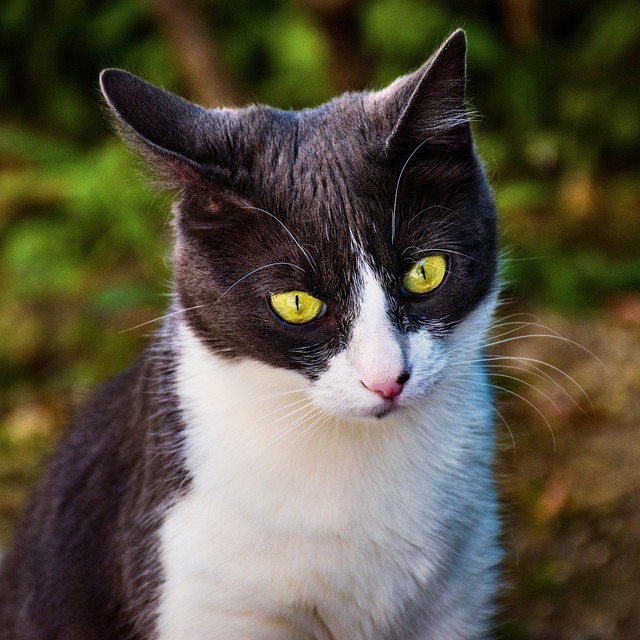
Temperament I’ve Observed in These Cats
One thing I’ve consistently observed in ragdoll-type cats is their calm response to handling, especially in controlled environments like my cattery. Even when kittens are very young, they tend to relax in the hands rather than resist movement. I’ve handled hundreds over the years, and that trait remains fairly stable across generations.
People often ask me if a “black ragdoll” would behave differently, and my answer is always based on behavior, not coat color. In my experience, temperament is shaped more by lineage and early socialization than by appearance alone. A calm kitten raised in a quiet home will usually remain calm as an adult.
I remember one litter where a particularly affectionate male kitten would follow me around the feeding area without hesitation. He would sit near my feet while I checked water bowls and paperwork, which is typical of the clingy, people-oriented behavior ragdolls are known for. Color never played a role in that behavior pattern.
Over the years, I’ve also seen how the environment changes personality expression. Cats raised in crowded or noisy homes often become more reserved, even if their genetics suggest otherwise. That contrast is something I always point out to new owners who focus too much on appearance.
Grooming and Daily Care in My Cattery
In my daily routine, grooming ragdoll-type coats takes more time than most people expect. Their semi-long fur doesn’t mat easily at first, but without regular brushing, it can become dense around the neck and hind legs. I usually dedicate a fixed time each evening for grooming rounds across all enclosures.
Each cat reacts differently to brushing, but most of the ragdoll lines I’ve worked with tolerate it well if introduced early. A few years ago, I had a young female who would actually lean into the brush after a week of gradual training, which made her care routine much easier to manage during busy seasons. That kind of cooperation is not guaranteed, though.
Nutrition also plays a role in coat condition. I adjust feeding plans depending on age and activity level, especially during colder months when fur density increases. Small changes in diet can affect shedding cycles more than people realize, something I’ve tracked across multiple litters in my records.
Regular grooming sessions also help me notice early health changes. A slight shift in coat texture or reduced grooming tolerance sometimes signals stress or minor health issues before they become visible in behavior. Early detection has helped me prevent several serious complications over time.
Living With One at Home, What People Don’t Expect
When people bring a ragdoll-type cat into their home expecting a decorative pet, they’re often surprised by how socially demanding these cats can be. I’ve kept one retired female at my own house, and she rarely stays alone in a room for long. She follows movement more than she follows space.
The misconception I see most often is that a calm cat equals an independent one, but my experience shows the opposite. These cats often prefer company and will quietly sit near whoever is in the room rather than isolating themselves. That behavior can be comforting for some owners and overwhelming for others, depending on lifestyle.
Noise sensitivity is another factor I’ve noticed. Sudden loud sounds can make them retreat briefly, but they usually return quickly once the environment settles. I’ve seen this pattern repeat across many households where I’ve placed kittens over the years.
Living with one also means adjusting furniture habits more than people expect. They enjoy elevated resting spots and often claim the highest accessible surface in a room. I’ve had to rearrange shelves and soft corners at home just to match that natural preference.
In my experience, the idea of a black ragdoll cat stays more popular in imagination than in genetics. Still, the fascination keeps bringing people to my cattery, and those conversations often lead to a better understanding of what these cats truly are and how they actually live with humans.