Can Cats Eat Nectarines
May
Can Cats Eat Nectarines Without Getting Sick: A Guide

I’ve spent years working with cats at a small neighborhood pet care setup, where I make feeding visits, provide basic grooming, and conduct health checks for owners who travel often. One question that comes up more than you’d expect is whether cats can safely eat fruits like nectarines. I usually hear it right after a cat steals a bite from a kitchen counter or sniffs something dropped on the floor. Over time, I’ve learned that curiosity is the real issue, not just the fruit itself.

Nectarines look harmless enough, and many people assume that if a fruit is healthy for humans, it might be fine for pets too. Cats, however, don’t process food the same way we do, and their reactions can be unpredictable. I’ve seen situations where a cat ignored fruit completely, while another reacted with mild stomach upset after a small bite. That inconsistency is what makes this topic worth looking at closely.

How Cats React to Nectarines in Real Situations

In most homes I’ve visited, cats show more curiosity than appetite when it comes to nectarines. They might sniff the fruit, tap it with a paw, then lose interest quickly. I had a customer last spring whose cat knocked a nectarine off the counter and took a few bites before anyone noticed. The cat didn’t show immediate distress, but later that evening, mild vomiting occurred.

What I’ve consistently observed is that cats are not biologically drawn to sweet fruits. Their taste receptors don’t respond to sugar the same way ours do, so eating nectarines is usually accidental rather than intentional. The bigger concern is not the flesh itself in small amounts, but the pit, skin texture, and how sensitive a cat’s digestive system can be to new foods.

During a routine check-in for a client who uses a local feeding service, I noticed how carefully they handled the fruit bowls left on the kitchen table. They mentioned wanting to make sure their cat didn’t nibble anything unsafe while they were out. The cat nutrition consultation service they used helped them identify which human foods were safe and which should stay completely out of reach. I’ve seen similar guidance prevent small but stressful incidents more than once.

From my experience, most cats that try nectarine only consume a very small piece, but even that can be enough to cause digestive discomfort. Some cats have sensitive stomachs that react quickly to unfamiliar fibers or sugars. Others seem unaffected, which creates confusion for owners trying to judge what is safe. That unpredictability is why I never recommend offering fruit casually.

What Makes Nectarines Risky for Cats

Nectarines are not toxic in the same way some foods are, but they still carry risks that are easy to overlook. The flesh contains natural sugars and fiber that cats do not need in their diet, and their digestive systems are not designed to efficiently handle them. I’ve seen cases where even a small amount can lead to soft stools or a temporary loss of appetite.

The pit is a much bigger concern than the fruit itself. It can pose a choking hazard, and if chewed, it may release compounds that are harmful to pets. Even though I don’t often see cats actually break into pits, I’ve heard enough close calls from owners who left fruit on low tables or countertops. Prevention is far easier than dealing with symptoms afterward.

Another issue is how nectarines are often handled before they reach the kitchen. Residues from sprays or wax coatings can remain on the skin. While humans usually wash fruit or remove the skin, cats that nibble directly don’t get that protection. In my routine visits, I often remind owners that what looks like a harmless snack for us can still carry unwanted traces for pets.

There’s also the simple fact that cats are obligate carnivores. Their bodies are built around protein and fat from animal sources, not fruit sugars or plant fibers. I’ve had discussions with pet owners who were surprised to learn that cats don’t require carbohydrates at all, let alone fruit-based ones like nectarines.

Can Cats Eat Nectarines

What I Do When Cats Accidentally Eat Fruit

When I come across a situation where a cat has eaten something like a nectarine, my first step is always observation rather than panic. Most of the time, small accidental bites don’t lead to serious issues. I usually ask the owner to monitor appetite, litter box behavior, and energy levels over the next 12 to 24 hours.

If symptoms appear, they tend to be mild at first, such as mild stomach upset or a brief decrease in appetite. In one case I handled for a regular client, a young cat became a little lethargic after eating a few bites of fruit left on a plate. The issue resolved on its own after rest and water, without medical intervention.

That said, I always advise owners not to assume all cases will resolve so smoothly. Cats vary widely in sensitivity, and underlying health conditions can make reactions worse. If vomiting continues or the cat shows signs of discomfort, contacting a vet is the safest step rather than waiting it out.

I’ve learned that prevention is the most reliable approach. Keeping nectarines and similar fruits out of reach removes the risk entirely. In homes where counter-surfing cats are common, even a small change, like sealing fruit bowls or using covered storage, can make a noticeable difference.

Better Treat Options for Curious Cats

Many owners ask me what they can safely offer instead if their cat seems interested in human food. In my experience, sticking to treats designed specifically for cats is the simplest and safest choice. These are formulated to match their nutritional needs without introducing unnecessary sugars or plant compounds.

Occasionally, I suggest very small amounts of plain cooked meat as a treat during training or bonding moments. It fits their natural diet far better than fruit ever will. I’ve seen cats respond positively to simple proteins like chicken or turkey, even in small shredded portions.

Some cats are just food-curious, not food-driven. They explore because it’s there, not because they actually want it. I’ve had several clients who thought their cats were interested in fruit, only to realize the cats were more attracted to movement or scent than the nectarine itself.

In practice, the safest approach is not to experiment with fruits like nectarines at all. A cat’s diet is already carefully balanced when it’s built around quality cat food, and adding extras rarely improves anything. Over the years, I’ve seen far fewer problems in homes that keep feeding simple, consistent meals rather than introducing human snacks.

When I look back at all the cases I’ve handled involving accidental fruit exposure, none started with serious intent. It was always a counter left unattended, a plate forgotten, or a curious paw reaching too far. That pattern alone says a lot about how little cats actually need nectarines in their world.
Can Cats Eat French Fries
May
Can Cats Eat French Fries Without Health Risks?

I work as a veterinary technician at a small-animal clinic on the outskirts of Faisalabad, and I often see cats brought in after eating human food they were never meant to eat. French fries come up more often than people expect, usually after a quick snack turned into a shared plate at home. I’ve watched concerned owners try to figure out whether a few stolen fries are harmless or a real problem. My experience with these cases has shaped how I explain food risks to cat owners in simple, practical terms.

What happens when cats eat fries

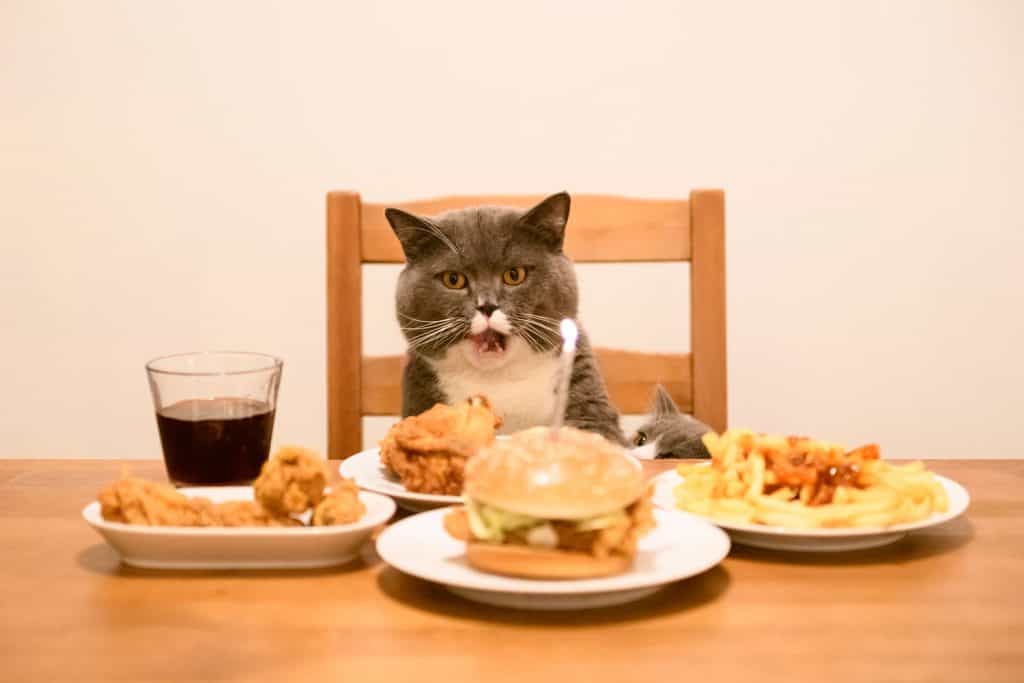
Cats are obligate carnivores, which means their bodies are designed for meat, not processed starch or fried foods. French fries are mostly potatoes cooked in oil, often with added salt and sometimes seasoning that is not safe for pets. I’ve seen cats come in with mild stomach upset after sneaking a few fries from a plate left unattended on a sofa or coffee table.

In most cases, a small bite does not cause immediate danger, but that does not make it a safe habit. The oil and salt content can irritate a cat’s digestive system, leading to vomiting or diarrhea later in the day. I remember a customer last spring who thought their cat had “just a taste,” but that small habit turned into repeated begging whenever fast food was brought home.

What worries me more is repeated exposure rather than a single incident. Over time, salty and fatty foods can contribute to dehydration and unnecessary strain on a cat’s kidneys. I always explain to pet owners that cats do not process sodium the same way humans do, and even small amounts can build up over time if given regularly.

Why fried human food is risky for cats

From a clinical perspective, I’ve noticed that cats are more sensitive to greasy foods than dogs, especially when they’re heavily salted or seasoned. Fries are usually cooked in reused oil, which adds another layer of digestive stress that cats are not equipped to handle. One case that stayed in my mind involved a young cat that developed mild pancreatitis symptoms after frequent exposure to fried leftovers.

In my clinic, I often guide pet owners toward safer alternatives and structured feeding habits, and I sometimes recommend external guidance, such as a pet nutrition consultation, for families who want clearer diet planning for their cats. These consultations help owners understand portion control, ingredient safety, and long-term feeding habits in a way that fits their daily routine. I have seen cats improve simply because their owners replaced random table scraps with proper treats designed for feline digestion. The difference is usually noticeable within a few weeks of consistent change.

There is also a behavioral angle that many people overlook. When cats get used to human snacks, they begin to associate food smells with attention and reward, which can lead to persistent begging or food-stealing. I’ve had owners tell me their cats start jumping on kitchen counters whenever fast food is unwrapped, and that habit is surprisingly hard to reverse once it becomes routine.

Can Cats Eat French Fries

Signs your cat ate too many fries

If a cat eats a few fries, most owners will not notice anything serious right away. But when the amount is higher, I usually advise watching for early digestive signs like vomiting, loose stools, or unusual lethargy. In my experience, symptoms often appear within 6 to 12 hours, depending on the cat’s sensitivity and the amount of oil or salt involved.

I once treated a cat that had eaten a small pile of fries left on a kitchen counter overnight. The owner thought it was harmless until the cat refused food the next morning and hid under the bed. That behavior shift is often one of the earliest warning signs that something is off in a cat’s stomach.

Dehydration can also appear subtly, especially if salty food was involved. I usually check gum moisture and skin elasticity during exams because these are simple indicators of fluid imbalance. A cat that becomes unusually quiet, avoids water, or shows reduced appetite after eating human food should always be monitored closely.

Safer snack habits I recommend for cat owners

In my daily work, I spend a lot of time helping pet owners shift from casual feeding habits to more structured routines that protect their cats long term. The goal is not to eliminate treats entirely, but to ensure they come from appropriate sources that support feline health. Fries, chips, and other fried snacks never fit into that category, even in small amounts.

Simple protein-based treats usually work best for cats because they align with their natural dietary needs. I often suggest small portions of cooked chicken or commercially prepared cat treats with minimal additives. One of the most successful changes I’ve seen was with a household that replaced all table scraps with scheduled treat portions, and within a month, their cat stopped begging at the dinner table entirely.

Another habit I recommend is feeding cats in a separate space during human meal times. This reduces curiosity-driven behavior and limits the chance of accidental exposure to unsafe foods. I’ve observed that cats adapt quickly when routines are consistent, even if they initially resist the change for a few days.

Portion awareness is also important, especially in homes where multiple people feed the same cat without coordination. I’ve seen cases where one family member “just gives a bite” repeatedly throughout the day, leading to unintended overfeeding of inappropriate food. Keeping track of what the cat actually eats makes a bigger difference than most owners realize.

Long-term health in cats depends heavily on consistency, not occasional discipline. I always remind owners that a single snack may seem harmless, but habits form quietly and can be difficult to reverse once they become part of daily routines.

In my experience, cats do best when their diet stays predictable and close to what their bodies are built for. Human food like French fries may look harmless on the surface, but it does not belong in that structure, and the effects show up more clearly over time than in a single moment.

Living With a Grey Tabby Cat
May
Living With a Grey Tabby Cat: What I’ve Learned From Years of Grooming Them

I work as a mobile cat groomer, spending most of my days moving between homes and handling cats that range from calm lap-sitters to anxious climbers who hate the sound of my clippers. Grey tabby cats show up in my schedule more often than people expect, and over time, I’ve learned their coat patterns, personalities, and little habits in a hands-on way. I don’t see them as a single type of cat, but there are enough shared traits that I’ve started to recognize patterns in how they behave and what they need in care.

First Impressions in the Grooming Van

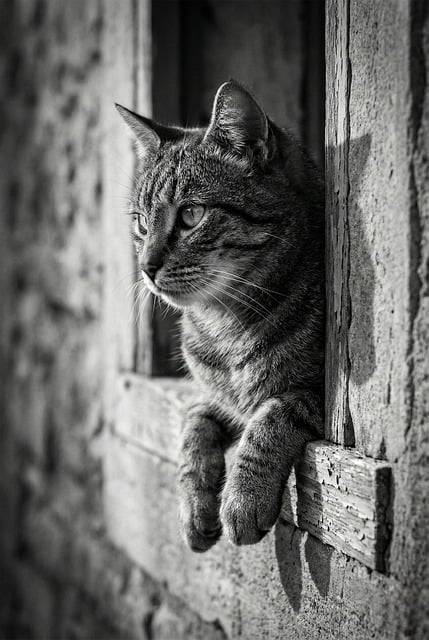
When a grey tabby steps into my grooming van for the first time, I usually notice their coat before anything else. The stripes can be soft and smoky or sharp and defined, and that often tells me how much shedding I should expect in a single session. I’ve handled more than a hundred over the years, and no two coats feel exactly the same under my hands.

They are quiet observers. That line always comes to mind when I think of them.

Many grey tabbies I work with are cautious at first, sitting still and watching every movement I make before deciding whether I’m safe or not. A customer last spring brought in a young tabby who refused to leave the carrier for nearly ten minutes, and I just sat there waiting without forcing anything. Eventually, the cat stepped out on its own terms and spent the rest of the session following my hand, as if trying to understand every tool I used.

That particular session reminded me that trust with these cats is not something you rush. I’ve learned to keep my movements slow, especially around their face and belly areas, because sudden changes can shift their mood quickly. Even experienced groomers I’ve worked alongside agree that grey tabbies tend to respond better to consistency than speed or force.

Coat Care and Daily Maintenance

In my grooming routine, grey tabbies usually fall somewhere between low-maintenance short-haired cats and slightly more demanding seasonal shedders. Their coats may look simple, but under certain lighting, I can see dense underlayers that trap loose fur if not brushed regularly. I once met a client who assumed their tabby never needed brushing until matting started forming near the hind legs.

For owners looking for local grooming help, I often point them toward a grey tabby cat, since professional support makes a big difference during shedding season. I’ve seen cases where a single proper grooming session prevented skin irritation that would have taken weeks to clear at home. It is not about luxury care; it is about preventing buildup that most people do not notice until it becomes uncomfortable for the cat.

Grey tabbies also respond well to short, consistent brushing routines at home, even just five minutes every other day. I usually suggest soft slicker brushes because their fur texture can vary from silky to slightly coarse, depending on diet and environment. One thing I’ve noticed is that cats who are brushed regularly tend to tolerate grooming vans much better than those who only experience handling during emergencies.

There are days when everything goes smoothly, and the cat simply relaxes into the process. Other times, I have to pause halfway and let them reset before continuing. That balance is part of working with animals with strong personalities and unpredictable moods.

Living With a Grey Tabby Cat

Personality Patterns I Keep Seeing

Over time, I’ve noticed that many grey tabby cats share a kind of independent curiosity. They don’t always demand attention the way some other cats do, but they rarely ignore what is happening around them. I’ve had tabbies sit at a window for hours, tracking birds or street movement without making a sound.

They are observant in a way that feels almost intentional. One cat I groomed regularly would always wait until I set my tools down before approaching me, as if checking whether they were safe. It took several visits before that same cat allowed me to work without constantly repositioning itself.

Some tabbies are affectionate in small, controlled doses, like brief head bumps or short moments of sitting close before moving away again. Others prefer distance but still stay in the same room, which I interpret as quiet trust rather than disinterest. I’ve learned not to push for more interaction than they are willing to give.

They are not difficult cats. They are careful ones.

What stands out most is how quickly they learn routines. Once a grey tabby recognizes a grooming pattern or household rhythm, they tend to settle into it and reduce resistance over time. I’ve seen cats who were nervous on their first visit become calm regulars after just a few months of predictable handling.

Living With a Grey Tabby at Home

When I visit clients who keep grey tabbies as indoor companions, I often notice how much these cats value familiar spaces. They pick specific spots in a home and treat them as personal territory, returning to them throughout the day. A sofa corner, a sunny windowsill, or even the top of a refrigerator can become their preferred lookout point.

Playtime is usually short but focused. Instead of long, energetic bursts, many grey tabbies prefer quick bursts of activity followed by long periods of rest. I once watched a young tabby chase a feather toy for under three minutes before walking away completely as if the game had ended on its terms.

They also tend to be more sensitive to environmental changes than people expect. A small rearrangement of furniture or a new pet in the house can shift their behavior for several days. I’ve seen some cats spend extra time hiding until they confirm that nothing in their territory poses a threat.

Despite that sensitivity, they adjust well once they understand the new pattern. I’ve had clients tell me their tabby eventually becomes the most predictable member of the household after settling in. That kind of stability is what makes them such steady companions over time.

Working with grey tabby cats has taught me that their calm exterior hides a careful, watchful mind. I still approach each one like a small negotiation rather than a routine task, because the moment I assume they will all react the same way, I usually end up proven wrong within minutes.

Are Junipers Toxic to Dogs? What I’ve Seen in Real Yards and Real Dogs

I run a small dog boarding setup out of my home, and I’ve spent years managing not just dogs but the plants around them. Juniper shrubs show up in more yards than people realize, especially in older landscaping. I’ve had a few close calls over the years that made me pay attention. If you’ve got a curious dog and any kind of evergreen hedge, this question comes up faster than you’d expect.

What Juniper Does to Dogs in Practical Terms

Juniper is not harmless. That’s the short version. The berries and foliage from many juniper species can irritate a dog’s stomach and, in some cases, affect the kidneys if enough is consumed.

I’ve seen dogs chew on the needles out of boredom. Most times, it leads to mild vomiting or loose stool within a few hours. Once, a young Labrador I was watching ate a surprising amount of fallen berries, and he spent the night pacing and drooling before settling down after a vet visit and fluids.

The risk depends on the quantity and the specific type of juniper. Some varieties are more irritating than others, and dogs vary in their sensitivity. A quick nibble is usually not catastrophic. A habit of chewing is a different story.

Why Dogs Are Drawn to Juniper in the First Place

It surprises people how often dogs go back to the same plant. Juniper has a strong scent, and some dogs seem to enjoy the needles’ texture, especially puppies who are already in a chewing phase. I’ve noticed that dogs under one year old are the biggest offenders.

If you’re trying to understand plant safety in general, I’ve pointed a few clients toward resources like “Are Junipers Toxic to dogs” so they can get a broader sense of what’s risky in their yard. It helps to see the bigger picture rather than focusing on one plant at a time. Most people underestimate how many mild toxins are sitting right outside their door.

There’s also a boredom factor. Dogs left alone in a yard for hours will interact with whatever is available to them. A juniper hedge becomes a chew toy if nothing else is going on.

Symptoms I Watch for After Exposure

The signs are usually pretty clear within the first half day. Vomiting is the most common one I’ve seen, followed by diarrhea and a drop in appetite. Some dogs get a bit lethargic and prefer to lie down more than usual.

In rare cases, I’ve seen more serious reactions. One older dog developed noticeable abdominal discomfort after eating a large amount, and the vet mentioned potential kidney irritation as a concern. That’s not typical, but it’s possible if the intake is high enough.

Here’s what I personally keep an eye on:

– Repeated vomiting over several hours

– Refusal to drink water

– Signs of pain when touched around the belly

– Unusual tiredness that doesn’t pass

If two or more of those show up together, I don’t wait it out. I call the vet.

Are Junipers Toxic to Dogs

How I Manage Juniper Around Dogs

I don’t remove every juniper plant. That’s not realistic for most homes. What I do is manage access and reduce temptation.

In my yard, I trimmed lower branches up to about 18 inches from the ground so dogs can’t easily reach the densest parts. It made a difference. I also rake and remove fallen berries every few days during peak season, which for me usually runs a couple of months.

Supervision matters more than people think. A dog that’s being watched rarely stands there chewing a shrub for minutes at a time. The problems tend to happen when no one is paying attention.

I also rotate toys outside. Sounds simple. It works. A dog with something better to do usually ignores the hedge.

When It Becomes a Bigger Problem

Some dogs fixate. I’ve boarded a terrier that would go straight for the same corner of the yard every single time, nose down, chewing at one specific plant. In cases like that, management isn’t enough. You have to block access completely.

That might mean temporary fencing or even replacing the plant. It’s not always about toxicity levels. Repeated exposure adds up, and the behavior itself becomes hard to break.

I’ve also noticed that dogs with sensitive stomachs react more strongly. A plant that barely affects one dog can upset another within an hour. You learn your dog’s patterns over time, and that matters more than any general rule.

Are All Junipers Equal?

No, and this is where things get a bit messy. There are dozens of juniper species used in landscaping, and they don’t all carry the same level of risk. Some are more ornamental, some produce more berries, and some have stronger oils that irritate the digestive system.

The average homeowner doesn’t know which variety they have. I usually don’t either unless I dig into it. So I treat all junipers as mildly toxic and plan around that assumption.

It’s a safer approach. Guessing wrong isn’t worth it.

If you’ve got juniper in your yard, you don’t need to panic or rip everything out overnight. You just need to be aware of how your dog interacts with it and step in before curiosity turns into a pattern. I’ve seen enough small incidents to know it’s not something to ignore, but it’s also not a guaranteed emergency every time a dog sniffs a branch.

Smartest Dog Breeds
May
What I’ve Learned About the Smartest Dog Breeds After Years in the Training Yard

I run a small dog training yard just outside the city, where I’ve worked with everything from stubborn bulldogs to lightning-fast herders. Over the years, I’ve noticed a pattern in how certain breeds think, react, and learn. Intelligence in dogs isn’t just about tricks or obedience. It shows up in how they solve problems, read people, and adapt to new situations.

How I Judge Intelligence in Real Dogs

People often ask me which dog is the smartest, as if there were a clear ranking like school test scores. That’s not how it works in real life. I’ve had dogs that learned a command in three repetitions but refused to repeat it unless they felt like it. Others took longer to grasp a task but stayed consistent once they understood it.

I usually judge intelligence based on three things I see daily. First is how quickly a dog picks up a new behavior. Second is how well they retain it after a few days. Third is their ability to apply that learning in a different situation, such as responding to a command in a noisy park rather than a quiet yard.

Some dogs surprise me. A quiet one might suddenly outthink the rest. It happens more than you’d expect.

The Breeds That Consistently Stand Out

Over the last five years, I’ve trained well over 200 dogs, and a few breeds keep popping up as quick learners. The more I learn about the dog training approach I follow, the more it tends to highlight breeds that thrive on mental stimulation rather than just physical exercise. These dogs don’t just follow commands; they anticipate them.

Border Collies sit at the top of my personal list. I had one client bring in a young Collie last summer, and within two weeks, that dog was responding to hand signals from across a field. They don’t just learn fast, they look for patterns, almost like they’re trying to stay one step ahead of you.

Poodles also deserve more credit than they usually get. People focus on their appearance, but in my yard, they’re problem solvers. One standard Poodle I worked with figured out how to open a latch I had used for years without issue. It took him three tries. I had to change the setup after that.

German Shepherds are another breed I trust for both intelligence and reliability. They balance learning speed with a strong work ethic. That mix makes them ideal for structured training, especially in environments where consistency matters more than flashy tricks.

Different Types of Dog Intelligence I See Daily

Not all intelligence looks the same in dogs, and that’s something most owners miss. I usually break it into working intelligence, adaptive intelligence, and social intelligence based on what I observe in training sessions.

Working intelligence is what people notice first. It’s about how well a dog follows commands. Breeds like Dobermans and Golden Retrievers do well here, especially when the training is clear and consistent.

Adaptive intelligence shows up in problem-solving. I once worked with a mixed breed that figured out how to drag a chair across the yard just to reach a treat placed higher up. No one taught him that. He worked it out on his own in less than ten minutes.

Social intelligence is different. It’s about reading people. Labradors often excel in this area, especially in family homes where emotional awareness matters more than strict obedience.

Smartest Dog Breeds

Why Some Smart Dogs Are Harder to Train

This part catches many owners off guard. A highly intelligent dog isn’t always easy to handle. In fact, some of the smartest breeds I’ve worked with are also the most challenging.

Take the Australian Shepherd, for example. They learn fast, but they also get bored fast. If a session runs longer than 15 minutes without variation, they start inventing their own activities. That might mean ignoring commands or creating new behaviors you didn’t ask for.

I’ve seen similar patterns with Belgian Malinois. Their energy and focus are impressive, but without proper direction, that intelligence turns into restlessness. They need structured tasks. They need purpose. Without it, they will find their own way to stay occupied.

Short sessions work better. Keep them engaged.

Choosing a Smart Breed for the Right Reason

I’ve had several clients come to me specifically asking for a smart dog, thinking it will make life easier. That assumption doesn’t always hold up. Intelligence brings responsibility, especially in training and daily interaction.

A family I worked with a few months ago brought in a young Border Collie because they had heard it was the smartest breed. Within a week, they were overwhelmed. The dog wasn’t misbehaving; it was under-stimulated. Once we adjusted their routine to include two structured training sessions a day and added problem-solving games, the situation improved.

Smart dogs need more than basic care. They need engagement. If someone can’t commit at least an hour a day to mental and physical activity, I usually suggest a more laid-back breed.

It’s not about the label of “smartest.” It’s about the right fit for your lifestyle.

I still enjoy working with these breeds every day, even the difficult ones. There’s something rewarding about watching a dog figure things out, especially when you know the effort behind it. Intelligence in dogs isn’t a simple trait, and after years in the yard, I’ve learned it’s best appreciated with patience rather than expectations.

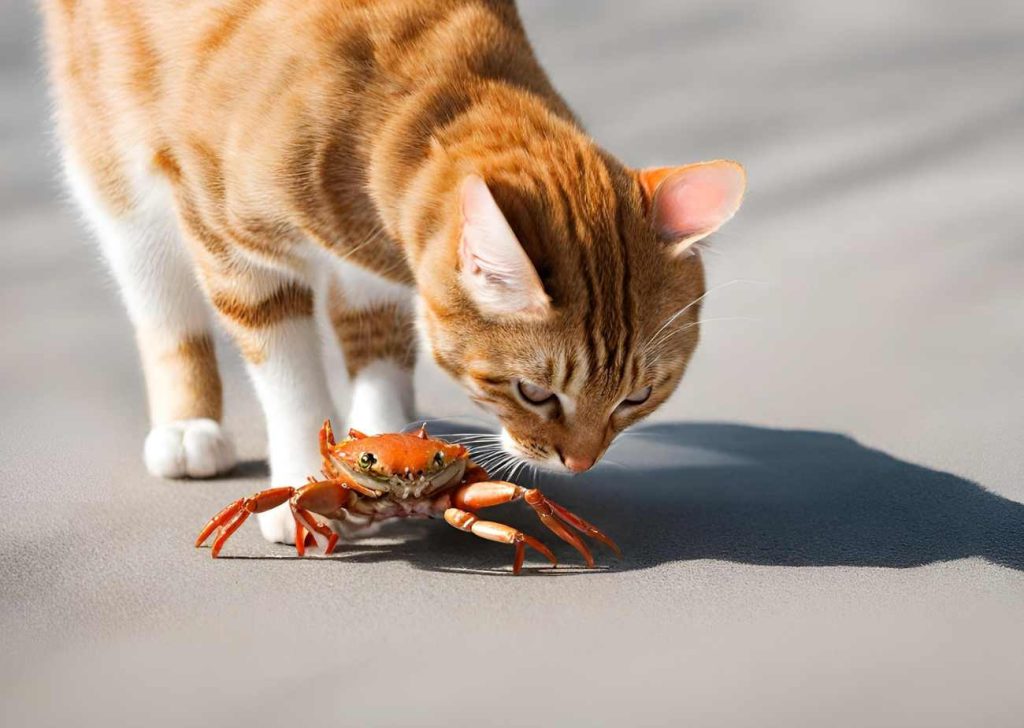
Can Cats Safely Eat Imitation Crab
May
Can Cats Safely Eat Imitation Crab? A Guide

As a pet nutrition consultant who has spent years working alongside veterinarians in small clinics and pet boarding facilities, I’ve had more than a few cat owners ask me whether imitation crab is safe. The question usually comes up during casual feeding when someone is enjoying seafood, and their cat shows interest. I’ve seen this happen during home visits and even in boarding kitchens, where curious cats test every smell on a plate. My answer is rarely a simple yes or no because imitation crab sits in a gray area for feline diets.

What imitation crab actually is

In my experience, many cat owners assume imitation crab is just another form of seafood, but that assumption is where confusion starts. Imitation crab, also known as surimi, is a processed food made mostly from white fish that is finely ground and then shaped and flavored to resemble crab meat. I first learned about its full ingredient list while reviewing pet dietary risks for a boarding facility that frequently handled cats with allergies.

What surprised me early on was how many additives are packed into imitation crab. It often contains starch, sugar, salt, artificial flavoring, and sometimes preservatives that extend shelf life. These ingredients are harmless for humans in small portions but can be problematic for cats, especially those with sensitive stomachs or kidney issues. I remember a customer last spring who was shocked when I explained that the “seafood treat” she was sharing was closer to processed deli meat than natural fish.

From a nutritional standpoint, imitation crab does not provide the same benefits as real crab or fresh fish. Cats require high-protein, low-carbohydrate diets, and this product tends to lean in the opposite direction due to its fillers. Even though it smells appealing to cats, the internal nutritional value does not match what their bodies actually need.

How cats react to it in real situations

Over the years, I’ve observed how cats respond when imitation crab is introduced into their environment, and the reaction is usually immediate interest. The smell alone is enough to make most cats approach quickly, especially those used to fish-based foods. I’ve seen cats at pet boarding centers become fixated on it during meal prep, even when they weren’t regularly fed any seafood.

During one of my consultations at a local pet care facility, I worked closely with staff at an imitation seafood safety guide to better understand how processed seafood products affect animal digestion in controlled feeding environments. What stood out in those discussions was how frequently cats enjoyed the taste initially but showed mild digestive upset afterward when portions were not carefully controlled. The experience reinforced what I had already seen in practice over several years of handling dietary cases involving cats with sensitive stomachs.

In practical terms, some cats tolerate a tiny bite of imitation crab without visible issues, while others react quickly with vomiting or loose stool. I’ve noticed that younger cats tend to handle it slightly better than older cats, but that doesn’t make it a safe, regular treat. The inconsistency itself is one of the main reasons I advise caution.

Another thing I’ve learned is that cats don’t distinguish between healthy and unhealthy novelty foods the way humans might assume. If it smells like fish, they often treat it as food without hesitation. That instinct can mislead owners into thinking the food is suitable when it is really just appealing on a sensory level.

Can Cats Safely Eat Imitation Crab

Risks I’ve seen with regular feeding

When imitation crab is offered more than once in a while, I start seeing patterns in digestive complaints. The most common issue I’ve dealt with is mild gastrointestinal irritation, which shows up as vomiting or inconsistent stool. In multi-cat households I’ve worked with, even small shared portions have caused uneven reactions across different cats.

Sodium content is one of the biggest concerns I discuss with owners. Imitation crab can contain surprisingly high levels of salt, which is not ideal for cats that already struggle with kidney stress or urinary tract sensitivity. I once worked with a senior cat whose diet had to be adjusted after repeated exposure to salty human foods, including small bites of processed seafood given by a well-meaning owner.

Preservatives and artificial flavorings also contribute to long-term concerns. While a single bite is unlikely to cause serious harm, repeated exposure builds unnecessary chemical load in a cat’s diet. I’ve seen cases where eliminating processed treats improved coat condition and energy levels within a few weeks, especially in indoor cats with limited activity.

There is also the behavioral side. Once a cat develops a taste for human seafood snacks, it becomes harder to maintain a consistent feeding routine. I’ve seen cats refuse regular food after repeated exposure to imitation crab, which frustrates owners trying to maintain balanced diets.

Safer alternatives I recommend instead

When owners ask me for safer substitutes, I usually suggest keeping things simple and closer to natural protein sources. Cooked plain fish like salmon or white fish, without seasoning or oil, is a far better option if someone wants to share seafood flavor with their cat. I’ve prepared these options in controlled feeding trials in small pet clinics where I worked part-time.

Chicken is another reliable alternative that I often recommend. Plain boiled chicken has been a go-to treat in many of the boarding environments I’ve managed, and it rarely causes digestive issues when given in small portions. Cats respond well to it because it better matches their natural dietary requirements than processed seafood products.

Tuna in water can also be used occasionally, but even that needs moderation. I’ve seen cats become overly dependent on tuna flavor, so I always caution against making it a daily habit. Balance matters more than novelty when it comes to feline nutrition.

At the end of the day, the safest approach is to treat imitation crab as something that is not part of a cat’s natural diet. I usually advise owners to think of it as a human snack that cats might enjoy the smell of, rather than a food item meant for regular feeding. A small accidental bite is not usually a crisis, but making it a habit creates more problems than benefits over time.

Tonkinese and Siamese
May
What Are the Main Differences Between Tonkinese and Siamese?

I have spent years working with cats at a multi-cat boarding cattery, where Tonkinese and Siamese were among the most commonly dropped off breeds. Owners often asked me to explain the real difference between the two, especially when their personalities seemed so similar at first glance. Over time, I noticed patterns in behavior, energy levels, and even how they bonded with people in shared spaces. Those day-to-day observations shaped how I understand Tonkinese vs Siamese beyond textbook descriptions.

Temperament in real homes

In my experience, Siamese cats tend to be more vocal and demanding in a direct, almost conversational way. I have had Siamese cats that would follow me from kennel to kennel, commenting loudly on anything they felt was off schedule. Tonkinese cats, while still social, usually express themselves with softer communication and more physical closeness than constant vocalization. A Siamese will talk at you, while a Tonkinese often prefers to sit on you.

One thing I noticed during long boarding stays is how differently they handle attention distribution in busy environments. Siamese cats often try to monopolize human interaction, showing clear frustration when they feel overlooked for even a short time. Tonkinese cats adapt a bit more easily, sometimes rotating between people or settling into calmer observation if attention is shared. That difference becomes more visible in homes with multiple pets or children.

Energy levels overlap, but the expression differs in practice. Siamese cats can feel sharper in their bursts of activity, darting through spaces with focused intent. Tonkinese cats still play intensely, but their movements often feel smoother and more rounded rather than tightly reactive. I once had a Siamese who would repeatedly scale the enclosure shelves within minutes, while a nearby Tonkinese preferred interactive play with me over solo sprinting.

Genetics and physical traits

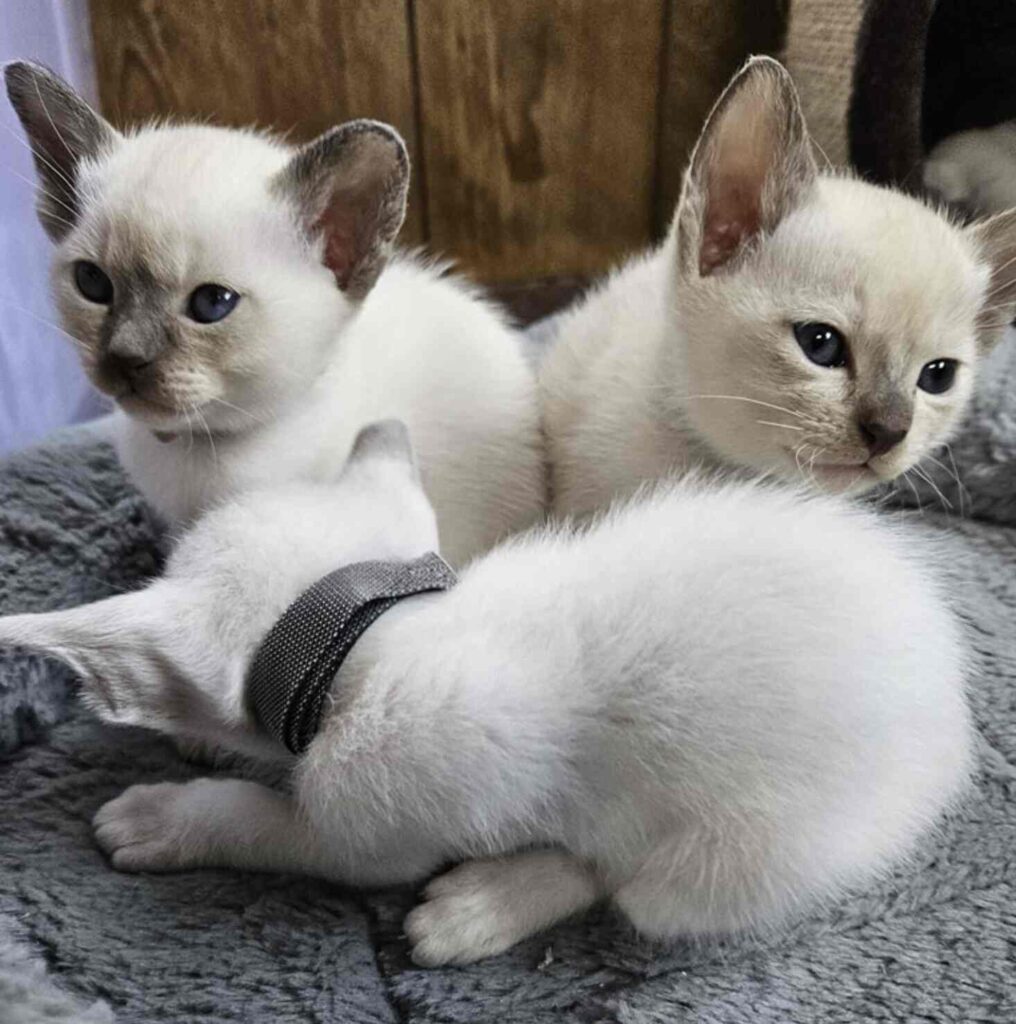
Working closely with breeders who occasionally brought their cats for health checks, I learned to spot subtle structural differences between Tonkinese and Siamese cats. Siamese cats generally have a more elongated frame, a wedge-shaped head, and a strikingly narrow bone structure. Tonkinese cats tend to sit somewhere between Siamese and Burmese in build, appearing more moderate and balanced in proportion. These differences become clearer as the cats mature beyond kittenhood.

In one instance, a breeder I worked with brought in a small group of young cats for temperament observation and early health screening. During that visit, I was reminded how often people misidentify young Tonkinese cats as Siamese until their adult coat pattern and body shape fully develop. For owners looking to explore breed-specific accessories or services that help compare traits and care needs, a breed comparison resource can be useful when sorting through conflicting online information. I have seen many first-time owners rely on mixed sources, which can lead to confusion about expectations. Having structured reference points helps reduce mismatched assumptions early on.

Coat coloration also plays a role in how people perceive them. Siamese cats usually show stronger contrast points on ears, face, tail, and paws, while Tonkinese cats often display a softer gradient known as mink patterning. I have watched visitors in the cattery assume two cats were siblings simply because their coloring looked similar at a distance. Once you observe them side by side for a few days, the tonal differences become much easier to spot.\

Tonkinese and Siamese

Care, behavior, and daily interaction

From a care perspective, both breeds require consistent interaction, but they respond differently to routine. Siamese cats often thrive on predictable engagement schedules, as if they were tracking your daily habits. Tonkinese cats are more flexible, sometimes adjusting their interaction style to the household’s energy. I have seen Tonkinese cats quietly sit with a calm owner for hours without issue, while a Siamese might escalate vocal reminders for attention.

Feeding time behavior also tells an interesting story. Siamese cats in my care tended to show stronger anticipation behaviors, often waiting near feeding stations long before scheduled times. Tonkinese cats still recognize routines, but they are less likely to escalate frustration if there is a delay. That difference becomes noticeable in multi-cat environments where timing is not always perfect.

Social bonding is another area where I see consistent variation. Siamese cats frequently choose one primary person and form an intense attachment that can feel exclusive. Tonkinese cats are more likely to distribute affection across multiple people, sometimes shifting attention depending on who is available. Neither approach is better, but they create very different household dynamics over time.

Play style adds another layer of contrast. Siamese cats often prefer structured play with clear targets, such as chasing a moving object in repetitive patterns. Tonkinese cats tend to mix play with social interaction, pausing more frequently to engage with the person holding the toy. I have had sessions where a Siamese would keep going until exhaustion, while a Tonkinese would stop to rest beside me before continuing again.

Choosing between Tonkinese and Siamese

When advising potential owners in the cattery, I usually start by asking how they imagine daily interaction with their cat. If someone enjoys constant vocal communication and a strong one-to-one bond, Siamese cats often meet those expectations closely. If they prefer a slightly softer, more adaptable companion who still enjoys interaction but without the same intensity, Tonkinese cats may feel more balanced. The choice is less about appearance and more about the rhythm of living.

I also consider household structure, especially in homes with children or multiple pets. Siamese cats can thrive in active environments, but they may demand more consistent attention to feel secure. Tonkinese cats often adjust more fluidly to shifting attention patterns, which can reduce tension in busy households. I have seen both breeds do well, but success usually depends on matching expectations with behavior patterns rather than appearance alone.

Experience has taught me that neither breed is easier in general. Siamese cats require emotional engagement that feels almost constant, while Tonkinese cats require social presence that is steady but less intense. At the cattery, I learned to quickly read those differences, especially during the first 48 hours of arrival. That early window often tells me more about long-term compatibility than any breed description ever could.

After years of observing both, I still find people surprised by how subtle the dividing lines can be in real life. On paper, they seem closely related, and in many ways, they are, but daily interaction reveals two distinct ways of connecting with humans. The more time I spend with them, the more I see Tonkinese and Siamese not as competing choices, but as different answers to the same question of companionship.

Cats That Act Silly
May
The Cats That Act Silly for No Clear Reason in My Grooming Van

I work as a mobile cat groomer, traveling through different neighborhoods in a small grooming van that I have modified over the years for nervous and playful pets. Over time, I started noticing a pattern with certain cats that clients would simply call “silly,” even when nothing about their behavior seemed medically wrong. These cats would act like they were part comedian, part chaos engine, especially during simple grooming sessions like brushing or nail trims. I never planned to specialize in behavior, but working this closely with animals forces you to read patterns whether you want to or not.

The first time I met what I call a silly cat.

The first “silly cat” I remember clearly came from a customer last spring in a quiet residential street where I parked my van under a neem tree. The cat was expected to be difficult because it had a history of avoiding grooming altogether, but instead, it behaved as if everything were a game. It would flop over the grooming table, then suddenly sprint in circles as if the floor had become too interesting to ignore. I expected aggression or fear, but what I got instead felt more like playful confusion mixed with bursts of energy that came out of nowhere.

At first, I thought I was doing something wrong, maybe using the wrong brush or moving too fast, but the same behavior repeated itself even when I slowed everything down. The owner kept laughing nervously and calling the cat “just silly like that,” which is a phrase I started hearing more often over time. That day taught me that not all unpredictable behavior in cats comes from stress or discomfort. Some of it is just their way of interacting with the world, which doesn’t fit human expectations.

By the end of that session, I realized I had to adjust my own rhythm rather than trying to correct the cat’s behavior. I finished the grooming in short bursts, letting the cat settle between moments of chaos. It worked better than forcing a standard routine. I remember thinking, ” This one is not broken, just different.

Why silly cats change how I work in the field

As I kept meeting more cats like this, I started changing how I structured my grooming sessions. I even began recommending certain calming environments or enrichment tools before starting any serious grooming work. A few colleagues suggested I try different behavioral support resources, and one pointed me toward a small service that helped me better understand feline stimulation patterns through practical examples and case notes. I later found similar insights at a local cat enrichment shop. It wasn’t about training the cat out of being silly, but about understanding what triggered the bursts of playful chaos so I could work around them.

Some people assume silly behavior means the cat is poorly trained or lacks discipline, but I’ve seen enough cases to disagree with that simple explanation. I’ve worked with cats that live in calm homes, get regular care, and still decide to act like a spinning top for no reason mid-grooming. Several thousand dollars’ worth of grooming equipment does not matter when a cat decides the towel is suddenly an enemy or a toy. That unpredictability forces me to stay alert, even during the most routine sessions.

I also noticed that timing plays a bigger role than most owners realize. A cat that is “silly” at night might be completely normal in the morning, almost like a switch that nobody can predict. I had one client who booked only early morning sessions after realizing their cat behaved like a different animal before noon. That small adjustment significantly reduced stress for both of us.

Cats That Act Silly

What silly behavior actually looks like in real visits

Over time, I started categorizing silly behavior into patterns rather than treating each incident as unique. Some cats attack grooming tools playfully, while others roll over dramatically whenever I try to brush a specific area. There are also cats that suddenly freeze, stare at nothing for a few seconds, and then sprint like they remembered something important they had to do immediately.

One of the most common patterns I see is what I call “attention switching,” where the cat cannot stay focused on any single sensation for more than a few seconds. I once had a cat that tried to chase its own tail while I was trimming its fur, then got distracted by the sound of a zipper in my bag, and completely forgot about the tail. That level of unpredictability is not dangerous, but it does require patience and constant repositioning on my part.

There are also moments where the silliness feels almost strategic, as if the cat is testing boundaries just to see what happens next. I do not believe cats think in human terms, but the timing of their behavior sometimes feels too intentional to ignore. I learned to pause more often instead of pushing through, which usually brings the cat back into a calmer state without force.

How I handle these cats without turning grooming into a struggle

After working with dozens of these cases, I stopped trying to control everything in real time. Instead, I focus on creating short windows of cooperation where grooming actually gets done without triggering another burst of chaos. That approach means I might take longer on a single cat, but it makes the process safer and less stressful for both parties.

Body language matters more than tools in these situations. A tail flick, a sudden ear turn, or a pause in breathing rhythm often tells me I have about three seconds before the next burst of silliness starts. I address issues immediately instead of waiting for them to escalate. Over time, this has reduced accidental scratches and made sessions more predictable.

One thing I always tell new groomers who ride with me is that silly cats are not a problem to solve; they are a pattern to understand. Once you stop expecting them to behave like calm, static animals, everything becomes easier to manage. I still get surprised sometimes, even after years of doing this work, but I no longer take it as a sign that something is going wrong.

Some days, I finish my route thinking about how little control we actually have over animal behavior and how much we rely on interpretation instead. Other days, I just clean the van, reset my tools, and prepare for the next cat that will decide, without warning, that the world is a playground. Either way, I have learned to respect the silliness rather than fight it.

Feed Dogs With Diarrhea
Apr
What I Actually Feed Dogs With Diarrhea After Years in a Grooming Van

I run a mobile dog grooming van and spend most of my days dealing with more than just coats and nails. Stomach issues come up a lot, especially after diet changes or when a dog gets into something it shouldn’t. I’ve cleaned up my fair share of messes, and over time I’ve learned what tends to calm things down quickly. What I feed in those moments is simple, practical, and based on what I’ve seen work again and again. Fancy diets rarely fix urgent problems.

What I Reach for First When a Dog Has Diarrhea

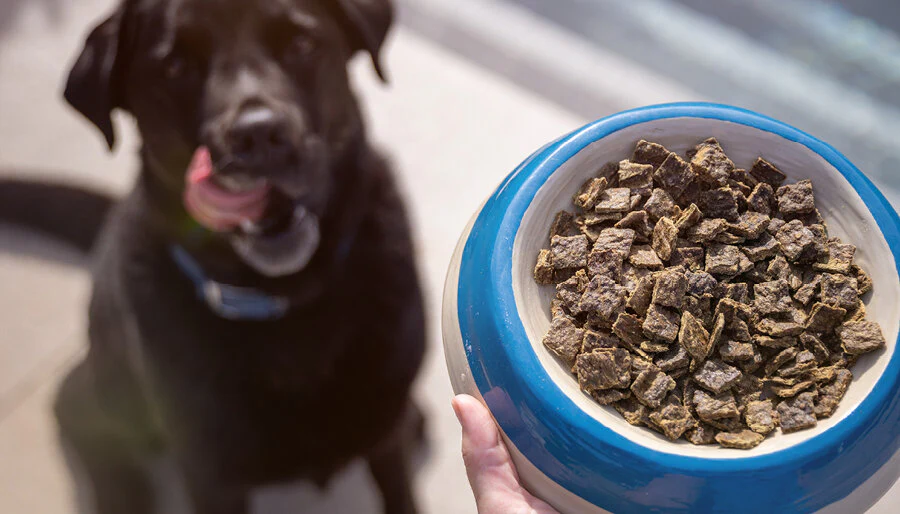
The first thing I do is strip the diet down to basics. I usually recommend plain boiled chicken and white rice, and I keep the ratio close to 2 parts rice and 1 part chicken. It sounds boring, but that’s the point. The gut needs a break, and simple food is easier to digest. I’ve seen dogs go from constant loose stools to normal within 24 to 48 hours on this setup.

I make sure the chicken is skinless and has zero seasoning. Even a bit of oil or salt can irritate an already upset stomach. Rice should be soft, almost mushy, because it binds stool better that way. I’ve tried brown rice before, but it doesn’t work as well during active diarrhea. White rice is easier on the system.

Portion size matters more than people think. I don’t feed a full meal right away. Instead, I split it into 3 or 4 smaller servings throughout the day so the digestive system doesn’t get overwhelmed. Small meals. Big difference.

When I Add Extras and What I Avoid Completely

Once things start improving, I sometimes add plain pumpkin puree, about one or two tablespoons, depending on the dog’s size. It helps regulate stool, and I’ve seen it work especially well in medium-sized dogs around 15 to 25 kilos. One customer last spring had a Labrador with recurring stomach issues, and adding pumpkin made a noticeable difference within a couple of days.

For owners who want a structured plan, I sometimes point them toward resources like dog diarrhea diet plan pages that outline feeding schedules and portion ideas in a simple way. Some people just need a clear path to follow. Guessing often leads to overfeeding or introducing the wrong foods too soon. That can set recovery back by days.

I avoid dairy, fatty meats, and commercial treats during this phase. Even foods that are normally fine can cause problems when the gut is irritated. I’ve seen someone give yogurt, thinking it would help, and it made things worse within hours. Every dog reacts differently, but during diarrhea, a less varied diet is safer.

There’s also the temptation to switch brands immediately. I usually tell people to wait. Sudden changes in diet are among the top reasons dogs develop diarrhea. Stick to the bland diet until things settle.

Feed Dogs With Diarrhea

How Long Can I Keep Dogs on a Bland Diet

I don’t rush the transition back to normal food. Even if the stool looks solid after one day, I give it at least another 48 hours before reintroducing regular kibble. The gut needs stability, not surprises. I mix a small amount of the regular food into the bland diet, starting around 25 percent and slowly increasing over 3 to 5 days.

Some dogs recover fast. Others take a week. I’ve worked with older dogs that needed nearly seven days before they could handle their usual meals again without issues. Age plays a role, and so does overall health.

Hydration is something people forget. Diarrhea drains fluids quickly, especially in smaller dogs under 10 kilos. I always make sure they have fresh water available, and in some cases, I suggest adding a bit of unseasoned broth to encourage drinking. Dehydration can escalate things fast.

If symptoms last more than three days, I stop guessing and recommend a vet visit. There’s a point where food alone isn’t enough. Parasites, infections, or underlying conditions need proper treatment.

What I’ve Learned From Real Cases Over Time

One thing I’ve learned is that consistency beats complexity. People often overthink the solution and start mixing multiple “helpful” foods at once. That usually backfires. I remember a client who added chicken, pumpkin, yogurt, and supplements all in one day. The dog’s condition didn’t improve until we simplified everything.

Another pattern I’ve noticed is how often table scraps trigger problems. Even small amounts of spicy or greasy food can upset a dog’s stomach. It doesn’t take much. A few bites can lead to two days of diarrhea.

Stress can play a role, too. I’ve seen dogs develop loose stools after boarding or travel, even when their diet stayed the same. In those cases, the same bland diet still works, but it may take a bit longer to stabilize.

Some owners expect instant results. That rarely happens. Most dogs need at least a full day before you see real improvement, and pushing new foods too early resets progress.

I keep things simple because simple works. Over the years, I’ve dealt with enough cases to know that fancy solutions are rarely necessary for mild diarrhea. Stick to basics, watch closely, and give the dog time to recover properly. That approach has saved me and my clients a lot of stress.

Is Table Food Bad for Dogs
Apr
Is Table Food Bad for Dogs or Just Misunderstood?

I run a small dog boarding setup out of my home, and I have spent years watching how dogs react to what their owners feed them. Table food comes up almost every week in conversations with clients dropping off their pets. Some swear by sharing bites from dinner, while others avoid it like poison. I sit somewhere in the middle, and that position comes from seeing real outcomes, not theory.

What I Have Seen Dogs Do With Table Scraps

Dogs are opportunistic eaters. That sounds polite, but what it really means is they will eat almost anything that smells interesting, even if it upsets their stomach later. I once had a Labrador stay with me for three days after a weekend of being fed leftover biryani at home, and by day two, he was dealing with loose stools and low energy. That was not unusual.

Some dogs handle scraps better than others. I have seen older street rescues with iron stomachs eat bits of bread, chicken, and rice without any visible issue. Then I have seen well-kept indoor dogs get sick from a small piece of spiced meat. The difference often comes down to what their bodies have become accustomed to over time.

It builds habits fast. A dog that gets fed from the table even two or three times a week quickly starts begging every time food appears. That behavior alone causes problems in homes with kids or guests. It changes the whole dynamic around meals.

The Problem Is Not Always the Food Itself

People often think table food is automatically bad, but the truth is more nuanced than that. Plain boiled chicken, a bit of rice, or some cooked vegetables are not harmful in small amounts. The issue is how people prepare their own food, which often includes oil, spices, salt, and sometimes ingredients that are harmful to dogs.

I had a client last winter who insisted their dog only ate “home food,” which sounded fine until I learned it included fried leftovers and heavily seasoned gravy. For anyone trying to understand safer options, I usually point them toward resources like the dog nutrition guide that break down what actually works and what does not. It saves a lot of trial and error.

Portion size matters more than people think. A few bites might seem harmless, but for a 10-kilogram dog, even a small serving of fatty food can overload their system. I have seen dogs vomit within hours after eating something that would barely count as a snack for a human.

Hidden Ingredients That Cause Trouble

Some of the biggest risks are not obvious at first glance. Onion and garlic are common ingredients in many cooked meals, and both can be harmful to dogs over time. Grapes are another one that surprises people. Even a handful can cause serious issues in certain dogs.

Fat content is another problem. Rich foods like leftover curry or fried meat can strain a dog’s digestive system and lead to conditions like pancreatitis. I have seen one case where a dog needed emergency care after a weekend of being fed scraps from a family gathering. It cost several thousand rupees in treatment.

Seasoning adds up. Dogs do not need salt the way humans do, and excess sodium can lead to dehydration or, in extreme cases, worse. Many table foods are simply too rich for them.

Is Table Food Bad for Dogs

Behavioral Effects You Notice Later

The health side gets most of the attention, but behavior is just as important. Dogs that regularly get table food often stop eating their own meals properly. I have boarded dogs that refused their kibble entirely because they were waiting for something better.

Begging becomes constant. It starts with sitting quietly near the table and can turn into barking or pawing at people during meals. That is frustrating for owners and stressful for the dog, especially when expectations are not met.

Consistency matters. A dog fed scraps one day and denied them the next does not understand the change, which can create confusion and sometimes anxiety around food.

Where I Draw the Line. I do give dogs “human food” sometimes, but I keep it under tight control. Plain, unseasoned pieces of chicken or a spoonful of rice after cooking are about as far as I go. I never feed directly from my plate. That boundary keeps behavior in check.

Timing also makes a difference. I offer any extras after the dog has eaten its regular meal, not before. That way, the dog does not start rejecting its own food in hopes of getting something else.

It takes discipline from the owner. Dogs learn fast. Faster than people expect.

Table food isn’t inherently bad, but the way people use it often creates problems over time. I have seen enough upset stomachs and bad habits to be cautious, even if there are exceptions. A little control goes a long way, and most dogs are better off sticking close to a consistent, simple diet with only the occasional safe addition.