Feed Dogs With Diarrhea
Apr
What I Actually Feed Dogs With Diarrhea After Years in a Grooming Van

I run a mobile dog grooming van and spend most of my days dealing with more than just coats and nails. Stomach issues come up a lot, especially after diet changes or when a dog gets into something it shouldn’t. I’ve cleaned up my fair share of messes, and over time I’ve learned what tends to calm things down quickly. What I feed in those moments is simple, practical, and based on what I’ve seen work again and again. Fancy diets rarely fix urgent problems.

What I Reach for First When a Dog Has Diarrhea

The first thing I do is strip the diet down to basics. I usually recommend plain boiled chicken and white rice, and I keep the ratio close to 2 parts rice and 1 part chicken. It sounds boring, but that’s the point. The gut needs a break, and simple food is easier to digest. I’ve seen dogs go from constant loose stools to normal within 24 to 48 hours on this setup.

I make sure the chicken is skinless and has zero seasoning. Even a bit of oil or salt can irritate an already upset stomach. Rice should be soft, almost mushy, because it binds stool better that way. I’ve tried brown rice before, but it doesn’t work as well during active diarrhea. White rice is easier on the system.

Portion size matters more than people think. I don’t feed a full meal right away. Instead, I split it into 3 or 4 smaller servings throughout the day so the digestive system doesn’t get overwhelmed. Small meals. Big difference.

When I Add Extras and What I Avoid Completely

Once things start improving, I sometimes add plain pumpkin puree, about one or two tablespoons, depending on the dog’s size. It helps regulate stool, and I’ve seen it work especially well in medium-sized dogs around 15 to 25 kilos. One customer last spring had a Labrador with recurring stomach issues, and adding pumpkin made a noticeable difference within a couple of days.

For owners who want a structured plan, I sometimes point them toward resources like dog diarrhea diet plan pages that outline feeding schedules and portion ideas in a simple way. Some people just need a clear path to follow. Guessing often leads to overfeeding or introducing the wrong foods too soon. That can set recovery back by days.

I avoid dairy, fatty meats, and commercial treats during this phase. Even foods that are normally fine can cause problems when the gut is irritated. I’ve seen someone give yogurt, thinking it would help, and it made things worse within hours. Every dog reacts differently, but during diarrhea, a less varied diet is safer.

There’s also the temptation to switch brands immediately. I usually tell people to wait. Sudden changes in diet are among the top reasons dogs develop diarrhea. Stick to the bland diet until things settle.

Feed Dogs With Diarrhea

How Long Can I Keep Dogs on a Bland Diet

I don’t rush the transition back to normal food. Even if the stool looks solid after one day, I give it at least another 48 hours before reintroducing regular kibble. The gut needs stability, not surprises. I mix a small amount of the regular food into the bland diet, starting around 25 percent and slowly increasing over 3 to 5 days.

Some dogs recover fast. Others take a week. I’ve worked with older dogs that needed nearly seven days before they could handle their usual meals again without issues. Age plays a role, and so does overall health.

Hydration is something people forget. Diarrhea drains fluids quickly, especially in smaller dogs under 10 kilos. I always make sure they have fresh water available, and in some cases, I suggest adding a bit of unseasoned broth to encourage drinking. Dehydration can escalate things fast.

If symptoms last more than three days, I stop guessing and recommend a vet visit. There’s a point where food alone isn’t enough. Parasites, infections, or underlying conditions need proper treatment.

What I’ve Learned From Real Cases Over Time

One thing I’ve learned is that consistency beats complexity. People often overthink the solution and start mixing multiple “helpful” foods at once. That usually backfires. I remember a client who added chicken, pumpkin, yogurt, and supplements all in one day. The dog’s condition didn’t improve until we simplified everything.

Another pattern I’ve noticed is how often table scraps trigger problems. Even small amounts of spicy or greasy food can upset a dog’s stomach. It doesn’t take much. A few bites can lead to two days of diarrhea.

Stress can play a role, too. I’ve seen dogs develop loose stools after boarding or travel, even when their diet stayed the same. In those cases, the same bland diet still works, but it may take a bit longer to stabilize.

Some owners expect instant results. That rarely happens. Most dogs need at least a full day before you see real improvement, and pushing new foods too early resets progress.

I keep things simple because simple works. Over the years, I’ve dealt with enough cases to know that fancy solutions are rarely necessary for mild diarrhea. Stick to basics, watch closely, and give the dog time to recover properly. That approach has saved me and my clients a lot of stress.


Is Table Food Bad for Dogs
Apr
Is Table Food Bad for Dogs or Just Misunderstood?

I run a small dog boarding setup out of my home, and I have spent years watching how dogs react to what their owners feed them. Table food comes up almost every week in conversations with clients dropping off their pets. Some swear by sharing bites from dinner, while others avoid it like poison. I sit somewhere in the middle, and that position comes from seeing real outcomes, not theory.

What I Have Seen Dogs Do With Table Scraps

Dogs are opportunistic eaters. That sounds polite, but what it really means is they will eat almost anything that smells interesting, even if it upsets their stomach later. I once had a Labrador stay with me for three days after a weekend of being fed leftover biryani at home, and by day two, he was dealing with loose stools and low energy. That was not unusual.

Some dogs handle scraps better than others. I have seen older street rescues with iron stomachs eat bits of bread, chicken, and rice without any visible issue. Then I have seen well-kept indoor dogs get sick from a small piece of spiced meat. The difference often comes down to what their bodies have become accustomed to over time.

It builds habits fast. A dog that gets fed from the table even two or three times a week quickly starts begging every time food appears. That behavior alone causes problems in homes with kids or guests. It changes the whole dynamic around meals.

The Problem Is Not Always the Food Itself

People often think table food is automatically bad, but the truth is more nuanced than that. Plain boiled chicken, a bit of rice, or some cooked vegetables are not harmful in small amounts. The issue is how people prepare their own food, which often includes oil, spices, salt, and sometimes ingredients that are harmful to dogs.

I had a client last winter who insisted their dog only ate “home food,” which sounded fine until I learned it included fried leftovers and heavily seasoned gravy. For anyone trying to understand safer options, I usually point them toward resources like the dog nutrition guide that break down what actually works and what does not. It saves a lot of trial and error.

Portion size matters more than people think. A few bites might seem harmless, but for a 10-kilogram dog, even a small serving of fatty food can overload their system. I have seen dogs vomit within hours after eating something that would barely count as a snack for a human.

Hidden Ingredients That Cause Trouble

Some of the biggest risks are not obvious at first glance. Onion and garlic are common ingredients in many cooked meals, and both can be harmful to dogs over time. Grapes are another one that surprises people. Even a handful can cause serious issues in certain dogs.

Fat content is another problem. Rich foods like leftover curry or fried meat can strain a dog’s digestive system and lead to conditions like pancreatitis. I have seen one case where a dog needed emergency care after a weekend of being fed scraps from a family gathering. It cost several thousand rupees in treatment.

Seasoning adds up. Dogs do not need salt the way humans do, and excess sodium can lead to dehydration or, in extreme cases, worse. Many table foods are simply too rich for them.

Is Table Food Bad for Dogs

Behavioral Effects You Notice Later

The health side gets most of the attention, but behavior is just as important. Dogs that regularly get table food often stop eating their own meals properly. I have boarded dogs that refused their kibble entirely because they were waiting for something better.

Begging becomes constant. It starts with sitting quietly near the table and can turn into barking or pawing at people during meals. That is frustrating for owners and stressful for the dog, especially when expectations are not met.

Consistency matters. A dog fed scraps one day and denied them the next does not understand the change, which can create confusion and sometimes anxiety around food.

Where I Draw the Line. I do give dogs “human food” sometimes, but I keep it under tight control. Plain, unseasoned pieces of chicken or a spoonful of rice after cooking are about as far as I go. I never feed directly from my plate. That boundary keeps behavior in check.

Timing also makes a difference. I offer any extras after the dog has eaten its regular meal, not before. That way, the dog does not start rejecting its own food in hopes of getting something else.

It takes discipline from the owner. Dogs learn fast. Faster than people expect.

Table food isn’t inherently bad, but the way people use it often creates problems over time. I have seen enough upset stomachs and bad habits to be cautious, even if there are exceptions. A little control goes a long way, and most dogs are better off sticking close to a consistent, simple diet with only the occasional safe addition.

Living With Safari Cats
Apr
Living With Safari Cats in a Controlled Care Setting

I work with exotic feline hybrids in a small private care setup where safari cats are part of my daily routine. Over the years, I’ve handled different generations of these cats, mostly in advisory roles for owners who underestimated their energy levels. My experience comes from hands-on care, not theory, and I’ve seen both calm households and chaotic ones depending on preparation. Safari cats sit in a very specific space between domestic comfort and wild instinct.

Daily Care and Environment Needs

Safari cats are not difficult because they are aggressive, but because they are active in a way most people don’t anticipate. I usually tell new owners that a standard apartment setup rarely holds up without modification. I once visited a home where the owner had tried to manage one safari cat with basic indoor furniture, and the result was constant climbing damage and broken shelving. These cats think vertically, not just horizontally, so space planning matters more than decoration.

In my setup, I always prioritize reinforced perches, open climbing routes, and secure hiding areas that allow the cat to decompress. One customer last spring had two safari cats that would rotate between intense play bursts and long, quiet observation periods, which is typical behavior in my experience. I’ve learned that ignoring their need for structured stimulation leads to a build-up of restlessness over time. A bored safari cat doesn’t stay quiet for long, and it shows in the environment.

Temperament and Training Observations

Safari cats tend to be intelligent, but their independence can be mistaken for stubbornness. I’ve spent hours observing how they respond to consistent routines, and they often prefer predictable patterns rather than forced obedience. A friend of mine once tried basic leash training without gradual conditioning and quickly realized the cat was more responsive to environmental cues than commands. Patience is not optional here; it is the working method.

Many owners I’ve advised underestimate how social these cats can be when trust is built slowly. I remember one safari cat that would follow its owner from room to room but refuse direct handling unless it initiated contact first. For those looking into structured care guidance, I often point them toward specialized resources like the Safari Cat Care Resource, which breaks down handling approaches in practical terms rather than offering general advice. I have seen better outcomes when people combine reading with observation rather than relying solely on assumptions.

Training sessions with safari cats rarely look like traditional pet training. They are shorter, more spaced out, and heavily dependent on mood and environment. I usually keep sessions under ten minutes, sometimes even less, because pushing beyond that point leads to disengagement. One sentence I often repeat to owners is simple but true: consistency beats intensity.

Living With Safari Cats

Health, Feeding, and Long-Term Management

Diet plays a major role in how safari cats develop physically and behaviorally. In my care routines, I pay close attention to protein balance and feeding schedules rather than relying on generic feeding charts. I once worked with a case where irregular feeding led to noticeable behavioral shifts, including pacing and nighttime activity spikes. After adjusting the routine, the cat’s behavior stabilized within a couple of weeks.

Veterinary oversight is essential, but I’ve noticed that some general vets are not always familiar with hybrid-specific traits. That gap can lead to misinterpretation of normal behavior as medical issues. I always recommend keeping detailed behavioral logs before appointments, especially when subtle changes appear over time. It helps separate actual health concerns from natural behavioral variation.

Housing management is another long-term factor that cannot be ignored. Safari cats adapt, but they don’t simplify their needs as they age. I’ve seen older cats still climb aggressively when their environment allows it, though the intensity may drop slightly. Providing stable, enriched spaces reduces stress-related behaviors and supports long-term well-being, not just months.

Real-World Ownership Challenges and Adjustments

The biggest challenge I’ve seen with safari cats is expectation mismatch. People often assume that hybrid means semi-domestic behavior, but that assumption creates frustration on both sides. I worked with one household that had to completely redesign their living space after realizing the cat’s activity level was incompatible with their original setup. That kind of adjustment is not rare in my experience.

Noise, movement, and unpredictability are part of the reality of ownership. Safari cats react quickly to environmental changes, including visitors, rearranged furniture, and even shifts in lighting. I’ve advised owners to maintain consistent layouts because even small changes can trigger days of behavioral adjustment. It is not about control; it is about predictability.

Despite the challenges, I’ve also seen strong bonds form between safari cats and committed owners. These relationships develop slowly, but they tend to be steady once established. I often notice that trust is shown through proximity rather than interaction, which is easy to miss if someone expects constant affection. Quiet presence is still a form of connection in their behavioral patterns.

Working with safari cats has taught me that they don’t respond well to shortcuts or assumptions. Every successful case I’ve handled involved patience, environmental planning, and a willingness to adapt expectations rather than forcing outcomes. When those pieces align, the result is a stable living situation that feels structured rather than unpredictable. That balance is what makes long-term care possible.

Black Ragdoll Cat
Apr
Black Ragdoll Cat Seen Through My Cattery Days

I’ve spent years working with ragdoll-type cats in a small cattery outside Faisalabad, and every now and then someone asks me about a “black ragdoll cat” like it’s a well-established variety. I understand why the idea is appealing because the ragdoll temperament paired with a darker coat sounds almost perfect on paper. My experience, though, has taught me that this topic sits somewhere between genetics, misunderstanding, and selective marketing.

My First Encounters with “Black Ragdoll” Requests

When I first started breeding ragdoll lines, I kept detailed notes on coat colors, patterns, and temperament across each litter. In those early years, a customer once brought me a blurry image of a jet-black cat and insisted it was a ragdoll type they had seen online. I remember telling them that ragdolls, as defined in standard breeding lines, do not naturally produce solid black coats.

Still, the demand never stopped. I began noticing how often people associate any large, calm, fluffy cat with the ragdoll label, especially when the coat color is unusual. A few visitors even mentioned “rare black ragdolls” they saw on social media listings, but none matched the verified lineage records I had seen in breeding documentation.

One afternoon, during a consultation, I had to explain this to a couple who had driven several hours to visit my cattery. They were disappointed at first, but as we talked more, they started to understand how marketing can stretch breed identities beyond their genetic limits. These conversations became more common than I expected over the years.

Breed Standards, My Breeding Notes, and Where Owners Look for Help

Over time, I studied official ragdoll breed patterns more closely, including colorpoint variations and how controlled breeding affects coat expression. I kept comparing my own records with what people were claiming online, and the gap between them kept widening. One of my mentors, an older breeder I used to visit occasionally, always reminded me that consistency in lineage matters more than appearance trends.

During my consultations, I often direct people to structured feline care resources, such as a cat care guidance platform, so they can understand breed standards before making decisions based on online images. I’ve found that when owners read structured material rather than relying on social media posts, they return with more realistic expectations about coat genetics and temperament traits. That alone prevents a lot of confusion later.

I’ve also noticed that many “black ragdoll” listings online are either mixed breeds or long-haired domestic cats, described in ways meant to attract attention. A customer last spring showed me screenshots of three different sellers, all using the same term but presenting completely unrelated cats. That’s usually where I step in and break down what traits actually define a ragdoll line.

My notes from breeding seasons show a consistent pattern: pointed coloration, not solid black, is what defines true ragdoll genetics. I’ve never recorded a pure litter producing a fully black coat, even across multiple carefully tracked pairings. That’s why I remain cautious when people use the term too freely.

Black Ragdoll Cat

Temperament I’ve Observed in These Cats

One thing I’ve consistently observed in ragdoll-type cats is their calm response to handling, especially in controlled environments like my cattery. Even when kittens are very young, they tend to relax in the hands rather than resist movement. I’ve handled hundreds over the years, and that trait remains fairly stable across generations.

People often ask me if a “black ragdoll” would behave differently, and my answer is always based on behavior, not coat color. In my experience, temperament is shaped more by lineage and early socialization than by appearance alone. A calm kitten raised in a quiet home will usually remain calm as an adult.

I remember one litter where a particularly affectionate male kitten would follow me around the feeding area without hesitation. He would sit near my feet while I checked water bowls and paperwork, which is typical of the clingy, people-oriented behavior ragdolls are known for. Color never played a role in that behavior pattern.

Over the years, I’ve also seen how the environment changes personality expression. Cats raised in crowded or noisy homes often become more reserved, even if their genetics suggest otherwise. That contrast is something I always point out to new owners who focus too much on appearance.

Grooming and Daily Care in My Cattery

In my daily routine, grooming ragdoll-type coats takes more time than most people expect. Their semi-long fur doesn’t mat easily at first, but without regular brushing, it can become dense around the neck and hind legs. I usually dedicate a fixed time each evening for grooming rounds across all enclosures.

Each cat reacts differently to brushing, but most of the ragdoll lines I’ve worked with tolerate it well if introduced early. A few years ago, I had a young female who would actually lean into the brush after a week of gradual training, which made her care routine much easier to manage during busy seasons. That kind of cooperation is not guaranteed, though.

Nutrition also plays a role in coat condition. I adjust feeding plans depending on age and activity level, especially during colder months when fur density increases. Small changes in diet can affect shedding cycles more than people realize, something I’ve tracked across multiple litters in my records.

Regular grooming sessions also help me notice early health changes. A slight shift in coat texture or reduced grooming tolerance sometimes signals stress or minor health issues before they become visible in behavior. Early detection has helped me prevent several serious complications over time.

Living With One at Home, What People Don’t Expect

When people bring a ragdoll-type cat into their home expecting a decorative pet, they’re often surprised by how socially demanding these cats can be. I’ve kept one retired female at my own house, and she rarely stays alone in a room for long. She follows movement more than she follows space.

The misconception I see most often is that a calm cat equals an independent one, but my experience shows the opposite. These cats often prefer company and will quietly sit near whoever is in the room rather than isolating themselves. That behavior can be comforting for some owners and overwhelming for others, depending on lifestyle.

Noise sensitivity is another factor I’ve noticed. Sudden loud sounds can make them retreat briefly, but they usually return quickly once the environment settles. I’ve seen this pattern repeat across many households where I’ve placed kittens over the years.

Living with one also means adjusting furniture habits more than people expect. They enjoy elevated resting spots and often claim the highest accessible surface in a room. I’ve had to rearrange shelves and soft corners at home just to match that natural preference.

In my experience, the idea of a black ragdoll cat stays more popular in imagination than in genetics. Still, the fascination keeps bringing people to my cattery, and those conversations often lead to a better understanding of what these cats truly are and how they actually live with humans.

Living With a Mackerel Tabby Cat
Apr
Living With a Mackerel Tabby Cat in My Grooming Rounds

I work as a mobile feline groomer in Faisalabad, moving between small apartments, courtyard homes, and the occasional pet shop setup that calls me in for house visits. Over the years, I have handled hundreds of cats, but mackerel tabby cats always stand out because of their sharp striped pattern and restless curiosity. I started noticing patterns in their behavior while grooming them in tight home spaces where they feel safest. These cats are not rare in my routine, but each one carries a slightly different temperament under the same striped coat.

Stripes That Define the Mackerel Tabby

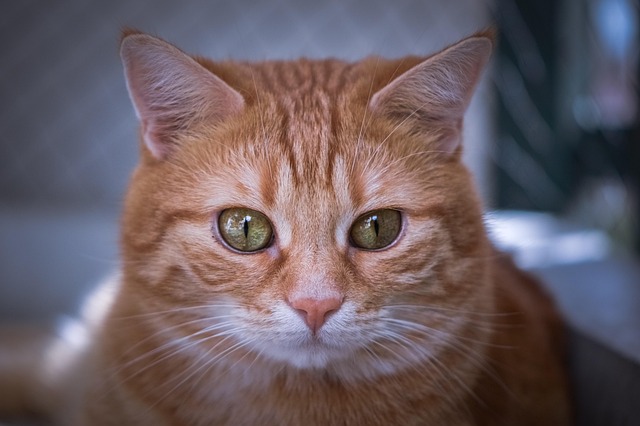
The first thing I explain to cat owners is how to recognize a mackerel tabby without overthinking it. The pattern runs in narrow vertical stripes that look almost like fishbones, stretching along the body. I usually see these cats confused with spotted or classic tabbies, especially when the lighting in a room softens their markings. I see it daily. One customer last spring thought her kitten was changing patterns as it grew, but it was simply the coat settling into its natural striping.

When I examine a mackerel tabby during grooming, I pay attention to the symmetry of the stripes along the ribs and tail. The tail often carries rings that tighten toward the tip, which helps me quickly confirm the pattern. Some cats have broken stripes, which makes them look more chaotic, but the underlying structure is still mackerel-based. That detail matters when owners try to identify lineage or match traits with parents they know.

Temperament and Daily Handling in My Experience

In my grooming van, mackerel tabby cats often seem to be constantly scanning their environment, even when lying still. I have noticed they adapt quickly to new spaces, but they rarely settle fully unless they trust the person handling them. A few of them respond strongly to sound, especially the metallic clink of grooming tools. That sensitivity changes how I pace the entire session.

I often point new cat owners toward a feline coat pattern care guide when they start confusing striped tabbies with other patterns. I also find that mackerel tabbies respond better when grooming is broken into short, predictable sessions rather than long, continuous handling. In several homes I visit regularly, I’ve seen cats become calmer simply because the timing of brushing stays consistent week after week. Routine matters more than technique with these cats.

What I also notice is their strong preference for familiar scents. If a towel or brush smells new, they tend to inspect it longer before accepting contact. I once had a cat in a two-room flat in Gulberg who refused grooming for nearly ten minutes just because I had replaced my usual brush cover. Small details like that can change the whole session flow.

Living With a Mackerel Tabby Cat

Coat Care, Shedding, and Grooming Challenges

The coat of a mackerel tabby is usually short to medium length, but density varies more than people expect. In warmer months, I see heavier shedding cycles, especially in cats that stay indoors with limited airflow. Brushing helps, but the timing of grooming sessions matters more than intensity. I usually recommend light brushing every few days rather than waiting for heavy shedding to build up.

One of the recurring issues I deal with is matting near the armpits and lower back. These areas trap loose hair, especially in active cats that twist and stretch a lot while playing. A customer last summer had a young mackerel tabby that developed tight knots after skipping grooming for nearly three weeks. It took patience and soft detangling rather than any forceful approach to bring the coat back to normal condition.

I also watch how these cats react to bathing, even though most do not need frequent baths. Water stress is common, but mackerel tabbies tend to recover faster once they are dried and brushed properly. I keep sessions short because prolonged exposure to noise from dryers increases their anxiety levels. The goal is always to maintain coat health without overwhelming the cat’s nervous system.

Behavior Patterns and Long-Term Care Observations

Over time, I have begun linking certain behavioral patterns to how mackerel tabbies are raised rather than solely to their genetics. Indoor cats with structured playtime tend to show more balanced energy, while those left alone for long hours become more reactive during grooming sessions. I can usually predict their tolerance level within the first five minutes of handling.

Diet also plays a significant role in coat condition, though owners often underestimate its impact. When nutrition is consistent, I see fewer dry patches and a smoother stripe definition across the body. I have visited homes where even small adjustments in feeding schedules improved shedding patterns within a few weeks. These changes are subtle but noticeable during grooming.

Enrichment is another area I focus on during conversations with owners. Simple additions, such as climbing shelves or window perches, significantly reduce stress-related grooming issues. I have seen mackerel tabbies become noticeably calmer when they have predictable observation points around the home. They like control over their view, even if they are not actively moving.

Health monitoring is something I naturally integrate into grooming sessions. While brushing, I check for skin sensitivity, minor irritations, or uneven fur loss that could indicate underlying issues. Early detection is usually possible because these cats tend to react quickly when something feels off in their coat or skin. That awareness helps prevent small problems from turning into larger ones.

Working with mackerel tabby cats has taught me that their striped appearance is only the surface layer of a much more responsive and alert personality. They adapt well, but they also remember experiences quickly, which shapes how future grooming sessions unfold. Every cat I handle adds a slightly different reference point to what I already know. I still find new patterns even after years of working with them across different homes and environments.