Can Cats Eat Chia Seeds Without Trouble in Their Diet
As a mobile pet groomer in small towns across Punjab, I often talk with cat owners about their pets’ health, especially during coat trims or skin checks. A common question is whether cats can safely eat chia seeds, usually prompted by trends in human nutrition. Many owners express curiosity and some confusion about using chia as a “natural supplement” for cats.
What I’ve Seen When Cats Accidentally Eat Chia Seeds
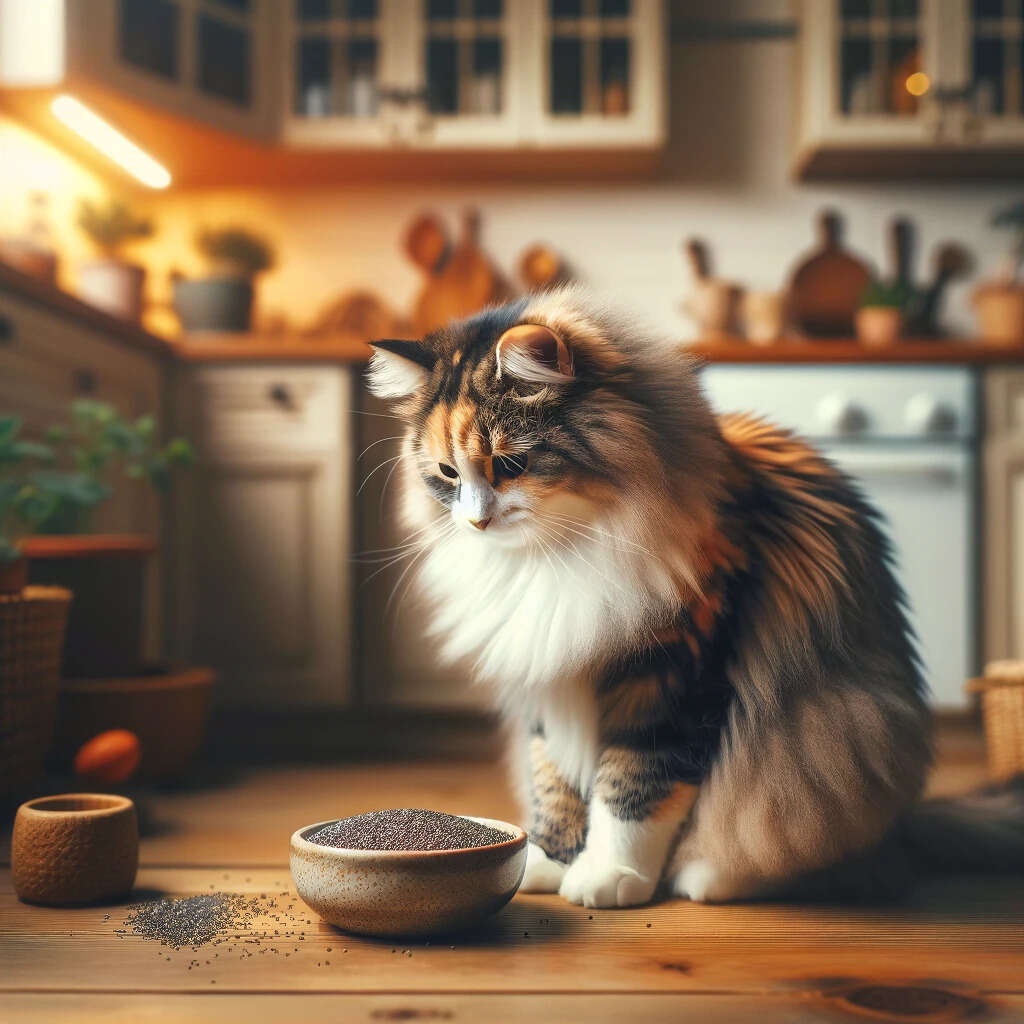
In my daily rounds, I sometimes meet cats that have already tasted chia seeds without their owners fully realizing it. It usually happens when seeds are mixed into smoothies or soaked foods and left within reach on kitchen counters. Most cats I’ve observed show no immediate reaction to a tiny quantity, almost like a few scattered grains. But I’ve also seen cases where dry chia seeds caused mild digestive discomfort when eaten straight from the container.
Last spring, a customer’s indoor cat ate a bowl of soaked chia pudding left on a table. The cat’s stool was softer for a day. I’ve seen this often when new foods are added quickly. Cats do not process plant ingredients like chia as humans do, especially when they expand in liquid.
When I visit homes for grooming sessions, I often get asked if local pet nutrition advice is reliable or if online information is enough. I usually suggest speaking with a trained professional who understands feline digestion rather than relying on general dietary trends. A helpful place I’ve personally heard pet owners mention is a local pet nutrition consultation service, where they can get guidance tailored to their cat’s health condition and weight. I’ve noticed that cats with sensitive stomachs are the ones who react fastest to new additions like seeds or grains. Even small changes in their diet can show up in stool quality or appetite shifts within a day.
How Chia Seeds Behave Inside a Cat’s Digestive System
From my years of working closely with cats, I’ve observed that chia seeds behave differently when dry or soaked. Dry seeds can absorb moisture in the digestive tract, leading to mild bloating in some cats. Soaked chia is less risky, but it still doesn’t offer any real nutritional necessity for felines. Cats are obligate carnivores, so their system is naturally built around animal protein rather than plant-based fiber sources.
I’ve handled several dozen cases in which owners experimented with small dietary supplements, such as seeds, oats, or plant powders. Most of those cats were fine, but a few showed reduced appetite for a short period after trying unfamiliar textures. The pattern I see is not severe toxicity, but rather digestive confusion. Their stomachs simply aren’t designed for gel-forming fibers like chia.
Some people believe chia seeds can help a cat’s coat or hydration as they do for humans, but I haven’t observed significant benefits during grooming checkups. Coat health in cats is mainly influenced by protein intake, grooming, and proper hydration from balanced food.
Safe Amounts, Real Risks, and What I Tell Cat Owners
When cat owners ask whether chia seeds are safe, I recommend caution and advise that only extremely small accidental amounts are unlikely to be dangerous for healthy cats. Intentional feeding should only be considered with veterinary approval. I explain that cats often react unpredictably to foods labeled healthy for humans and emphasize consulting a professional before making changes.
There was a case I remember in which a young cat’s owner gave it a small sprinkle of chia seeds daily for “energy.” After about a week, the cat started showing reduced interest in meals and occasional vomiting. Once the chia was removed from the diet, things gradually returned to normal. That experience reinforced what I already suspected, which is that consistency matters more than novelty when it comes to feline diets.
Dry chia seeds can be a choking hazard if not prepared properly, as they expand in liquid and pose a risk to a cat’s small digestive system. Even when soaked, they aren’t essential, and if a food doesn’t serve a clear purpose for a cat’s biology, I advise leaving it out.
My Practical Advice After Years Around Cats
Years of experience have shown me that keeping cats’ diets simple and species-appropriate is the healthiest approach. Cats differ from humans in dietary needs, and trendy supplements rarely help.
If someone is still curious about adding something like chia seeds, I suggest doing so only under veterinary guidance and only in extremely small amounts, properly soaked. Even then, I don’t see a strong benefit over high-quality cat food. Most improvements in coat, energy, and digestion come from balanced protein and proper hydration, not experimental additions.
At the end of my grooming visits, my key advice is that cats do best with a predictable, stable diet designed specifically for them. I recommend avoiding adjustments based on human nutrition trends and sticking to what is proven for feline health.