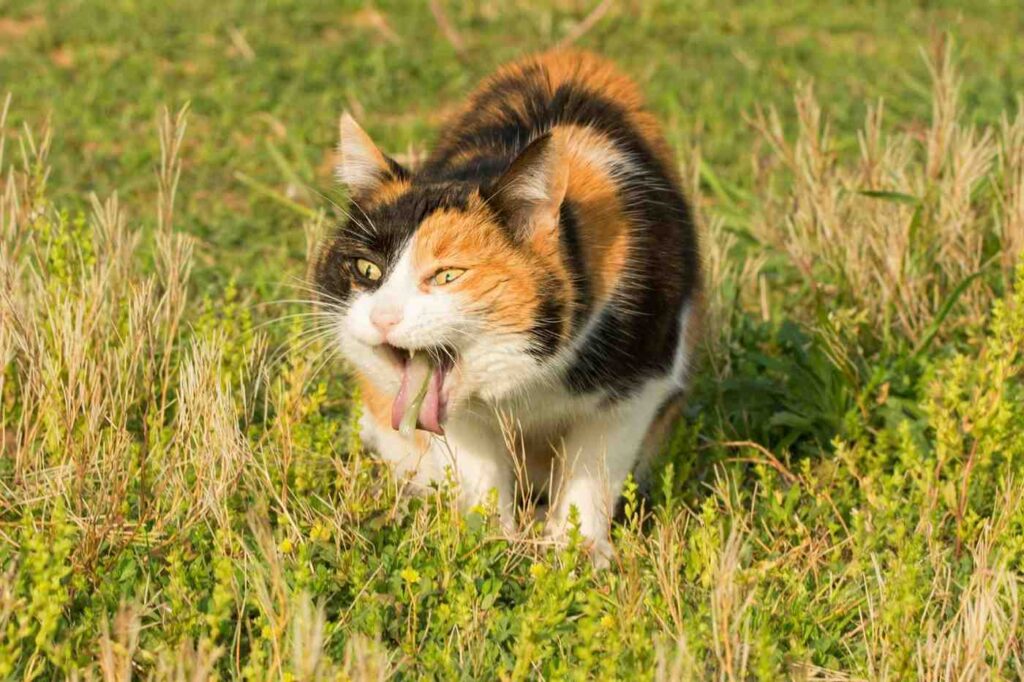
Pink Liquid In Cat Vomit: What I Look For First
I work as a mobile veterinary assistant in Faisalabad, and I spend a lot of time moving between homes where cats suddenly start vomiting, and owners panic. One of the more unsettling things I get called for is a cat throwing up pink liquid, because it immediately raises concerns about blood or internal irritation. Over the years, I have learned that the color alone does not tell the full story, but it always deserves attention. I have seen cases where it turned out to be mild, and others where it required urgent intervention within hours.
What pink vomit usually signals in cats
When I arrive at a home and hear that a cat has vomited pink fluid, my first thought is to determine whether there is blood mixed in or if something ingested is coloring the stomach contents. It worried me immediately. That is one of those situations where I slow everything down and observe the cat’s behavior before anything else. A cat that is still alert and moving normally gives a different picture than one that is weak or hiding.
Pink coloring can come from several sources, including minor stomach irritation, small traces of blood from the esophagus, or even food dyes in commercial treats. I have seen a customer last spring who thought their cat was vomiting blood, but it turned out the cat had eaten a flavored paste treat that tinted the vomit pink. The situation still needed monitoring, but it was far less dangerous than initially feared. Still, I never dismiss the symptom without a proper check.
Sometimes the pink shade is faint and mixed with foam, which often suggests gastric irritation rather than active bleeding. I always ask owners about recent diet changes, stress, or access to plants or chemicals in the home. Even small details matter, like a new type of cat food or accidental nibbling on household items. Those clues often help narrow down what is happening faster than any guesswork.
First steps I take when assessing the situation
When I first assess a cat vomiting pink liquid, I focus on three things: hydration level, gum color, and vomiting frequency. I check the gums for paleness or normal color, as paleness can suggest blood loss. I also observe whether the cat is trying to vomit repeatedly or if it was a single episode. One isolated incident is treated differently from repeated vomiting over a few hours.
In some cases, I recommend immediate stabilization support at home before transporting the cat. I often suggest a local emergency vet clinic that can handle urgent feline cases quickly, especially when symptoms escalate within a short time frame, like rapid dehydration or repeated vomiting episodes that do not slow down. A cat throwing up pink liquid is the kind of resource I point people toward when they need structured help fast, rather than waiting and hoping things improve. I usually stay on the call while they decide the next steps. Most owners feel more grounded once they know where to go and what to expect.
I see this often. Cats are subtle in how they show distress, and vomiting pink fluid is one of those signals that forces you to pay attention quickly. I also ask whether the cat has access to foreign objects like threads, plastic, or plants, because ingestion issues can escalate fast. If there is any doubt, I prefer early examination rather than waiting for clearer symptoms.
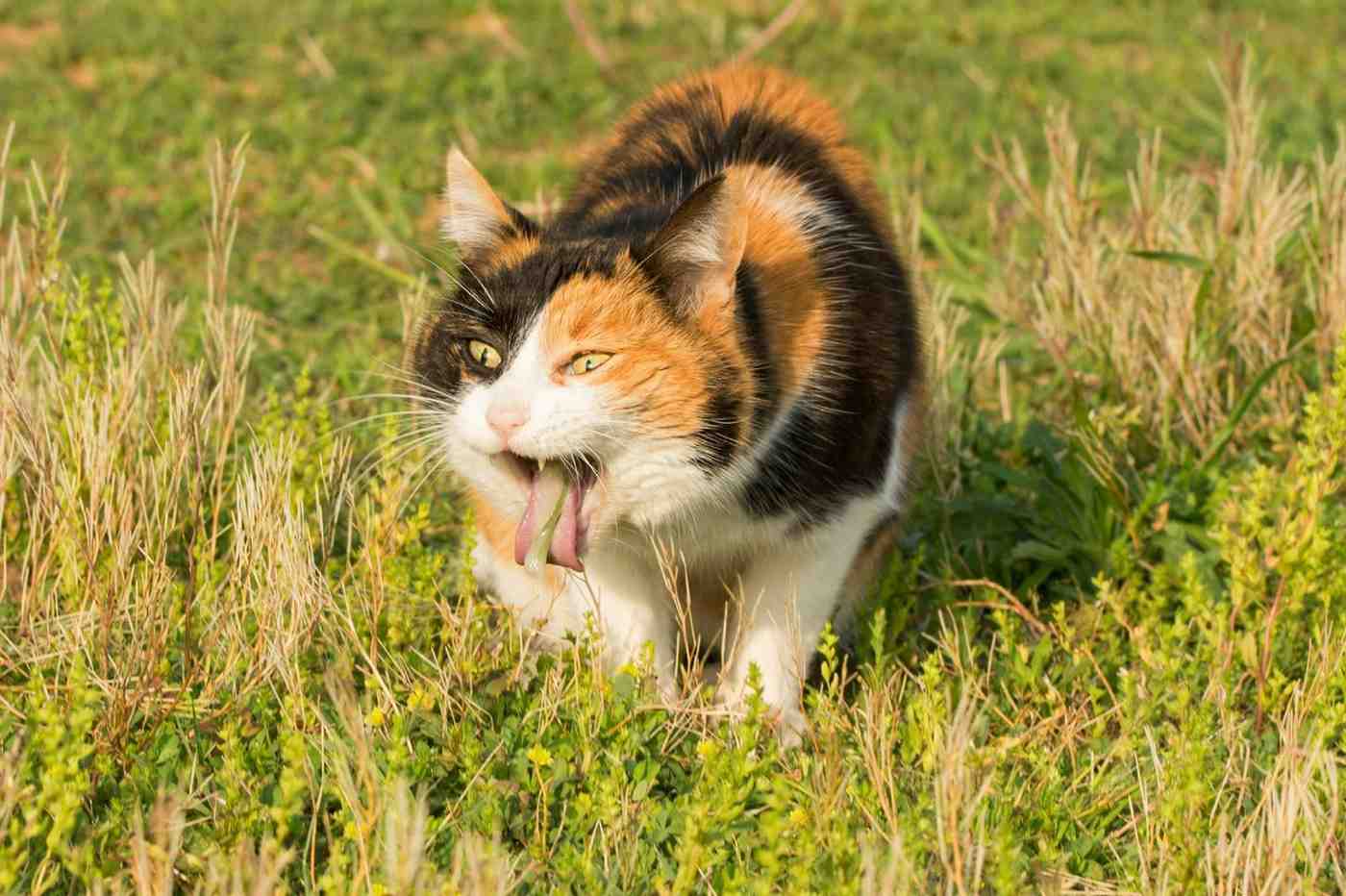
Common causes behind pink vomit
One of the most common causes I encounter is gastritis, which is inflammation of the stomach lining. This can happen after dietary changes, spoiled food, or even stress-related appetite shifts. The stomach becomes sensitive, and even minor irritation can cause tiny traces of blood to mix with stomach fluid. It does not always look dramatic, but it still signals that the digestive system is under strain.
Another cause I have seen repeatedly involves hairballs that irritate the throat and esophagus during repeated retching. Friction can cause slight bleeding, giving the vomit a pink tint. In multi-cat homes, especially those where grooming is not regularly maintained, this becomes more frequent. I usually suggest simple grooming routines to reduce buildup, especially during shedding seasons.
Food-related causes are also common, especially with cheap treats or the sudden introduction of new brands. Some artificial coloring agents or ingredients can confuse owners when they see unusual vomit colors. In a few homes I visited, switching back to a familiar diet resolved the issue within a day or two. However, I still recommend monitoring closely because not every case is that simple.
When I consider it an emergency
There are clear moments when I stop treating pink vomit as a mild symptom and start treating it as an emergency. If the cat becomes lethargic, refuses water, or continues vomiting repeatedly, I escalate the situation quickly. These signs suggest the body is not stabilizing on its own. Waiting at that point can complicate recovery.
If I notice darker blood or a transition from pink to red or brown vomit, I become more concerned about internal bleeding. That shift often changes the urgency completely. I have handled cases where owners waited too long, thinking it was a passing issue, only to find the cat dehydrated and weak later. It is always easier to intervene early than late.
Breathing changes, hiding behavior, and refusal to move are also red flags I take seriously. Cats often withdraw when something is wrong internally, and vomiting combined with behavioral changes usually means the problem is deeper than simple stomach irritation. At that stage, I prefer direct veterinary assessment rather than home monitoring.
Even when the cause turns out to be minor, I still tell owners to keep a close eye on their pet for at least 24 hours after an episode of pink vomiting. Cats can appear stable, only to decline suddenly if the underlying issue is not fully resolved. I usually recommend small, controlled meals and access to fresh water during that period. Quiet observation at home often reveals whether recovery is progressing normally.
After years of responding to these cases, I have learned that the color of vomit is just one piece of the puzzle. What matters more is the pattern, the behavior, and how quickly the cat recovers afterward. A single episode can be harmless, but repeated episodes always deserve immediate attention.