Can Cats Eat French Fries Without Health Risks?
I work as a veterinary technician at a small-animal clinic on the outskirts of Faisalabad, and I often see cats brought in after eating human food they were never meant to eat. French fries come up more often than people expect, usually after a quick snack turned into a shared plate at home. I’ve watched concerned owners try to figure out whether a few stolen fries are harmless or a real problem. My experience with these cases has shaped how I explain food risks to cat owners in simple, practical terms.
What happens when cats eat fries
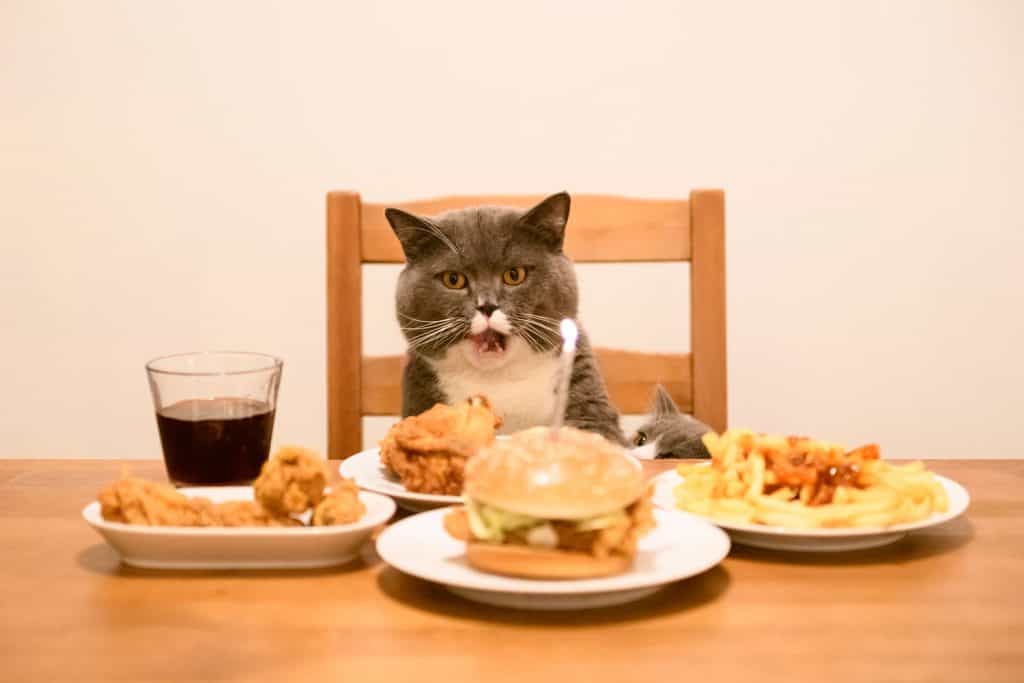
Cats are obligate carnivores, which means their bodies are designed for meat, not processed starch or fried foods. French fries are mostly potatoes cooked in oil, often with added salt and sometimes seasoning that is not safe for pets. I’ve seen cats come in with mild stomach upset after sneaking a few fries from a plate left unattended on a sofa or coffee table.
In most cases, a small bite does not cause immediate danger, but that does not make it a safe habit. The oil and salt content can irritate a cat’s digestive system, leading to vomiting or diarrhea later in the day. I remember a customer last spring who thought their cat had “just a taste,” but that small habit turned into repeated begging whenever fast food was brought home.
What worries me more is repeated exposure rather than a single incident. Over time, salty and fatty foods can contribute to dehydration and unnecessary strain on a cat’s kidneys. I always explain to pet owners that cats do not process sodium the same way humans do, and even small amounts can build up over time if given regularly.
Why fried human food is risky for cats
From a clinical perspective, I’ve noticed that cats are more sensitive to greasy foods than dogs, especially when they’re heavily salted or seasoned. Fries are usually cooked in reused oil, which adds another layer of digestive stress that cats are not equipped to handle. One case that stayed in my mind involved a young cat that developed mild pancreatitis symptoms after frequent exposure to fried leftovers.
In my clinic, I often guide pet owners toward safer alternatives and structured feeding habits, and I sometimes recommend external guidance, such as a pet nutrition consultation, for families who want clearer diet planning for their cats. These consultations help owners understand portion control, ingredient safety, and long-term feeding habits in a way that fits their daily routine. I have seen cats improve simply because their owners replaced random table scraps with proper treats designed for feline digestion. The difference is usually noticeable within a few weeks of consistent change.
There is also a behavioral angle that many people overlook. When cats get used to human snacks, they begin to associate food smells with attention and reward, which can lead to persistent begging or food-stealing. I’ve had owners tell me their cats start jumping on kitchen counters whenever fast food is unwrapped, and that habit is surprisingly hard to reverse once it becomes routine.
Signs your cat ate too many fries
If a cat eats a few fries, most owners will not notice anything serious right away. But when the amount is higher, I usually advise watching for early digestive signs like vomiting, loose stools, or unusual lethargy. In my experience, symptoms often appear within 6 to 12 hours, depending on the cat’s sensitivity and the amount of oil or salt involved.
I once treated a cat that had eaten a small pile of fries left on a kitchen counter overnight. The owner thought it was harmless until the cat refused food the next morning and hid under the bed. That behavior shift is often one of the earliest warning signs that something is off in a cat’s stomach.
Dehydration can also appear subtly, especially if salty food was involved. I usually check gum moisture and skin elasticity during exams because these are simple indicators of fluid imbalance. A cat that becomes unusually quiet, avoids water, or shows reduced appetite after eating human food should always be monitored closely.
Safer snack habits I recommend for cat owners
In my daily work, I spend a lot of time helping pet owners shift from casual feeding habits to more structured routines that protect their cats long term. The goal is not to eliminate treats entirely, but to ensure they come from appropriate sources that support feline health. Fries, chips, and other fried snacks never fit into that category, even in small amounts.
Simple protein-based treats usually work best for cats because they align with their natural dietary needs. I often suggest small portions of cooked chicken or commercially prepared cat treats with minimal additives. One of the most successful changes I’ve seen was with a household that replaced all table scraps with scheduled treat portions, and within a month, their cat stopped begging at the dinner table entirely.
Another habit I recommend is feeding cats in a separate space during human meal times. This reduces curiosity-driven behavior and limits the chance of accidental exposure to unsafe foods. I’ve observed that cats adapt quickly when routines are consistent, even if they initially resist the change for a few days.
Portion awareness is also important, especially in homes where multiple people feed the same cat without coordination. I’ve seen cases where one family member “just gives a bite” repeatedly throughout the day, leading to unintended overfeeding of inappropriate food. Keeping track of what the cat actually eats makes a bigger difference than most owners realize.
Long-term health in cats depends heavily on consistency, not occasional discipline. I always remind owners that a single snack may seem harmless, but habits form quietly and can be difficult to reverse once they become part of daily routines.
In my experience, cats do best when their diet stays predictable and close to what their bodies are built for. Human food like French fries may look harmless on the surface, but it does not belong in that structure, and the effects show up more clearly over time than in a single moment.