The Cats That Act Silly for No Clear Reason in My Grooming Van
I work as a mobile cat groomer, traveling through different neighborhoods in a small grooming van that I have modified over the years for nervous and playful pets. Over time, I started noticing a pattern with certain cats that clients would simply call “silly,” even when nothing about their behavior seemed medically wrong. These cats would act like they were part comedian, part chaos engine, especially during simple grooming sessions like brushing or nail trims. I never planned to specialize in behavior, but working this closely with animals forces you to read patterns whether you want to or not.
The first time I met what I call a silly cat.
The first “silly cat” I remember clearly came from a customer last spring in a quiet residential street where I parked my van under a neem tree. The cat was expected to be difficult because it had a history of avoiding grooming altogether, but instead, it behaved as if everything were a game. It would flop over the grooming table, then suddenly sprint in circles as if the floor had become too interesting to ignore. I expected aggression or fear, but what I got instead felt more like playful confusion mixed with bursts of energy that came out of nowhere.
At first, I thought I was doing something wrong, maybe using the wrong brush or moving too fast, but the same behavior repeated itself even when I slowed everything down. The owner kept laughing nervously and calling the cat “just silly like that,” which is a phrase I started hearing more often over time. That day taught me that not all unpredictable behavior in cats comes from stress or discomfort. Some of it is just their way of interacting with the world, which doesn’t fit human expectations.
By the end of that session, I realized I had to adjust my own rhythm rather than trying to correct the cat’s behavior. I finished the grooming in short bursts, letting the cat settle between moments of chaos. It worked better than forcing a standard routine. I remember thinking, ” This one is not broken, just different.
Why silly cats change how I work in the field
As I kept meeting more cats like this, I started changing how I structured my grooming sessions. I even began recommending certain calming environments or enrichment tools before starting any serious grooming work. A few colleagues suggested I try different behavioral support resources, and one pointed me toward a small service that helped me better understand feline stimulation patterns through practical examples and case notes. I later found similar insights at a local cat enrichment shop. It wasn’t about training the cat out of being silly, but about understanding what triggered the bursts of playful chaos so I could work around them.
Some people assume silly behavior means the cat is poorly trained or lacks discipline, but I’ve seen enough cases to disagree with that simple explanation. I’ve worked with cats that live in calm homes, get regular care, and still decide to act like a spinning top for no reason mid-grooming. Several thousand dollars’ worth of grooming equipment does not matter when a cat decides the towel is suddenly an enemy or a toy. That unpredictability forces me to stay alert, even during the most routine sessions.
I also noticed that timing plays a bigger role than most owners realize. A cat that is “silly” at night might be completely normal in the morning, almost like a switch that nobody can predict. I had one client who booked only early morning sessions after realizing their cat behaved like a different animal before noon. That small adjustment significantly reduced stress for both of us.
What silly behavior actually looks like in real visits
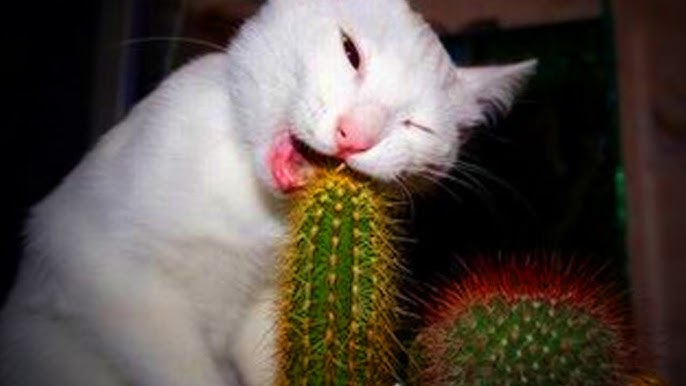
Over time, I started categorizing silly behavior into patterns rather than treating each incident as unique. Some cats attack grooming tools playfully, while others roll over dramatically whenever I try to brush a specific area. There are also cats that suddenly freeze, stare at nothing for a few seconds, and then sprint like they remembered something important they had to do immediately.
One of the most common patterns I see is what I call “attention switching,” where the cat cannot stay focused on any single sensation for more than a few seconds. I once had a cat that tried to chase its own tail while I was trimming its fur, then got distracted by the sound of a zipper in my bag, and completely forgot about the tail. That level of unpredictability is not dangerous, but it does require patience and constant repositioning on my part.
There are also moments where the silliness feels almost strategic, as if the cat is testing boundaries just to see what happens next. I do not believe cats think in human terms, but the timing of their behavior sometimes feels too intentional to ignore. I learned to pause more often instead of pushing through, which usually brings the cat back into a calmer state without force.
How I handle these cats without turning grooming into a struggle
After working with dozens of these cases, I stopped trying to control everything in real time. Instead, I focus on creating short windows of cooperation where grooming actually gets done without triggering another burst of chaos. That approach means I might take longer on a single cat, but it makes the process safer and less stressful for both parties.
Body language matters more than tools in these situations. A tail flick, a sudden ear turn, or a pause in breathing rhythm often tells me I have about three seconds before the next burst of silliness starts. I address issues immediately instead of waiting for them to escalate. Over time, this has reduced accidental scratches and made sessions more predictable.
One thing I always tell new groomers who ride with me is that silly cats are not a problem to solve; they are a pattern to understand. Once you stop expecting them to behave like calm, static animals, everything becomes easier to manage. I still get surprised sometimes, even after years of doing this work, but I no longer take it as a sign that something is going wrong.
Some days, I finish my route thinking about how little control we actually have over animal behavior and how much we rely on interpretation instead. Other days, I just clean the van, reset my tools, and prepare for the next cat that will decide, without warning, that the world is a playground. Either way, I have learned to respect the silliness rather than fight it.