Understanding Why Dogs Lick Each Other’s Faces
Dogs display many behaviors that seem strange to humans, and face licking is one of the most common. Though it may look odd or funny, this action holds deep meaning in canine communication, rooted in instinct, social habits, and learned behavior.
Natural Instincts Behind Face Licking
Face licking starts early in a dog’s life. Puppies lick their mother’s mouth as a way to ask for food. This behavior can begin as early as 3 weeks old. It signals hunger and dependence. The mother often responds by feeding or caring for them.
This instinct does not disappear with age. Adult dogs may continue this behavior as a sign of submission. A younger or lower-ranking dog may lick the face of a more dominant one. This helps avoid conflict and shows respect. It keeps the group stable.
Wild canines, such as wolves, show the same habit. In a pack of 8 to 12 members, younger wolves often lick older ones during greeting. This reinforces bonds and maintains order. It is not random behavior. It has a purpose.
Communication and Social Bonding
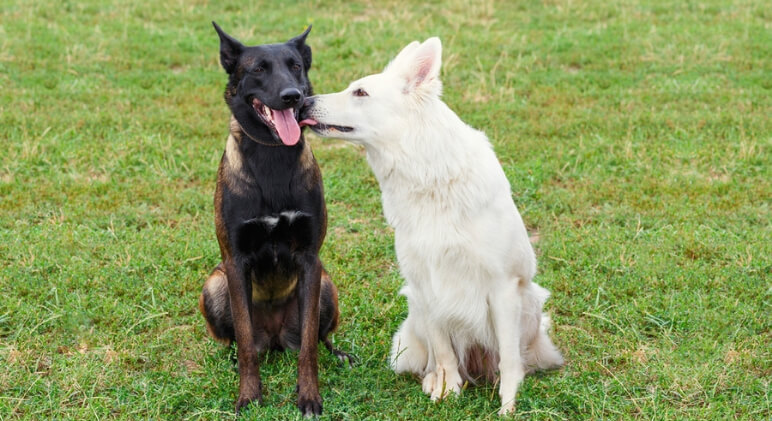
Dogs rely heavily on body language. Face licking is one way they communicate emotions. It can show affection, excitement, or even an apology after a mistake. Many dogs greet each other this way when they meet after a long gap.
Some owners look for deeper insights and often visit training resources like ” Why Do Dogs Lick Each Other’s Faces? ” to better understand these social signals and improve their pet’s behavior at home.
Dogs form strong emotional bonds, and licking helps strengthen them. When two dogs live together, this behavior can be part of their daily routine and often signals trust and comfort.
Not every lick means the same thing. Context matters a lot. A quick lick may signal a greeting, while repeated licking could show nervousness or excitement. Owners should observe the situation carefully. Small details matter.
Health and Hygiene Factors
Some face licking may relate to hygiene. Dogs explore the world through smell and taste. Licking another dog’s face helps gather information about health and diet. They can detect scents that humans cannot.
Saliva also has mild cleaning properties. Dogs may lick wounds or dirty areas on another dog. This behavior is natural but should be monitored. Too much licking can cause irritation or infection.
Veterinarians sometimes see cases where one dog constantly licks another’s face due to an underlying issue. It could be a skin condition or an unusual smell. If this happens often, it may need attention. Do not ignore it.
Clean habits vary. Some dogs lick more than others. Breed, age, and environment all play a role. A dog living in a clean home may show less of this behavior compared to one exposed to outdoor elements daily.
When Face Licking Becomes a Concern
While face licking is normal, it can sometimes be excessive. Dogs may use it as a coping mechanism for stress or anxiety, especially in busy or noisy environments.
Watch for warning signs. If a dog licks constantly for several minutes without stopping, something may be wrong. Behavioral changes often appear alongside this habit. These may include restlessness or loss of appetite.
There are a few signs to keep in mind:
– Constant licking lasting more than 10 minutes
– One dog is avoiding the other repeatedly
– Redness or irritation around the face
– Sudden increase in licking behavior
Training can help reduce unwanted habits. Positive reinforcement works well in most cases. Redirecting the dog’s attention to toys or commands can break the pattern. Patience is key here.
How Owners Can Respond Properly
Owners should not panic when they see their pet licking its face. In most cases, it is harmless and natural. Observing the context helps you decide if action is needed. A calm approach works best.
If the behavior seems excessive, try to identify triggers. It could be boredom, stress, or lack of exercise. A dog that gets at least 30 minutes of daily activity is usually calmer. Mental stimulation also reduces repetitive actions.
Training sessions can improve behavior. Short sessions of 10 to 15 minutes are enough. Consistency matters more than duration. Reward good behavior and gently correct unwanted actions.
Consulting a professional may be helpful in some cases. Trainers and veterinarians can provide guidance based on specific situations. Every dog is different. There is no single solution.
Dogs use face licking as a natural way to communicate, bond, and express emotions within their social group. While it may seem unusual at first, understanding the reasons behind it helps owners respond more effectively and support their pets in a calm, informed way.