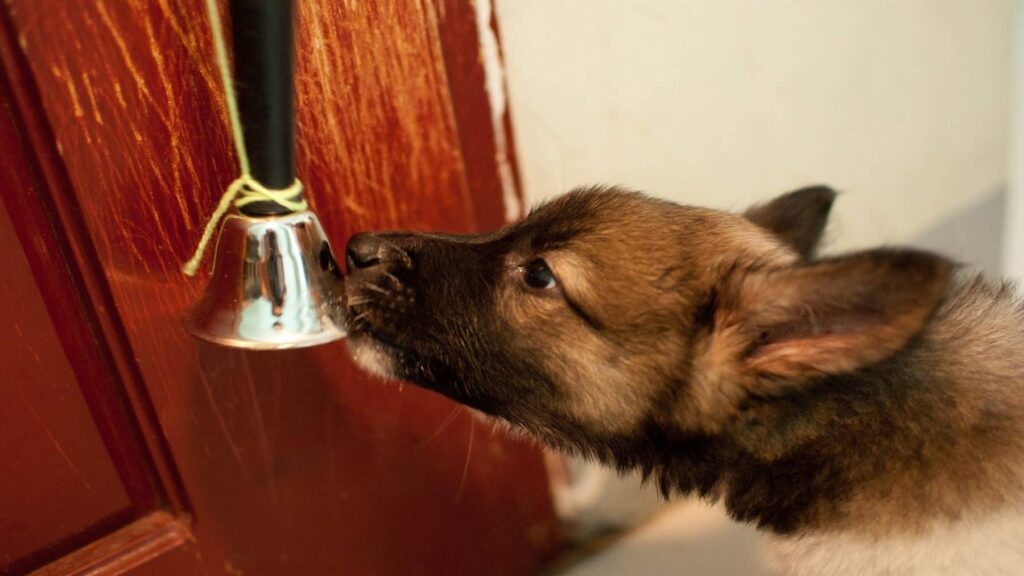
Teaching Your Dog to Use a Bell for Outdoor Breaks
Many owners struggle to know when their dog needs to go outside. Scratching, barking, or pacing can be confusing and easy to miss. Bell training is a simple, effective solution. With patience and consistency, your dog can clearly communicate their needs.
Why Bell Training Works for Dogs
Dogs learn well from clear signals and routines. A bell gives them a simple way to ask to go outside. Over time, your dog learns that ringing the bell means they get to go out. This makes it easier for both of you to understand each other.
Being consistent is very important. If you answer every time the bell rings, your dog will learn faster. If you miss some time, your dog can get confused and learn more slowly. Practice often to create a strong habit.
This method also helps prevent accidents inside. Dogs do not need to use small signs that owners might not notice. Instead, they use a clear and repeatable action. It builds confidence.
Keep your training signals simple and consistent. Dogs learn best with clear, straightforward actions.
Step-by-Step Guide to Teach Bell Ringing
Start by choosing a bell that hangs at your dog’s nose level near the door. Introduce the bell during calm moments, not when your dog is overly excited. If you want a detailed method, this guide on how to train dogs to ring a bell to go outside explains each step clearly and can help you stay on track. Following a structured approach improves results.
Begin by encouraging your dog to touch the bell. You can use a treat to guide their nose or paw toward it. When the bell rings, reward your dog immediately. This helps them associate the action with a positive outcome.
Repeat bell-touch training in 5 to 10 short sessions each day, lasting about 2 minutes each. Short sessions keep your dog interested and less likely to get frustrated. Focus on frequent, quick training to help your dog learn steadily.
Once your dog understands that touching the bell means something, move to the next step. Ring the bell before opening the door each time you take them outside. This builds a connection between the sound and going out.
Remember, consistent practice leads to progress. Patience helps your dog succeed.
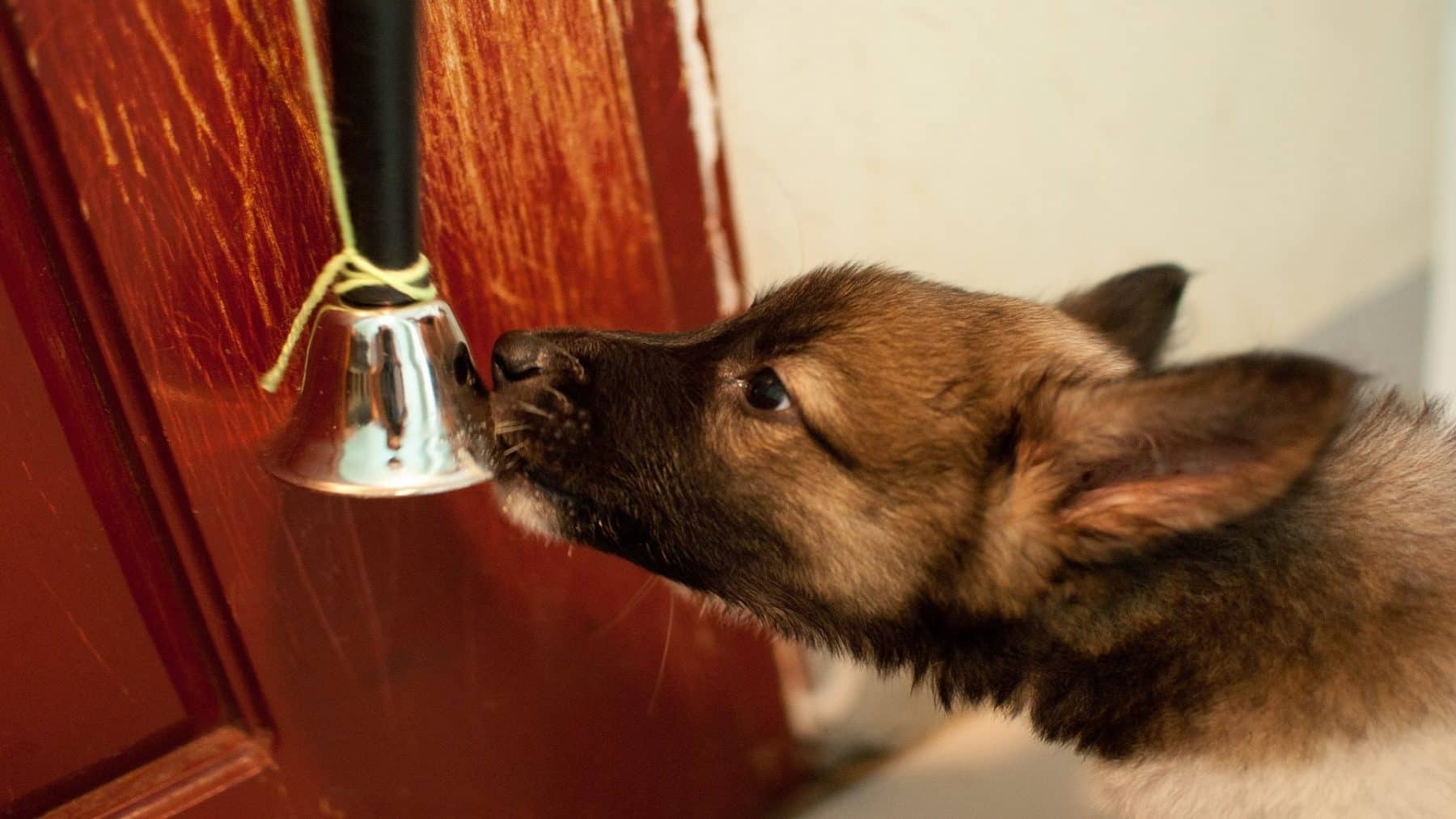
Building a Strong Habit Over Time
When your dog starts ringing the bell, being consistent is even more important. Every time the bell rings, take your dog outside right away. This helps your dog know the bell means they get to go outside. If you wait too long, the habit can be lost.
Use the same door every time. This helps your dog connect the door, the bell, and going outside. Changing doors can confuse them. Keep the same routine.
Start giving fewer treats as your dog improves. Use praise or a short play outside instead. This keeps your dog happy, but not only for treats. Pick rewards with care.
Every dog learns at a different pace. Some may keep doing the steps, even if it seems slow. Doing the same thing over and over, giving clear signs, and acting quickly help your dog learn what the bell is for and use it every time.
A common mistake is to ignore the bell.
If your dog rings it and you do nothing, they may stop using it. Always answer, even if you think it’s not needed. Being steady builds trust. It may be necessary. Consistency builds trust.
Another issue is the overuse of treats. Giving treats too often can make your dog depend on them. Gradually reduce treats once the behavior is corrected. Some dogs may ring the bell just to go outside and play. This can become a habit if you do not manage it well. Only let your dog outside for short bathroom breaks during training. This helps them learn the bell’s true use.s Mistakes to avoid:
-Not answering the bell
– Moving the bell a lot
– Training for too long
– Rewarding the wrong thing
– Not keeping to your routine
– Being inconsistent with routines
If you notice training mistakes, address them right away to guide your dog.
Keep training short and simple.
Dogs learn better in short times, not long ones. Try 2 to 5 minutes at a time. This helps your dog focus. Speak calmly when training. Excitement can distract your dog. A quiet space helps them learn faster. Be patient as you train.er. Stay patient throughout the process.
Choose a bell with a clear sound. A soft bell may not grab your dog’s attention, while a very loud one may scare them. Test a few options to find the best option. Small details matter.
Practice with your dog every day. Consistent training builds reliable habits.
Every dog learns at their own pace, and by staying patient, repeating the steps regularly, and keeping the process simple, you can help your dog master bell training and communicate its needs. Teaching your dog to use the bell makes it easy for them to ask to go out. With steady practice, patience, and a simple routine, you make life easier for you and your dog. You and your pet are comfortable together.