Can Dogs Eat Parmesan Cheese
Apr
Can Dogs Eat Parmesan Cheese Safely? A Complete Guide for Pet Owners

Many dog owners enjoy sharing small bits of their meals with their pets, especially foods like cheese that dogs seem to love. Parmesan cheese is a common kitchen ingredient, often sprinkled on pasta or snacks. While it may look harmless, not every human food is suitable for dogs. Understanding how Parmesan affects your dog can help you make safer feeding choices.

Now that we’ve considered the basics, let’s look at what makes Parmesan different from other cheeses.

Parmesan cheese is a hard, aged cheese that has a strong flavor and a dry texture. It contains high levels of protein and calcium, which might sound beneficial at first. However, it also has a higher sodium content than softer cheeses. This is one of the main concerns when feeding it to dogs.

Another difference is lactose content. Parmesan has lower lactose than many other cheeses because it is aged for a long time. This can make it slightly easier for some dogs to digest. Still, not all dogs tolerate dairy well.

The aging process gives Parmesan its intense taste. Dogs are often drawn to this strong smell and flavor, which makes it tempting as a treat. Even a small sprinkle can quickly grab their attention.

Not all cheeses have the same effect on dogs. Some are safer choices than others.

Health Benefits and Risks of Feeding Parmesan to Dogs

Parmesan cheese offers some nutritional value, including protein and essential minerals such as calcium and phosphorus. In very small amounts, it can be used as a treat or to encourage picky eaters. If you are curious about detailed insights, this guide explains whether Parmesan cheese is safe for dogs and what to consider before feeding it to them. Knowing both sides helps you make better decisions.

The biggest risk is its high sodium content. Too much salt can lead to dehydration, increased thirst, and, in serious cases, sodium poisoning. Dogs require much less salt than humans. Even a small amount of Parmesan can add up quickly.

Fat content is another concern. While Parmesan is not as fatty as some cheeses, it still contains enough fat to cause digestive upset if given in large amounts. This can lead to symptoms like diarrhea or vomiting. Portion control is very important.

Some dogs are lactose intolerant. Even though Parmesan has less lactose, sensitive dogs may still react. Signs include gas, bloating, or stomach discomfort. Always observe your dog after trying new foods.

Small amounts are key, but the main message is to stay cautious, as Parmesan can pose risks to most dogs.
Can Dogs Eat Parmesan Cheese

How to Safely Give Parmesan Cheese to Your Dog

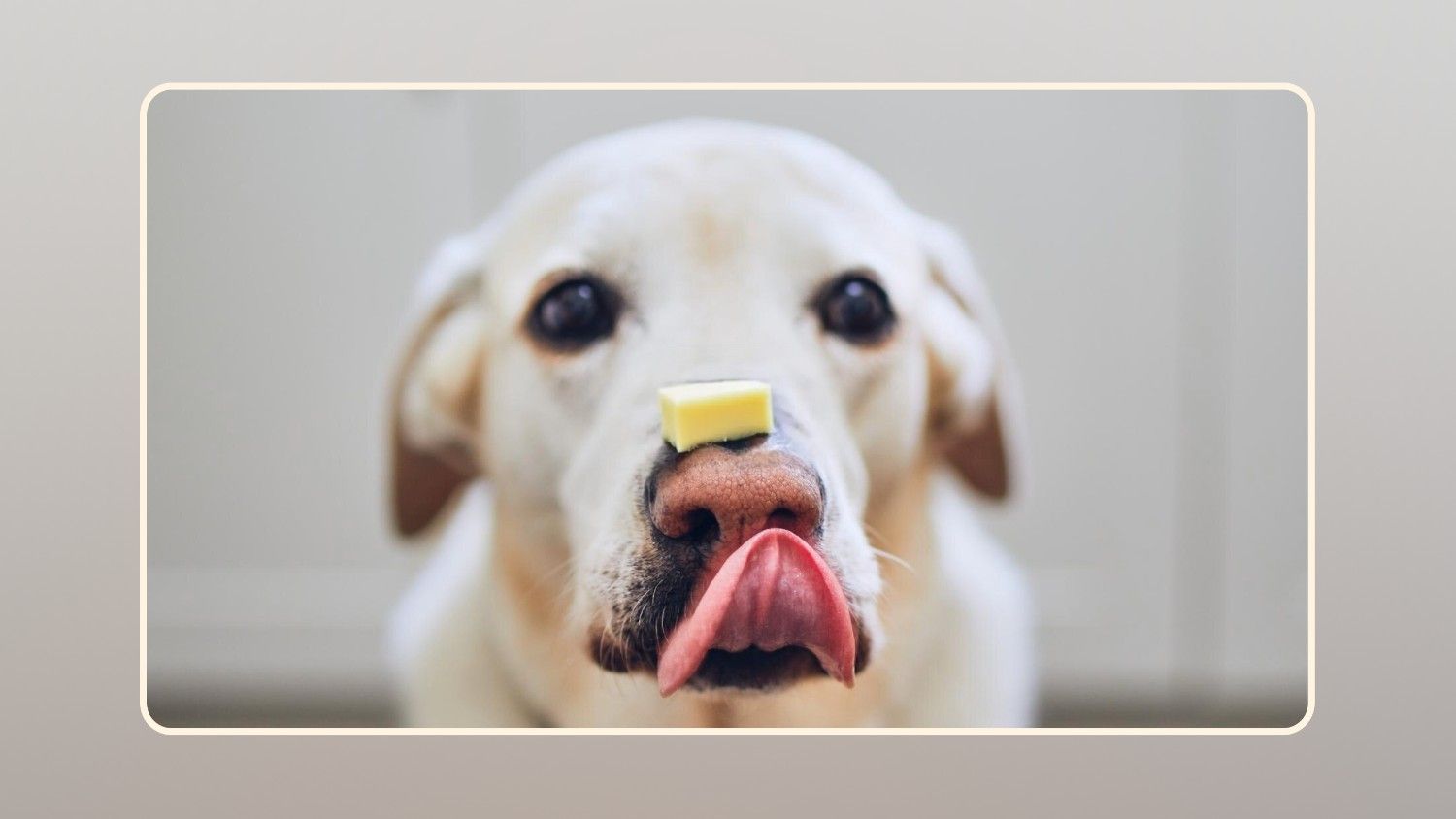
If you choose to give Parmesan cheese, start with a very small amount. A pinch or a few grated flakes is enough for most dogs. For a small dog weighing less than 10 kilograms, a safe starting point is less than half a teaspoon. Larger dogs can handle slightly more, but moderation remains essential.

Use Parmesan as a topping rather than a main treat. Sprinkling a little over your dog’s regular food can make meals more appealing without adding too many extra calories. This method works well for picky eaters. It also keeps portions controlled.

Avoid flavored or processed versions. Some Parmesan products contain garlic, onion powder, or other additives that are harmful to dogs. Always check the ingredients before sharing. Simple is safer.

Watch your dog closely after feeding Parmesan for the first time. If there are no negative reactions, it may be used occasionally. If any symptoms appear, stop immediately. Every dog reacts differently.

Keep treats limited, and remember, most dogs do best without Parmesan as a regular treat.

When Parmesan Cheese Is Not Suitable for Dogs

Some dogs should avoid Parmesan completely. Dogs with kidney issues need low-sodium diets, and Parmesan’s salt content can worsen their condition. This makes it unsuitable even in small amounts. Health conditions must be considered first.

Overweight dogs should also avoid it. Cheese adds extra calories that can lead to weight gain over time. Maintaining a healthy weight is important for your dog’s overall health. Extra treats can disrupt that balance.

Dogs with dairy intolerance or sensitive stomachs may struggle to digest Parmesan. Even a small serving can cause discomfort. If your dog has a history of digestive problems, it is better to skip it.

Puppies should not be given Parmesan regularly. Their digestive systems are still developing, and introducing rich foods too early can lead to issues. Stick to foods designed for their growth needs.

While many dogs enjoy cheese, some should avoid it due to their health.

Better Alternatives to Parmesan Cheese for Dogs

There are many safer alternatives to Parmesan cheese you can offer. These options provide flavor and nutrition without the same risks. Choosing the right alternative depends on your dog’s needs and preferences.

Here are a few options to consider:

– Small pieces of cooked chicken without seasoning

– Plain boiled eggs in small portions

– Dog-safe fruits like apple slices without seeds

– Commercial low-sodium dog treats

– Carrot sticks for a crunchy snack

Each of these options offers a different benefit. Some provide protein, while others add fiber or vitamins. Rotating treats keeps your dog interested and satisfied. Variety can be helpful.

Always introduce new foods slowly and in small amounts to avoid digestive issues, and remember that treats should make up no more than 10 percent of your dog’s daily calorie intake to maintain a balanced diet.

Parmesan cheese can be given as an occasional treat if used with care, but because of its high sodium and fat, it should never be a regular part of your dog’s diet. Focus on healthier, dog-friendly options to keep your pet active, comfortable, and well-nourished in the long term.


Fever in Dogs
Apr
Understanding Fever in Dogs and What Every Owner Should Know

Dogs can get sick like humans, and fever is a common sign. Many owners don’t know how to identify it or what it means for their dog’s health. Fever signals the body is fighting an infection or another issue. Spotting it early helps you act quickly and keep your dog safe.

Now that you know why fever matters, let’s look at what it means for your dog and how you can measure it accurately.

A fever in dogs occurs when their body temperature rises above the normal range. For most dogs, a healthy temperature falls between 38.3°C and 39.2°C, which is about 101°F to 102.5°F. If the temperature exceeds 39.5°C (103°F), it is usually considered a fever. Anything above 41°C (105.8°F) can be dangerous.

Use a digital rectal thermometer for best accuracy, though it may be uncomfortable. Ear thermometers for dogs are an option, but less precise. Accurate measurement is essential.

Touch alone is not enough. A warm nose does not always mean fever. Only a proper reading can confirm.

Temperature tells a lot. Check carefully.

Common Causes of Fever in Dogs

Fever in dogs can develop for several reasons, and understanding the cause is important for proper care. If you want a detailed explanation, this guide explains whether dogs get fevers and what factors may trigger them in different situations. Knowing the source helps guide treatment.

Infections are one of the most common causes. These can be bacterial, viral, or fungal. For example, wounds, dental infections, or respiratory illnesses can raise body temperature. The immune system reacts by increasing body temperature.

Inflammation in the body can also trigger a fever. Conditions such as arthritis or internal injuries may cause a mild or moderate rise in temperature. This response is part of the body’s defense system. It signals that something is wrong.

Sometimes the cause is unknown, called a fever of unknown origin, and requires further testing. Some medications or toxins can also cause fever. External factors play a role.

Not every fever is obvious. Watch closely.

Signs and Symptoms to Look For

Dogs with a fever often exhibit behavioral changes. They may seem tired, less active, or uninterested in food. A normally energetic dog might choose to rest more than usual. These changes can be subtle at first.

Other signs: shivering, panting, or seeking cool spots. Some drink more. Dehydration can happen if the fever lasts. Provide fresh water.

Physical signs include red eyes, warm ears, or a dry nose, but these alone can’t confirm fever. Use a thermometer. Don’t guess.

More serious cases involve vomiting, diarrhea, or pain. These mean the fever is likely serious. Seek care quickly.

Small signs matter. Act early—your attention can make a difference. Take action for your dog’s health.

Fever in Dogs

How to Care for a Dog with a Fever

If you suspect fever, confirm with a thermometer. Ensure hydration with regular fresh water. Dehydration can worsen a fever. Keep your dog cool and comfortable.

Limit activity and let your dog rest. Avoid long walks or heat. Provide a calm space for recovery.

Use a damp cloth on paws or ears for gentle cooling. Don’t use ice or very cold water. Monitor your dog during cooling.

Never give human medication without a vet’s advice. Many drugs are toxic to dogs, even in small amounts. Always ask a professional.

Care must be gentle. Safety comes first—act now to protect your dog’s well-being.t.

When to See a Veterinarian

If your dog’s temperature reaches 40°C (104°F), contact a veterinarian. High fevers can lead to serious complications if left untreated. Waiting too long can make the condition worse. Quick action can save time and reduce risk.

See a vet if the fever lasts more than 24 hours. Even a mild fever may mean an underlying issue. Early diagnosis helps. Don’t ignore it.

Severe symptoms like vomiting, breathing trouble, or weakness mean it’s serious. Get veterinary care right away. Don’t wait.

Veterinarians may run tests, such as blood work or imaging, to identify the cause. Treatment depends on the diagnosis and may include medication or supportive care. Proper treatment ensures better recovery.

Some dogs recover fast. Others need time. Stay engaged—your effort supports their recovery.e.

Fever in dogs is a sign that something is happening inside the body, and by paying close attention to changes, checking temperature properly, and seeking help when needed, you can take charge of your dog’s health. Act promptly to ensure comfort and prevent minor issues from becoming serious problems. Your action can make all the difference.s.

Teaching Your Dog to Use a Bell
Apr
Teaching Your Dog to Use a Bell for Outdoor Breaks

Many owners struggle to know when their dog needs to go outside. Scratching, barking, or pacing can be confusing and easy to miss. Bell training is a simple, effective solution. With patience and consistency, your dog can clearly communicate their needs.

Why Bell Training Works for Dogs

Dogs learn well from clear signals and routines. A bell gives them a simple way to ask to go outside. Over time, your dog learns that ringing the bell means they get to go out. This makes it easier for both of you to understand each other.

Being consistent is very important. If you answer every time the bell rings, your dog will learn faster. If you miss some time, your dog can get confused and learn more slowly. Practice often to create a strong habit.

This method also helps prevent accidents inside. Dogs do not need to use small signs that owners might not notice. Instead, they use a clear and repeatable action. It builds confidence.

Keep your training signals simple and consistent. Dogs learn best with clear, straightforward actions.

Step-by-Step Guide to Teach Bell Ringing

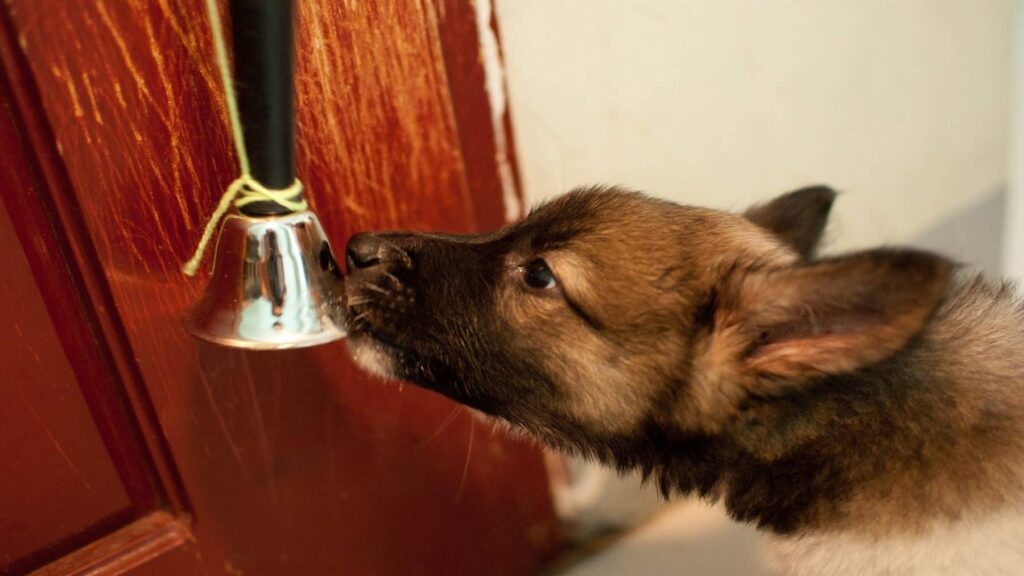
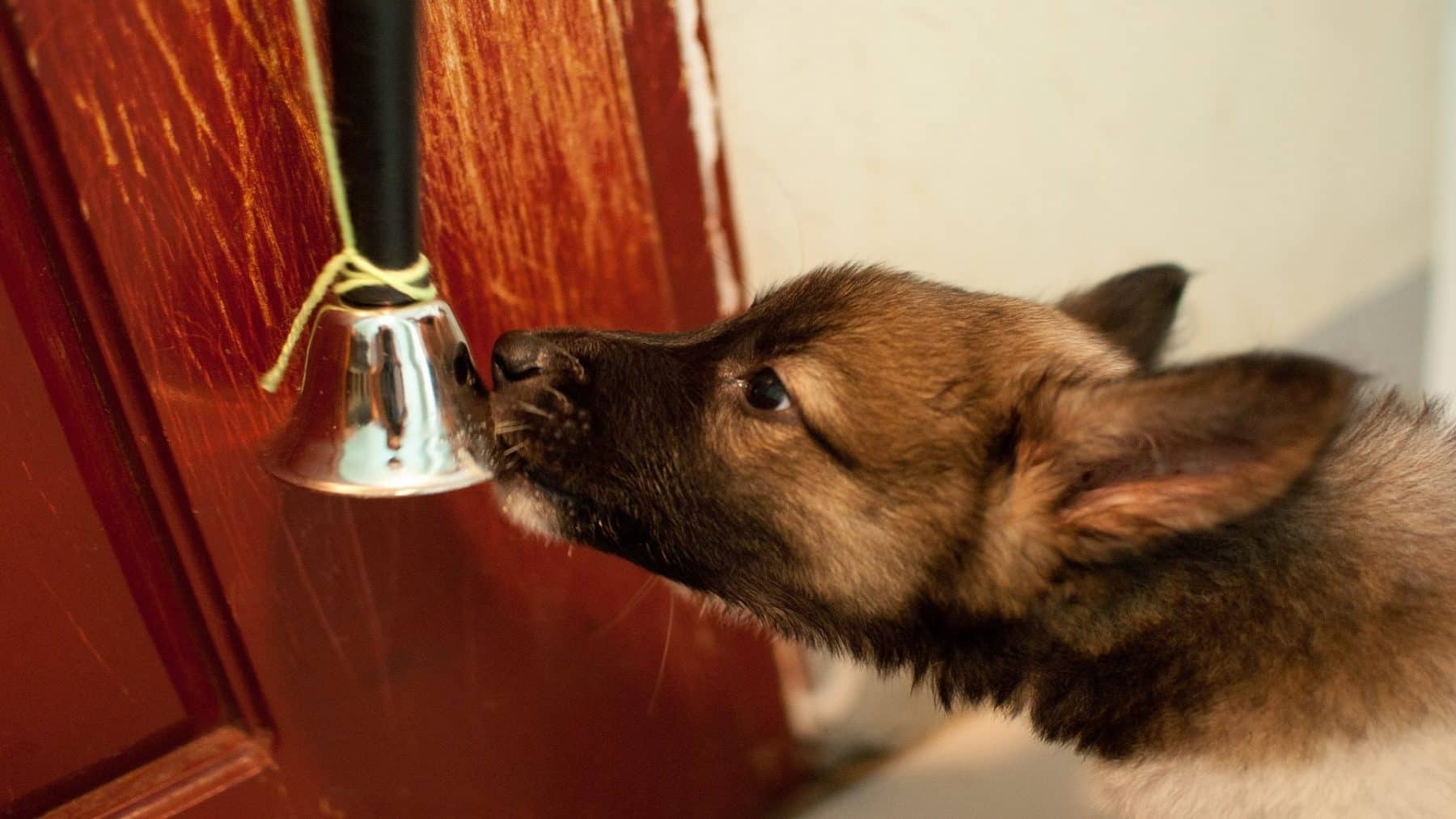
Start by choosing a bell that hangs at your dog’s nose level near the door. Introduce the bell during calm moments, not when your dog is overly excited. If you want a detailed method, this guide on how to train dogs to ring a bell to go outside explains each step clearly and can help you stay on track. Following a structured approach improves results.

Begin by encouraging your dog to touch the bell. You can use a treat to guide their nose or paw toward it. When the bell rings, reward your dog immediately. This helps them associate the action with a positive outcome.

Repeat bell-touch training in 5 to 10 short sessions each day, lasting about 2 minutes each. Short sessions keep your dog interested and less likely to get frustrated. Focus on frequent, quick training to help your dog learn steadily.

Once your dog understands that touching the bell means something, move to the next step. Ring the bell before opening the door each time you take them outside. This builds a connection between the sound and going out.

Remember, consistent practice leads to progress. Patience helps your dog succeed.

Teaching Your Dog to Use a Bell

Building a Strong Habit Over Time

When your dog starts ringing the bell, being consistent is even more important. Every time the bell rings, take your dog outside right away. This helps your dog know the bell means they get to go outside. If you wait too long, the habit can be lost.

Use the same door every time. This helps your dog connect the door, the bell, and going outside. Changing doors can confuse them. Keep the same routine.

Start giving fewer treats as your dog improves. Use praise or a short play outside instead. This keeps your dog happy, but not only for treats. Pick rewards with care.

Every dog learns at a different pace. Some may keep doing the steps, even if it seems slow. Doing the same thing over and over, giving clear signs, and acting quickly help your dog learn what the bell is for and use it every time.

A common mistake is to ignore the bell.

If your dog rings it and you do nothing, they may stop using it. Always answer, even if you think it’s not needed. Being steady builds trust. It may be necessary. Consistency builds trust.

Another issue is the overuse of treats. Giving treats too often can make your dog depend on them. Gradually reduce treats once the behavior is corrected. Some dogs may ring the bell just to go outside and play. This can become a habit if you do not manage it well. Only let your dog outside for short bathroom breaks during training. This helps them learn the bell’s true use.s Mistakes to avoid:

-Not answering the bell

– Moving the bell a lot

– Training for too long

– Rewarding the wrong thing

– Not keeping to your routine

– Being inconsistent with routines

If you notice training mistakes, address them right away to guide your dog.

Keep training short and simple.

Dogs learn better in short times, not long ones. Try 2 to 5 minutes at a time. This helps your dog focus. Speak calmly when training. Excitement can distract your dog. A quiet space helps them learn faster. Be patient as you train.er. Stay patient throughout the process.

Choose a bell with a clear sound. A soft bell may not grab your dog’s attention, while a very loud one may scare them. Test a few options to find the best option. Small details matter.

Practice with your dog every day. Consistent training builds reliable habits.

Every dog learns at their own pace, and by staying patient, repeating the steps regularly, and keeping the process simple, you can help your dog master bell training and communicate its needs. Teaching your dog to use the bell makes it easy for them to ask to go out. With steady practice, patience, and a simple routine, you make life easier for you and your dog. You and your pet are comfortable together.

Do Cats Really React to Spicy Foods
Apr
Do Cats Really React to Spicy Foods and Why It Matters

Cats have a very different sense of taste from humans, which often leads to confusion when they encounter strong flavors like spices. Many cat owners notice unusual reactions when their pets smell or lick spicy foods. These reactions raise questions about what cats can actually taste and feel. Understanding this helps keep cats safe in everyday situations.

How a Cat’s Taste System Works

Cats do not experience taste the same way humans do. Their taste buds are fewer in number, and they are mainly designed to detect meat-based nutrients rather than complex flavors. Sweetness is almost completely absent from their perception, which already makes their taste world very different. They focus more on signals from protein and fat.

A cat has around 470 taste buds, while humans have thousands more, which changes how we experience flavor in daily eating. This limited taste structure means they rely more on smell than on taste when identifying food. A strong smell can instantly attract or repel them. That reaction is often stronger than the actual taste itself.

Spicy foods are not a “taste” for cats as they are for humans. The burning sensation comes from pain receptors, not taste buds. Cats have these receptors too, but respond differently; they are very sensitive to them.

Capsaicin and Why Spicy Sensations Confuse Cats

Capsaicin, the chemical behind chili’s heat, causes a burning or tingling sensation. Cats do not interpret it as a flavor, but react to the irritation it causes, making spicy food unpleasant rather than interesting.

Can cats taste spicy? It is a question many pet owners ask when they see their cats sniffing or reacting strangely to spicy dishes. The truth is that cats are not drawn to spice in the way humans sometimes are. Their reaction is usually avoidance rather than curiosity. Spice is not flavor. It is irritating for them.

Even a small amount of capsaicin can cause discomfort for cats. They may sneeze, back away, stop eating, or rub their faces after contact. Their sensory system treats it as an irritant rather than a taste.

Do Cats Really React to Spicy Foods

What Happens When Cats Eat Spicy Food

If a cat accidentally eats spicy food, the reaction can vary depending on the amount and strength of the spice. Mild exposure may only cause temporary discomfort, while stronger spices can lead to drooling or digestive upset. Cats are not built to safely process spicy ingredients. Their stomachs are sensitive to such additives.

In some cases, spicy food can cause vomiting or diarrhea in cats, especially if the food also contains oils, garlic, or onions. These ingredients are often used in human spicy dishes and are more dangerous than the spices themselves. A single small bite might not cause long-term harm, but repeated exposure is risky. The combination matters more than the spice alone.

  • Drooling after tasting spice
  • Sudden loss of appetite
  • Gagging or pawing at the mouth
  • Temporary stomach discomfort

These signs usually appear quickly. Cats may also try to hide after a bad food experience, instinctively avoiding anything that feels harmful. Their reaction is clear when something is wrong.

It is important to observe a cat closely if it eats spicy food. Some symptoms pass quickly, while others may require attention if they persist. A cat’s digestive system is not designed for strong seasoning. Even mild spices can cause irritation if consumed regularly over time.

Keeping Cats Safe Around Spicy Foods

Preventing cats from accessing spicy foods is safest. Many human meals include spices unsuitable for pets. Properly covering or storing food reduces accidental ingestion. Curious cats are attracted to strong-smelling dishes.

Feeding cats a balanced diet tailored to them reduces their interest in human food. When cats are properly nourished, they are less likely to beg or search for alternative foods. Strong smells still attract them, but habit plays a big role in behavior control. Consistency helps a lot.

Owners should avoid intentionally offering any spicy treats. Even small tastes can create discomfort and lead to negative associations with food. Repeated exposure can stress a cat’s digestive system over time. Safe feeding habits protect long-term health and comfort.

Cats rely heavily on smell, and spicy foods often carry strong aromas that can be misleading. While curiosity may bring them close, their bodies are not equipped to safely handle these ingredients. Understanding this helps reduce accidents in the kitchen and dining areas. Careful storage and awareness make a big difference.

In the end, spicy food is not part of a cat’s natural diet or experience. Their system is built for meat-based nutrition and simple flavors rather than complex heat sensations. Keeping spicy foods away from them reduces health risks and increases comfort in daily life. A safe environment supports a healthier, calmer cat.

Black British Shorthair Cat
Apr
The Elegant Charm of the Black British Shorthair Cat

The black British Shorthair is one of the most distinctive and admired cat breeds. Prized for its plush coat, round face, and serene temperament, this cat is widely popular among pet owners. Its deep black fur creates a mysterious, elegant look that commands attention in any setting. Many people appreciate its tranquil, gentle disposition.

Origin and History of the British Shorthair

The British Shorthair is one of the oldest cat breeds in the United Kingdom. Its roots go back to domestic cats brought to Britain by the Romans nearly 2,000 years ago. Over time, these cats adapted to the local environment and developed a strong, sturdy body. Their thick coat helped them survive cold weather.

In the 19th century, breeders refined the breed for shows, aiming for a well-rounded, muscular cat with a calm temperament. The black coat variation became admired for its glossy, uniform look and is now a classic within the breed standard.

The breed nearly vanished during the World Wars, but dedicated breeders restored it through crossbreeding. The British Shorthair regained worldwide popularity and is now recognized by major cat associations.

The breed’s long history shapes its distinct identity, while its calm and steady nature remains consistent today.

Appearance and Coat Characteristics

Many people search for images of the black British shorthair to appreciate its unique appearance and solid build, which make it one of the most visually impressive domestic cats. The coat is dense and plush, almost like velvet. Its deep black color reflects light subtly, giving it a soft shine. This creates a very elegant look.

Adult British Shorthairs have round faces with large, expressive eyes. Copper and gold are the most common eye colors for black coats. Their full cheeks create a “chipmunk-like” charm.

The physique is compact and powerful. These cats are not slender or fragile. Instead, they display a robust frame, sturdy legs, and a broad chest. Males are typically larger, sometimes weighing up to 7 kilograms.

Coat maintenance is relatively easy. Weekly brushing is usually enough.

The black coat requires minimal special care but should be kept clean and well-maintained to maintain its shine. slightly lighten the fur over time, but proper care helps preserve its deep color. Regular grooming keeps shedding under control. Simple routines work best.

Personality and Behavior Traits

The black British Shorthair is calm and easygoing, not overly demanding or hyperactive. It prefers a balanced lifestyle with quiet companionship and is often described as “independent but affectionate.”

These cats enjoy being near their owners but don’t constantly seek attention, making them ideal for busy households. They adapt well to different environments.

British Shorthairs are intelligent but not mischievous. They observe before acting, making them easy to train in routines, though not always responsive to commands.

They are generally good with children and pets; their calm nature reduces aggression. Early socialization builds confidence and trust.

A quiet personality stands out. They prefer peace.

Black British Shorthair Cat

Care, Diet, and Health Needs

Proper care is important to keep a British Shorthair healthy and happy. Their diet should be balanced with high-quality protein. Overfeeding should be avoided, as this breed can easily gain weight due to its relaxed lifestyle. Controlled portions are essential.

Regular veterinary checkups help detect health issues early. Some British Shorthairs may be prone to heart conditions such as hypertrophic cardiomyopathy. Early screening improves long-term health outcomes. Prevention is always better.

Exercise is also important, even though these cats are not very active. Interactive toys and short play sessions help maintain a healthy weight. Just 15 to 20 minutes of play daily can make a difference. Small activities are enough.

Here are basic care tips:

– Feed balanced, measured meals

– Brush coat weekly

– Provide daily playtime

– Schedule vet checkups yearly

– Keep the indoor environment safe

Caring for a British Shorthair is straightforward—simple routines, done regularly, are most effective.

Why the Black British Shorthair Is So Popular

One reason for its appeal is its tranquil nature. Many people want a cat that effortlessly blends into household routines without causing stress or disruption. The British Shorthair provides exactly that equilibrium. It is calm and dependable.

The black coat enhances its allure. It gives the cat a lavish and sophisticated appearance that many find captivating. Paired with its round face and gentle expression, it is extremely photogenic. This boosts its popularity on social media.

Another reason is low maintenance. This cat is easier to groom than long-haired breeds, a practical advantage for busy owners and modern lifestyles.

Despite its calm nature, it still forms strong bonds with its family. It may not be overly clingy, but it shows affection in subtle ways, like sitting nearby or slow blinking. These small gestures create meaningful connections. Quiet companionship feels special.

The black British Shorthair remains a favorite choice for cat lovers who value beauty, calm behavior, and easy care. Its balanced personality and striking appearance make it one of the most admired breeds, offering both comfort and elegance in everyday life.