Starting a Dog Rescue
Apr
Starting a Dog Rescue: A Practical Guide for Animal Lovers

Opening a dog rescue helps animals in need and creates a meaningful project. To succeed, focus on three key takeaways: First, the process requires detailed planning. Second, patience is essential throughout each phase. Third, having a clear vision ensures your compassion has a lasting impact on both dogs and the community.

Understand Your Mission and Set Clear Goals

Every successful rescue begins with a strong purpose. Decide which dogs you want to help—abandoned puppies, injured strays, or specific breeds. A clear mission keeps you focused during challenges and helps explain your work to others.

Start by writing a simple mission statement of 2 to 3 lines that explains why your rescue exists. Think about the number of dogs you can handle at the start, which might be as low as 5 or as high as 20, depending on your resources. Small is fine. Growth comes later. Setting realistic goals prevents burnout and helps you maintain quality care.

Study local needs before you begin. Some regions have more strays, while others face post-holiday abandonments. Local data helps you address real problems instead of guessing what is needed.

Legal Requirements and Organizational Setup

Before rescuing your first dog, you must handle the legal side of things. This includes registering your organization, choosing a name, and understanding local animal welfare laws. Some countries require you to register as a non-profit, while others may allow smaller informal groups at first. Rules vary widely, so always check local regulations.

You can learn more about the process through trusted resources, such as how to open a dog rescue, which offers detailed guidance on forming a proper rescue group. This type of information helps you avoid mistakes early on. It also ensures that your work is recognized and respected. A legal foundation builds trust with donors and authorities.

Set up basic systems, including recordkeeping, adoption forms, and medical logs. Keep everything organized from day one. Even a simple notebook or spreadsheet can work for now. Proper documentation protects you and the animals under your care.

Finding the Right Location and Facilities

Your rescue needs a safe place for dogs to live and recover. This could be a small rented space, a farm area, or even foster homes spread across your city. Each option has its pros and challenges. A central shelter makes management easier, but foster networks reduce costs and allow dogs to live in a home environment.

Cleanliness is critical. Dogs need fresh water, proper food, and a safe sleeping area every single day. A basic setup should include separate spaces for sick animals, new arrivals, and healthy dogs. This reduces the risk of disease spreading quickly. Hygiene saves lives.

Noise and space also matter more than people expect. Dogs bark. A lot. Choose a location where neighbors will not complain, or you may face issues later. Allow at least 10 to 15 square feet per dog in sleeping areas to keep them comfortable and stress-free.
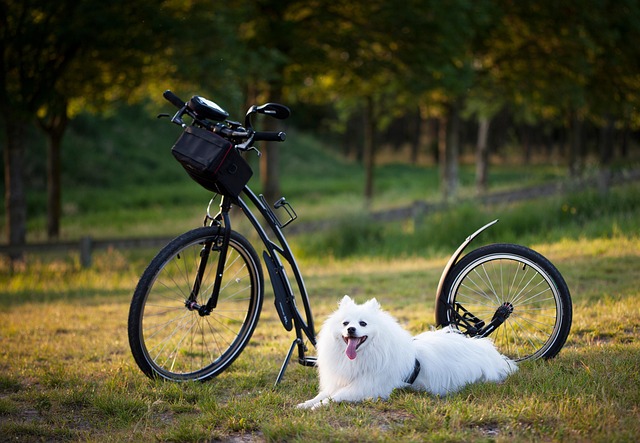
Starting a Dog Rescue

Building a Team and Volunteer Network

No dog rescue can run alone for long. You need people who care and are willing to help regularly. Start with a small team of 3 to 5 dedicated individuals who can handle feeding, cleaning, and basic care. As your rescue grows, so should your team.

Volunteers can help with daily tasks, social media, transport, and adoption events. Some people may only have a few hours each week, and that is okay. Every bit helps. Make sure to train your volunteers properly so they understand how to handle dogs safely.

Clear communication keeps everything running smoothly. Use simple tools like WhatsApp groups or shared calendars to coordinate tasks. Avoid confusion. Assign roles when possible so everyone knows what they are responsible for on a given day. Key takeaway: Consistent communication and defined roles boost efficiency.

Funding and Managing Expenses

Running a dog rescue costs money, even if you try to keep expenses low. Food, medical care, vaccines, and cleaning supplies add up quickly. A single dog can cost between $20 to $50 per month, depending on its needs. Multiply that by 10 dogs, and you see the challenge.

You can raise funds through donations, small events, and online campaigns. Social media plays a big role here. Share real stories of the dogs you help, including photos and updates. People connect with stories, not numbers.

Here are a few simple ways to support your rescue financially:

– Ask for monthly donations instead of one-time support

– Partner with local pet shops for sponsorships

– Offer low-cost adoption fees to cover basic expenses

– Sell small items like pet accessories or merchandise

Keep track of every expense. Even small amounts matter over time. Transparency builds trust with your supporters and encourages them to keep helping. Key takeaway: Financial transparency earns support and avoids problems.

Rescue Operations and Dog Care

Rescuing dogs is more than picking them up from the street. Each dog needs medical checks, vaccinations, and sometimes emergency treatment. Some arrive injured. Others are scared or aggressive due to past trauma. Patience is key.

Create a simple intake process for every dog. This should include a health check, basic grooming, and a minimum 7-day quarantine. This helps prevent diseases from spreading to other dogs. Safety comes first.

Behavior matters too. Some dogs need training before they can be adopted. Spend time socializing them with humans and other animals. Even 20 minutes a day can make a huge difference over a few weeks.

Adoption Process and Finding Good Homes

The goal of every dog rescue is to find safe and loving homes. This process should not be rushed. Screen potential adopters carefully by asking simple questions about their lifestyle, pet experience, and living space. A quick chat can reveal a lot.

Use an adoption form and conduct a short interview before handing over any dog. In some cases, a home visit may be useful, especially if you are placing a large or special-needs dog. It takes effort, but it reduces the chance of dogs being returned later. Key takeaway: Careful screening increases the likelihood of lasting placements.

Stay in touch with adopters after placement. A follow-up message after 7 days and again after 30 days can help you ensure the dog is adjusting well. It also shows that you truly care about the animal’s future.

Opening a dog rescue is a long journey filled with hard work, emotional moments, and real impact. Every small step counts, from saving one dog to building a full network of care. With patience and proper planning, your effort can change countless lives and inspire others to do the same. Key takeaway: Small, consistent action makes a lasting difference.


Is Canned Pumpkin Safe For Dog
Apr
Is Canned Pumpkin Safe and Helpful for Your Dog?

Many dog owners look for simple and natural ways to improve their pet’s digestion and overall health. One common option is canned pumpkin. It is easy to find, affordable, and packed with nutrients. Still, knowing how and when to use it makes all the difference.

Why Pumpkin Is Good for Dogs

Pumpkin is rich in fiber, which helps digestion. It regulates bowel movements and can ease constipation or diarrhea. Fiber absorbs water and supports healthy stools. This makes it a useful food for dogs.

It also contains vitamins like A, C, and E, which support the immune system. These nutrients help maintain skin and coat health. Dogs benefit from this natural boost. A small serving can go a long way.

Pumpkin is low in calories, making it a good option for dogs that need to manage weight. Adding it to meals can help dogs feel full without overeating. This is useful for dogs on controlled diets. Simple food choices matter.

Most dogs enjoy the taste. That makes feeding easier.

How to Safely Feed Canned Pumpkin

When adding pumpkin to your dog’s diet, choosing the right type is important. Many pet owners search for guidance and may come across helpful resources, such as ” Can I Give My Dog Canned Pumpkin? ” to understand proper feeding methods. These guides explain safe usage clearly.

Always use plain canned pumpkin with no added sugar, spices, or salt. Pumpkin pie filling is not safe for dogs because it contains extra ingredients that can upset their stomach. Read labels carefully. This step is important.

Start with small portions. For small dogs, 1 to 2 teaspoons per day is enough. Medium dogs can have about 1 to 2 tablespoons, while larger dogs may handle up to 3 tablespoons. Gradual introduction helps avoid digestive upset.

Mix the pumpkin into your dog’s regular food. This makes it easier for your dog to eat and digest. Keep the amount controlled. Too much fiber can cause loose stools.

Is Canned Pumpkin Safe For Dog

Health Benefits Beyond Digestion

Pumpkin offers more than just digestive support. It contains antioxidants that help protect cells from damage. These compounds support long-term health. Dogs benefit from this natural protection.

The moisture content in pumpkin also helps keep dogs hydrated. This is helpful during warmer months or for dogs that do not drink enough water. Small changes can support better hydration. It adds value to meals.

Pumpkin seeds, when plain and unsalted, may support urinary health. Some studies suggest they can help reduce certain parasites. Still, seeds should be given in very small amounts. Moderation is key.

It also supports vision. Vitamin A plays a role here.

When Pumpkin May Not Be a Good Idea

While pumpkin is safe for most dogs, there are cases where caution is needed. Dogs with certain health conditions may not tolerate extra fiber well. For example, dogs with sensitive stomachs might react differently. Watch for changes.

Too much pumpkin can lead to digestive issues. Loose stools or mild discomfort may occur if the portion is too large. Stick to recommended amounts. Balance matters.

Dogs with diabetes should only have pumpkin under veterinary guidance. Although it is low in calories, it still contains natural sugars. Monitoring is important. Always consider your dog’s overall health.

If your dog shows signs like vomiting or unusual behavior after eating pumpkin, stop feeding it and consult a vet. Quick action helps prevent problems.

Tips for Adding Pumpkin to Your Dog’s Diet

Introducing pumpkin can be simple and effective when done correctly. Start slowly and observe how your dog responds. This helps you find the right portion. Every dog is different.

Here are a few practical tips:

  • Use plain canned pumpkin, not flavored varieties.
  • Store leftovers in the fridge and use within 3 days.
  • Mix with regular food for easier digestion.
  • Offer small amounts consistently instead of large servings.

Consistency works better than sudden changes. Dogs adjust well to routine feeding. Keep it simple and steady.

Try using pumpkin as a treat or topper rather than a full meal replacement. This keeps your dog’s diet balanced while adding extra nutrition. Small additions can make a big impact over time.

Canned pumpkin can be a helpful and safe addition to your dog’s diet when used properly. With the right portion and careful selection, it supports digestion and overall health while keeping your pet comfortable and satisfied.

What Causes Dog Gas
Apr
What Causes Dog Gas and How Can You Help?

Dogs pass gas just like humans, and it is a normal part of digestion. Some owners may find it funny, while others worry when it happens too often. Gas in dogs usually comes from food, digestion speed, or swallowed air. Learning what causes it helps you better manage your dog’s health.

Why Dogs Produce Gas in the First Place

Gas forms when bacteria in the intestines break down food. Some foods create more gas, especially those high in fiber or hard to digest. Dogs that eat quickly often swallow air, which leads to gas buildup.

Some breeds are more prone to gas due to their body structure. Flat-faced dogs like Bulldogs swallow more air while eating, increasing the chances of passing gas. Genetics plays a role.

Diet quality matters. Low-quality dog food with fillers can increase gas. Ingredients like soy or beans are common triggers.

Gas is normal. Excess is not.

Foods and Habits That Can Increase Gas

Many owners become curious about what causes more gas and may search online, sometimes finding helpful resources on how to make dogs fart while learning about digestion and diet. These sources explain how certain foods affect your dog’s stomach. Knowing this helps you make better choices.

Foods that are rich in fiber or poorly digested tend to cause more gas. Vegetables like broccoli or cabbage can cause noticeable changes. Dairy products may also trigger gas, especially in lactose-intolerant dogs. Even small amounts can have an effect.

Eating habits also matter. Dogs that eat too fast tend to swallow more air. This increases gas production later in the day. Feeding smaller portions more often can help reduce this issue.

Sudden diet changes can upset the stomach. Always introduce new food gradually over 5 to 7 days. Slow changes protect digestion.

Once you know what increases gas, the question arises: Is it safe to try to encourage gas in dogs?

Trying to make a dog pass gas on purpose is not usually recommended. Gas is a natural process, and forcing it through diet changes can upset the digestive system. Dogs need balanced nutrition. Their bodies work best with stable feeding habits.

Some people may experiment with different foods out of curiosity. This can lead to discomfort for the dog. Excess gas can cause bloating or pain. It may also lead to loose stools.

It is better to focus on keeping your dog comfortable instead of increasing gas. Healthy digestion should always be the goal. Avoid unnecessary changes.e Feed wisely.

What Causes Dog Gas

Signs of Digestive Issues in Dogs

Occasional gas is normal, but frequent or strong-smelling gas may signal a problem. Dogs with digestive issues may also show other signs. These can include vomiting, diarrhea, or a loss of appetite. Pay attention to patterns.

If your dog passes gas 8 to 10 times a day, along with other symptoms, it may need attention. Changes in stool quality are also important. Loose or very hard stools can point to an imbalance. Watch closely.

Some dogs may show discomfort by pacing or whining. This can happen if gas builds up in the stomach. Bloating is a serious sign. It should never be ignored.

Early action helps avoid bigger problems. Regular observation is key.

How to Maintain Healthy Digestion

Good digestion reduces unwanted gas and keeps your dog feeling better. Start with high-quality dog food made with simple, natural ingredients. Avoid foods with too many fillers or artificial additives. Quality makes a difference.

Regular feeding times help regulate digestion. Dogs do well with a routine. Feeding at the same time each day supports gut health. Consistency is important.

Exercise also plays a role. A daily walk of 20 to 30 minutes helps the digestive system function properly. Active dogs tend to have fewer digestive issues. Movement matters.

Fresh water should always be available. Hydration supports digestion and reduces the risk of stomach problems. A well-hydrated dog is a healthier dog.

Gas in dogs is a natural part of life, but too much can signal dietary or digestive issues. By prioritizing balanced meals, proper feeding habits, and regular activity, you ensure your dog’s comfort and long-term health. Supporting healthy digestion means your dog can enjoy a happier, more active life with fewer digestive troubles.

Anthurium Dangers for Cats
Apr
Guide to Understanding Anthurium Dangers for Cats

Anthuriums are popular houseplants with bright flowers and glossy leaves. Many cat owners like them for their beauty. However, they can pose hidden risks for pets. Knowing how anthuriums affect cats helps keep your home safe.

Why Anthuriums Can Be Harmful

Anthuriums have calcium oxalate crystals that are toxic if cats eat them. These can irritate the mouth, throat, and digestive tract. Even a small bite may cause drooling, pawing at the mouth, and trouble swallowing.

Pet owners can learn more about these risks from reliable resources. For example, guides like ” Is anthurium toxic to cats provide detailed information about the symptoms and dangers. Following such resources can help you identify early warning signs and take immediate action if your cat comes into contact with the plant.

Worse symptoms may occur if a cat eats more of the plant. Vomiting, loss of appetite, and tiredness can happen. Spotting these signs early prevents serious issues.

Symptoms to Watch For

Knowing the symptoms of anthurium poisoning can help prevent severe discomfort in your cat. Cats may show signs such as excessive drooling, swelling of the lips or tongue, and vomiting. Some cats may also refuse to eat or drink after chewing on the leaves.

Behavioral changes can also indicate toxicity. A cat may become unusually restless or hide in a quiet corner. If you notice these behaviors alongside oral irritation, prompt veterinary care is necessary. Immediate action is critical because symptom severity can vary depending on the cat’s size and the amount ingested.

Mild exposure may only cause short-term discomfort. But larger exposures can cause serious problems. Watch your cat around anthuriums to prevent emergencies and act fast if needed.

Anthurium Dangers for Cats

Preventing Exposure at Home

To protect your cat, keep anthuriums out of reach. Place them high or in closed spaces. Hanging planters or high shelves keep them out of reach of cats while still brightening your home.

Another strategy is using deterrents. Some cats dislike citrus scents, so placing orange or lemon peels around the plant may reduce curiosity. You can also train your cat to avoid certain areas by consistently redirecting and reinforcing positive behavior.

Check the plant often. Remove fallen leaves or flowers right away to stop cats from chewing them. Keeping things clean helps prevent accidental eating.

What to Do if Your Cat Ingests Anthurium

If your cat chews or swallows parts of an anthurium, contact a veterinarian immediately. Provide information about the plant and the amount ingested. Early intervention can reduce symptom severity and prevent complications.

Supportive care often includes mouth rinsing, providing fluids, and monitoring for vomiting or diarrhea. In severe cases, hospitalization may be necessary for observation and treatment. Knowing emergency procedures ahead of time helps you act quickly in a stressful situation.

Keep emergency numbers handy, including your local vet and Animal Poison Control. Acting promptly improves the chances of a full recovery and keeps your cat safe. Do not try home remedies without professional guidance, as this can worsen the situation.

Anthuriums are beautiful plants, but they pose a significant risk to cats due to calcium oxalate crystals. Understanding the symptoms, prevention strategies, and emergency steps can help cat owners protect their pets. Careful placement, monitoring, and preparedness ensure that both your home and your cat remain safe and healthy.

Identify Your Cat’s Breed
Apr
How to Identify Your Cat’s Breed Accurately

Many cat owners wonder about their pet’s heritage and appearance. Identifying a cat’s breed can help you understand their behavior, health risks, and grooming needs. Some cats have clear breed traits, while others are a mix of breeds. Learning how to recognize these traits can be both fun and informative.

Observing Physical Traits

The first step in identifying a cat’s breed is to examine its physical characteristics. Pay attention to body size, shape, and coat type. For example, a Maine Coon often has a long, bushy tail and tufted ears, while a Siamese has a slender body and a distinct color-point pattern.

Coat color and pattern can also provide clues. Some breeds, like the Bengal, have spotted or marbled markings. Eye color is another factor; breeds like the Russian Blue often have vivid green eyes. Height, leg length, and ear shape can all provide hints about ancestry.

Even the shape of the face can indicate breed. Persians have a flat face, whereas Abyssinians have a more triangular shape. Carefully observing these traits gives you the first clues toward identification.

Using Resources for Guidance

If you want a deeper understanding, guides and tools are available to help. Organizations provide resources for breed identification and care. For example, Alley Cat Allies has detailed information for cat owners.

Many pet owners find these guides helpful because they describe the characteristics of dozens of breeds, making comparisons easier. Using such resources increases confidence when determining your cat’s possible breed.

Books and online resources often include extremely detailed photographs and descriptions. Using multiple sources can reduce mistakes and help you identify unique traits that may not be obvious at first glance.

Behavior and Personality Clues

Behavior can hint at breed. Some breeds have identifiable temperaments. Siamese cats are vocal and social, while British Shorthairs are calm and reserved.

Activity level offers more clues. Bengal cats are energetic and playful; Persians are quiet and relaxed. Observe your cat over time to spot pattern matches.

Social tendencies help, too. Ragdolls enjoy being held and are comfortable with strangers. Pairing personality traits with physical features gives a clearer picture.

Identify Your Cat’s Breed

Genetic Testing for Accuracy

Genetic testing is the most reliable way to identify your cat’s breed. DNA tests can reveal ancestry and often detect mixed breeds. These tests analyze markers specific to certain breeds and report breed composition percentages.

Tests are available online and at veterinary offices. The process usually requires a small saliva sample or a cheek swab, both of which are simple and noninvasive. Results are typically returned within two to four weeks, providing detailed information about your cat’s heritage.

While genetic tests are accurate, they can be expensive. Some cat owners choose testing for curiosity, while others do so to check for potential health risks associated with specific breeds. Combining physical observation, behavioral assessment, and genetic testing provides the most complete understanding.

Considering Mixed Breeds

Many cats are not purebred and carry traits from multiple breeds, making identification challenging. Observing patterns in coat, shape, and personality still provides useful information.

Mixed breeds may inherit health risks from specific breeds. Knowing ancestry helps with care and nutrition. Owners should focus on health, not purity.

Choosing a cat without a specific breed does not lessen their joy. Mixed-breed cats can be just as loving and playful as purebreds, with their unique traits often making them especially endearing.

Bringing these methods together, identifying your cat’s breed involves observing physical traits, noting personality, and using reliable resources or genetic tests. Some cats will have clear breed markers, while others may be a delightful mix. Paying attention to these details helps you understand your cat better and provides insights into their care and behavior.