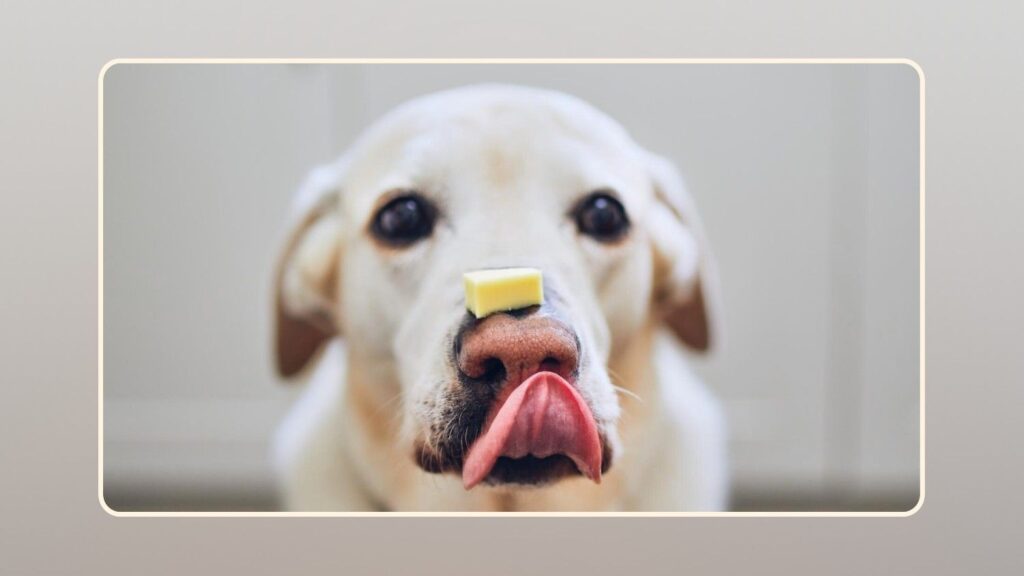
Can Dogs Eat Parmesan Cheese Safely? A Complete Guide for Pet Owners
Many dog owners enjoy sharing small bits of their meals with their pets, especially foods like cheese that dogs seem to love. Parmesan cheese is a common kitchen ingredient, often sprinkled on pasta or snacks. While it may look harmless, not every human food is suitable for dogs. Understanding how Parmesan affects your dog can help you make safer feeding choices.
Now that we’ve considered the basics, let’s look at what makes Parmesan different from other cheeses.
Parmesan cheese is a hard, aged cheese that has a strong flavor and a dry texture. It contains high levels of protein and calcium, which might sound beneficial at first. However, it also has a higher sodium content than softer cheeses. This is one of the main concerns when feeding it to dogs.
Another difference is lactose content. Parmesan has lower lactose than many other cheeses because it is aged for a long time. This can make it slightly easier for some dogs to digest. Still, not all dogs tolerate dairy well.
The aging process gives Parmesan its intense taste. Dogs are often drawn to this strong smell and flavor, which makes it tempting as a treat. Even a small sprinkle can quickly grab their attention.
Not all cheeses have the same effect on dogs. Some are safer choices than others.
Health Benefits and Risks of Feeding Parmesan to Dogs
Parmesan cheese offers some nutritional value, including protein and essential minerals such as calcium and phosphorus. In very small amounts, it can be used as a treat or to encourage picky eaters. If you are curious about detailed insights, this guide explains whether Parmesan cheese is safe for dogs and what to consider before feeding it to them. Knowing both sides helps you make better decisions.
The biggest risk is its high sodium content. Too much salt can lead to dehydration, increased thirst, and, in serious cases, sodium poisoning. Dogs require much less salt than humans. Even a small amount of Parmesan can add up quickly.
Fat content is another concern. While Parmesan is not as fatty as some cheeses, it still contains enough fat to cause digestive upset if given in large amounts. This can lead to symptoms like diarrhea or vomiting. Portion control is very important.
Some dogs are lactose intolerant. Even though Parmesan has less lactose, sensitive dogs may still react. Signs include gas, bloating, or stomach discomfort. Always observe your dog after trying new foods.
Small amounts are key, but the main message is to stay cautious, as Parmesan can pose risks to most dogs.
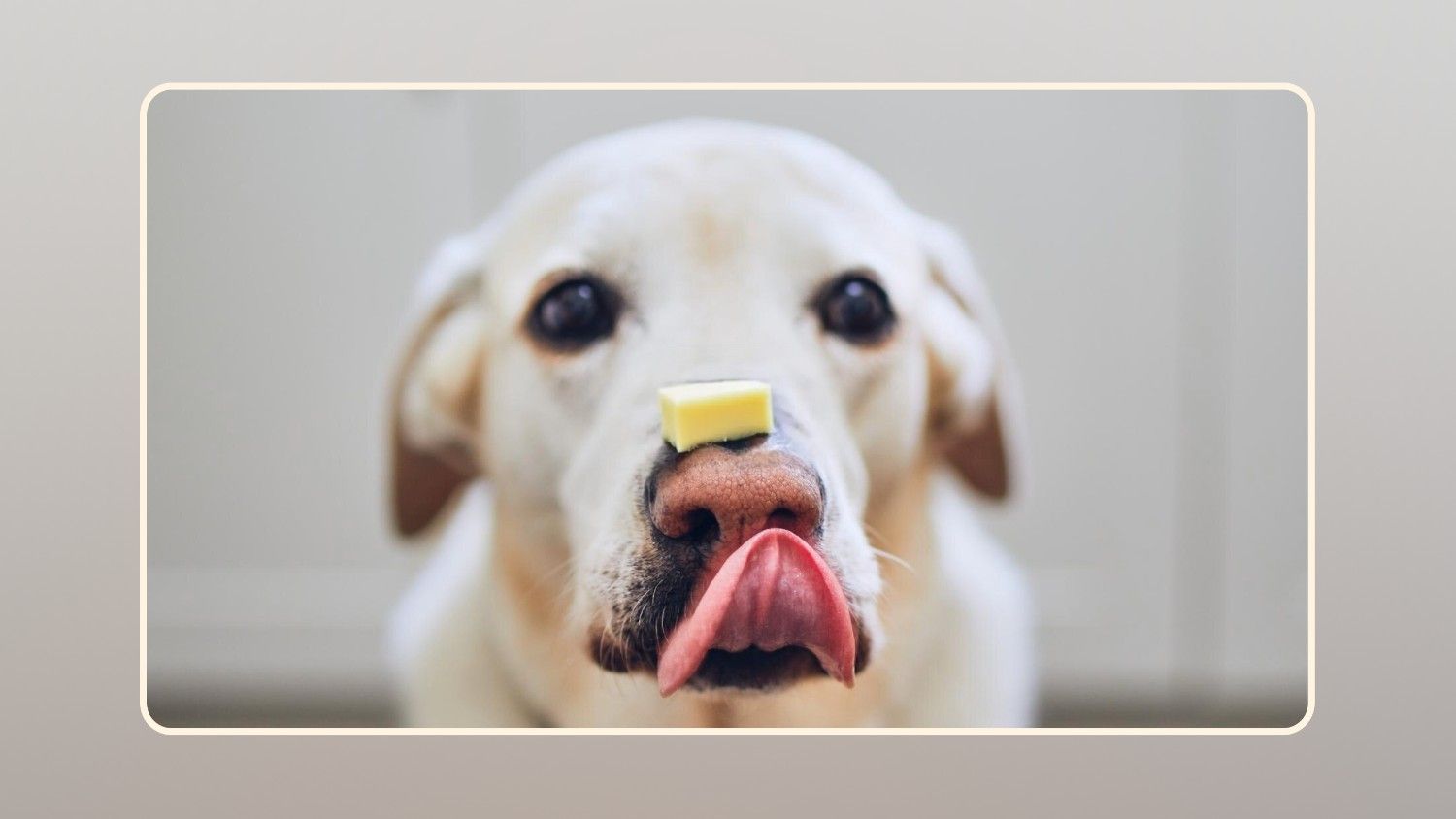
How to Safely Give Parmesan Cheese to Your Dog
If you choose to give Parmesan cheese, start with a very small amount. A pinch or a few grated flakes is enough for most dogs. For a small dog weighing less than 10 kilograms, a safe starting point is less than half a teaspoon. Larger dogs can handle slightly more, but moderation remains essential.
Use Parmesan as a topping rather than a main treat. Sprinkling a little over your dog’s regular food can make meals more appealing without adding too many extra calories. This method works well for picky eaters. It also keeps portions controlled.
Avoid flavored or processed versions. Some Parmesan products contain garlic, onion powder, or other additives that are harmful to dogs. Always check the ingredients before sharing. Simple is safer.
Watch your dog closely after feeding Parmesan for the first time. If there are no negative reactions, it may be used occasionally. If any symptoms appear, stop immediately. Every dog reacts differently.
Keep treats limited, and remember, most dogs do best without Parmesan as a regular treat.
When Parmesan Cheese Is Not Suitable for Dogs
Some dogs should avoid Parmesan completely. Dogs with kidney issues need low-sodium diets, and Parmesan’s salt content can worsen their condition. This makes it unsuitable even in small amounts. Health conditions must be considered first.
Overweight dogs should also avoid it. Cheese adds extra calories that can lead to weight gain over time. Maintaining a healthy weight is important for your dog’s overall health. Extra treats can disrupt that balance.
Dogs with dairy intolerance or sensitive stomachs may struggle to digest Parmesan. Even a small serving can cause discomfort. If your dog has a history of digestive problems, it is better to skip it.
Puppies should not be given Parmesan regularly. Their digestive systems are still developing, and introducing rich foods too early can lead to issues. Stick to foods designed for their growth needs.
While many dogs enjoy cheese, some should avoid it due to their health.
Better Alternatives to Parmesan Cheese for Dogs
There are many safer alternatives to Parmesan cheese you can offer. These options provide flavor and nutrition without the same risks. Choosing the right alternative depends on your dog’s needs and preferences.
Here are a few options to consider:
– Small pieces of cooked chicken without seasoning
– Plain boiled eggs in small portions
– Dog-safe fruits like apple slices without seeds
– Commercial low-sodium dog treats
– Carrot sticks for a crunchy snack
Each of these options offers a different benefit. Some provide protein, while others add fiber or vitamins. Rotating treats keeps your dog interested and satisfied. Variety can be helpful.
Always introduce new foods slowly and in small amounts to avoid digestive issues, and remember that treats should make up no more than 10 percent of your dog’s daily calorie intake to maintain a balanced diet.
Parmesan cheese can be given as an occasional treat if used with care, but because of its high sodium and fat, it should never be a regular part of your dog’s diet. Focus on healthier, dog-friendly options to keep your pet active, comfortable, and well-nourished in the long term.