Dog with Constipation
Apr
Simple Ways to Help a Dog with Constipation

Constipation in dogs can be uncomfortable and sometimes worrying for pet owners. It often shows up as difficulty passing stool or going less often than usual. Many dogs experience this issue at least once in their lives. Knowing what to give and how to respond can make a big difference in your dog’s comfort.

Common Causes of Constipation in Dogs

A lack of fiber, dehydration, or sudden changes in routine can cause constipation, making stools hard or difficult to pass and affecting digestion.

Eating things like bones or small objects can block digestion. Older dogs may become constipated due to reduced activity or health problems like arthritis, which can make squatting harder.

Stress, new environments, or changes in routines and some medications can disrupt bowel movements. Recognizing these triggers helps prevent future issues.

Safe Home Remedies to Relieve Constipation

Many mild cases can be managed at home with simple changes. Owners often look for guidance online, and one helpful resource explains what can cause constipation in dogs along with practical treatment options. These ideas can support your dog’s recovery when symptoms are not severe.

Adding fiber to your dog’s diet is one of the easiest solutions. A small amount of plain pumpkin, around one to two tablespoons for medium dogs, can improve stool consistency. It works well because it contains both fiber and moisture. This combination supports healthy digestion.

Water intake is just as important. Dogs should always have access to fresh, clean water. Some owners add a little broth to encourage drinking. That small step can help soften stools and ease passage.

Regular exercise activates the digestive system—a daily 20-30 minute walk can noticeably encourage natural bowel movements.

Foods That Help Improve Digestion

Diet helps prevent and treat constipation. Certain foods keep stools soft. Introduce new foods slowly in small amounts to regular meals.

Here are some foods that may help:

  • Plain canned pumpkin with no sugar or spices
  • Cooked carrots or green beans in small portions
  • Oat bran mixed into food once a day.
  • A small spoon of plain yogurt for gut balance

Each dog reacts differently to changes in food. Some may respond quickly within 24 hours. Others may take two or three days to show improvement. Watch closely. Adjust portions as needed.

Avoid giving fatty or processed foods. These can make digestion worse. Keep meals simple and balanced for the best results.

Dog with Constipation

When to See a Veterinarian

Sometimes constipation needs medical attention. If your dog has not passed stool for more than 48 hours, it may be time to visit a vet. Severe discomfort, vomiting, or loss of appetite are warning signs. These symptoms should not be ignored.

A veterinarian can check for blockages or underlying health issues. They may suggest safe medications or perform gentle treatments to relieve the problem. In some cases, an enema or fluid therapy is required. Professional care ensures your dog’s safety.

Chronic constipation is another concern. Dogs that face repeated issues may need a long-term plan. This can include diet adjustments and regular monitoring. Early action helps avoid serious complications.

Tips to Prevent Constipation in Dogs

Prevention is easier than treatment in many cases. A balanced routine keeps your dog’s digestive system working well. Small daily habits can reduce the risk of constipation. Consistency matters a lot.

Feed your dog at the same time every day. Provide fresh water at all times. Keep their diet rich in nutrients and fiber. These simple steps support regular bowel movements.

Exercise should be part of your dog’s daily life. Even a short walk helps. Active dogs are less likely to face digestive problems. Movement keeps everything flowing properly.

Check your dog’s stool regularly. Changes in color, shape, or frequency can signal early issues. Quick action can prevent bigger problems later. Stay alert.

Helping a constipated dog is usually straightforward. With proper care, a balanced diet, and regular exercise, most dogs recover quickly. Staying alert to changes can keep your pet healthy and comfortable.s.

Martingale Dog Collars
Apr
Understanding Martingale Dog Collars and Their Practical Use

Managing pets during walks and training is a top priority for dog owners. Among the many collar options available, martingale collars have gained attention for their unique design and purpose. These collars are especially popular for certain breeds with narrow heads. They provide control without causing harm when used correctly.

How Martingale Collars Work

A martingale collar is designed with two loops instead of one. The larger loop goes around the dog’s neck, while the smaller loop connects to the leash. When the dog pulls, the smaller loop tightens slightly, making the collar snug but not choking. This feature helps prevent dogs from slipping out of the collar during walks.

This collar type is often used for breeds like Greyhounds and Whippets, which have slender necks and heads. A regular collar can easily slip off these dogs. Martingale collars provide better security without constant tightness. They tighten only when needed.

The design is simple yet effective. There is no harsh correction involved. Dogs feel gentle pressure instead of pain. That makes it a preferred option for many trainers.

Benefits of Using a Martingale Collar

Many dog owners choose this collar because it offers better control during walks. It helps guide the dog without causing distress. One useful resource explains what martingale dog collars are and how their design supports safe training methods. This makes them a trusted option for both new and experienced pet owners.

There are several advantages to using a martingale collar in everyday situations. These collars reduce the risk of escape, especially for anxious or energetic dogs. They also distribute pressure evenly around the neck. That helps prevent injuries.

Here are some key benefits:

  • Prevents dogs from slipping out during walks
  • Applies gentle and controlled pressure
  • Works well for training loose leash walking
  • Offers comfort compared to choke chains

Training becomes easier with consistent use. The collar sends clear signals to the dog. It avoids confusion. That helps build better habits over time.

When to Use a Martingale Collar

Martingale collars are ideal for specific situations where control is needed without harsh correction. They are commonly used during daily walks, especially in busy areas where dogs may get distracted. Owners who struggle with pulling often see improvements after switching to this collar. It gives them more confidence while handling their pets.

These collars are also helpful during training sessions. Dogs that are still learning leash manners respond well to gentle feedback. The collar tightens only enough to get their attention. It does not cause choking. That difference matters.

Some dog breeds benefit more than others. Sighthounds are the most common example. Their neck structure makes standard collars less reliable. A martingale collar fits securely without being too tight when relaxed.

It should not be used all the time. Dogs should not wear it unsupervised. Safety always comes first.

Martingale Dog Collars

Proper Fit and Safety Tips

Getting the right fit is very important when using a martingale collar. A loose collar will not work as intended. One that is too tight can cause discomfort. The goal is a snug fit that tightens slightly when the dog pulls, without choking.

Measure your dog’s neck before buying one. Most collars come in adjustable sizes, but choosing the correct range helps a lot. When fitted properly, you should be able to fit two fingers between the collar and the dog’s neck when it is relaxed. That ensures comfort while maintaining control.

Never leave a martingale collar on a dog when it is alone at home or in a crate. The tightening loop could catch on objects. That creates a risk. Always supervise your dog while using this type of collar.

Regular checks are useful. Inspect the collar for wear and tear. Replace it if the fabric or chain shows signs of damage. Safety depends on good condition.

Martingale Collar vs Other Dog Collars

There are many types of dog collars available, including flat collars, choke chains, and harnesses. Each has its own purpose. Martingale collars stand out for their balance of control and comfort. They are not as harsh as choke chains. They are more secure than flat collars.

A flat collar is simple and works well for dogs that do not pull. It holds identification tags and is easy to use. However, it may slip off certain breeds. That limits its effectiveness in some cases. Martingale collars solve that issue.

Choke chains can tighten endlessly, which may cause harm if used incorrectly. Martingale collars have a built-in limit. This prevents excessive tightening. It makes them safer for everyday use.

Harnesses are another option. They distribute pressure across the chest instead of the neck. Some dogs respond better to harnesses, especially those with breathing issues. Still, martingale collars remain a popular middle-ground choice for many owners.

Each dog is different. Testing different options helps find the best fit. Comfort and safety should guide the decision.

In summary, martingale collars can offer an effective solution for handling dogs that pull or escape standard collars. By providing gentle, safe control through proper use and fit, they help make walks more enjoyable for both pet and owner.

Giving Cats Pup Cups Without Risks
Apr
Guide to Giving Cats Pup Cups Without Risks

Many cat owners enjoy treating their pets to special snacks, and some wonder if human treats like pup cups are safe for cats. Pup cups are small servings of whipped cream, often offered at coffee shops as a fun treat for dogs. While cats may be curious and tempted by the creamy texture, their digestive systems differ significantly from those of dogs.

Understanding what ingredients are in pup cups and how they affect cats is crucial before offering this treat. Awareness and caution help prevent health issues while still allowing cats to enjoy occasional treats safely.

Understanding Pup Cups and Their Ingredients

Pup cups contain whipped cream high in fat and sugar, sometimes with vanilla or chocolate. Chocolate is toxic to cats, and sugar increases obesity and diabetes risks. Plain whipped cream may cause digestive issues if your cat is lactose intolerant. A single taste is usually safe, but repeated exposure increases risks. The priority: avoid exposing cats to unnecessary health hazards from unsuitable ingredients.

For detailed guidance and recommendations, you can consult a trusted resource on whether cats can use pup cups. This guide explains which ingredients are safe and which should be avoided entirely. It also provides alternatives and tips for giving cats a treat without risking digestive upset. Following expert advice ensures that your cat enjoys treats safely without unnecessary health risks.

Health Risks of Pup Cups for Cats

Giving cats pup cups can cause health issues, as lactose intolerance is common, and dairy products can cause stomach upset. High fat can cause obesity, and sugar or artificial flavorings carry risks of diabetes and dental problems. Even small amounts may trigger discomfort, especially in vulnerable cats.

Observe your cat after a new treat. Signs like vomiting or diarrhea indicate an issue. Introduce new foods slowly and keep up with regular veterinary check-ups to ensure treats don’t compromise a balanced diet.

Giving Cats Pup Cups Without Risks

Safe Alternatives to Pup Cups

If you want to treat your cat safely, offer small amounts of plain cooked meat or cat-friendly frozen treats made from pureed meat or tuna water. A tiny spoonful of plain yogurt suits some cats if tolerated. These choices provide enjoyment without the risks of whipped cream or sugar.

Interactive toys that dispense treats can also satisfy a cat’s curiosity and reward-seeking behavior. Even herbs like catnip or silvervine can provide enjoyment without dietary risks. Moderation is key, as too much of any treat can upset the balance of a cat’s diet. Offering a variety of safe options helps keep your cat interested and healthy. Treats should enhance life, not cause preventable health issues.

When to Consult a Veterinarian

If your cat shows unusual symptoms after trying a pup cup or similar treat, seek veterinary advice. Persistent vomiting, diarrhea, or changes in appetite require attention. Cats with pre-existing health conditions, such as diabetes or pancreatitis, are at higher risk from fatty or sugary foods. A veterinarian can recommend safe treat options and portion sizes. Regular health monitoring is essential for cats who occasionally enjoy human food.

Professional guidance ensures you make informed decisions about treatments. Vets can provide insight into your cat’s dietary needs and restrictions. Understanding your cat’s individual tolerance helps prevent long-term health problems. This approach balances enjoyment with safety for a happy, healthy life. Treats should complement, not compromise, a well-managed diet.

While cats may be curious about pup cups, caution is necessary. Occasional safe treats are acceptable, but many commercial pup cups contain ingredients that can harm cats. Choosing alternatives like cooked meat or cat-friendly frozen treats can safely satisfy their curiosity. Observing reactions, consulting professionals, and keeping treats in moderation ensures your cat enjoys life without risking digestive or metabolic health. Prioritizing safe options keeps both you and your feline friend happy and worry-free.

Train a Seal Point Siamese Cat Effectively
Apr
How to Train a Seal Point Siamese Cat Effectively

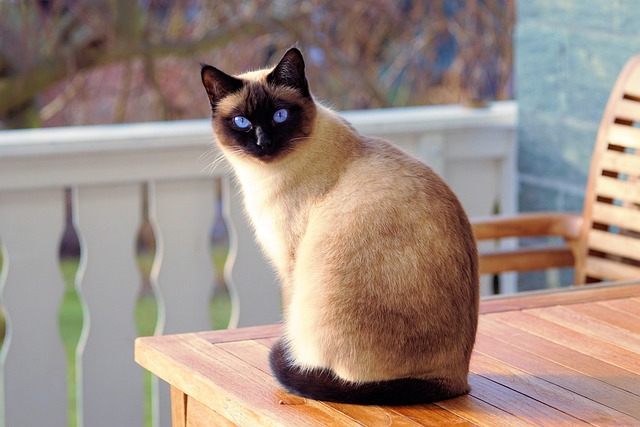
The seal point Siamese is one of the most recognizable and beloved cat breeds in the world. Known for their striking blue eyes and darkly contrasted points, these cats have a unique elegance that captivates cat lovers everywhere. Their slender bodies, wedge-shaped heads, and vocal personalities make them stand out in any household.

Beyond their appearance, seal point Siamese cats are highly social and intelligent, often forming strong bonds with their human companions. Understanding their history, traits, and care requirements can help potential owners provide a happy, healthy environment for these stunning cats.

Origins and History of the Seal Point Siamese

The Siamese breed originated in Thailand, formerly known as Siam, and has been admired for centuries for its elegance and charm. Seal point Siamese cats are among the earliest color varieties, with dark brown points on their ears, face, paws, and tail contrasting against a creamy body. These cats were first introduced to the Western world in the late 1800s and quickly gained popularity in Europe and North America.

Seal points are often considered the classic Siamese look due to their distinctive coloration and refined features. Their history is tied closely to royalty, as they were often kept in palaces and revered for their beauty and intelligence.

Physical Traits and Appearance

The seal point Siamese is recognized for its striking, elegant, and graceful appearance. They have short, fine coats that feel soft to the touch, with dark brown points that contrast sharply with their lighter body color. Their almond-shaped blue eyes are a hallmark of the breed, giving them an expressive and captivating gaze. These cats typically weigh between 6 and 12 pounds, with males being slightly larger than females. Their long, slender bodies, triangular heads, and large ears make them instantly recognizable and highly photogenic.

For a detailed guide to the breed, including care tips and personality insights, visit a trusted resource on seal-point Siamese. This resource offers comprehensive information on the breed’s characteristics, health considerations, and grooming requirements. Reading the experiences of experienced breeders and cat enthusiasts provides practical advice for anyone considering adding a seal point Siamese to their home. Their insights help owners understand what to expect from this energetic and intelligent breed.

Personality and Behavior

Seal point Siamese cats are well known for their vocal and affectionate nature. They enjoy interacting with humans and often follow their owners around the house. These cats are intelligent and curious, making them quick learners when it comes to tricks or routines. They tend to form deep bonds with one person in the household, though they usually get along well with other pets if properly socialized. Playtime is essential, as their high energy levels require both physical and mental stimulation daily.

They are also sensitive cats that thrive on attention and can become lonely if left alone for long periods. Their personalities are often described as dog-like, with a love of games, fetch, and interactive toys. Many owners find that seal point Siamese cats respond to their names and can even learn to open doors or cabinets. Consistency in interaction and gentle guidance ensures they develop well-adjusted behaviors. Understanding these personality traits allows owners to meet the breed’s emotional and social needs effectively.

Train a Seal Point Siamese Cat Effectively

Care and Health Considerations

Seal point Siamese cats require regular care to maintain their health and appearance. Their short coat is low-maintenance but benefits from weekly brushing to reduce shedding and distribute natural oils. Dental care is crucial, as Siamese cats are prone to dental disease; regular brushing and veterinary check-ups help prevent issues. These cats are generally healthy but may have a higher risk for certain genetic conditions, such as progressive retinal atrophy or respiratory issues. A balanced diet with high-quality protein supports their active lifestyle and helps maintain a healthy weight.

Exercise and mental enrichment are also vital for this breed. Puzzle feeders, climbing towers, and interactive play sessions provide necessary stimulation. They enjoy safe outdoor experiences, like leash training or secure patios, which can enhance their quality of life. Closely monitoring their behavior and health enables early detection of any medical concerns. A proactive approach to wellness ensures your seal point Siamese remains happy and vibrant throughout their life.

Living with a Seal Point Siamese

Owning a seal point Siamese requires commitment, attention, and patience. These cats thrive in environments that provide ample affection and stimulation. Providing vertical spaces, such as cat trees and shelves, helps satisfy their climbing instincts. Social interaction, both with humans and compatible pets, prevents boredom and behavioral issues. Daily engagement and a structured routine make them feel secure and loved.

Seal point Siamese cats can adapt well to families with children or other pets if introduced carefully. Their affectionate nature makes them excellent companions, and their intelligence allows them to understand household dynamics. Training with positive reinforcement enhances behavior and strengthens the bond between the cat and its owner. Offering a combination of physical activity, mental challenges, and social interaction creates a fulfilling environment. Understanding their needs ensures a harmonious, joyful home for both the cat and its family members.

The seal point Siamese remains a cherished breed for many reasons, from its elegant appearance to its affectionate and intelligent personality. These cats are highly interactive and thrive on companionship, making them ideal pets for attentive owners. Providing proper care, regular health monitoring, and consistent engagement ensures they live long, happy, and fulfilling lives. Their charm, beauty, and spirited nature make them a rewarding addition to any home, captivating the hearts of cat enthusiasts worldwide.

Long-Nosed Cats
Apr
Understanding the Unique Charm of Long-Nosed Cats

Long-nosed cats are a fascinating group of felines recognized for their distinctive facial structure and elegant profiles. These cats often capture attention due to their elongated noses, which give them a unique appearance among domestic breeds. While some may think their noses are simply a quirky trait, they are actually linked to the breed’s history and genetic makeup.

Long-nosed cats can be playful, intelligent, and highly social, making them popular among cat enthusiasts. Learning about their characteristics, care needs, and personality helps potential owners provide a suitable home for these special cats.

Origins and Breed Varieties

The long-nose feature appears in several breeds, each with its own history. Breeds like the Oriental Shorthair, Siamese, and Abyssinian are known for longer, more pronounced noses. These cats were selectively bred to enhance facial features, creating the sleek, elongated profiles sought after in cat shows. Their noses are not just aesthetic; they also support a strong sense of smell, essential for hunting and social interaction.

For detailed information about these unique felines, including breed comparisons and care advice, visit a reliable resource on long-nose cats. This site provides insights into the different long-nosed breeds, highlighting their physical traits, personality, and typical health considerations. Experienced breeders and feline enthusiasts share tips that help potential owners understand what it takes to care for these elegant cats. Reading expert advice ensures you choose the right breed and provide the best environment for your pet.

Long-Nosed Cats

Physical Traits and Appearance

Long-nosed cats have a striking and graceful appearance that sets them apart from other felines. Their defining feature is the elongated nose, which is often paired with a slender head, almond-shaped eyes, and large ears. Most of these cats have short, fine coats that highlight their sleek body structure. Adult long-nosed cats usually weigh between 6 and 12 pounds, depending on the breed and gender. Their long legs and lean bodies contribute to their elegant, almost statuesque presence in any home.

Nose length varies among cats, but usually gives a sharp, refined profile. Expressive eyes complement their facial structure, enhancing their charm. Long, tapering tails balance their proportions. Owners describe them as regal thanks to their physical grace and alert demeanor. Maintaining their coat and overall health preserves their natural elegance.

Personality and Behavior

Long-nosed cats are known for their intelligence, curiosity, and social nature. They tend to form strong bonds with their owners and enjoy interactive play. Many are highly vocal, often communicating their needs and emotions with distinct sounds. They enjoy exploring their environment and solving puzzles, which underscores the importance of mental stimulation in their daily routine. These cats are also sensitive and can become stressed if left alone for extended periods.

Playtime is essential for these cats, as it allows them to burn off energy and maintain mental sharpness. They often enjoy climbing, jumping, and exploring vertical spaces within the home. Interactive toys, cat trees, and puzzle feeders help satisfy their natural instincts. Providing regular attention and gentle guidance helps them remain well-adjusted and happy. Understanding their playful and intelligent behavior helps owners create a stimulating environment that meets both physical and emotional needs.

Care and Health Considerations

Caring for long-nosed cats involves attention to their specific health and grooming needs. Their short coats require minimal grooming, but weekly brushing helps reduce shedding and maintain coat health. Dental care is particularly important for long-nosed breeds, as their jaw structure can make them prone to dental issues. Feeding a balanced diet with high-quality protein is essential for supporting their active lifestyle and overall well-being. Regular veterinary visits help detect any breed-specific conditions early and ensure long-term health.

Exercise and mental stimulation are also critical for maintaining their health. These cats benefit from opportunities to climb, interactive play, and safe outdoor access when possible. Monitoring their weight and ensuring a nutritious diet prevents obesity and related health problems. Some long-nosed breeds may have minor respiratory sensitivities due to their facial structure, so maintaining clean living spaces is recommended. Attention to these care requirements allows long-nosed cats to thrive in a loving and safe home.

Living with a Long-Nose Cat

Owning a long-nosed cat requires dedication, engagement, and understanding of their needs. These cats thrive on interaction and can become lonely without attention. Providing vertical spaces, climbing structures, and interactive toys ensures they remain active and entertained. Their social and curious nature makes them excellent companions for households with children or other pets. Daily interaction, mental stimulation, and affection help them build strong bonds with their owners.

These cats adapt well to a variety of living environments, from apartments to larger homes, as long as they have sufficient stimulation. Training with positive reinforcement encourages good behavior and strengthens the relationship between the cat and the owner. They often enjoy participating in family activities, showing a playful and inquisitive side. Ensuring their emotional and physical needs are met creates a harmonious home environment. By understanding their unique traits, owners can enjoy a long-lasting and rewarding companionship with a long-nosed cat.

Long-nosed cats combine elegance, intelligence, and affectionate personalities, making them highly desirable as pets. Their unique appearance and engaging behaviors require attentive care and mental stimulation. By providing a nurturing and stimulating environment, owners can enjoy the full charm and character of these exceptional felines. The bond formed with a long-nosed cat is deeply rewarding, offering years of companionship and joy