Why Dogs Lick Each Other’s Faces
Apr
Understanding Why Dogs Lick Each Other’s Faces

Dogs display many behaviors that seem strange to humans, and face licking is one of the most common. Though it may look odd or funny, this action holds deep meaning in canine communication, rooted in instinct, social habits, and learned behavior.

Natural Instincts Behind Face Licking

Face licking starts early in a dog’s life. Puppies lick their mother’s mouth as a way to ask for food. This behavior can begin as early as 3 weeks old. It signals hunger and dependence. The mother often responds by feeding or caring for them.

This instinct does not disappear with age. Adult dogs may continue this behavior as a sign of submission. A younger or lower-ranking dog may lick the face of a more dominant one. This helps avoid conflict and shows respect. It keeps the group stable.

Wild canines, such as wolves, show the same habit. In a pack of 8 to 12 members, younger wolves often lick older ones during greeting. This reinforces bonds and maintains order. It is not random behavior. It has a purpose.

Communication and Social Bonding

Dogs rely heavily on body language. Face licking is one way they communicate emotions. It can show affection, excitement, or even an apology after a mistake. Many dogs greet each other this way when they meet after a long gap.

Some owners look for deeper insights and often visit training resources like ” Why Do Dogs Lick Each Other’s Faces? ” to better understand these social signals and improve their pet’s behavior at home.

Dogs form strong emotional bonds, and licking helps strengthen them. When two dogs live together, this behavior can be part of their daily routine and often signals trust and comfort.

Not every lick means the same thing. Context matters a lot. A quick lick may signal a greeting, while repeated licking could show nervousness or excitement. Owners should observe the situation carefully. Small details matter.

Health and Hygiene Factors

Some face licking may relate to hygiene. Dogs explore the world through smell and taste. Licking another dog’s face helps gather information about health and diet. They can detect scents that humans cannot.

Saliva also has mild cleaning properties. Dogs may lick wounds or dirty areas on another dog. This behavior is natural but should be monitored. Too much licking can cause irritation or infection.

Veterinarians sometimes see cases where one dog constantly licks another’s face due to an underlying issue. It could be a skin condition or an unusual smell. If this happens often, it may need attention. Do not ignore it.

Clean habits vary. Some dogs lick more than others. Breed, age, and environment all play a role. A dog living in a clean home may show less of this behavior compared to one exposed to outdoor elements daily.
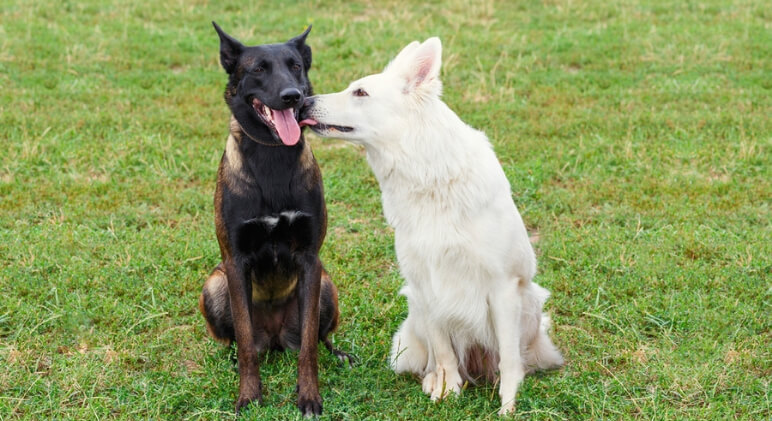
Why Dogs Lick Each Other’s Faces

When Face Licking Becomes a Concern

While face licking is normal, it can sometimes be excessive. Dogs may use it as a coping mechanism for stress or anxiety, especially in busy or noisy environments.

Watch for warning signs. If a dog licks constantly for several minutes without stopping, something may be wrong. Behavioral changes often appear alongside this habit. These may include restlessness or loss of appetite.

There are a few signs to keep in mind:

– Constant licking lasting more than 10 minutes

– One dog is avoiding the other repeatedly

– Redness or irritation around the face

– Sudden increase in licking behavior

Training can help reduce unwanted habits. Positive reinforcement works well in most cases. Redirecting the dog’s attention to toys or commands can break the pattern. Patience is key here.

How Owners Can Respond Properly

Owners should not panic when they see their pet licking its face. In most cases, it is harmless and natural. Observing the context helps you decide if action is needed. A calm approach works best.

If the behavior seems excessive, try to identify triggers. It could be boredom, stress, or lack of exercise. A dog that gets at least 30 minutes of daily activity is usually calmer. Mental stimulation also reduces repetitive actions.

Training sessions can improve behavior. Short sessions of 10 to 15 minutes are enough. Consistency matters more than duration. Reward good behavior and gently correct unwanted actions.

Consulting a professional may be helpful in some cases. Trainers and veterinarians can provide guidance based on specific situations. Every dog is different. There is no single solution.

Dogs use face licking as a natural way to communicate, bond, and express emotions within their social group. While it may seem unusual at first, understanding the reasons behind it helps owners respond more effectively and support their pets in a calm, informed way.


Prepare a Bone for Your Dog
Apr
Safe Ways to Prepare a Bone for Your Dog

Giving bones to dogs is a common practice, but it requires careful preparation to ensure safety. A raw or cooked bone can affect your dog’s health in different ways. Some bones are safe, while others can harm your dog if not handled correctly. Many owners are unsure about the safest method. Learning proper preparation helps reduce choking risks and supports safer experiences.

Choosing the Right Type of Bone

Not all bones are safe for dogs. Large raw bones are usually safer than cooked ones. Cooked bones can splinter and cause internal injuries or choking. Raw bones are softer and easier for dogs to chew, but supervision is still necessary to prevent problems.

Weight-bearing bones from large animals, such as beef, are often recommended. These bones are strong and less likely to break into sharp pieces. A bone that is too small can be swallowed, posing a choking hazard. Size matters a lot.

Some dogs prefer marrow bones. These are filled with nutrient-rich tissue. A bone around 6 to 8 inches is often suitable for medium-sized dogs. Always match the bone size to your dog’s mouth.

Age matters. Puppies should not get hard bones as their teeth are developing. Adults handle bones better but still need supervision.

Cleaning and Preparing the Bone Safely

Before giving your dog a bone, it must be properly cleaned. Raw bones should be rinsed under cold water. This removes surface dirt and bacteria. Clean handling reduces health risks.

Some owners prefer to lightly boil bones before use. This process helps remove fat and soften the outer layer. A detailed guide, like how to prepare a bone for a dog, explains safe preparation steps and timing to avoid making the bone too brittle or unsafe for chewing.

Boiling should be done carefully. Overcooking makes bones more fragile, increasing the risk of splintering. A splintered bone can cause mouth, throat, or internal injuries. Keep boiling time short and controlled to avoid these hazards.

Let the bone cool completely before serving. Hot bones can burn a dog’s mouth and make handling unsafe. Never rush this step.

Freezing raw bones can reduce bacterial growth and extend their shelf life. Many dogs enjoy the frozen texture.

Prepare a Bone for Your Dog

How to Serve the Bone to Your Dog

Always supervise your dog when it is chewing a bone. This is the most important rule. Dogs can break pieces off unexpectedly. Quick action can prevent choking.

Choose a calm environment. Avoid giving bones in crowded or noisy areas. Stress can make dogs chew too fast. A quiet space helps them focus.

Limit chewing to 15–30 minutes per session to prevent tooth wear. Remove the bone after each session.

Watch for problems such as coughing, gagging, or bleeding gums. Remove the bone immediately if these appear. Safety comes first.

Never leave bones overnight. Dogs may try to finish them too quickly. This increases the risk of injury. Controlled access is safer.

Common Mistakes to Avoid

A common mistake is giving cooked bones, which can break into sharp fragments and damage the stomach or intestines.

Choosing the wrong size is risky. Small bones can be swallowed and cause choking or blockages. Always pick a larger size.

Leaving a dog unsupervised with a bone is risky. Even well-trained dogs can have accidents. Stay close during chewing time.

Here are a few mistakes to avoid:

– Giving cooked or fried bones

– Leaving dogs unsupervised

– Choosing bones that are too small

– Allowing long chewing sessions without breaks

Each mistake increases risk. Awareness and simple care help prevent problems.

Benefits of Proper Bone Preparation

Properly prepared bones support dental health by helping remove plaque and reducing bad breath.

Bones provide mental stimulation and combat boredom, keeping dogs calmer and more focused.

Nutritional benefits exist, too. Marrow contains fats and nutrients. These support energy levels. However, moderation is important.

Strong chewing builds jaw muscles and satisfies dogs’ instincts. Proper preparation keeps it safe.

Take the time to carefully select, clean, and supervise your dog’s bones. Proper preparation not only brings your pet enjoyment and health benefits but also keeps them safe from preventable risks. Start applying these steps today and make bone-chewing a safer, more rewarding experience for your dog.

Seaweed and Cats
Apr
Seaweed and Cats: What Pet Owners Should Know

Many cat owners become curious when their pet shows interest in unusual foods, especially seaweed. This curiosity often leads to questions about safety, nutrition, and whether certain human foods are suitable for feline diets. Seaweed may seem harmless, but understanding the specific ways it can affect your cat’s health is important. By learning how a cat’s body reacts to seaweed, you can avoid dietary mistakes and keep your pet healthy.

Before diving into specific concerns, it’s helpful to address a common question: Is seaweed safe for cats?

Seaweed is not inherently toxic to cats, but that does not mean it is always safe in all forms. Small amounts of plain, dried seaweed may not harm many healthy cats, but flavored or processed seaweed products can contain salt, oils, or spices that are dangerous. Cats are obligate carnivores, so their bodies are not designed to process plant-heavy foods regularly. A single small bite is usually not a problem, but regular feeding is a different situation.

Some cats may show no reaction at all after eating a tiny piece of plain seaweed. Others might experience stomach upset, such as vomiting or diarrhea, especially if the seaweed is seasoned. Salt is one of the biggest risks because cats are very sensitive to sodium levels. Even a small salted seaweed snack can lead to dehydration or digestive stress.

Cats explore new foods out of curiosity, but this does not mean seaweed is needed in their diet. Cats require animal-based proteins, and seaweed does not offer essential nutrients for feline health.

Potential benefits and risks

Some types of seaweed contain minerals like iodine, but proven benefits for cats come mostly from controlled supplements, not casual snacks. Uncontrolled intake may cause mineral imbalances.

When looking more closely at risks, the biggest concerns are contamination and additives. Store-bought seaweed snacks often contain garlic powder, onion flavoring, or high levels of salt, all of which are harmful to cats, even in small doses. According to general veterinary guidance, a cat’s digestive system reacts poorly to sudden dietary changes, especially plant-heavy foods.

Can cats eat seaweed is a common question among pet owners trying to understand whether this ocean plant fits into a feline diet. Some pet care resources say plain, unseasoned seaweed is less risky than flavored products, but they still warn against making it a regular part of the diet. Cats depend on animal protein for survival, so plant-based snacks should remain occasional and minimal. Any introduction of new food should be done slowly and carefully.

Another risk involves choking or blockage. Dried seaweed sheets can become sticky or expand slightly when wet, which may create mild digestive discomfort in some cats. While serious blockages are rare, smaller breeds or kittens may be more prone to them. Monitoring behavior after accidental ingestion is always a good idea.

Seaweed and Cats

How much seaweed is appropriate for cats

If a cat eats a small amount of plain seaweed, it’s usually not a problem. The main factors are how much and how it was prepared. A few flakes are less concerning than a whole sheet or flavored snack. However, seaweed should never be a regular treat; cats need consistent meat-based protein.

Veterinarians recommend avoiding feeding seaweed unless prescribed as a supplement. When introducing new foods, do so in very small amounts and watch your cat for 24 hours. Signs of vomiting, lethargy, or stool changes should be taken seriously.

Here is a simple guide for understanding safe limits:

– Tiny accidental bite: usually harmless if plain

– Small controlled taste: only if unseasoned and rare

– Full snack portion: not recommended for cats

– Regular feeding: avoid completely due to dietary mismatch

Cats already get all the required nutrients from high-quality cat food. Extras like seaweed can upset their nutritional balance, especially in kittens and seniors.

Safer ways to serve seaweed, or alternatively, if owners want safe exposure to seaweed, use pet-specific supplements made for cats. These are measured to prevent excess iodine or salt. Always pick products intended for pets, not people.ood.

Cooking or seasoning seaweed for cats is not recommended. Even light seasoning can introduce harmful ingredients, such as salt or garlic powder. Cats do not benefit from a variety of flavors the way humans do, so keeping their diet simple is healthier and safer in the long run. Their digestive systems prefer consistency over experimentation.

Dry cat food already contains balanced minerals, vitamins, and proteins. Adding extras like seaweed is unnecessary unless a veterinarian has prescribed them for a specific condition. In some cases, vets may recommend controlled supplements, but this is always based on medical need rather than general nutrition.

Owners should also pay attention to curious behavior. Cats may try to steal seaweed snacks from tables or kitchen counters, especially if they smell fish or salt. Keeping such items stored safely reduces the risk of accidental ingestion. Prevention is always easier than treatment.

The safest choice is often to avoid giving cats seaweed as a treat. Even in small, plain amounts, seaweed lacks nutritional value for cats. A balanced, meat-based diet is best for long-term feline health and energy.

Seaweed can tempt cats, but even small amounts should be an exception, not the rule. The main point: Protect your cat’s long-term health by sticking to a simple, species-appropriate, protein-rich diet.

Ragamuffin vs Ragdoll
Apr
Ragamuffin vs Ragdoll: Understanding Two Gentle Giant Cat Breeds

Ragamuffin and Ragdoll cats look similar and share calm personalities. Both are known for affectionate behavior and soft, fluffy coats. Many people confuse them, but each is a distinct breed with its own history, traits, and personality. Knowing these differences helps owners choose the right companion.

Origins and Breed History

The Ragdoll breed was developed in the United States in the 1960s. It was created through selective breeding for a calm, affectionate temperament. The breed quickly became popular for its relaxed nature when held. Many people describe them as “floppy” cats because they go limp in your arms.

Ragamuffins came later as a variation of the Ragdoll line. Breeders wanted to expand the coat colors and patterns while retaining the breed’s gentle personality. Over time, they became recognized as a separate breed. They share a common foundation but have developed their own identity.

Both breeds are modern compared to ancient cats. Their development focused on temperament, making them people-oriented. They prefer human interaction over independence.

While their histories overlap, registries treat them as separate breeds. Standards differ slightly in appearance. These details matter in shows, but personality often matters more for pet owners.

Physical Appearance and Coat Differences

Both Ragamuffin and Ragdoll cats are large and muscular. They can weigh between 10 and 20 pounds, depending on gender and diet. Their bodies are soft and sturdy, giving them a plush appearance. They grow slowly and reach full size over several years.

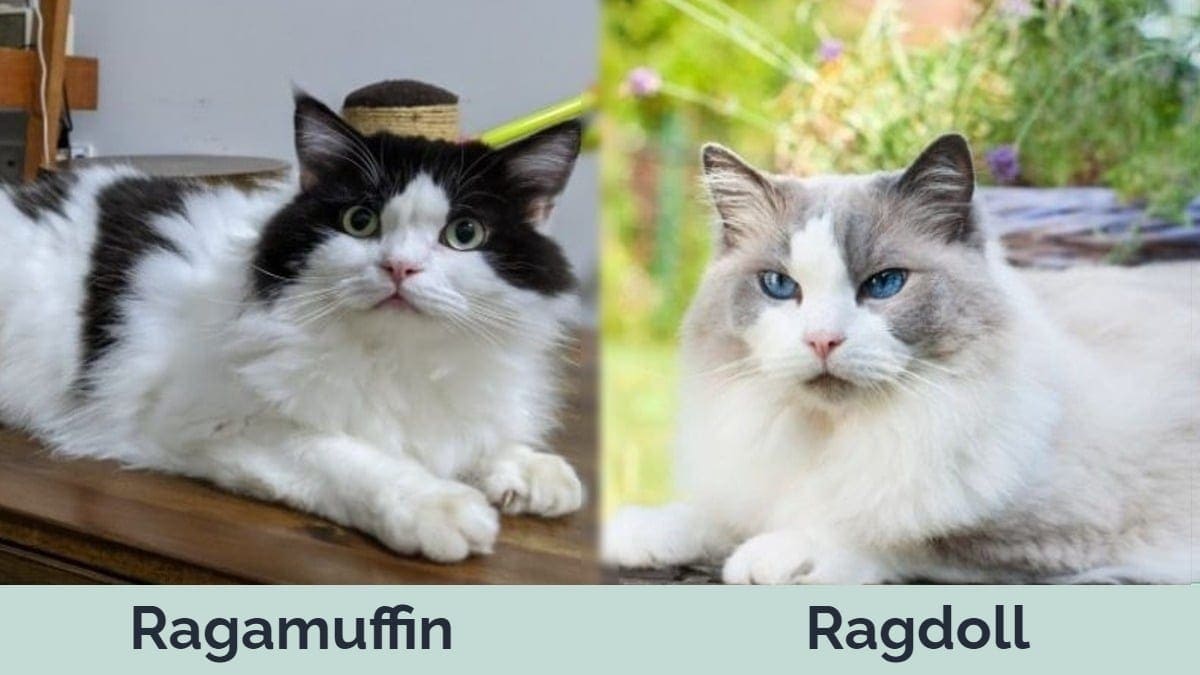
The Ragdoll has a more defined color-point pattern. This means darker colors appear on the face, ears, paws, and tail. Their eyes are always blue, which is a key breed trait. Their coat is silky and medium to long.

The Ragamuffin comes in many colors and patterns, including tabby, solid, or tortoiseshell. Their eyes can be green, gold, or blue. This makes them visually more diverse than Ragdolls.

Coat texture is slightly different, too. Ragamuffins often have a softer and denser coat. It feels more plush to the touch. Ragdolls have a smoother and silkier feel.

Both breeds need regular brushing to prevent tangles and mats. Weekly care is usually enough, with more frequent brushing during shedding.

For people researching breed comparisons like ragamuffin vs ragdoll, it becomes clear that appearance differences are subtle yet important when choosing between two affectionate, visually similar cat breeds with shared ancestry and gentle personalities.

Ragamuffin vs Ragdoll

Temperament and Personality Traits

Both breeds are calm and loving. They enjoy human companionship and often follow owners around. These cats prefer closeness over solitude and are social but not demanding.

Ragdolls are especially relaxed, often going limp when picked up. They are easy to handle and gentle with children.

Ragamuffins are affectionate and sometimes a bit more playful. They enjoy interactive toys and games and can be more expressive, but remain calm overall.

Neither breed is aggressive by nature. They rarely show defensive behavior unless frightened. This makes them suitable for families and indoor living. Their gentle temperament is a key reason for their popularity.

They also get along well with other pets. Dogs and cats can coexist peacefully with a proper introduction. These breeds prefer harmony in the home. Conflict is usually minimal.

One underappreciated trait is emotional sensitivity. These cats can pick up on their owner’s mood. They often respond with comfort behaviors. This makes them very bonded pets.

Care Needs and Daily Maintenance

Both breeds need regular grooming for healthy coats. Brushing several times a week helps prevent tangles and reduce shedding.

Their large size requires balanced nutrition. Overfeeding leads to weight gain, so controlled portions maintain health.

Exercise is important, even for calm cats. Play a little each day with wand toys or soft balls.

Regular veterinary care helps catch issues early. Both breeds are prone to heart conditions, so ongoing monitoring matters.

Indoor living is strongly recommended. These trusting cats are not street-smart. Indoors is safer and extends their lifespan.

Which Breed Is Right for You

Choosing between Ragamuffin and Ragdoll is a personal decision. Both are affectionate, calm, and family-friendly. Appearance and subtle personality differences help decide. Either makes a loving companion.

If you prefer blue eyes and color-point patterns, the Ragdoll may appeal more to you. If you like variety in coat colors and a slightly playful personality, the Ragamuffin might be a better fit. Both breeds adapt well to home life. They thrive in peaceful environments.

Space is not a major issue for either breed. They do not require large outdoor areas. A comfortable indoor setting is enough. Attention from humans matters more than the environment’s size.

Time commitment is moderate. They enjoy interaction but are not demanding. Daily care keeps them happy, and they love their owners in return.

Both cat breeds make excellent companions for families, singles, or seniors. Their gentle nature suits many lifestyles. They form strong bonds with humans—something they take great pride in.

Final Thoughts on Ragamuffin and Ragdoll Cats

Ragamuffin and Ragdoll cats share history and temperament but have distinct traits. Differences in appearance and personality are subtle but meaningful. Both are affectionate and calm. Either can bring warmth and comfort to a home.

Understanding their traits helps you make better choices. Both offer loyalty, softness, and connection—ideal for anyone seeking a gentle pet. These breeds represent the best calm, loving feline companionship.

Normal Breathing Rate in Cats
Apr
Understanding Normal Breathing Rate in Cats

A cat’s breathing rate is a key signal of its health. Learning what is normal allows you to spot early warning signs of illness or stress. Even minor changes can matter, so understanding this topic enables a prompt response when needed.

What Is a Normal Breathing Rate for Cats

A healthy resting cat usually takes between 20 and 30 breaths per minute. This is measured when the cat is calm or sleeping. Breathing should be quiet and steady. Any variation outside this range may need attention.

Some cats may naturally breathe slightly faster or slower. Age, size, and breed can all influence breathing speed. Kittens often breathe a little faster than adult cats. Larger cats may appear to move more slowly.

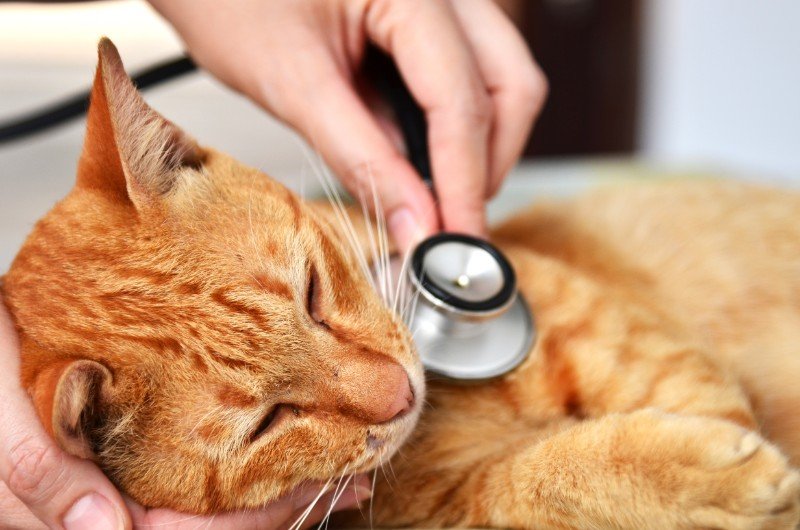
To measure breathing correctly, watch the chest rise and fall. One rise and fall equals one breath. Count for a full minute when the cat is resting. Avoid measuring after play or excitement.

Many owners become concerned when they first notice changes in breathing rhythm. Reliable veterinary guidance, such as how many breaths a cat should take per minute, explains that normal respiration should remain within a steady range and that consistent increases may require closer observation or medical evaluation.

Normal breathing should not involve effort. The belly should not move excessively. The cat should look relaxed. Anything different may signal a problem.

What Affects a Cat’s Breathing Rate

Many factors can temporarily change a cat’s breathing. Physical activity is one of the most common reasons. After running or playing, breathing increases. This is normal and should return to resting levels quickly.

Stress and anxiety also affect breathing. A visit to the vet or a loud environment can cause an increased breathing rate. Cats are sensitive animals. Emotional stress often shows physically.

Temperature plays a role as well. In hot weather, cats may breathe slightly faster to cool down. However, excessive panting is not normal. It should be monitored carefully.

Health conditions can also influence breathing. Fever, pain, or respiratory infections may increase the rate. These changes usually last longer than normal fluctuations. That is a key difference.

Even body position matters. A cat lying on its side may breathe differently from one sitting upright. Position changes are usually harmless. Still, abnormal breathing should be closely monitored for consistency.

Normal Breathing Rate in Cats

How to Check Your Cat’s Breathing at Home

Properly checking a cat’s breathing requires patience and the right timing. The best results come when your cat is relaxed or sleeping, so avoid disturbing them while measuring.

Watch the chest or abdomen carefully. Each rise and fall counts as one breath. Use a timer for one full minute. This ensures accuracy.

Some cats do not stay still easily. In such cases, observe them while resting nearby. Do not force interaction. Quiet observation works best.

Consistent monitoring gives a clearer picture of your cat’s breathing. One measurement isn’t always enough—compare several readings over time to identify patterns.

Keep notes if you notice changes. This can help your vet if needed. Small details, like the time of day or activity level, matter. They provide useful context.

When Breathing Changes Become a Concern

Not all changes in breathing indicate serious issues, but some require action. A resting rate above 30 to 40 breaths per minute, especially if persistent, could signal a problem.

Labored breathing should be considered a warning sign. If your cat seems to struggle, breathe with its mouth open, or breathe excessively through its stomach, prompt attention is needed. These are not normal signs.

Other symptoms, such as coughing, lethargy, or loss of appetite, can accompany breathing changes. When multiple signs appear together, it often suggests illness. Quick action is important.

Breathing changes after an injury require prompt attention. Trauma may not look serious, but it can affect internal organs requiring urgent veterinary care.

Ongoing changes in breathing should be evaluated by a vet. Even mild, persistent differences can indicate chronic health issues needing early intervention.

Helping Your Cat Maintain Healthy Breathing

Supporting your cat’s general health is key to normal breathing. Regular veterinary visits help catch problems early and prevent possible risks.

A calm, stable environment benefits your cat’s breathing. Cats thrive in peaceful spaces with predictable routines; stress can disrupt their normal rate.

Proper weight management supports respiratory health. Overweight cats may breathe faster due to pressure on the lungs. A balanced diet and gentle exercise help maintain fitness. This improves overall comfort.

Clean, fresh living conditions are important for respiratory health. Dust and smoke irritate, while clean air reduces risk and improves comfort.

Knowing your cat’s normal breathing rate helps detect changes early. Steady monitoring supports better health outcomes and improves your cat’s comfort.