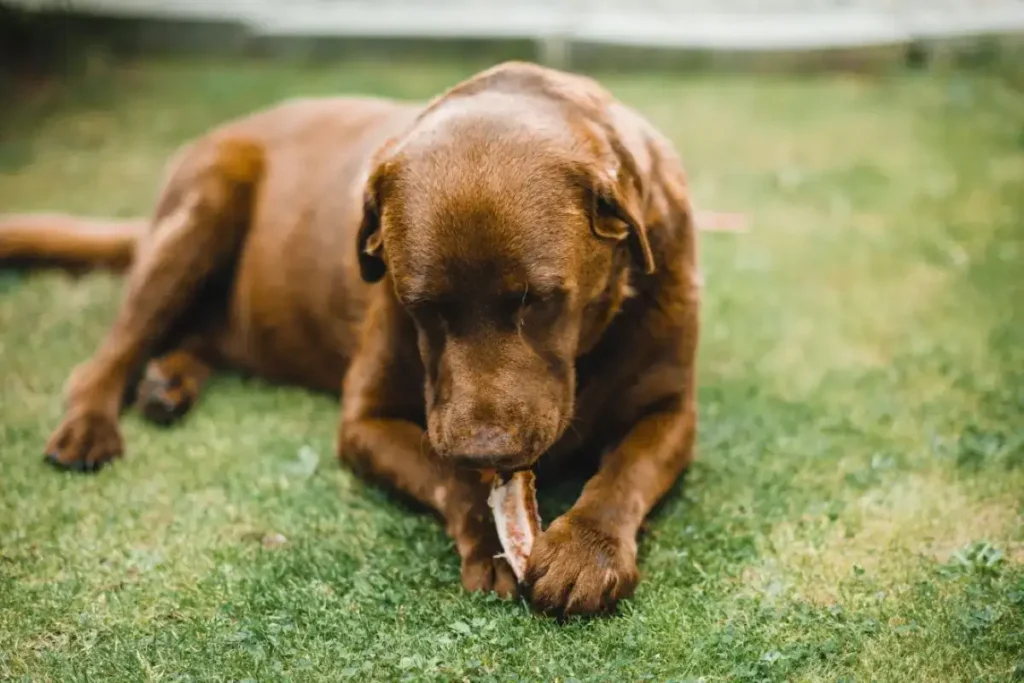
Safe Ways to Prepare a Bone for Your Dog
Giving bones to dogs is a common practice, but it requires careful preparation to ensure safety. A raw or cooked bone can affect your dog’s health in different ways. Some bones are safe, while others can harm your dog if not handled correctly. Many owners are unsure about the safest method. Learning proper preparation helps reduce choking risks and supports safer experiences.
Choosing the Right Type of Bone
Not all bones are safe for dogs. Large raw bones are usually safer than cooked ones. Cooked bones can splinter and cause internal injuries or choking. Raw bones are softer and easier for dogs to chew, but supervision is still necessary to prevent problems.
Weight-bearing bones from large animals, such as beef, are often recommended. These bones are strong and less likely to break into sharp pieces. A bone that is too small can be swallowed, posing a choking hazard. Size matters a lot.
Some dogs prefer marrow bones. These are filled with nutrient-rich tissue. A bone around 6 to 8 inches is often suitable for medium-sized dogs. Always match the bone size to your dog’s mouth.
Age matters. Puppies should not get hard bones as their teeth are developing. Adults handle bones better but still need supervision.
Cleaning and Preparing the Bone Safely
Before giving your dog a bone, it must be properly cleaned. Raw bones should be rinsed under cold water. This removes surface dirt and bacteria. Clean handling reduces health risks.
Some owners prefer to lightly boil bones before use. This process helps remove fat and soften the outer layer. A detailed guide, like how to prepare a bone for a dog, explains safe preparation steps and timing to avoid making the bone too brittle or unsafe for chewing.
Boiling should be done carefully. Overcooking makes bones more fragile, increasing the risk of splintering. A splintered bone can cause mouth, throat, or internal injuries. Keep boiling time short and controlled to avoid these hazards.
Let the bone cool completely before serving. Hot bones can burn a dog’s mouth and make handling unsafe. Never rush this step.
Freezing raw bones can reduce bacterial growth and extend their shelf life. Many dogs enjoy the frozen texture.
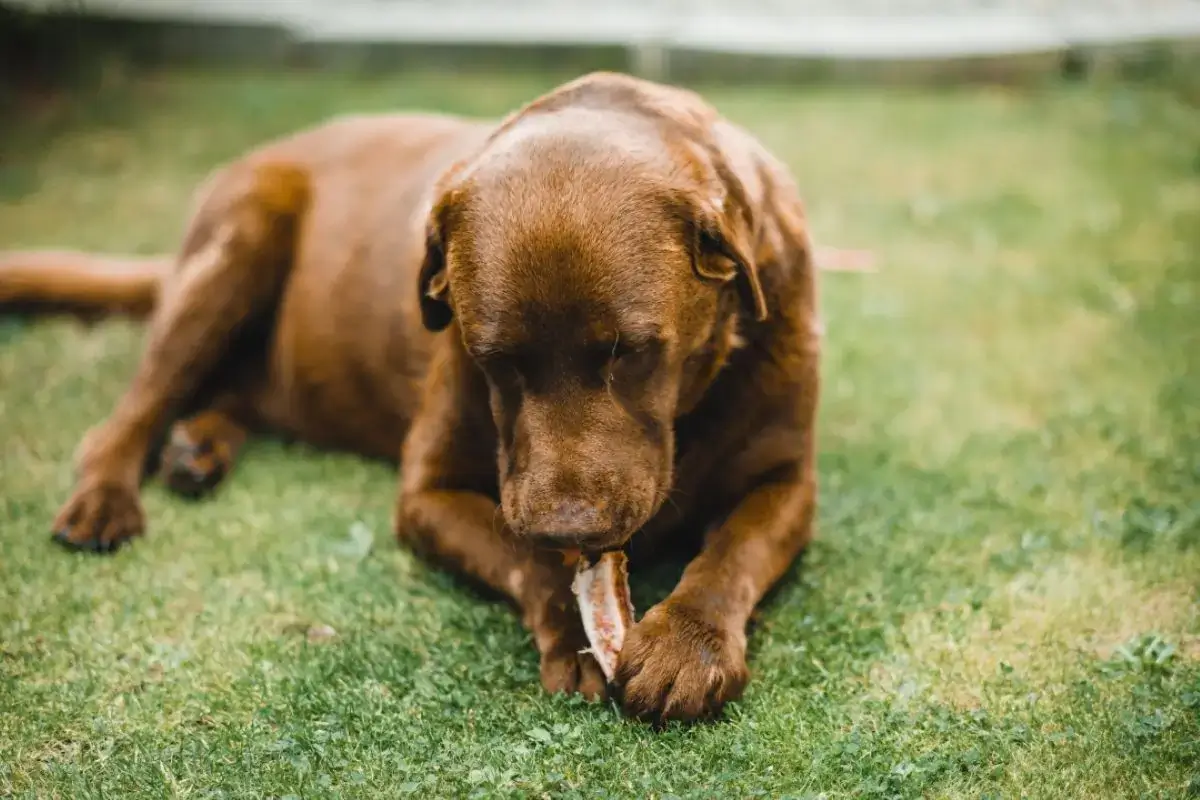
How to Serve the Bone to Your Dog
Always supervise your dog when it is chewing a bone. This is the most important rule. Dogs can break pieces off unexpectedly. Quick action can prevent choking.
Choose a calm environment. Avoid giving bones in crowded or noisy areas. Stress can make dogs chew too fast. A quiet space helps them focus.
Limit chewing to 15–30 minutes per session to prevent tooth wear. Remove the bone after each session.
Watch for problems such as coughing, gagging, or bleeding gums. Remove the bone immediately if these appear. Safety comes first.
Never leave bones overnight. Dogs may try to finish them too quickly. This increases the risk of injury. Controlled access is safer.
Common Mistakes to Avoid
A common mistake is giving cooked bones, which can break into sharp fragments and damage the stomach or intestines.
Choosing the wrong size is risky. Small bones can be swallowed and cause choking or blockages. Always pick a larger size.
Leaving a dog unsupervised with a bone is risky. Even well-trained dogs can have accidents. Stay close during chewing time.
Here are a few mistakes to avoid:
– Giving cooked or fried bones
– Leaving dogs unsupervised
– Choosing bones that are too small
– Allowing long chewing sessions without breaks
Each mistake increases risk. Awareness and simple care help prevent problems.
Benefits of Proper Bone Preparation
Properly prepared bones support dental health by helping remove plaque and reducing bad breath.
Bones provide mental stimulation and combat boredom, keeping dogs calmer and more focused.
Nutritional benefits exist, too. Marrow contains fats and nutrients. These support energy levels. However, moderation is important.
Strong chewing builds jaw muscles and satisfies dogs’ instincts. Proper preparation keeps it safe.
Take the time to carefully select, clean, and supervise your dog’s bones. Proper preparation not only brings your pet enjoyment and health benefits but also keeps them safe from preventable risks. Start applying these steps today and make bone-chewing a safer, more rewarding experience for your dog.