Mackerel Tabby Cats
Apr
Mackerel Tabby Cats and the Pattern I Keep Seeing in Daily Grooming Work

As a mobile cat groomer, I regularly work with cats of all patterns, but the mackerel tabby stands out for how the stripe pattern affects daily grooming. While the pattern is easy to spot, it consistently reveals important details about coat condition and grooming needs. Through countless sessions in varied environments, I’ve seen how the stripes tell a story of a cat’s care, and understanding this has become central to my approach.

What a mackerel tabby really looks like in real life

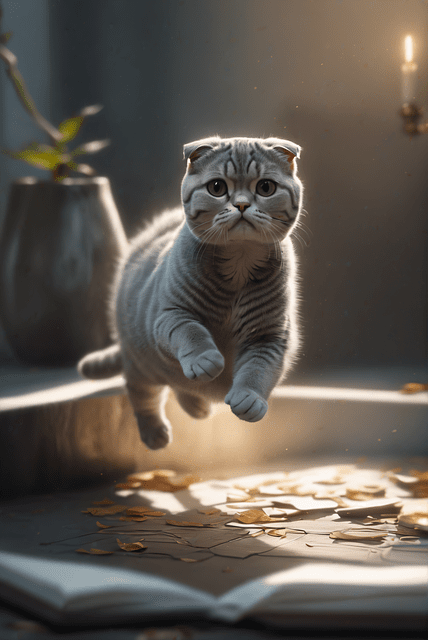
A mackerel tabby is the kind of cat most people picture when they think of “striped cat,” even if they do not know the name. The stripes run in narrow lines down the sides, usually forming a vertical pattern rather than broad swirls. I first started paying attention to this pattern during a busy spring week when I groomed eight cats in two days, and five of them turned out to be mackerel tabbies with slightly different stripe spacing and coat density.

The name “mackerel” refers to the fish’s striped pattern. I find the label descriptive, as these stripes often align with variations in coat thickness along the ribs and back. For example, a slim gray mackerel tabby sheds in distinct tufts along each stripe line, making brushing feel like following a map.

What consistently stands out is that, despite their commonness, mackerel tabbies each have a distinctive way their stripes impact visibility and coat care. Recognizing this allows me to adapt my approach, ensuring the best grooming outcome for each cat.

How coat patterns affect grooming habits and shedding

In my grooming van, mackerel tabbies don’t get different tools because of their pattern, but I notice their coats act in familiar ways. Most have short to medium hair that lies close to the body, leading to less dramatic but steady shedding. For instance, one young mackerel tabby looked clean, but a quick brush revealed a large amount of loose undercoat. Key takeaway: While the pattern does not change my tools, it does signal typical coat behaviors and potential challenges.

When I need to look up coat behavior charts or compare grooming tools for different tabby types, I sometimes check mackerel tabby for general grooming resources and product breakdowns that help me decide what to carry in my mobile kit. I don’t rely on any single source for decision-making, but having reference material while working in different neighborhoods helps me maintain consistency in my approach. I’ve learned over time that preparation matters more than theory when you are standing in someone’s kitchen with a nervous cat on a towel-covered counter.

Mackerel tabbies often show dirt and oils along their stripes, especially at the neck and tail base, due to the contrast between dark and light fur. Sometimes, darker stripes collect more dander, creating a patchy look that regular deshedding sessions can quickly resolve.
Mackerel Tabby Cats

Temperament patterns I notice in striped cats

People often assume coat patterns predict personality, and I’ve heard everything from “striped cats are more active” to “tabbies are always friendly.” In my experience, that is not reliable, but I do see subtle trends tied more to environment than genetics. A mackerel tabby I groomed regularly for over a year would alternate between calm sessions and sudden bursts of energy, usually depending on how noisy the household was that day.

Some of the most cooperative cats I’ve worked with have been mackerel tabbies, but I’ve also handled a few that treated every grooming tool as a personal challenge. The variation is wide enough that I never assume behavior based on coat alone. What I do notice is that cats with consistent grooming histories tend to settle faster, regardless of stripe pattern or breed background.

One household I visited every month had two mackerel tabbies with completely opposite temperaments. One would sit still the entire time, like it had accepted the process as routine, while the other needed frequent breaks and gentle repositioning. Over time, both improved simply because repetition made the experience predictable rather than stressful.

Why mackerel tabbies are easier to overlook than they should be

Mackerel tabbies are extremely common, but their patterns vary widely—a fact many overlook. Owners may assume their cat is “just a brown tabby,” not recognizing the distinct striping. In grooming, I’ve learned that while mackerel tabbies are common, their care requires attention; routine maintenance is crucial for coat health, yet owners often wait until shedding becomes an issue. Key takeaway: Recognize the unique patterns and variations, and prioritize regular grooming to maintain coat health.

There are days when I groom five cats back to back, and three of them turn out to be some form of mackerel tabby. On those days, I pay closer attention to coat texture shifts between individuals, because even slight differences in undercoat density can change how long a grooming session takes. I remember one afternoon when two similar-looking tabbies needed completely different brushing approaches just to avoid irritation on sensitive skin areas.

The pattern itself does not change the grooming tools I use, but it does help me anticipate coat flow along the body. I usually work in long, steady passes from neck to tail, adjusting pressure as the fur responds rather than how the cat looks at first glance. That approach has saved me time and kept cats calmer, especially in homes where the environment is already unfamiliar to them.

Key takeaways: Consistent care shapes a mackerel tabby coat over time; neglected coats become uneven but can recover with maintenance; and pattern visibility depends on regular grooming and the cat’s comfort in its environment.


Can Cats Have Apple Juice
Apr
Can Cats Have Apple Juice in Real-Life Feeding Situations I’ve Seen

I work as a mobile cat groomer, and over the years, I’ve been in plenty of homes where pet nutrition questions come up while I’m trimming nails or brushing out mats. One question I hear more often than people expect is whether cats can have apple juice, usually asked casually while someone is pouring themselves a glass in the kitchen.

I’ve learned that these moments matter because owners are trying to be kind without always knowing what fits a cat’s system. I’ve had these conversations in quiet living rooms, busy apartments, and even during late evening appointments when cats are finally calm enough to sit still.

What does apple juice mean for a cat’s body

From what I’ve seen in daily grooming visits and owner discussions, cats don’t process sugary fruit drinks the same way humans do. Apple juice is mostly water and sugar, but that sugar load can be harder on a cat’s digestive system than most people realize. A customer last spring offered a tiny sip to her curious tabby after the cat kept sniffing her glass, and the cat later that evening experienced mild but noticeable digestive upset.

Cats are obligate carnivores, which means their bodies are built around protein and fat, not fruit-based sugars. Even small amounts of apple juice can introduce unnecessary glucose that doesn’t serve any nutritional purpose for them. I’ve seen cats become slightly lethargic or show loose stools after tasting human drinks they weren’t used to, especially when those drinks were sweetened or concentrated.

In my experience, plain water is always the safest option, and most cats naturally stick to it once they are not tempted by what their owners are drinking. I’ve watched many cats sniff around juice glasses with curiosity, but lose interest quickly if they are consistently offered fresh water in a clean bowl. That simple habit tends to prevent a lot of unnecessary digestive confusion over time.

What I tell owners during grooming visits

I usually explain things in simple terms while I’m working because people are more receptive when their cat is relaxed on the table. I tell them that apple juice is not toxic in the strict sense for most healthy cats, but it still does not belong in their routine diet. A customer last summer had been giving her indoor cat occasional licks from her glass, thinking it was harmless, until I explained how even small sugar exposures can build up digestive sensitivity over time.

When I need to check feeding guidelines or compare safe treat options for cats during client visits, I sometimes refer to ” Can cats have apple juice as a general reference point while explaining common pet-safe practices to owners. I don’t rely on any single source for nutrition advice, but having structured information helps me stay consistent when I’m answering questions in different homes. These conversations usually lead to practical changes, like switching to cat-safe treats instead of human leftovers.

One thing I’ve noticed is that owners often underestimate how quickly cats learn patterns around human food. If a cat is repeatedly given even tiny tastes of juice, it starts associating glasses and bottles with rewards, leading to more begging at the wrong times. I’ve seen that cycle a few times, and it usually takes a week or two of consistency to break once it starts.

Signs I watch for after accidental exposure

Most cats that try apple juice by accident don’t show severe reactions, but I still pay attention to small behavioral changes when I hear about it during appointments. Mild stomach upset is the most common response and usually presents as softer stool or a reduced appetite for a short period. A customer last fall mentioned her kitten seemed slightly off after licking juice from a dropped glass, but the issue resolved within a day once normal feeding resumed.

Hydration becomes the main focus after any sugary exposure, and I always recommend making sure the cat has constant access to clean water. In my grooming van, I’ve seen cats recover quickly from minor dietary mistakes simply because they stayed hydrated and kept their routine stable. Most of the time, their systems reset without any intervention beyond normal care.

There are rare cases when a cat may show more noticeable discomfort, such as vomiting or persistent diarrhea, and those situations should be treated more seriously. I’ve only seen that a few times in years of work, usually in cats that had multiple unfamiliar foods at once rather than just a sip of juice. In those cases, owners later adjusted feeding habits more carefully.

Can Cats Have Apple Juice

How I guide safer habits around human drinks

In most homes I visit regularly, the real solution isn’t just about apple juice, it’s about reducing access to all human beverages. Cats are naturally curious, and I’ve watched them inspect everything from coffee mugs to fruit juices within seconds of being left unattended. A consistent habit of keeping drinks covered or out of reach prevents most of the accidental exposure issues I see.

Over time, I’ve noticed that cats adapt quickly when owners stop reinforcing curiosity around human drinks. If there is no reward or taste experience, the interest fades faster than most people expect. I’ve had clients report that within a week of changing habits, their cats stopped jumping on tables during drink time altogether.

The biggest shift usually comes from owners realizing that small indulgences add up in behavior patterns, not just nutrition. A sip here or there might seem harmless in the moment, but cats build associations quickly, and those associations shape how they interact with food and drink spaces in the home. I’ve seen calmer, more predictable behavior in households that keep a clear separation between human beings and pet routines.

Apple juice itself is not something I would include in a cat’s diet based on everything I’ve observed in the field. The better approach I’ve seen work consistently is simple consistency, clean water, and clear boundaries around what belongs to the cat and what stays on the human side of the table. That structure tends to keep both digestion and behavior in a much more stable place over time.

Can You Safely Feed Cats Salmon Skin
Apr
Can You Safely Feed Cats Salmon Skin? A Guide

I run a small home-based cat boarding setup, and feeding questions come up almost every week. One of the most common ones is about human food, especially fish scraps. Salmon skin is something I see often because owners assume it is healthy, but I have learned to be careful about when and how it is offered.

Why Cats Are Drawn to Salmon Skin

Cats are naturally attracted to fish, and salmon have a strong smell that attracts them quickly. I have had cats ignore premium food but run to the kitchen the moment they smell cooked salmon. The skin, in particular, is rich in flavor and fat, making it even more appealing.

In my experience, about 7 out of 10 cats I board will show interest in salmon skin. Cats tend to chase taste over nutrition, so I never assume interest equals safety.

There is also a texture factor. Crispy skin can feel like a treat, especially for cats that enjoy chewing. However, the same texture can cause issues if not prepared properly.

When Salmon Skin Can Be Okay

I allow salmon skin in small amounts only after checking for safety risks. The skin must be plain, fully cooked, and free from oils, spices, or seasoning. Even then, I give it rarely and remind owners it’s never a regular food, always an occasional snack.

When owners ask for a second opinion or want a simple breakdown of safe portions and preparation, I sometimes suggest they read “Can cats eat salmon skin,” as it aligns with what I have seen in real feeding situations.

Portion size matters more than people expect. A piece about the size of a thumb is usually enough for an average adult cat. Anything more can be too rich, especially for cats not used to fatty foods.

I had an indoor cat handle a small piece fine, but moderation and safe preparation made the difference. Without these, even a harmless treat can become a risk.

Risks I Have Seen Firsthand

Not every experience with salmon skin goes smoothly. I remember a case where a cat was given a larger piece from a fried meal, and within hours, it became lethargic and refused food. The oil and seasoning were likely the cause, not just the skin itself.

Fat is the main concern with salmon skin. Too much fat often upsets a cat’s stomach. I have seen cases of vomiting after cats ate greasy scraps—richness is as important as preparation.

There is also the risk of bones or tough bits attached to the skin. Small bone fragments or tough pieces can cause choking or irritation in the mouth or throat. I always check carefully before offering anything like this to reduce this risk.

Some cats have sensitive digestion. For these cats, even a small amount of salmon skin, especially if fatty or seasoned, can cause loose stool or discomfort. I tend to avoid salmon skin entirely for those cats, especially if I have already seen signs of food sensitivity.

Can You Safely Feed Cats Salmon Skin

How I Decide Whether to Offer It

I do not give salmon skin to every cat. My decision depends on age, health, and feeding history. Younger, active cats with no digestive issues seem to handle it better, in my experience.

Older cats are different. After around 10 years, I started to avoid fatty treats more often. Their digestion is less forgiving, so I prefer to keep things simple and predictable.

If a cat has a history of bad reactions to new foods, I skip salmon skin entirely. Safety always outweighs curiosity or variety.

Frequency matters. Even if a cat tolerates salmon skin, I limit it to once every couple of weeks at most, stressing that frequent rich scraps cause more harm than good.

Better Alternatives I Usually Recommend

Over time, I have found safer options that still satisfy a cat’s interest in fish. Plain cooked salmon without skin is one of them. It has less fat and is easier to portion.

Commercial treats designed for cats are another option. They are balanced and tested, which removes much of the guesswork. I use these more often in my boarding setup because consistency matters when managing multiple cats.

If someone really wants to offer a natural treat, I suggest sticking to small, clean portions of cooked fish with no extras. This keeps the experience simple and reduces risk.

I still understand the appeal. Giving a cat a piece of what you are eating feels natural. But I have seen enough small issues turn into bigger ones to stay cautious.

Salmon skin is not off-limits in every case, but I don’t treat it casually. I watch the cat, the portion, and the preparation closely. That approach has saved me from more than a few avoidable problems.

Most cats will eat salmon skin eagerly, but just because they like it does not mean it’s safe without strict limits and safety steps.

Ashera Cat
Apr
My Experience Handling Questions About the Ashera Cat

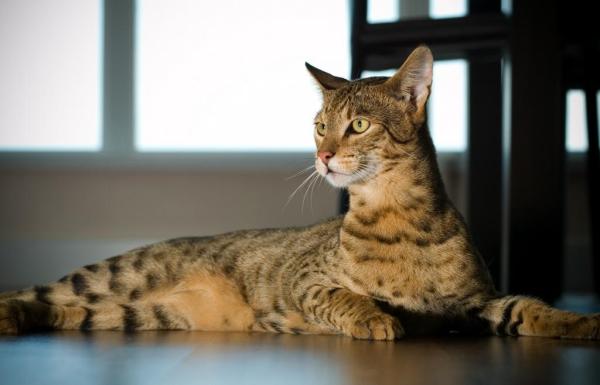
I run a small in-home cat boarding service and have worked with hundreds of cats, from street rescues to rare imported breeds. The Ashera cat often comes up in conversation, mixing curiosity and confusion. The first time a client mentioned it, asking if I had space for a cat said to be part wild and part domestic, I dug deeper to learn what the Ashera really is and what people believe about it.

What People Think the Ashera Cat Is

Most clients who mention the Ashera describe it as a luxury breed, rare and exotic, priced higher than almost any other cat. I have heard numbers like twenty thousand dollars, sometimes even more, depending on the source and the story behind the animal. The idea is that it is a hybrid, often said to mix domestic cats with wild species like servals or Asian leopard cats. That alone is enough to get people excited, especially those who want a cat that feels unique.

Many owners expect these cats to act like a mix of house pet and small wild animal. Some believe they’ll be smarter or more loyal than other breeds. Others want a striking cat—bold spots, long legs, and a bigger frame. In reality, expectations often outpace what these cats deliver at home.

There is a lot of marketing behind the name. I have had at least five clients ask me to confirm whether their cat was truly an Ashera, and every time, I had to explain that verifying such a claim is not straightforward. Many of those cats looked very similar to Savannah cats, which are a recognized hybrid breed with a clearer history and breeding record.

What I Have Actually Seen in Real Homes

I haven’t handled a confirmed Ashera, but I’ve boarded several high-generation Savannah cats, sometimes described as close relatives or the same under a new name. Their behavior is revealing: these cats are active. They climb, open cabinets, and need more stimulation than typical indoor cats.

One owner I worked with last summer insisted her cat came from a rare line and sent me to a breeder page similar to the Ashera Cat page to better understand the lineage claims. I spent some time reviewing those materials and comparing them with what I saw in her cat day to day. The animal behaved like a typical high-energy hybrid, not like something entirely separate or mysterious.

These cats bond strongly with owners but are not always cuddly or calm. I had one that paced for an hour before settling, unlike most calmer breeds. They are striking but not low-maintenance.

Ashera Cat

The Controversy Around the Ashera Name

The Ashera cat has been the subject of debate for years, and I have had to explain this to clients more times than I can count. Some sources claim it is a distinct breed, while others argue it is essentially a rebranded Savannah cat sold at a higher price point. That confusion creates unrealistic expectations for buyers who think they are getting something entirely new.

I once had a client who paid a very high amount for what she believed was an Ashera, only to later learn from a vet that the cat’s traits matched a standard Savannah profile. That was a tough conversation. She was not upset with the cat, but she felt misled about what she had purchased.

From my perspective, the label matters less than the cat’s actual care needs. These animals require space, enrichment, and a patient owner who understands hybrid behavior. Whether someone calls it an Ashera or a Savannah does not change how the cat climbs curtains or demands attention at odd hours.

Living With a Cat Like This

Daily life with a large hybrid-style cat is different from living with a typical house cat. I always tell clients to prepare for more interaction, more supervision, and a bit more chaos. One cat I boarded knocked over a tall plant stand within the first two hours of arrival. That kind of energy is common.

They need structure. I usually recommend at least two dedicated play sessions per day, each around 15 minutes, to burn off energy and reduce destructive behavior. Without that outlet, they will create their own activities, which often involve your furniture.

These cats also tend to be more curious about water, doors, and high spaces. I have seen someone open a sliding door by repeatedly jumping and pushing at the handle. That level of persistence can be charming, but it can also become exhausting if the home is not set up properly.

Is the Ashera Worth the Hype

In my experience, the hype around the Ashera often overshadows the reality of living with a high-energy hybrid cat. People focus on price and rarity, but they often do not consider the daily commitment required. These cats are not ornaments. They demand attention and engagement.

Some owners love the experience and wouldn’t trade it for anything. Others feel overwhelmed within months. Preparation and expectations, not the cat, usually make the difference.

If someone is drawn to the look and personality, I usually suggest they spend time with a Savannah cat first. That gives a realistic sense of what life will be like. It is better to understand the behavior up front than to rely on marketing claims or online descriptions. I still remember that first conversation about the Ashera. It sounded almost mythical at the time. After years of working with similar cats, I see it less as a mystery and more as a reminder that names can shape expectations more than reality ever will.

For anyone considering a cat like this, it is important to focus on the real-life care, energy, and commitment involved, rather than being swayed by marketing or names. In the end, understanding what these cats really need is what matters most, both for the owner and the animal.

Lion Cat Breed
Apr
What I Tell Clients About the So-Called Lion Cat Breed

I run a mobile cat grooming van and spend most of my days driving between homes, working with cats in their own space where they feel less stressed. Over the years, I have heard the phrase “lion cat breed” more times than I can count. Clients usually say it while pointing at a fluffy cat with a dramatic haircut or a breed with a heavy mane. That confusion is understandable because the term sounds like a real breed name, but in most cases, it is not.

Where the “Lion Cat” Idea Comes From

The first time someone asked if I groomed lion cats, I thought they meant a breed, but soon realized most meant a look—cats like Maine Coons, Persians, or long-haired mixes with thick fur around the neck that give a lion-like appearance.

I have worked on cats weighing anywhere from 4 kilos to over 9 kilos that people proudly called their “lion cat.” The reality is that size and fur density vary widely across breeds and even within individual cats. Some develop a full ruff around the neck, while others just have a slightly thicker collar of fur. The name sticks because it is easy to remember.

Social media images make dramatic coats seem like a special category. Clients often show me photos and ask if their cat can get that look. Sometimes yes, sometimes no.

The Lion Cut Versus a Lion Breed

Most of the time, what people are really talking about is the lion cut, which is a grooming style rather than a breed. I perform this cut several times a week, especially during warmer months when long-haired cats struggle with heat or matting. It involves shaving the body, leaving fur around the head, chest, and, sometimes, the tail tip. The result looks very close to a miniature lion.

One client wanted a transformation from an online tutorial, but I adjusted based on her cat’s coat and comfort. The final look had a lion effect, done in two shorter sessions.

Not every cat is a good candidate for this cut. Some cats become anxious around clippers, while others have more sensitive skin after shaving. I always assess the coat first, checking for hidden mats or irritation before starting. Safety comes first. The style comes second.

Lion Cat Breed

Breeds That Naturally Look Like Lions

If someone insists on a “lion-like” cat without grooming, I usually point them toward a few specific breeds rather than styles. Maine Coons are the most common example I see in my van. They often have a thick mane that frames the face, especially in winter, and their large size adds to the effect.

Persians also look “lion-like,” with very dense fur that sometimes fills a small bag after grooming. It’s a lot of fur.

There are also less common breeds like the Norwegian Forest Cat, which can develop a very distinct ruff. These cats tend to have a layered coat that changes with the seasons, so the lion-like appearance can come and go. I have seen one look completely different within a three-month period.

What Living With a “Lion Cat” Is Really Like

Living with a long-haired cat brings extra responsibility. I tell new owners they must groom regularly—either on their own or with my help. Brushing at least three times a week helps prevent tangles in thick coats.

Mats are a real issue. I have removed tight mats that formed after just a few weeks of neglect. Once mats tighten, they’re uncomfortable, even if the cat hides it.

Shedding is also an issue. Some clients joke they vacuum twice a day and still find hair everywhere, which is often the reality.

Why the Name Sticks Around

The phrase “lion cat breed” continues to circulate because it is simple and descriptive. It captures attention quickly, especially for people new to cats or browsing online. I do not correct clients harshly when they use it. Instead, I explain what they are likely seeing and how it connects to real breeds or grooming styles.

Calling a cat a lion adds excitement and makes the animal seem special, even if it spends most of the day on the sofa. I see owners light up when their cat gets a lion cut. It creates a moment.

I always bring the conversation back to care. Genetics or grooming can create the look, but daily reality matters more than the name. Cats with thick coats need attention, patience, and planning.

When someone says they have a lion cat, I know what they mean—a house cat with a big personality and a lot of fur, which is often more interesting than the name.

Ragdoll vs Siamese Cats
Apr
Ragdoll vs Siamese Cats From My Grooming Table

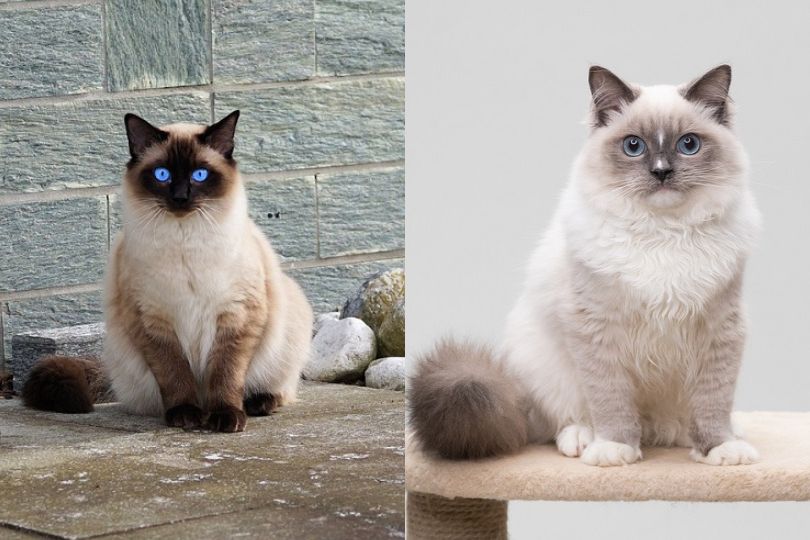
I work as a mobile cat groomer, driving a converted van across suburban neighborhoods and small towns, handling everything from heavy shedding to full coat maintenance. Over the years, two breeds that keep showing up in my schedule are Ragdolls and Siamese cats, and they could not behave more differently at my table. I’ve worked with both in homes where owners were deciding which breed better fits their lifestyle, often after dealing with very different grooming and behavioral experiences. Those real visits have shaped how I compare them far more than any textbook description ever did.

When people ask me about Ragdoll vs Siamese, I usually think of two very different energy levels sitting in front of me. One is relaxed and heavy in the arms, the other is alert and constantly tracking movement in the room. I’ve seen families switch from one breed to the other based on lifestyle changes, and I’ve also seen owners surprised by how intense grooming needs or attention demands can become. My comparisons come from hands-on work, not theory.

Personality Differences I See in Real Homes

Ragdolls are the cats I most often describe as “floor-to-couch travelers” because they tend to move slowly and prefer predictable environments. I’ve groomed Ragdolls in living rooms where they simply accepted whatever position I placed them in, almost as if they trusted the process without question. One customer last spring had a Ragdoll that would literally flop onto the grooming mat as soon as I laid it down, making my job almost too easy on calm days. That kind of temperament is not rare in this breed, from what I’ve experienced.

Siamese cats, on the other hand, rarely sit still for long. During one appointment, a Siamese followed me from room to room, vocalizing as if supervising my every step. The session took longer than expected because the cat insisted on being involved with every tool, and I had to pause several times just to let it settle. Their intelligence shows in how quickly they respond to changes, but it also means they get bored easily.

I’ve had owners tell me they chose Ragdolls because they wanted a quieter presence in the home, while Siamese were chosen for companionship that feels more interactive. Both choices make sense depending on household energy use, especially if there are children or multiple pets. I’ve noticed that Ragdolls blend into calmer households, while Siamese tend to shape the home’s rhythm around their own activity level. Neither is better, just very different in how they fit into daily life.

Ragdoll vs Siamese Cats

Grooming Needs and Coat Maintenance in Practice

Ragdolls require more coat attention than most new owners expect. Their semi-long fur doesn’t mat as aggressively as some long-haired breeds, but it still tends to build up in hidden areas, like behind the legs and under the chest. I once worked with a Ragdoll in a multi-cat household where brushing had been inconsistent for about a month, and it took nearly two hours to fully detangle without stressing the cat. That kind of coat care is manageable, but it requires consistency to keep the cat comfortable.

One family I worked with through a local referral service once asked for advice after struggling to shed in their Siamese. In cases like that, I often recommend checking a ragdoll vs siamese resource that breaks down grooming schedules and coat care expectations for short-haired breeds in a practical way. The Siamese coat is short, but it still benefits from regular brushing to reduce loose hair and skin oils building up over time. It is usually quick maintenance, but skipping it shows faster than people expect.

Siamese cats generally spend less time on my grooming table than Ragdolls, but they require more patience when it comes to behavior management. They do not like being restrained for long, and I often work in shorter intervals with breaks in between. Ragdolls allow longer sessions, which makes coat work easier in one sitting, but their fur requires more physical detangling. I adjust my approach depending on which breed I am handling that day.

Energy Levels, Training, and Household Fit

Energy level is probably the biggest dividing line I see between these two breeds. Siamese cats often act like they are part of every activity happening in the house, from cooking to cleaning to simple walking from room to room. I’ve seen them learn household routines quickly, sometimes even anticipating feeding times better than the owners do. That intelligence is impressive, but it also means they can become restless if not engaged.

Ragdolls usually take a slower approach to interaction. I’ve visited homes where a Ragdoll would observe guests quietly from a distance before deciding to approach, sometimes after several minutes of watching. They tend to adapt well to calm households, especially those with predictable routines. I’ve noticed they are less likely to interrupt daily activity, which some owners appreciate after long workdays.

Training differences also show up during grooming sessions. Siamese cats respond quickly to verbal cues but may test boundaries when bored or restricted, while Ragdolls generally accept handling without much resistance but may not respond as actively to training cues. I adjust my tone and pacing depending on the cat in front of me, because forcing either breed into the same handling style rarely works. Over time, I’ve learned that respecting those differences makes every session smoother and safer for both of us.

Between the two, I never tell owners one is better. I’ve seen families thrive with a calm Ragdoll in a quiet home, and I’ve also seen active households light up with a Siamese’s constant presence. The real decision usually comes down to whether someone wants a steady companion or an interactive one that shapes the energy of the entire space.

Can Cats Eat Bacon
Apr
Can Cats Eat Bacon and What I Tell Pet Owners in the Field

I work as a mobile cat groomer operating out of a converted van that I take through small towns and suburban neighborhoods across the Midwest. Over the years, I have seen many feeding habits that surprise me, especially when I walk into kitchens and see what owners think is a harmless treat for their cats. Bacon comes up more often than people expect, usually during casual conversations while I am setting up my grooming table. I’ve learned that most owners are not trying to harm their cats; they just assume a tiny bite of human food cannot matter much.

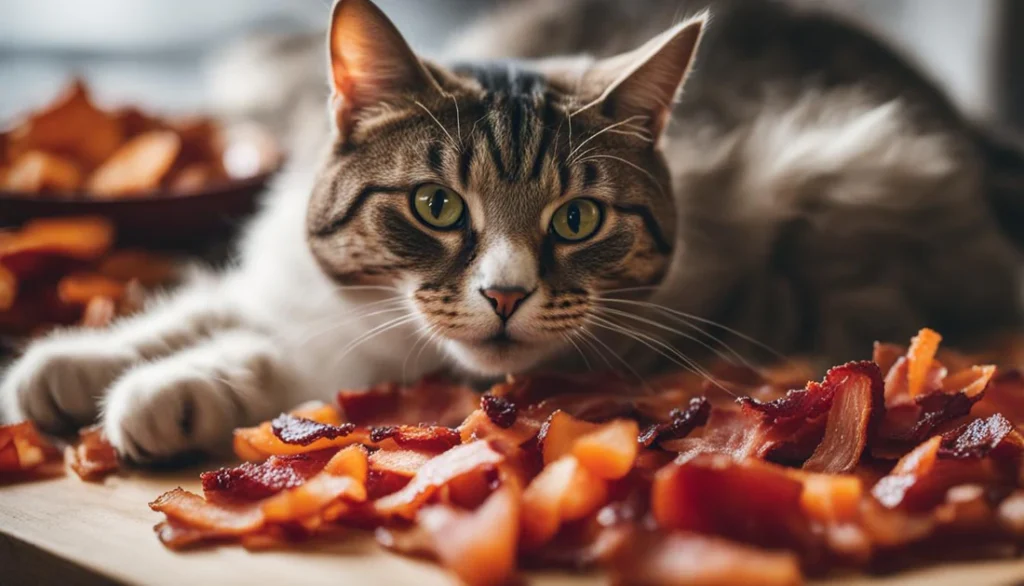
The question of whether cats can eat bacon is one I hear while brushing out mats or trimming nails. I always answer carefully because I’ve seen both mild and serious reactions tied to salty, processed foods. Some cats seem fine after a small nibble, while others show digestive upset that lasts longer than owners expect. My experience has taught me that bacon is less about curiosity and more about risk management in a cat’s diet.

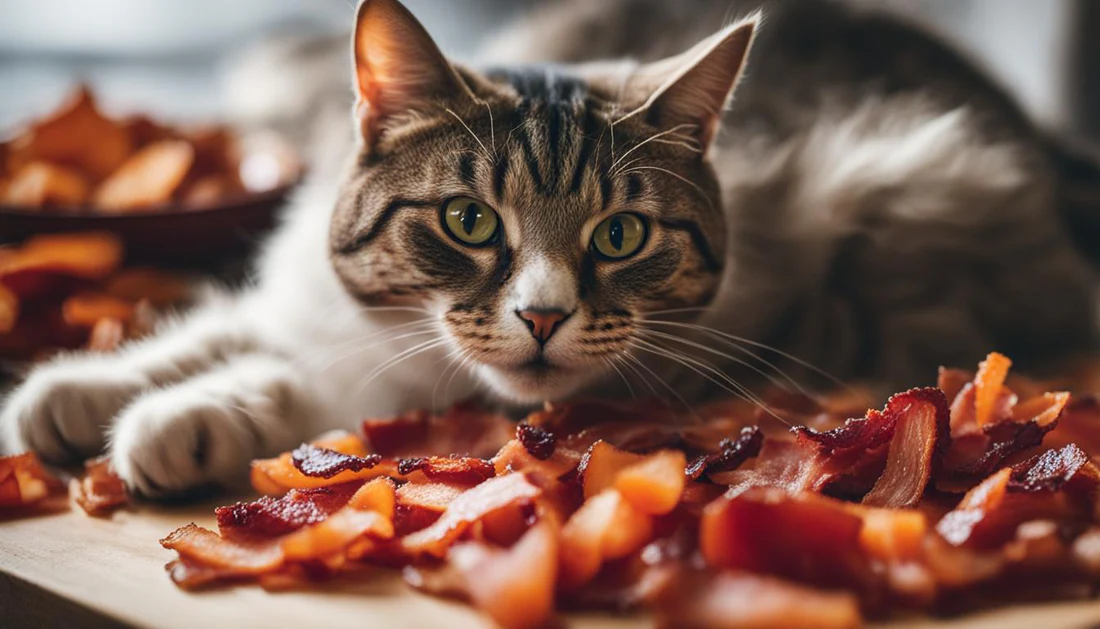
There was a customer last spring who mentioned giving her cat a small piece of bacon every morning because the cat “would not leave her alone at breakfast.” A few weeks later, she called me again, saying the cat had started vomiting occasionally and seemed less interested in its regular food. That situation stuck with me because it showed how quickly a habit can form around human food. It also reminded me that small indulgences in a cat’s diet can quietly build into bigger problems.

What Bacon Does Inside a Cat’s Body

From years of working with cats in stressful grooming environments, I have observed that bacon mainly affects them because of its salt and fat content. Cats are obligate carnivores, but that does not mean all meats are equal in their system. Bacon is heavily processed, often cured with sodium and sometimes sugar or preservatives that their bodies are not designed to handle regularly. Even a small portion can disrupt digestion, especially in indoor cats that are not very active.

I remember a household I visited about two years ago where two cats would beg every time bacon was cooked. The owner thought it was harmless and would toss those tiny pieces off the pan. Over time, one of the cats developed recurring stomach sensitivity that the vet suspected was linked to inconsistent human food treats. Situations like that are why I stay cautious when discussing foods like bacon with clients.

When I explain it to pet owners, I usually compare it to how a human might feel after eating something extremely salty and greasy late at night. One bite may not cause immediate harm, but repeated exposure changes how the body reacts over time. Cats have smaller systems and less tolerance for high sodium intake, which means the margin for error is much thinner than people expect. That is where most misunderstandings start.

Can Cats Eat Bacon

How I Advise Owners in Real Situation

During grooming appointments, I often get asked very practical questions about feeding habits, especially in homes where cats are part of daily family routines. One client I visited in a quiet suburban area had three cats that regularly shared breakfast scraps, including bacon bits. I explained that consistency matters more than quantity, because even small recurring exposure can shift a cat’s digestion in ways that are not obvious at first. In that same conversation, I mentioned a resource that helps owners understand safer treat options for indoor pets and how to read ingredient labels more carefully.

The reaction I usually get is not resistance, but surprise. Many owners simply have not thought about processed meat from a feline perspective. I try to keep the conversation grounded, sharing what I have seen in real homes rather than sounding overly strict. Most people adjust quickly once they understand that cats do not process sodium-heavy foods the same way humans do.

I also remind owners that cats are very routine-based animals. Once a behavior like begging for bacon starts, it becomes harder to break than most people expect. I have watched cats follow owners into kitchens every morning just because they learned the sound of a pan or the smell of cooking meat. That kind of conditioning is powerful, and it usually takes weeks to reverse once it becomes established.

Better Treat Habits I Recommend After Years in the Field

Over time, I have shifted how I talk about treats altogether. Instead of focusing on what cats should not eat, I guide owners toward simple alternatives that do not disrupt digestion. I have seen cats respond well to small portions of plain cooked chicken or specially formulated cat treats that are lower in sodium. The difference in coat quality and energy levels is noticeable in some homes after just a few weeks of switching habits.

A customer removed processed meats from her cats’ diet a while back after a mild digestive scare. She told me during a follow-up visit that her cats seemed calmer and were no longer begging during meal prep. That kind of feedback is not scientific data; it’s just real-world observations from households I visit regularly. Still, patterns like that appear often enough that I pay attention to them.

I usually keep a short mental list when advising people on treat habits:

Small portions only, never daily bacon. Avoid salty or processed meats. Stick to consistent feeding times. Watch behavior changes after diet shifts.

None of these are complicated rules, but they help prevent the slow buildup of issues that I often see when cats are given frequent human food. I have learned that prevention is much easier than correcting habits once they are established. Cats adjust quickly when owners stay consistent, even if the transition takes a few days of patience.

At the end of most grooming visits, I leave owners with the same simple thought. Cats do not need variety the way humans think they do, and bacon fits more into human preference than feline nutrition. Once that idea clicks, most feeding decisions become much easier to manage in everyday life.

Cats Eat Arugula
Apr
What I’ve Seen When Cats Eat Arugula in Real Households

I work as a mobile cat groomer in the Midwest. I spend hours in clients’ homes, observing what cats get into when owners aren’t watching. Food questions arise constantly—especially whether cats can eat arugula. I’ve seen cats nibble arugula from kitchen counters, unattended salads, and even home gardens. My insights come from these real experiences, not theory.

What happens when cats try leafy greens like arugula

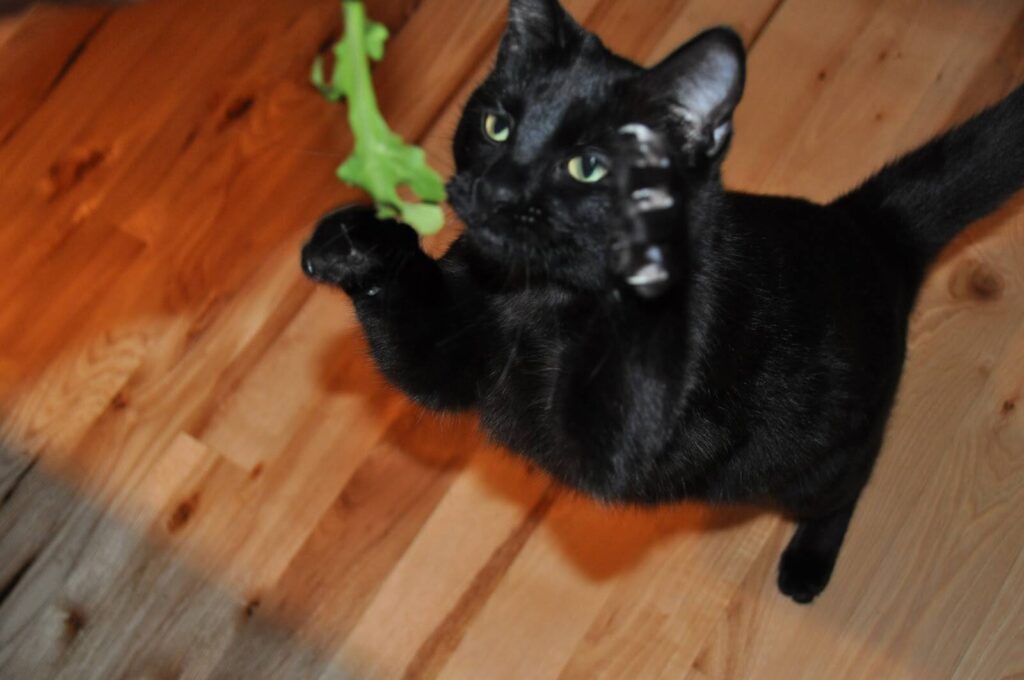
Most cats I’ve seen treat arugula more like a toy than food. They chew it once or twice, then lose interest, especially when it’s fresh and bitter. Last spring, I had a customer whose cat repeatedly jumped onto the counter to swipe leaves from a salad bowl before dinner. The owner found it funny at first, until it became a daily habit.

From what I’ve observed, arugula itself isn’t something cats actively seek out for nutrition. Cats are obligate carnivores, so their bodies don’t rely on leafy greens the same way ours do. Still, occasional nibbling does happen, especially in homes where plants are within easy reach. I’ve even seen cats in multi-pet households develop little habits of chewing greens just for fun, rather than out of hunger.

Digestive reactions vary, but most cats that eat a small amount show no serious issues beyond mild curiosity or quick disinterest. Short sentence here. Most just walk away. In a few cases, I’ve noticed mild stomach sensitivity, but it usually comes from eating too much too quickly rather than from the arugula itself.

How I respond when owners ask during grooming visits

During grooming appointments, owners often ask food-related questions while I’m brushing or trimming their cats. One client in a small suburban home asked me about arugula because her indoor cat kept stealing it from her grocery bags and chewing the edges. I explained what I’ve seen in similar cases and how most cats don’t have strong reactions unless they eat large amounts. That conversation stayed with me because it showed how common this behavior actually is.

I also sometimes point owners toward reliable feeding resources so they can double-check plant safety and general diet concerns without guessing. One local pet wellness center I’ve worked with occasionally helps owners sort through questions like these, especially when cats show unusual eating habits. The cat-safe diet consultation resource I’ve recommended before helped a client who had multiple cats sharing kitchen space, where greens were constantly left out. After that, they adjusted how they stored food and noticed fewer “counter raids” from their cats.

During grooming sessions, I focus on coat condition and hydration, which reveal more about diet than snacking habits. Well-fed, hydrated cats are less likely to go after greens on counters or tables. I once worked with two cats; only one showed interest in plants, and that one simply needed more stimulation. This difference shows up more often than people expect.

Cats Eat Arugula

Possible risks and what I’ve actually seen in practice

Even though arugula is not considered toxic to cats, I’ve still seen problems arise from overconsumption or poor storage. Cats that get into large amounts of leafy greens sometimes experience mild vomiting or soft stool, not because of poison but because their digestive system isn’t built for plant-heavy intake. I’ve had a case in a city apartment where a cat repeatedly chewed salad greens left near the sink, leading to repeated stomach upset until the owner changed their food storage habits.

Another issue I’ve noticed isn’t the arugula itself, but what it’s mixed with. Dressings, oils, and seasonings cause more trouble than the leaf alone. Cats don’t process additives well. I once saw a cat lick leftover dressing off arugula and develop mild digestive distress, so I took it to the vet out of caution.

Some cats also develop repetitive plant-chewing habits that signal boredom or lack of stimulation rather than dietary need. In those situations, I usually recommend environmental changes, such as more playtime or alternative, chew-safe toys, rather than focusing solely on removing the plant. I’ve noticed that once enrichment improves, interest in kitchen greens often drops naturally, with little effort from the owner.

What I tell owners based on real-world experience

Cats can have a little arugula on occasion—it isn’t dangerous in moderation, but it shouldn’t be a diet staple. The main issue is not toxicity; it’s repeated or accidental overfeeding. Cats’ curiosity often leads them to eat food not intended for them. In summary, occasional small amounts are safe, but limit access and avoid making it a habit.

I also remind owners that every cat reacts differently. It depends on age, health, and diet. One older cat I groomed sniffed arugula and walked away, while a younger one in the same house treated it as a toy when it was within reach. These differences matter more than the ingredient itself.

The key takeaway is to stay aware, not panic. Keep leafy greens out of reach if your cat likes to explore counters. Instead of worrying about rare bites, monitor ongoing behavioral patterns. This approach helps prevent issues before they become problems.

Seaweed and Cats
Apr
Seaweed and Cats: What Pet Owners Should Know

Many cat owners become curious when their pet shows interest in unusual foods, especially seaweed. This curiosity often leads to questions about safety, nutrition, and whether certain human foods are suitable for feline diets. Seaweed may seem harmless, but understanding the specific ways it can affect your cat’s health is important. By learning how a cat’s body reacts to seaweed, you can avoid dietary mistakes and keep your pet healthy.

Before diving into specific concerns, it’s helpful to address a common question: Is seaweed safe for cats?

Seaweed is not inherently toxic to cats, but that does not mean it is always safe in all forms. Small amounts of plain, dried seaweed may not harm many healthy cats, but flavored or processed seaweed products can contain salt, oils, or spices that are dangerous. Cats are obligate carnivores, so their bodies are not designed to process plant-heavy foods regularly. A single small bite is usually not a problem, but regular feeding is a different situation.

Some cats may show no reaction at all after eating a tiny piece of plain seaweed. Others might experience stomach upset, such as vomiting or diarrhea, especially if the seaweed is seasoned. Salt is one of the biggest risks because cats are very sensitive to sodium levels. Even a small salted seaweed snack can lead to dehydration or digestive stress.

Cats explore new foods out of curiosity, but this does not mean seaweed is needed in their diet. Cats require animal-based proteins, and seaweed does not offer essential nutrients for feline health.

Potential benefits and risks

Some types of seaweed contain minerals like iodine, but proven benefits for cats come mostly from controlled supplements, not casual snacks. Uncontrolled intake may cause mineral imbalances.

When looking more closely at risks, the biggest concerns are contamination and additives. Store-bought seaweed snacks often contain garlic powder, onion flavoring, or high levels of salt, all of which are harmful to cats, even in small doses. According to general veterinary guidance, a cat’s digestive system reacts poorly to sudden dietary changes, especially plant-heavy foods.

Can cats eat seaweed is a common question among pet owners trying to understand whether this ocean plant fits into a feline diet. Some pet care resources say plain, unseasoned seaweed is less risky than flavored products, but they still warn against making it a regular part of the diet. Cats depend on animal protein for survival, so plant-based snacks should remain occasional and minimal. Any introduction of new food should be done slowly and carefully.

Another risk involves choking or blockage. Dried seaweed sheets can become sticky or expand slightly when wet, which may create mild digestive discomfort in some cats. While serious blockages are rare, smaller breeds or kittens may be more prone to them. Monitoring behavior after accidental ingestion is always a good idea.

Seaweed and Cats

How much seaweed is appropriate for cats

If a cat eats a small amount of plain seaweed, it’s usually not a problem. The main factors are how much and how it was prepared. A few flakes are less concerning than a whole sheet or flavored snack. However, seaweed should never be a regular treat; cats need consistent meat-based protein.

Veterinarians recommend avoiding feeding seaweed unless prescribed as a supplement. When introducing new foods, do so in very small amounts and watch your cat for 24 hours. Signs of vomiting, lethargy, or stool changes should be taken seriously.

Here is a simple guide for understanding safe limits:

– Tiny accidental bite: usually harmless if plain

– Small controlled taste: only if unseasoned and rare

– Full snack portion: not recommended for cats

– Regular feeding: avoid completely due to dietary mismatch

Cats already get all the required nutrients from high-quality cat food. Extras like seaweed can upset their nutritional balance, especially in kittens and seniors.

Safer ways to serve seaweed, or alternatively, if owners want safe exposure to seaweed, use pet-specific supplements made for cats. These are measured to prevent excess iodine or salt. Always pick products intended for pets, not people.ood.

Cooking or seasoning seaweed for cats is not recommended. Even light seasoning can introduce harmful ingredients, such as salt or garlic powder. Cats do not benefit from a variety of flavors the way humans do, so keeping their diet simple is healthier and safer in the long run. Their digestive systems prefer consistency over experimentation.

Dry cat food already contains balanced minerals, vitamins, and proteins. Adding extras like seaweed is unnecessary unless a veterinarian has prescribed them for a specific condition. In some cases, vets may recommend controlled supplements, but this is always based on medical need rather than general nutrition.

Owners should also pay attention to curious behavior. Cats may try to steal seaweed snacks from tables or kitchen counters, especially if they smell fish or salt. Keeping such items stored safely reduces the risk of accidental ingestion. Prevention is always easier than treatment.

The safest choice is often to avoid giving cats seaweed as a treat. Even in small, plain amounts, seaweed lacks nutritional value for cats. A balanced, meat-based diet is best for long-term feline health and energy.

Seaweed can tempt cats, but even small amounts should be an exception, not the rule. The main point: Protect your cat’s long-term health by sticking to a simple, species-appropriate, protein-rich diet.

Ragamuffin vs Ragdoll
Apr
Ragamuffin vs Ragdoll: Understanding Two Gentle Giant Cat Breeds

Ragamuffin and Ragdoll cats look similar and share calm personalities. Both are known for affectionate behavior and soft, fluffy coats. Many people confuse them, but each is a distinct breed with its own history, traits, and personality. Knowing these differences helps owners choose the right companion.

Origins and Breed History

The Ragdoll breed was developed in the United States in the 1960s. It was created through selective breeding for a calm, affectionate temperament. The breed quickly became popular for its relaxed nature when held. Many people describe them as “floppy” cats because they go limp in your arms.

Ragamuffins came later as a variation of the Ragdoll line. Breeders wanted to expand the coat colors and patterns while retaining the breed’s gentle personality. Over time, they became recognized as a separate breed. They share a common foundation but have developed their own identity.

Both breeds are modern compared to ancient cats. Their development focused on temperament, making them people-oriented. They prefer human interaction over independence.

While their histories overlap, registries treat them as separate breeds. Standards differ slightly in appearance. These details matter in shows, but personality often matters more for pet owners.

Physical Appearance and Coat Differences

Both Ragamuffin and Ragdoll cats are large and muscular. They can weigh between 10 and 20 pounds, depending on gender and diet. Their bodies are soft and sturdy, giving them a plush appearance. They grow slowly and reach full size over several years.

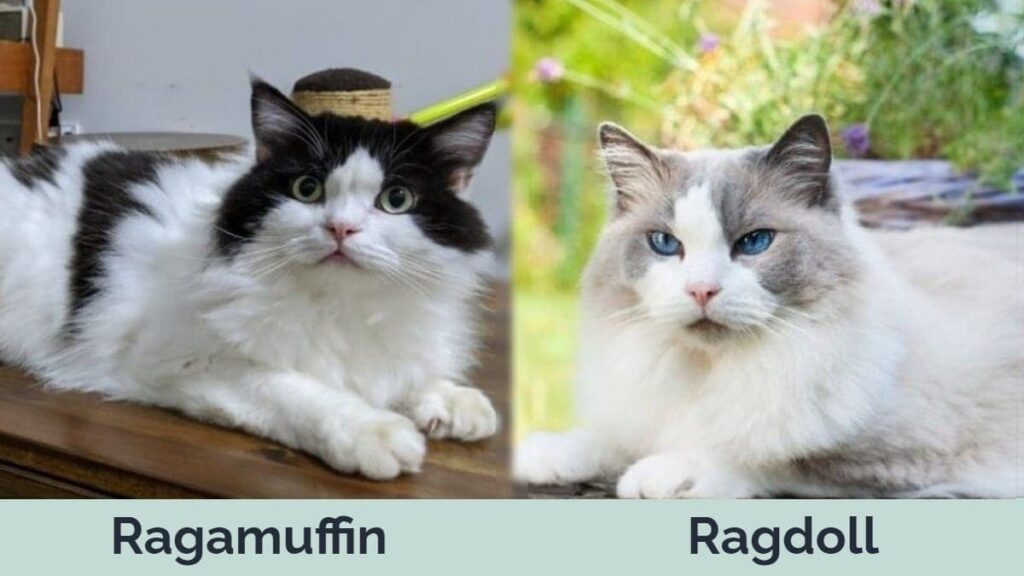
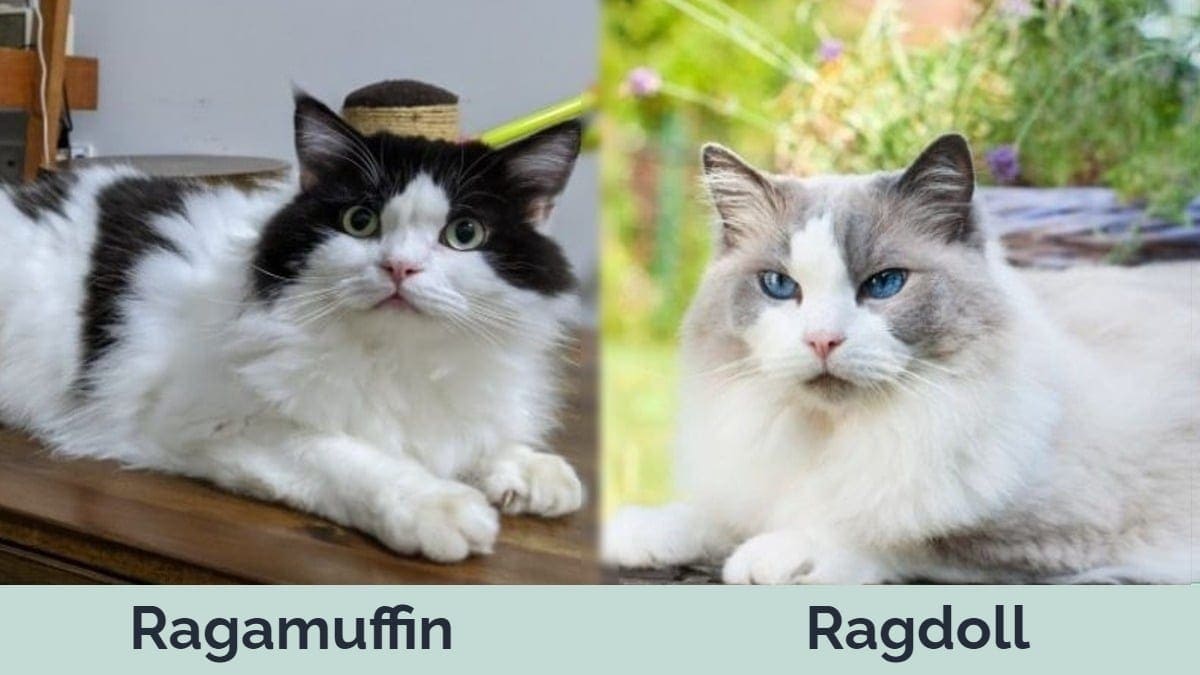
The Ragdoll has a more defined color-point pattern. This means darker colors appear on the face, ears, paws, and tail. Their eyes are always blue, which is a key breed trait. Their coat is silky and medium to long.

The Ragamuffin comes in many colors and patterns, including tabby, solid, or tortoiseshell. Their eyes can be green, gold, or blue. This makes them visually more diverse than Ragdolls.

Coat texture is slightly different, too. Ragamuffins often have a softer and denser coat. It feels more plush to the touch. Ragdolls have a smoother and silkier feel.

Both breeds need regular brushing to prevent tangles and mats. Weekly care is usually enough, with more frequent brushing during shedding.

For people researching breed comparisons like ragamuffin vs ragdoll, it becomes clear that appearance differences are subtle yet important when choosing between two affectionate, visually similar cat breeds with shared ancestry and gentle personalities.

Ragamuffin vs Ragdoll

Temperament and Personality Traits

Both breeds are calm and loving. They enjoy human companionship and often follow owners around. These cats prefer closeness over solitude and are social but not demanding.

Ragdolls are especially relaxed, often going limp when picked up. They are easy to handle and gentle with children.

Ragamuffins are affectionate and sometimes a bit more playful. They enjoy interactive toys and games and can be more expressive, but remain calm overall.

Neither breed is aggressive by nature. They rarely show defensive behavior unless frightened. This makes them suitable for families and indoor living. Their gentle temperament is a key reason for their popularity.

They also get along well with other pets. Dogs and cats can coexist peacefully with a proper introduction. These breeds prefer harmony in the home. Conflict is usually minimal.

One underappreciated trait is emotional sensitivity. These cats can pick up on their owner’s mood. They often respond with comfort behaviors. This makes them very bonded pets.

Care Needs and Daily Maintenance

Both breeds need regular grooming for healthy coats. Brushing several times a week helps prevent tangles and reduce shedding.

Their large size requires balanced nutrition. Overfeeding leads to weight gain, so controlled portions maintain health.

Exercise is important, even for calm cats. Play a little each day with wand toys or soft balls.

Regular veterinary care helps catch issues early. Both breeds are prone to heart conditions, so ongoing monitoring matters.

Indoor living is strongly recommended. These trusting cats are not street-smart. Indoors is safer and extends their lifespan.

Which Breed Is Right for You

Choosing between Ragamuffin and Ragdoll is a personal decision. Both are affectionate, calm, and family-friendly. Appearance and subtle personality differences help decide. Either makes a loving companion.

If you prefer blue eyes and color-point patterns, the Ragdoll may appeal more to you. If you like variety in coat colors and a slightly playful personality, the Ragamuffin might be a better fit. Both breeds adapt well to home life. They thrive in peaceful environments.

Space is not a major issue for either breed. They do not require large outdoor areas. A comfortable indoor setting is enough. Attention from humans matters more than the environment’s size.

Time commitment is moderate. They enjoy interaction but are not demanding. Daily care keeps them happy, and they love their owners in return.

Both cat breeds make excellent companions for families, singles, or seniors. Their gentle nature suits many lifestyles. They form strong bonds with humans—something they take great pride in.

Final Thoughts on Ragamuffin and Ragdoll Cats

Ragamuffin and Ragdoll cats share history and temperament but have distinct traits. Differences in appearance and personality are subtle but meaningful. Both are affectionate and calm. Either can bring warmth and comfort to a home.

Understanding their traits helps you make better choices. Both offer loyalty, softness, and connection—ideal for anyone seeking a gentle pet. These breeds represent the best calm, loving feline companionship.