Giving Tylenol to Dogs
Apr
What I’ve Learned About Giving Tylenol to Dogs the Hard Way

I run a small boarding and daycare setup behind my house. Many owners try to manage their dog’s pain at home, often reaching for Tylenol because it’s familiar. I once thought a small dose was harmless until I saw firsthand how dangerous a wrong dose can be. That now shapes every conversation I have about it.

Why People Even Consider Tylenol for Dogs

Owners often ask if Tylenol is safe for dogs. When dogs limp after a long walk or seem sore, people reach for medicine they already trust. Because Tylenol is familiar, it’s easy to assume it’s safe for dogs—but this assumption can be very dangerous.

While a vet may prescribe an exact dose of acetaminophen for specific circumstances, this is rare and very carefully calculated based on the dog’s size, condition, and medical history. No two dogs get the same instructions, which shows how dangerous guessing can be. Even a small dosing mistake is risky.

I remember a regular client who gave her older dog a small piece of a tablet after noticing stiffness in the back legs. She meant well. Within hours, the dog became lethargic and stopped eating, which pushed her to call the vet in a panic. That situation could have gone much worse.

How Tylenol Affects a Dog’s Body

Tylenol, or acetaminophen, is processed differently in dogs than in humans. Their liver handles it in a way that can produce harmful byproducts if the dose is off by even a small margin. I have heard vets say the safety margin is narrower than for other dog medications. That makes casual use dangerous.

If someone wants a clear explanation beyond what I can share from experience, I usually suggest reading something like Is Tylenol Toxic for Dogs? ” because it breaks down the risks in plain language. It helps owners see that this is not a minor concern or an overreaction. The science behind it is not complicated, but it is serious.

What worries me most is how quickly symptoms of poisoning appear in dogs. I have seen dogs show signs on the same day, especially in smaller breeds under 10 kilograms. Larger dogs might take a bit longer, but the outcome depends on how much Tylenol was given and how fast treatment starts. Every minute counts when exposure happens.

Signs I Watch for After Accidental Exposure

I am not a vet, but I know what to look for after seeing it several times. Lethargy is usually the first sign, followed by a lack of appetite and sometimes vomiting. The gums can look pale or even slightly bluish, which always sets off alarms for me. That is when I tell owners to stop waiting and act.

Some dogs develop mild facial or paw swelling. After one owner admitted to dosing before drop-off, we noticed minor muzzle swelling overnight—so we called the vet.

These signs do not always appear together. That makes it tricky. A dog might only show one or two symptoms at first, leading someone to underestimate the seriousness of the situation.

Giving Tylenol to Dogs

What I Tell Owners to Do Instead

My advice is straightforward: if your dog is in pain, pick up the phone and call a vet now. Don’t second-guess the situation. Taking immediate action can prevent serious harm and ensure your dog receives the right care. There are safer pain management options specifically made for dogs, and they come with proper dosing instructions. I have seen vets prescribe alternatives that work well without the same level of risk tied to acetaminophen. Owners sometimes hesitate because of cost, but the difference is worth it.

If a dog is showing any symptoms, act fast—do not wait. Delaying can turn a treatable problem into an emergency. Call your vet immediately; early action can save your dog’s life and avoid greater cost and distress. Why I Take This Seriously in My Own Work

I keep a close eye on every dog in my care, especially during the first 24 hours of boarding. That window is when hidden issues often show up, including reactions to something given at home. I ask direct questions during drop-off, including whether the dog has received any medication in the past 24 hours. Some owners forget to mention it unless prompted.

One case stands out: a medium dog arrived quieter than usual. The owner mentioned giving Tylenol the night before. That detail changed our monitoring and prompted us to involve the vet immediately. Making a habit of asking questions and staying alert matters. If you suspect a dog has had Tylenol, don’t wait for more signs to appear—take responsibility and reach out to your vet right away. Those small decisions can protect lives. I do not keep Tylenol anywhere near the dogs I care for. That choice came from experience, not theory.
Clean Paw Prints From Dogs
Apr
How I Capture Clean Paw Prints From Dogs Without the Mess

I run a small pet grooming studio in a converted garage and make paw prints for clients more often than you might think. Some want a keepsake, others a memorial, and a few just like the look on their wall. I’ve done this for tiny puppies, heavy retrievers, and squirmy dogs. Over time, I learned that getting a clean paw print is mostly about preparation.

Choosing the Right Materials Before You Start

I have tried almost every method, from basic ink pads to air-dry clay kits, and each has its place depending on what you want to keep. Ink works well for paper prints that you plan to frame, while clay is better if you want something you can hold and keep long-term. I usually keep three options ready in my workspace because different dogs react differently to textures and surfaces. Having backup materials saves a lot of frustration.

For ink prints, I use non-toxic, pet-safe ink and thick paper that does not wrinkle under pressure. Thin paper folds too easily, especially with larger dogs that put more weight on their paws. With clay, I roll it out to about half an inch thick, which gives enough depth to capture detail without cracking later. That thickness works for most breeds I see in a typical week.

I remember a client who brought in an energetic spaniel, and we went through two sheets of paper before switching to clay. The dog kept lifting its paw too quickly, leaving smudged prints that looked more like blobs than prints. Once we changed the material, the pad lines were clearly visible. That experience stuck with me.

Preparing the Dog So the Print Comes Out Clean

The dog matters more than the tools. If the paw is dirty, wet, or tense, the print will show it. I always clean the paw first with a damp cloth, then dry it fully, paying attention to the fur between the pads, as moisture there can blur the edges. This step takes less than 2 minutes but makes a visible difference.

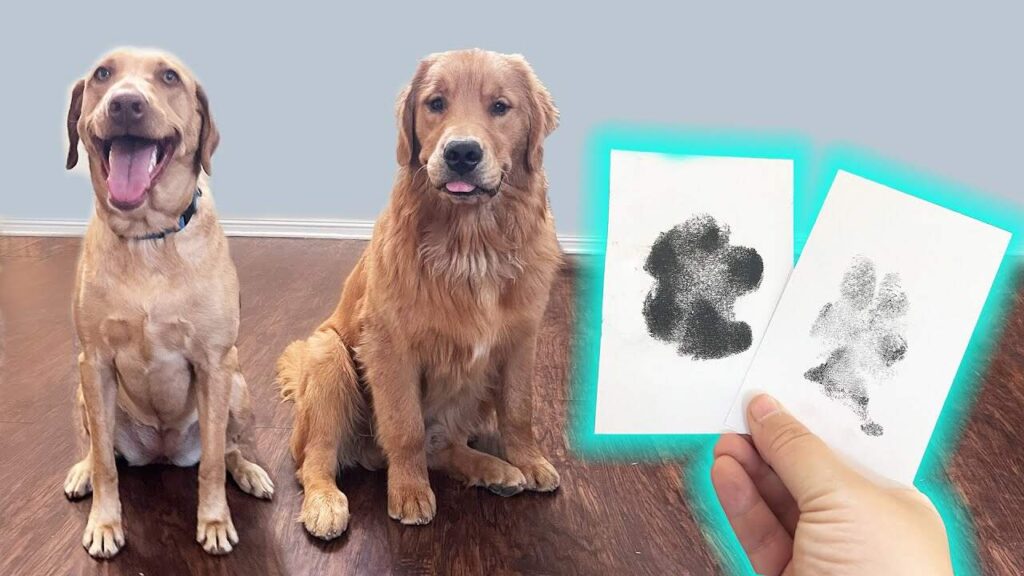
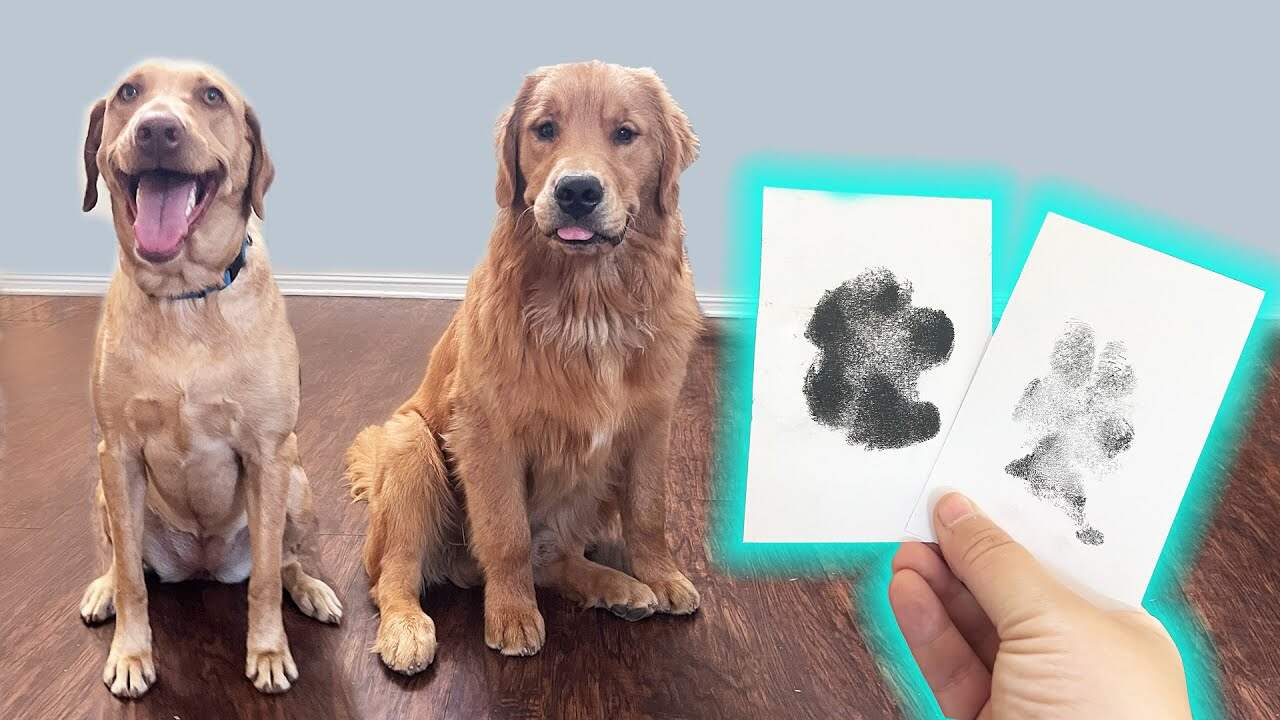
When owners ask me how to practice at home, I sometimes point them to a simple walkthrough, like how to make a paw print of your dog, because it mirrors the same calm setup I use in my shop. It helps them understand that the dog’s comfort matters just as much as the materials they pick. A relaxed dog gives a better print, every time.

I also pay attention to timing. After a walk, it is usually a bad idea since paws may be rough or slightly swollen. I prefer doing it when the dog has been resting for at least 20 minutes, which keeps them calmer and less reactive. Quiet dogs help a lot.

Clean Paw Prints From Dogs

The Actual Pressing Technique I Use

I gently position the paw. With my fingers, I apply even pressure from above, making sure not to press too hard or too lightly. I hold the paw for about two seconds, then lift it straight up for a clear print.

With ink, I make sure the entire pad surface touches the paper in one motion. If the dog shifts midway, I do not try to fix it. I start over. Trying to correct a half-print usually creates a mess that cannot be salvaged. Clean attempts beat rushed ones.

Clay gives a little more flexibility. If a print is off, I can smooth the clay and try again before it sets. I allow up to three attempts before the clay loses texture quality. The window is short, so I stay focused.

Handling Difficult or Nervous Dogs

Some dogs dislike having their paws handled. I work slowly, letting them sniff materials before starting. Rushing a nervous dog leads to poor prints and stress.

For very active dogs, I sometimes ask the owner to gently hold them while I guide the paw. A familiar person helps keep the dog grounded. I’ve also used treats as a distraction, placing one just out of reach so the dog looks forward while I work. Our first attempt. We paused, gave it a few minutes, and tried again with a calmer approach. The second try worked. Patience pays off.

Drying, Storing, and Preserving the Print

After printing, I set it aside to dry undisturbed. Ink usually dries in 10 to 15 minutes, while clay takes about a day or more. Waiting prevents any accidental smudging or loss of detail.

Once dry, I store the print flat, away from sunlight and heat, which can damage it. For long-term protection, I recommend using a simple frame or a box to keep dust and moisture out.

One client framed a set of prints from three dogs, taken about a year apart. Seeing them together showed how much the youngest had grown. Small details like these make the prints meaningful over time. In it hundreds of times. Each one feels a little different, depending on the dog and the moment, and that keeps the process from feeling routine.

Measure a Dog’s Length
Apr
How I Measure a Dog’s Length Without Guesswork

I run a mobile grooming van and spend a lot of time fitting dogs for coats, crates, and trims. Measuring a dog’s length seems simple, but owners often misjudge it by a few inches, ruining the fit. Accuracy matters more than speed. Over time, I developed a routine that works for all dogs.

Where Length Actually Starts and Ends

I tell clients that dog length is not nose to tail. That mistake is common, especially with first-time owners buying coats. I measure from the neck’s base, where the collar sits, to the tail’s base, where it joins the body. This delivers a consistent, reliable number across breeds and body types.

A customer last spring brought in a mixed breed that measured 5 inches longer nose-to-tail than by the standard method. The coat she bought dragged on the ground. Once we remeasured the collar to the tail base, the correct size fit cleanly. Small differences matter.

There is one exception I mentioned to experienced handlers. For certain working dogs with docked tails or unusual body shapes, I may adjust the endpoint slightly to match how a garment will sit on them. Still, I keep the base method consistent to avoid confusion later. Consistency saves time.

My Step-by-Step Method in Real Settings

I usually measure dogs on a flat, non-slip surface. A rubber mat helps keep their stance steady. If the dog shifts or crouches, the measurement can change by an inch or two. I keep one hand lightly on the shoulder to keep them relaxed.

If you want a quick reference or visual aid, I sometimes point people toward a simple resource, like how to measure a dog’s length, because it shows the same collar-to-tail approach I use in practice. I do not rely on charts alone, but they help owners understand what I am doing. That shared understanding cuts down on mistakes when they measure at home later. It also builds confidence.

I use a flexible measuring tape, not hard rulers, which don’t follow a dog’s curve. I place the tape at the collar, run it along the spine, and stop at the tail base. I read the number twice and write it down.

Sometimes the dog will move mid-measure. It happens a lot. In those cases, I reset and do it again rather than averaging a guess. I have learned that taking an extra 30 seconds now prevents a bad fit later that could cost much more time to fix.

Measure a Dog’s Length

Common Mistakes I See Every Week

The most common issue is measuring while the dog is sitting. A sitting posture shortens the back and can throw off the number by 2 to 4 inches, depending on the breed. I always ask owners to have the dog stand naturally, with all four paws on the ground. No stretching, no forcing a pose.

Pulling the tape too tight is another mistake. The tape should rest lightly. Thick coats can lose nearly an inch if pressed down, while loose tape adds length. Balance comes with practice.

I also see confusion around tail position. Some owners try to follow the tail upward, especially with curled breeds. That adds unnecessary length. The correct endpoint is always the base, where the tail meets the body, regardless of how the tail sits. Simple rule. Stick to it.

Adjusting for Different Breeds and Body Types

Not all dogs carry their length the same. A Greyhound’s long back measures differently from a Bulldog’s, even with similar numbers. Numbers are a starting point, not the full story.

With long-bodied breeds like Dachshunds, I let the tape follow the back’s curve. It adds about half an inch, usually improving fit. Small changes make a visible difference.

For double-coated dogs, I part the fur at the start to find the collar base. Otherwise, measurement can drift forward. These small adjustments come with experience.

Why Accurate Length Matters More Than People Think

I have seen poor fits cause problems. Too-long coats restrict movement and collect debris. Too-short crates make travel uncomfortable, especially on long trips. These issues are common.

One client came in with a working dog that refused to wear a jacket. The dog would freeze in place every time the coat went on. After proper measurement, we realized the coat was nearly 3 inches too short, causing it to pull at the shoulders. Once replaced with the correct length, the dog moved normally again. Behavior can change with fit.

Good measurement saves money. Returns, replacements, and wasted purchases add up. Careful measuring prevents those headaches.

I measure every dog to guarantee a proper fit, even if an owner brings their own measurement. Consistent, accurate measuring is the main reason clients trust and return to my service.

Ragdoll vs Siamese Cats
Apr
Ragdoll vs Siamese Cats From My Grooming Table

I work as a mobile cat groomer, driving a converted van across suburban neighborhoods and small towns, handling everything from heavy shedding to full coat maintenance. Over the years, two breeds that keep showing up in my schedule are Ragdolls and Siamese cats, and they could not behave more differently at my table. I’ve worked with both in homes where owners were deciding which breed better fits their lifestyle, often after dealing with very different grooming and behavioral experiences. Those real visits have shaped how I compare them far more than any textbook description ever did.

When people ask me about Ragdoll vs Siamese, I usually think of two very different energy levels sitting in front of me. One is relaxed and heavy in the arms, the other is alert and constantly tracking movement in the room. I’ve seen families switch from one breed to the other based on lifestyle changes, and I’ve also seen owners surprised by how intense grooming needs or attention demands can become. My comparisons come from hands-on work, not theory.

Personality Differences I See in Real Homes

Ragdolls are the cats I most often describe as “floor-to-couch travelers” because they tend to move slowly and prefer predictable environments. I’ve groomed Ragdolls in living rooms where they simply accepted whatever position I placed them in, almost as if they trusted the process without question. One customer last spring had a Ragdoll that would literally flop onto the grooming mat as soon as I laid it down, making my job almost too easy on calm days. That kind of temperament is not rare in this breed, from what I’ve experienced.

Siamese cats, on the other hand, rarely sit still for long. During one appointment, a Siamese followed me from room to room, vocalizing as if supervising my every step. The session took longer than expected because the cat insisted on being involved with every tool, and I had to pause several times just to let it settle. Their intelligence shows in how quickly they respond to changes, but it also means they get bored easily.

I’ve had owners tell me they chose Ragdolls because they wanted a quieter presence in the home, while Siamese were chosen for companionship that feels more interactive. Both choices make sense depending on household energy use, especially if there are children or multiple pets. I’ve noticed that Ragdolls blend into calmer households, while Siamese tend to shape the home’s rhythm around their own activity level. Neither is better, just very different in how they fit into daily life.

Ragdoll vs Siamese Cats

Grooming Needs and Coat Maintenance in Practice

Ragdolls require more coat attention than most new owners expect. Their semi-long fur doesn’t mat as aggressively as some long-haired breeds, but it still tends to build up in hidden areas, like behind the legs and under the chest. I once worked with a Ragdoll in a multi-cat household where brushing had been inconsistent for about a month, and it took nearly two hours to fully detangle without stressing the cat. That kind of coat care is manageable, but it requires consistency to keep the cat comfortable.

One family I worked with through a local referral service once asked for advice after struggling to shed in their Siamese. In cases like that, I often recommend checking a ragdoll vs siamese resource that breaks down grooming schedules and coat care expectations for short-haired breeds in a practical way. The Siamese coat is short, but it still benefits from regular brushing to reduce loose hair and skin oils building up over time. It is usually quick maintenance, but skipping it shows faster than people expect.

Siamese cats generally spend less time on my grooming table than Ragdolls, but they require more patience when it comes to behavior management. They do not like being restrained for long, and I often work in shorter intervals with breaks in between. Ragdolls allow longer sessions, which makes coat work easier in one sitting, but their fur requires more physical detangling. I adjust my approach depending on which breed I am handling that day.

Energy Levels, Training, and Household Fit

Energy level is probably the biggest dividing line I see between these two breeds. Siamese cats often act like they are part of every activity happening in the house, from cooking to cleaning to simple walking from room to room. I’ve seen them learn household routines quickly, sometimes even anticipating feeding times better than the owners do. That intelligence is impressive, but it also means they can become restless if not engaged.

Ragdolls usually take a slower approach to interaction. I’ve visited homes where a Ragdoll would observe guests quietly from a distance before deciding to approach, sometimes after several minutes of watching. They tend to adapt well to calm households, especially those with predictable routines. I’ve noticed they are less likely to interrupt daily activity, which some owners appreciate after long workdays.

Training differences also show up during grooming sessions. Siamese cats respond quickly to verbal cues but may test boundaries when bored or restricted, while Ragdolls generally accept handling without much resistance but may not respond as actively to training cues. I adjust my tone and pacing depending on the cat in front of me, because forcing either breed into the same handling style rarely works. Over time, I’ve learned that respecting those differences makes every session smoother and safer for both of us.

Between the two, I never tell owners one is better. I’ve seen families thrive with a calm Ragdoll in a quiet home, and I’ve also seen active households light up with a Siamese’s constant presence. The real decision usually comes down to whether someone wants a steady companion or an interactive one that shapes the energy of the entire space.

Can Cats Eat Bacon
Apr
Can Cats Eat Bacon and What I Tell Pet Owners in the Field

I work as a mobile cat groomer operating out of a converted van that I take through small towns and suburban neighborhoods across the Midwest. Over the years, I have seen many feeding habits that surprise me, especially when I walk into kitchens and see what owners think is a harmless treat for their cats. Bacon comes up more often than people expect, usually during casual conversations while I am setting up my grooming table. I’ve learned that most owners are not trying to harm their cats; they just assume a tiny bite of human food cannot matter much.

The question of whether cats can eat bacon is one I hear while brushing out mats or trimming nails. I always answer carefully because I’ve seen both mild and serious reactions tied to salty, processed foods. Some cats seem fine after a small nibble, while others show digestive upset that lasts longer than owners expect. My experience has taught me that bacon is less about curiosity and more about risk management in a cat’s diet.

There was a customer last spring who mentioned giving her cat a small piece of bacon every morning because the cat “would not leave her alone at breakfast.” A few weeks later, she called me again, saying the cat had started vomiting occasionally and seemed less interested in its regular food. That situation stuck with me because it showed how quickly a habit can form around human food. It also reminded me that small indulgences in a cat’s diet can quietly build into bigger problems.

What Bacon Does Inside a Cat’s Body

From years of working with cats in stressful grooming environments, I have observed that bacon mainly affects them because of its salt and fat content. Cats are obligate carnivores, but that does not mean all meats are equal in their system. Bacon is heavily processed, often cured with sodium and sometimes sugar or preservatives that their bodies are not designed to handle regularly. Even a small portion can disrupt digestion, especially in indoor cats that are not very active.

I remember a household I visited about two years ago where two cats would beg every time bacon was cooked. The owner thought it was harmless and would toss those tiny pieces off the pan. Over time, one of the cats developed recurring stomach sensitivity that the vet suspected was linked to inconsistent human food treats. Situations like that are why I stay cautious when discussing foods like bacon with clients.

When I explain it to pet owners, I usually compare it to how a human might feel after eating something extremely salty and greasy late at night. One bite may not cause immediate harm, but repeated exposure changes how the body reacts over time. Cats have smaller systems and less tolerance for high sodium intake, which means the margin for error is much thinner than people expect. That is where most misunderstandings start.

Can Cats Eat Bacon

How I Advise Owners in Real Situation

During grooming appointments, I often get asked very practical questions about feeding habits, especially in homes where cats are part of daily family routines. One client I visited in a quiet suburban area had three cats that regularly shared breakfast scraps, including bacon bits. I explained that consistency matters more than quantity, because even small recurring exposure can shift a cat’s digestion in ways that are not obvious at first. In that same conversation, I mentioned a resource that helps owners understand safer treat options for indoor pets and how to read ingredient labels more carefully.

The reaction I usually get is not resistance, but surprise. Many owners simply have not thought about processed meat from a feline perspective. I try to keep the conversation grounded, sharing what I have seen in real homes rather than sounding overly strict. Most people adjust quickly once they understand that cats do not process sodium-heavy foods the same way humans do.

I also remind owners that cats are very routine-based animals. Once a behavior like begging for bacon starts, it becomes harder to break than most people expect. I have watched cats follow owners into kitchens every morning just because they learned the sound of a pan or the smell of cooking meat. That kind of conditioning is powerful, and it usually takes weeks to reverse once it becomes established.

Better Treat Habits I Recommend After Years in the Field

Over time, I have shifted how I talk about treats altogether. Instead of focusing on what cats should not eat, I guide owners toward simple alternatives that do not disrupt digestion. I have seen cats respond well to small portions of plain cooked chicken or specially formulated cat treats that are lower in sodium. The difference in coat quality and energy levels is noticeable in some homes after just a few weeks of switching habits.

A customer removed processed meats from her cats’ diet a while back after a mild digestive scare. She told me during a follow-up visit that her cats seemed calmer and were no longer begging during meal prep. That kind of feedback is not scientific data; it’s just real-world observations from households I visit regularly. Still, patterns like that appear often enough that I pay attention to them.

I usually keep a short mental list when advising people on treat habits:

Small portions only, never daily bacon. Avoid salty or processed meats. Stick to consistent feeding times. Watch behavior changes after diet shifts.

None of these are complicated rules, but they help prevent the slow buildup of issues that I often see when cats are given frequent human food. I have learned that prevention is much easier than correcting habits once they are established. Cats adjust quickly when owners stay consistent, even if the transition takes a few days of patience.

At the end of most grooming visits, I leave owners with the same simple thought. Cats do not need variety the way humans think they do, and bacon fits more into human preference than feline nutrition. Once that idea clicks, most feeding decisions become much easier to manage in everyday life.