Balloon Poodle Dog Step by Step
Apr
How I Twist a Balloon Poodle Dog Step by Step

I work as a mobile event entertainer at small birthday parties and community fairs, and I have been making balloon animals for years while moving between tables and noisy backyards. The balloon poodle dog is one of the first shapes I learned properly because kids always ask for it. I have made thousands of them in all kinds of settings, from tight indoor living rooms to windy park shelters. Over time, I learned that technique matters less than rhythm and consistency.

Getting the Right Balloon and Setup

The first thing I always pay attention to is the balloon itself. I usually work with 260 modeling balloons because they hold shape well without being too stiff to twist. I keep a small pump clipped to my belt so I can refill quickly between requests, especially at events where I might make 40 to 60 balloons in an afternoon.

Beginners often overinflate the balloon, which causes it to pop. Leave a soft tail about four finger widths at the end to give air space to move as you twist. This step is key to smooth twisting and preventing pops.

Before twisting, always stretch the balloon. Stretching reduces internal pressure and helps avoid sudden bursts. This quick step prevents many common problems.

Building the Basic Poodle Shape

To begin the poodle, twist a two-inch bubble for the nose, then two smaller equal bubbles for the ears, and lock them together. Take care to keep the ear bubbles the same size for the classic poodle look.

At one outdoor event last spring, I was set up beside a snack stall when a parent asked me how I managed to keep my shape consistent while working quickly. I told her it is all about locking twists properly and not rushing the middle section, and I showed her how to make a balloon poodle dog as a reference point when teaching new assistants during busy days. I usually demonstrate slowly first, then speed up once they see the pattern. It makes more sense when you watch the structure being built step by step.

After the head, I form the front legs by twisting two equal segments and locking them into the neck area. This part needs firm hands, but not too much pressure, or the balloon weakens. I always pause for a second here to check symmetry before moving on.
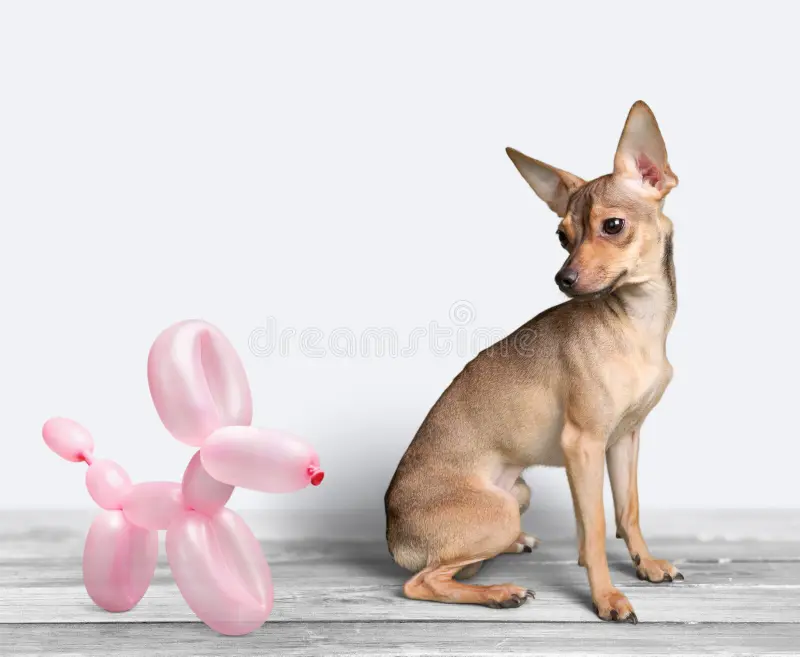
Balloon Poodle Dog Step by Step

Shaping the Body and Back Legs

Twist the body section slightly longer than the front legs. This length helps the poodle stand upright and look well-balanced.

After the body, twist the back legs slightly thicker than the front. This adds stability and improves how the balloon stands when done.

Once the back legs are twisted, I secure everything by looping the remaining balloon into a tail. That tail is what completes the silhouette. I sometimes curl it slightly for effect, but most kids are just happy it looks like a dog.

Common Mistakes I See and Fix

Avoid twisting too tightly. High internal pressure can cause the balloon to pop with just a small extra twist. Keep your twists firm but not excessive.

Another issue is the uneven sizing of the ear bubbles. If one ear is bigger, the whole head looks tilted. I usually correct this by gently redistributing air before locking the twist, which is easier than starting over.

Never skip the initial stretching step. Taking a few seconds to stretch the balloon prevents future twisting issues and popping.

How I Practice and Improve Speed

When I am not working events, I sometimes practice while watching television or sitting outside in the evening. I keep a small bundle of balloons in my van, and I will run through basic shapes like the poodle until my hands move without thinking. That repetition matters more than raw talent.

I track my speed loosely by how many I can make before a balloon batch runs low. On a good day, I can twist a simple poodle in under two minutes without rushing or compromising shape. That consistency helps when I am dealing with long lines of impatient kids.

I also teach newer helpers by letting them copy my movements slowly first. I do not correct everything at once. I let them feel the tension of the balloon so they understand how much pressure is safe. That approach usually clicks faster than giving long instructions.

The balloon poodle looks simple, but it teaches control, timing, and patience in a way most people do not expect. I still refine small details every time I make one, even after years of doing it. The shape never really becomes automatic in the way people assume it should, and that is part of what keeps it interesting for me.


Is Campanula Toxic to Dogs
Apr
Is Campanula Toxic to Dogs and What I’ve Seen in Real Homes

Everything You Need to Know

I’m a mobile dog groomer based in Florida, and I spend most of my week moving between homes where dogs are part of the family and the garden is just as important as the living room. Over time, I’ve had more conversations than I can count about plants in yards and what dogs tend to chew on when no one is watching closely. Campanula comes up more often than people expect because it shows up in flower beds and hanging pots that dogs can easily reach. I’ve learned to connect what I see in grooming visits with what dogs are exposed to at home.

Most owners don’t realize how often dogs interact with plants while roaming outside or even sniffing around indoor arrangements. A customer last spring called me worried because her small terrier had been chewing on a plant she couldn’t identify in her backyard, which was later confirmed as campanula. The dog was acting a little off, mostly mild stomach upset, and she was anxious it might be something more serious. Situations like that pushed me to pay closer attention to which plants are most common in pet households.

From my experience working around pets every day, I’ve seen that plant curiosity is normal behavior, especially in younger dogs or those left unsupervised for short periods. I don’t give medical diagnoses, but I do help owners connect patterns between exposure and symptoms so they know when to involve a vet. Campanula isn’t one of those plants that cause panic reactions in every case I’ve seen, but it still warrants serious concern. That middle ground is where most confusion happens.

What I notice about dogs and plant chewing

In grooming settings and home visits, I’ve watched dogs interact with anything green within reach, especially during downtime when they’re curious or bored. Some dogs will nibble leaves lightly and move on, while others will chew more aggressively if the texture interests them. Campanula, with its soft leaves and bell-shaped flowers, tends to attract that kind of exploratory behavior. I’ve mostly seen it in gardens where plants hang low or spill from containers.

The reaction after chewing varies widely, and that’s what makes owners unsure how to respond. Some dogs show no change at all, while others might have mild digestive upset, such as drooling or a brief loss of appetite. I remember a case where a medium-sized mixed breed chewed on garden plants during an evening outing and seemed fine afterward, aside from slightly loose stool the next morning. The owner had no idea campanula was even part of the garden mix until we went through the yard together.

In my day-to-day work, I’ve learned that the context matters more than the plant name alone. A dog that eats a small amount once may react differently from one that repeatedly grazes on garden foliage. I also consider environmental stress, heat, and dietary changes, as these factors can mimic or worsen mild symptoms. That’s why I always ask owners for the full picture rather than focusing on a single plant exposure.

Is Campanula Toxic to Dogs

How do I explain campanula concerns to dog owners

Campanula is commonly listed as having low to mild toxicity for dogs, which means it is not typically associated with severe poisoning in small exposures. That said, low toxicity doesn’t mean zero reaction, especially for sensitive dogs or those that ingest larger amounts. I’ve had conversations with owners who were surprised that even ornamental plants can cause mild stomach upset if eaten. It’s usually less about danger and more about prevention and observation.

When owners want clarity on plant safety, I often suggest they speak with local veterinary professionals who can evaluate symptoms and exposure history. A nearby clinic I sometimes refer to for follow-up guidance is Campanula, which is toxic to dogs, since they’re familiar with both emergency and routine digestive cases. I’ve had clients visit them after uncertain plant exposure situations just to rule out anything serious. Most of the time, reassurance and monitoring are all that’s needed after a mild incident.

What I’ve noticed is that panic often comes from not knowing the plant’s name rather than from the severity of the symptoms. Once owners identify campanula, they usually feel more grounded about the next steps. I always remind them to look for changes like repeated vomiting, lethargy, or refusal to eat, since those signs matter more than the plant itself. Without those symptoms, most dogs I’ve encountered recover quickly on their own.

There was a customer a while back who kept several flowering plants on a patio, including campanula mixed with other ornamentals. Her dog occasionally nibbled around the pots, and she was worried each time she noticed it. After tracking a few episodes and observing the dog’s behavior, it became clear that the reactions were mild and short-lived, mostly just temporary stomach discomfort. That experience helped her focus more on prevention, like moving plants higher rather than constantly worrying.

What I recommend based on real exposure cases

From what I’ve seen in the field, prevention is more effective than trying to react after ingestion. Dogs that are bored, unsupervised, or left around accessible plants are far more likely to sample whatever is nearby. I usually suggest simple changes, such as raising pots, blocking garden access, or redirecting chewing behavior with safe toys. These small adjustments often significantly reduce plant-related incidents.

I also pay attention to repeated behavior because that tells me more than a one-time incident. If a dog keeps going back to the same plant, even one considered low toxicity like campanula, I treat it as a training or environmental issue rather than just a dietary accident. That shift in thinking helps owners take action rather than wait for symptoms to recur. Consistency matters more than intensity in most of these cases.

Another thing I’ve noticed is that dogs with sensitive stomachs or dietary issues tend to react more noticeably to even small plant exposures. I’ve seen cases where mild chewing led to temporary discomfort, while other dogs showed no reaction to similar exposure. That variation is why I avoid giving one-size-fits-all reassurance. Each dog’s history plays a role in how they respond.

After years of seeing these situations unfold in different homes, I’ve become careful about how I frame plant concerns. Campanula doesn’t usually trigger severe toxicity in dogs based on what I’ve seen and what most veterinary references suggest, but it still belongs in the category of plants worth managing thoughtfully. Most issues I’ve encountered were mild, temporary, and preventable with a few environmental changes. That balance between awareness and calm response is what I try to leave every owner with after a visit.

Can You Safely Feed Cats Salmon Skin
Apr
Can You Safely Feed Cats Salmon Skin? A Guide

I run a small home-based cat boarding setup, and feeding questions come up almost every week. One of the most common ones is about human food, especially fish scraps. Salmon skin is something I see often because owners assume it is healthy, but I have learned to be careful about when and how it is offered.

Why Cats Are Drawn to Salmon Skin

Cats are naturally attracted to fish, and salmon have a strong smell that attracts them quickly. I have had cats ignore premium food but run to the kitchen the moment they smell cooked salmon. The skin, in particular, is rich in flavor and fat, making it even more appealing.

In my experience, about 7 out of 10 cats I board will show interest in salmon skin. Cats tend to chase taste over nutrition, so I never assume interest equals safety.

There is also a texture factor. Crispy skin can feel like a treat, especially for cats that enjoy chewing. However, the same texture can cause issues if not prepared properly.

When Salmon Skin Can Be Okay

I allow salmon skin in small amounts only after checking for safety risks. The skin must be plain, fully cooked, and free from oils, spices, or seasoning. Even then, I give it rarely and remind owners it’s never a regular food, always an occasional snack.

When owners ask for a second opinion or want a simple breakdown of safe portions and preparation, I sometimes suggest they read “Can cats eat salmon skin,” as it aligns with what I have seen in real feeding situations.

Portion size matters more than people expect. A piece about the size of a thumb is usually enough for an average adult cat. Anything more can be too rich, especially for cats not used to fatty foods.

I had an indoor cat handle a small piece fine, but moderation and safe preparation made the difference. Without these, even a harmless treat can become a risk.

Risks I Have Seen Firsthand

Not every experience with salmon skin goes smoothly. I remember a case where a cat was given a larger piece from a fried meal, and within hours, it became lethargic and refused food. The oil and seasoning were likely the cause, not just the skin itself.

Fat is the main concern with salmon skin. Too much fat often upsets a cat’s stomach. I have seen cases of vomiting after cats ate greasy scraps—richness is as important as preparation.

There is also the risk of bones or tough bits attached to the skin. Small bone fragments or tough pieces can cause choking or irritation in the mouth or throat. I always check carefully before offering anything like this to reduce this risk.

Some cats have sensitive digestion. For these cats, even a small amount of salmon skin, especially if fatty or seasoned, can cause loose stool or discomfort. I tend to avoid salmon skin entirely for those cats, especially if I have already seen signs of food sensitivity.

Can You Safely Feed Cats Salmon Skin

How I Decide Whether to Offer It

I do not give salmon skin to every cat. My decision depends on age, health, and feeding history. Younger, active cats with no digestive issues seem to handle it better, in my experience.

Older cats are different. After around 10 years, I started to avoid fatty treats more often. Their digestion is less forgiving, so I prefer to keep things simple and predictable.

If a cat has a history of bad reactions to new foods, I skip salmon skin entirely. Safety always outweighs curiosity or variety.

Frequency matters. Even if a cat tolerates salmon skin, I limit it to once every couple of weeks at most, stressing that frequent rich scraps cause more harm than good.

Better Alternatives I Usually Recommend

Over time, I have found safer options that still satisfy a cat’s interest in fish. Plain cooked salmon without skin is one of them. It has less fat and is easier to portion.

Commercial treats designed for cats are another option. They are balanced and tested, which removes much of the guesswork. I use these more often in my boarding setup because consistency matters when managing multiple cats.

If someone really wants to offer a natural treat, I suggest sticking to small, clean portions of cooked fish with no extras. This keeps the experience simple and reduces risk.

I still understand the appeal. Giving a cat a piece of what you are eating feels natural. But I have seen enough small issues turn into bigger ones to stay cautious.

Salmon skin is not off-limits in every case, but I don’t treat it casually. I watch the cat, the portion, and the preparation closely. That approach has saved me from more than a few avoidable problems.

Most cats will eat salmon skin eagerly, but just because they like it does not mean it’s safe without strict limits and safety steps.

Ashera Cat
Apr
My Experience Handling Questions About the Ashera Cat

I run a small in-home cat boarding service and have worked with hundreds of cats, from street rescues to rare imported breeds. The Ashera cat often comes up in conversation, mixing curiosity and confusion. The first time a client mentioned it, asking if I had space for a cat said to be part wild and part domestic, I dug deeper to learn what the Ashera really is and what people believe about it.

What People Think the Ashera Cat Is

Most clients who mention the Ashera describe it as a luxury breed, rare and exotic, priced higher than almost any other cat. I have heard numbers like twenty thousand dollars, sometimes even more, depending on the source and the story behind the animal. The idea is that it is a hybrid, often said to mix domestic cats with wild species like servals or Asian leopard cats. That alone is enough to get people excited, especially those who want a cat that feels unique.

Many owners expect these cats to act like a mix of house pet and small wild animal. Some believe they’ll be smarter or more loyal than other breeds. Others want a striking cat—bold spots, long legs, and a bigger frame. In reality, expectations often outpace what these cats deliver at home.

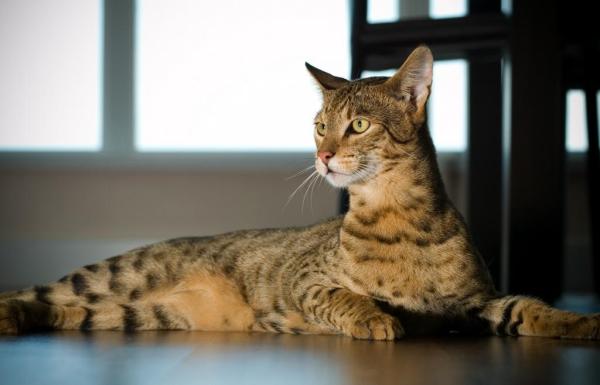
There is a lot of marketing behind the name. I have had at least five clients ask me to confirm whether their cat was truly an Ashera, and every time, I had to explain that verifying such a claim is not straightforward. Many of those cats looked very similar to Savannah cats, which are a recognized hybrid breed with a clearer history and breeding record.

What I Have Actually Seen in Real Homes

I haven’t handled a confirmed Ashera, but I’ve boarded several high-generation Savannah cats, sometimes described as close relatives or the same under a new name. Their behavior is revealing: these cats are active. They climb, open cabinets, and need more stimulation than typical indoor cats.

One owner I worked with last summer insisted her cat came from a rare line and sent me to a breeder page similar to the Ashera Cat page to better understand the lineage claims. I spent some time reviewing those materials and comparing them with what I saw in her cat day to day. The animal behaved like a typical high-energy hybrid, not like something entirely separate or mysterious.

These cats bond strongly with owners but are not always cuddly or calm. I had one that paced for an hour before settling, unlike most calmer breeds. They are striking but not low-maintenance.

Ashera Cat

The Controversy Around the Ashera Name

The Ashera cat has been the subject of debate for years, and I have had to explain this to clients more times than I can count. Some sources claim it is a distinct breed, while others argue it is essentially a rebranded Savannah cat sold at a higher price point. That confusion creates unrealistic expectations for buyers who think they are getting something entirely new.

I once had a client who paid a very high amount for what she believed was an Ashera, only to later learn from a vet that the cat’s traits matched a standard Savannah profile. That was a tough conversation. She was not upset with the cat, but she felt misled about what she had purchased.

From my perspective, the label matters less than the cat’s actual care needs. These animals require space, enrichment, and a patient owner who understands hybrid behavior. Whether someone calls it an Ashera or a Savannah does not change how the cat climbs curtains or demands attention at odd hours.

Living With a Cat Like This

Daily life with a large hybrid-style cat is different from living with a typical house cat. I always tell clients to prepare for more interaction, more supervision, and a bit more chaos. One cat I boarded knocked over a tall plant stand within the first two hours of arrival. That kind of energy is common.

They need structure. I usually recommend at least two dedicated play sessions per day, each around 15 minutes, to burn off energy and reduce destructive behavior. Without that outlet, they will create their own activities, which often involve your furniture.

These cats also tend to be more curious about water, doors, and high spaces. I have seen someone open a sliding door by repeatedly jumping and pushing at the handle. That level of persistence can be charming, but it can also become exhausting if the home is not set up properly.

Is the Ashera Worth the Hype

In my experience, the hype around the Ashera often overshadows the reality of living with a high-energy hybrid cat. People focus on price and rarity, but they often do not consider the daily commitment required. These cats are not ornaments. They demand attention and engagement.

Some owners love the experience and wouldn’t trade it for anything. Others feel overwhelmed within months. Preparation and expectations, not the cat, usually make the difference.

If someone is drawn to the look and personality, I usually suggest they spend time with a Savannah cat first. That gives a realistic sense of what life will be like. It is better to understand the behavior up front than to rely on marketing claims or online descriptions. I still remember that first conversation about the Ashera. It sounded almost mythical at the time. After years of working with similar cats, I see it less as a mystery and more as a reminder that names can shape expectations more than reality ever will.

For anyone considering a cat like this, it is important to focus on the real-life care, energy, and commitment involved, rather than being swayed by marketing or names. In the end, understanding what these cats really need is what matters most, both for the owner and the animal.

Lion Cat Breed
Apr
What I Tell Clients About the So-Called Lion Cat Breed

I run a mobile cat grooming van and spend most of my days driving between homes, working with cats in their own space where they feel less stressed. Over the years, I have heard the phrase “lion cat breed” more times than I can count. Clients usually say it while pointing at a fluffy cat with a dramatic haircut or a breed with a heavy mane. That confusion is understandable because the term sounds like a real breed name, but in most cases, it is not.

Where the “Lion Cat” Idea Comes From

The first time someone asked if I groomed lion cats, I thought they meant a breed, but soon realized most meant a look—cats like Maine Coons, Persians, or long-haired mixes with thick fur around the neck that give a lion-like appearance.

I have worked on cats weighing anywhere from 4 kilos to over 9 kilos that people proudly called their “lion cat.” The reality is that size and fur density vary widely across breeds and even within individual cats. Some develop a full ruff around the neck, while others just have a slightly thicker collar of fur. The name sticks because it is easy to remember.

Social media images make dramatic coats seem like a special category. Clients often show me photos and ask if their cat can get that look. Sometimes yes, sometimes no.

The Lion Cut Versus a Lion Breed

Most of the time, what people are really talking about is the lion cut, which is a grooming style rather than a breed. I perform this cut several times a week, especially during warmer months when long-haired cats struggle with heat or matting. It involves shaving the body, leaving fur around the head, chest, and, sometimes, the tail tip. The result looks very close to a miniature lion.

One client wanted a transformation from an online tutorial, but I adjusted based on her cat’s coat and comfort. The final look had a lion effect, done in two shorter sessions.

Not every cat is a good candidate for this cut. Some cats become anxious around clippers, while others have more sensitive skin after shaving. I always assess the coat first, checking for hidden mats or irritation before starting. Safety comes first. The style comes second.

Lion Cat Breed

Breeds That Naturally Look Like Lions

If someone insists on a “lion-like” cat without grooming, I usually point them toward a few specific breeds rather than styles. Maine Coons are the most common example I see in my van. They often have a thick mane that frames the face, especially in winter, and their large size adds to the effect.

Persians also look “lion-like,” with very dense fur that sometimes fills a small bag after grooming. It’s a lot of fur.

There are also less common breeds like the Norwegian Forest Cat, which can develop a very distinct ruff. These cats tend to have a layered coat that changes with the seasons, so the lion-like appearance can come and go. I have seen one look completely different within a three-month period.

What Living With a “Lion Cat” Is Really Like

Living with a long-haired cat brings extra responsibility. I tell new owners they must groom regularly—either on their own or with my help. Brushing at least three times a week helps prevent tangles in thick coats.

Mats are a real issue. I have removed tight mats that formed after just a few weeks of neglect. Once mats tighten, they’re uncomfortable, even if the cat hides it.

Shedding is also an issue. Some clients joke they vacuum twice a day and still find hair everywhere, which is often the reality.

Why the Name Sticks Around

The phrase “lion cat breed” continues to circulate because it is simple and descriptive. It captures attention quickly, especially for people new to cats or browsing online. I do not correct clients harshly when they use it. Instead, I explain what they are likely seeing and how it connects to real breeds or grooming styles.

Calling a cat a lion adds excitement and makes the animal seem special, even if it spends most of the day on the sofa. I see owners light up when their cat gets a lion cut. It creates a moment.

I always bring the conversation back to care. Genetics or grooming can create the look, but daily reality matters more than the name. Cats with thick coats need attention, patience, and planning.

When someone says they have a lion cat, I know what they mean—a house cat with a big personality and a lot of fur, which is often more interesting than the name.