Can Cats Have Apple Juice in Real-Life Feeding Situations I’ve Seen
I work as a mobile cat groomer, and over the years, I’ve been in plenty of homes where pet nutrition questions come up while I’m trimming nails or brushing out mats. One question I hear more often than people expect is whether cats can have apple juice, usually asked casually while someone is pouring themselves a glass in the kitchen.
I’ve learned that these moments matter because owners are trying to be kind without always knowing what fits a cat’s system. I’ve had these conversations in quiet living rooms, busy apartments, and even during late evening appointments when cats are finally calm enough to sit still.
What does apple juice mean for a cat’s body
From what I’ve seen in daily grooming visits and owner discussions, cats don’t process sugary fruit drinks the same way humans do. Apple juice is mostly water and sugar, but that sugar load can be harder on a cat’s digestive system than most people realize. A customer last spring offered a tiny sip to her curious tabby after the cat kept sniffing her glass, and the cat later that evening experienced mild but noticeable digestive upset.
Cats are obligate carnivores, which means their bodies are built around protein and fat, not fruit-based sugars. Even small amounts of apple juice can introduce unnecessary glucose that doesn’t serve any nutritional purpose for them. I’ve seen cats become slightly lethargic or show loose stools after tasting human drinks they weren’t used to, especially when those drinks were sweetened or concentrated.
In my experience, plain water is always the safest option, and most cats naturally stick to it once they are not tempted by what their owners are drinking. I’ve watched many cats sniff around juice glasses with curiosity, but lose interest quickly if they are consistently offered fresh water in a clean bowl. That simple habit tends to prevent a lot of unnecessary digestive confusion over time.
What I tell owners during grooming visits
I usually explain things in simple terms while I’m working because people are more receptive when their cat is relaxed on the table. I tell them that apple juice is not toxic in the strict sense for most healthy cats, but it still does not belong in their routine diet. A customer last summer had been giving her indoor cat occasional licks from her glass, thinking it was harmless, until I explained how even small sugar exposures can build up digestive sensitivity over time.
When I need to check feeding guidelines or compare safe treat options for cats during client visits, I sometimes refer to ” Can cats have apple juice as a general reference point while explaining common pet-safe practices to owners. I don’t rely on any single source for nutrition advice, but having structured information helps me stay consistent when I’m answering questions in different homes. These conversations usually lead to practical changes, like switching to cat-safe treats instead of human leftovers.
One thing I’ve noticed is that owners often underestimate how quickly cats learn patterns around human food. If a cat is repeatedly given even tiny tastes of juice, it starts associating glasses and bottles with rewards, leading to more begging at the wrong times. I’ve seen that cycle a few times, and it usually takes a week or two of consistency to break once it starts.
Signs I watch for after accidental exposure
Most cats that try apple juice by accident don’t show severe reactions, but I still pay attention to small behavioral changes when I hear about it during appointments. Mild stomach upset is the most common response and usually presents as softer stool or a reduced appetite for a short period. A customer last fall mentioned her kitten seemed slightly off after licking juice from a dropped glass, but the issue resolved within a day once normal feeding resumed.
Hydration becomes the main focus after any sugary exposure, and I always recommend making sure the cat has constant access to clean water. In my grooming van, I’ve seen cats recover quickly from minor dietary mistakes simply because they stayed hydrated and kept their routine stable. Most of the time, their systems reset without any intervention beyond normal care.
There are rare cases when a cat may show more noticeable discomfort, such as vomiting or persistent diarrhea, and those situations should be treated more seriously. I’ve only seen that a few times in years of work, usually in cats that had multiple unfamiliar foods at once rather than just a sip of juice. In those cases, owners later adjusted feeding habits more carefully.
How I guide safer habits around human drinks
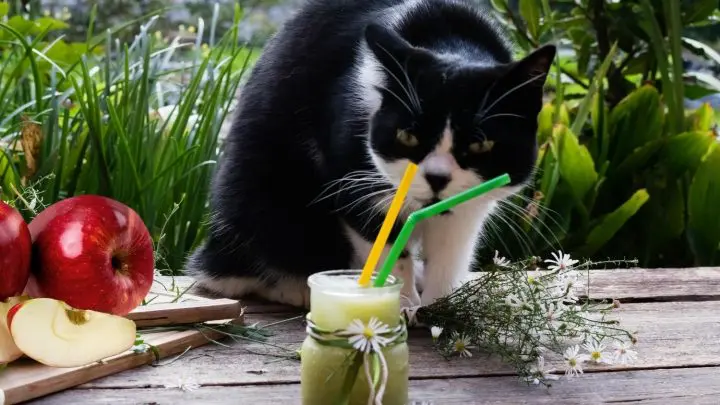
In most homes I visit regularly, the real solution isn’t just about apple juice, it’s about reducing access to all human beverages. Cats are naturally curious, and I’ve watched them inspect everything from coffee mugs to fruit juices within seconds of being left unattended. A consistent habit of keeping drinks covered or out of reach prevents most of the accidental exposure issues I see.
Over time, I’ve noticed that cats adapt quickly when owners stop reinforcing curiosity around human drinks. If there is no reward or taste experience, the interest fades faster than most people expect. I’ve had clients report that within a week of changing habits, their cats stopped jumping on tables during drink time altogether.
The biggest shift usually comes from owners realizing that small indulgences add up in behavior patterns, not just nutrition. A sip here or there might seem harmless in the moment, but cats build associations quickly, and those associations shape how they interact with food and drink spaces in the home. I’ve seen calmer, more predictable behavior in households that keep a clear separation between human beings and pet routines.
Apple juice itself is not something I would include in a cat’s diet based on everything I’ve observed in the field. The better approach I’ve seen work consistently is simple consistency, clean water, and clear boundaries around what belongs to the cat and what stays on the human side of the table. That structure tends to keep both digestion and behavior in a much more stable place over time.