Flame Point Siamese
Mar
How to Train Your Flame Point Siamese: Expert Tips

As a licensed veterinarian practicing in Texas, I’ve had the pleasure of working with many Siamese cats, including the striking flame point variety. Their creamy coats contrasted with vibrant red-orange points make them instantly recognizable, but there’s much more to these cats than their looks. Over the years, I’ve encountered flame point Siamese in homes across the state, and each experience has taught me lessons about their care, personality, and health considerations.

Personality and Temperament of Flame Point Siamese

One of the first things I noticed when a customer brought in their flame point kitten last spring was how vocal and interactive the cat was. Flame points are known for their talkative nature, and this one certainly lived up to that reputation. In my experience, they are incredibly social cats, often forming strong bonds with their owners. I’ve observed flame points following family members from room to room, demanding attention, or even curling up on laptops during work-from-home hours.

While they are affectionate, they can also be sensitive. I once had a client whose flame point became stressed whenever there were changes in the household, like moving furniture or introducing a new pet. This sensitivity means that early socialization and a stable environment are essential. Ignoring these needs can lead to anxiety-driven behaviors such as over-grooming or hiding.

Health Considerations and Common Issues

During my years of practice, I’ve noticed that flame point Siamese share many health traits with traditional Siamese cats. For instance, they can be prone to dental issues and respiratory sensitivities. I remember treating a young flame point for chronic gingivitis; the owner had underestimated the importance of regular dental care. After a cleaning and a consistent home routine, the cat’s comfort improved dramatically.

Another concern I’ve observed is obesity. Flame points are active, but owners can overfeed if they provide too many treats. One patient, a middle-aged female, developed joint discomfort simply because her daily food intake wasn’t properly monitored. Adjusting her diet and encouraging playtime made a remarkable difference in her mobility and energy levels.

It’s also worth mentioning that while flame points are generally robust, they can inherit the same genetic issues seen in the Siamese breed, including heart conditions and some progressive eye disorders. I’ve advised clients to schedule regular veterinary check-ups to catch problems early.

Flame Point Siamese

Practical Care Tips from Experience

In my hands-on experience, flame-point Siamese thrive in environments that provide mental stimulation alongside physical activity. Puzzle feeders, interactive toys, and safe climbing spaces can keep them engaged. I recall a client who had an entire wall-mounted cat climbing system installed; her flame point became calmer and more playful, which reduced stress-related behaviors.

Nutrition is equally critical. I often recommend high-quality protein diets, keeping in mind that flame points have active metabolisms and need balanced meals to maintain optimal weight. One cat I treated had frequent digestive upsets until the owner switched to a high-protein, grain-free diet tailored to sensitive stomachs—something that made a noticeable difference within weeks.

Grooming is relatively straightforward. Their short coats generally require minimal brushing, but during shedding seasons, a light grooming session helps reduce hairballs. I’ve personally seen owners underestimate the importance of grooming until a cat developed matting near the tail, which caused skin irritation. Regular brushing, even briefly, prevents these issues.

Why Flame Point Siamese Are Special

From my professional perspective, flame point Siamese are more than just beautiful cats—they are intelligent, affectionate, and deeply connected to their human companions. They do best with owners who can provide interaction, structured care, and attention to their unique health needs. Over the years, I’ve seen these cats flourish when their owners understood their personalities, engaged them mentally and physically, and stayed attentive to their health.

For anyone considering a flame-point Siamese, my advice is to invest in a stable, stimulating environment and to be proactive about health monitoring. Their vibrant personalities and loyalty make them a joy to care for, and the experiences I’ve had with these cats in clinical and home settings have shown me that, with the right attention, flame points can thrive for many happy years.


Border Collie for You
Mar
How to Choose the Right Border Collie for You

Insights from My Experience

As a veterinarian with over a decade of experience caring for working and companion dogs in Texas, I’ve seen Border Collies come into homes in a variety of circumstances—some as family pets, others as serious herding dogs. One question I get asked repeatedly by prospective owners is: “How much does a Border Collie cost?” From my perspective, the answer isn’t just about dollars—it’s about understanding what you’re paying for and what responsibilities come with the breed.

Price Range and What Influences It

In my experience, the price of a Border Collie can vary significantly depending on the breeder, the dog’s lineage, and its intended purpose. For example, a friend of mine was looking for a pet Border Collie just last spring. She ended up paying several thousand dollars for a well-bred puppy from a reputable breeder with health clearances and strong working lines.

Contrast that with a Border Collie adopted from a shelter or rescue, which might cost only a few hundred dollars, but those dogs often come with unknown backgrounds and may require more careful assessment of temperament and health.

Why Some Border Collies Cost More

The price difference usually reflects more than just pedigree. When a breeder invests in health testing for hips, eyes, and genetic conditions, vaccinations, microchipping, and early socialization, those costs are built into the puppy’s price. I’ve examined puppies whose owners bought them from low-cost sources and found underlying health issues that could have been prevented.

In one instance, a customer brought in a Border Collie under a year old with persistent hip problems. She had spent less initially, but veterinary care over the following months ended up costing far more than what she would have paid upfront for a carefully screened puppy.

Border Collie for You

Cost Based on Purpose: Pet vs Working Dog

Another factor influencing price is the dog’s intended use. Border Collies bought for competitive herding or dog sports often command higher prices than those purchased as companion pets. I’ve worked with families who paid premiums for show-line Border Collies with specific traits, such as intelligence and physical conformation. Companion-line Border Collies, bred more for temperament and trainability, might be somewhat less expensive but still require a serious time commitment given their high energy levels.

Hidden Costs Beyond the Purchase Price

Beyond purchase price, I always advise prospective owners to consider the ongoing investment in training, exercise, and veterinary care. I remember a family who thought they were getting a “cheap” Border Collie from a pet store. Within months, the dog developed behavioral issues due to a lack of stimulation, and their vet bills and professional training costs quickly exceeded the initial savings. Border Collies are not low-maintenance dogs, and any initial cost should be weighed against the lifelong commitment required.

Budgeting and Smart Buying Advice

If you’re planning to get a Border Collie, budget several hundred dollars for a rescue or several thousand for a well-bred puppy with documentation and early training. I guide clients to prioritize health, temperament, and reputable sources over the lowest price, as smart investing usually prevents larger expenses and frustrations later.

Final Thoughts on Value and Responsibility

A Border Collie’s value isn’t just its price—it’s in the care and commitment you offer. Understanding the breed’s needs helps owners make choices that benefit both dog and family. Paying more for a healthy, well-bred dog often prevents future problems and gives your Border Collie the best chance to thrive.

Treat Your Dog's Hemorrhoids at Home
Mar
How to Treat Your Dog’s Hemorrhoids at Home

 Insights from a Practicing Veterinarian

As a licensed veterinarian practicing in Texas for over a decade, I’ve seen a wide range of conditions affecting dogs’ digestive and anal health. One question I encounter more often than people might expect is whether dogs can get hemorrhoids. In my experience, the short answer is no—not in the same way humans do—but dogs can develop other issues that look or feel similar. Understanding the difference can save both owners and pets unnecessary worry.

Common Misconceptions About Hemorrhoids in Dogs

When a dog comes into my clinic with anal discomfort, swelling, or bleeding, the instinct of many pet owners is to assume hemorrhoids. I remember a customer last spring who was convinced her eight-year-old Beagle had hemorrhoids because he was scooting across the carpet and licking his rear excessively.

Upon examination, I found that what she thought were hemorrhoids were actually perianal gland impactions. These glands, located on either side of a dog’s anus, can become blocked or inflamed, leading to swelling, irritation, and discomfort—symptoms that mimic those associated with hemorrhoids.

Why Dogs Rarely Develop True Hemorrhoids

Dogs’ anatomy differs from ours in ways that make classic hemorrhoids extremely rare. Humans develop hemorrhoids because of increased pressure in the rectal veins, often from prolonged sitting, chronic constipation, or pregnancy. Dogs, however, walk on four legs, and their anal veins are less prone to the kind of pressure that triggers hemorrhoids in humans.

That said, I have treated dogs with anal sac abscesses, prolapses, and rectal tumors, all of which can present with visible swelling or blood near the anus, which might alarm a pet owner. In these cases, early veterinary attention is crucial.

Treat Your Dog's Hemorrhoids at Home

Conditions That Can Be Mistaken for Hemorrhoids

Another instance that sticks in my mind involved a senior Labrador Retriever. The owner noticed a small, red, puffy bump near the dog’s anus. At first, they suspected hemorrhoids because of some loose stools the dog had over the week. Upon closer inspection, I diagnosed a perianal adenoma—a benign growth that’s fairly common in older, intact male dogs. W

ith proper treatment, which included surgical removal and follow-up care, the dog recovered comfortably. This case highlights why it’s risky to self-diagnose based solely on appearances.

Practical Care Tips for Dog Owners

Practical steps I advise for owners concerned about anal discomfort include observing for scooting, excessive licking, bleeding, or changes in stool consistency. Maintaining a high-fiber diet and staying properly hydrated can help prevent constipation, thereby reducing stress on the anal region. I’ve found that in many mild cases, adjusting the diet and ensuring regular bowel movements can help resolve irritation without invasive treatment.

Prevention Through Routine Veterinary Care

In my practice, I also emphasize prevention through routine vet check-ups. Anal sac expression, either performed manually by the vet or included in a home-care plan if instructed properly, can prevent impactions and infections.

Owners sometimes overlook this because the symptoms appear minor at first. I recall a young German Shepherd whose recurring scooting was ignored for months. By the time we examined him, both anal sacs were severely impacted, and one had an infection. A simple preventive routine would have avoided the discomfort entirely.

Final Thoughts on Dog Anal Health

So, while dogs do not typically develop hemorrhoids as humans do, their anal region is susceptible to conditions that can produce similar signs. Recognizing the difference and seeking timely veterinary care ensures your dog stays comfortable and healthy. In my experience, the majority of anal issues in dogs respond very well to early intervention, whether through dietary adjustments, proper hygiene, or medical treatment when needed.

Dilute Calico Cats
Mar
The Beauty of Dilute Calico Cats Explained

As a licensed veterinarian practicing in Texas for over a decade, I’ve had the pleasure of working with countless feline companions, and dilute calico cats always stand out to me. Their soft, muted coat colors—a gentle mix of cream, gray, and light orange—give them an almost ethereal appearance compared to the more vivid traditional calicos. But beyond their looks, there’s a lot about these cats that owners, and prospective owners, should understand.

First Encounter and Personality Traits

I first encountered a dilute calico while treating a rescue kitten brought in by a local animal shelter. She had the typical cream-and-gray patches that make these cats so distinctive. What struck me immediately was not just her beauty, but her playful, slightly mischievous personality.

In my experience, dilute calicos often display a strong sense of individuality, perhaps more than other coat variations. I’ve seen timid kittens blossom into confident, affectionate adults, while more assertive ones maintain a charming stubborn streak well into adulthood.

Common Misconceptions

One common misconception I notice among new cat owners is that the dilute coloring indicates a different breed or a weaker immune system. That’s simply not true. Dilute calico is a color pattern, not a breed, and it can appear in domestic shorthairs, longhairs, and several pedigree breeds. I remember a client last spring who insisted her dilute calico must be “special” or rare.

While her cat was indeed beautiful, I explained that dilute calicos are not uncommon—they’re just less vibrant, which makes them visually unique rather than genetically fragile.

Dilute Calico Cats

Health and Coat Care

Health-wise, dilute calicos follow the same care standards as any other cat, but I do emphasize attention to their skin and coat. The lighter pigmentation sometimes makes minor dermatological issues more noticeable. In one case, a dilute calico I treated developed a small patch of dermatitis from a flea allergy.

Because her coat was lighter, the redness and irritation were immediately visible, allowing us to intervene quickly. I advise routine grooming and careful observation for any changes in skin condition, particularly in these lighter-colored cats.

Temperament and Social Behavior

Temperament can vary widely, but I’ve found that dilute calicos often have a delightful balance of independence and affection. One of my patients, a mature female, would sit quietly beside her owner during my visits, occasionally nudging for attention before darting off to explore the examination room.

That kind of personality makes them ideal for homes where cats are companions but not necessarily clingy. For families with children or other pets, I suggest a slow introduction, as some dilute calicos can be more cautious in new social settings.

Importance of Early Socialization

Another point I stress with owners is the importance of early socialization. A dilute calico kitten that experiences varied environments and gentle handling tends to grow into a well-adjusted adult. I’ve personally seen timid kittens become outgoing after consistent, positive interactions with people and other animals. It’s a small investment of time that pays off in a cat that is confident and affectionate for life.

Feeding and General Care

In terms of feeding and general care, nothing about the dilute pattern requires special treatment. High-quality cat food, fresh water, routine vet checkups, and mental stimulation remain essential. I’ve occasionally had clients worry that the dilute coloring might signal dietary sensitivities, but in my experience, these cats thrive on the same nutrition standards as any other domestic cat.

Conclusion

In conclusion, dilute calico cats are a beautiful and often charming addition to any home. Their coat may be softer in tone, but their personalities are vibrant. From my hands-on experience treating and observing these cats over the years, I can confidently say that the key to a happy dilute calico lies in regular care, attentive observation, and plenty of love. They’re not rare in the genetic sense, but each one feels unique the moment you meet them.

Can Cats Have Pretzels
Mar
Can Cats Have Pretzels? What You Need to Know

As a licensed veterinarian in Texas for over a decade, I’ve often seen cats after they’ve eaten human snacks. A frequent question is, “Can my cat have pretzels?” I’ve witnessed how seemingly harmless foods can affect feline health, and I want to share what years of experience have taught me.

Why Pretzels Are Not Ideal for Cats

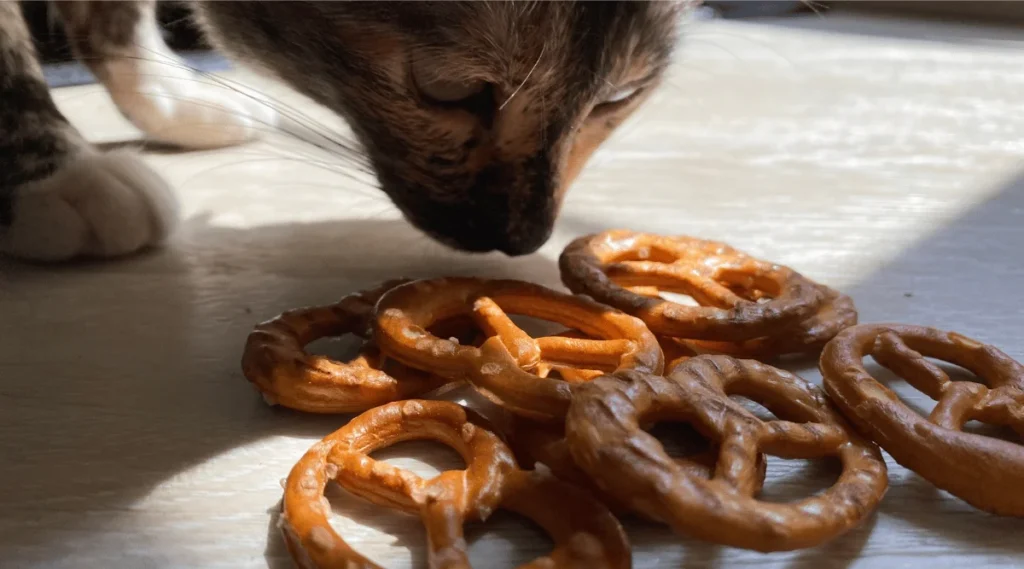
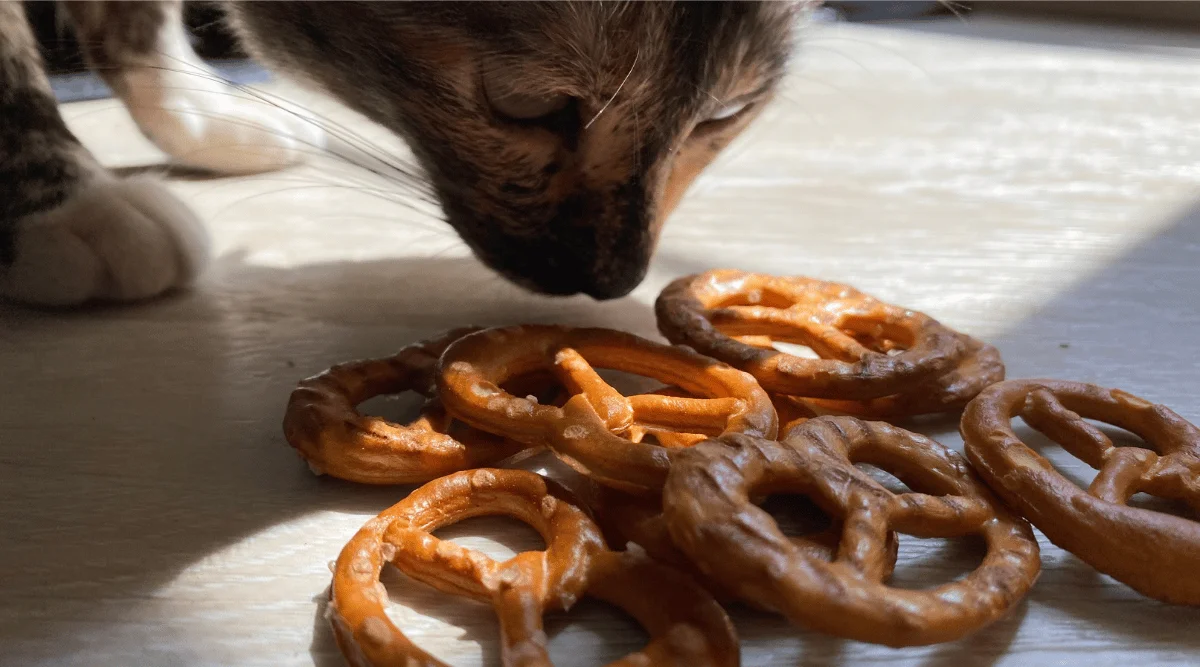
Cats are obligate carnivores; their bodies need meat, not carbs, salt, or additives common in pretzels. Even occasional pretzels can be risky, especially if salted or flavored with garlic or onion powder, which are toxic to cats.

A Real-Life Case Example

I remember a case last spring in which a customer’s cat nibbled on a small bowl of salted pretzel pieces while the owner was distracted in the kitchen. The cat didn’t show immediate signs of distress, but within a few hours, it became lethargic and refused to eat.

A quick examination revealed mild dehydration and elevated sodium levels, which we treated with fluids and careful monitoring. This situation reinforced for me how quickly something as innocent as a few pretzels can affect a cat’s health.

Are Plain Pretzels Safe?

Plain, unsalted pretzels are less risky but still not ideal. Some cats tolerate a tiny piece, but it offers no nutrition. Cats need protein and taurine, not grains or wheat. Even small, rare pieces can mean extra carbs leading to weight gain or digestive upset—something I see frequently.

Can Cats Have Pretzels

Another Case from Practice

Another real example comes from a family that thought giving their cat pretzels would be a fun way to include it during movie nights. They noticed their cat developed frequent vomiting and diarrhea after a week of occasional snacking.

Upon reviewing the diet, it became clear that the pretzels were the culprit. After removing them entirely and reverting to a balanced feline diet, the symptoms resolved. Experiences like this illustrate why I encourage owners to think twice before offering human snacks, even in small quantities.

Risks of Flavored Pretzels

In addition to digestive issues, pretzels with added flavors or coatings—such as cheese, chocolate, or caramel—pose a serious risk. Chocolate and certain seasonings are outright toxic, and even tiny amounts can lead to vomiting, rapid heart rate, or worse. I’ve treated cats who accidentally ingested flavored pretzels, and the emergency care needed could have been avoided entirely by simply keeping these treats out of reach.

Safer Alternatives for Cats

In my practice, I often recommend safer alternatives if owners want to treat their cats. For example, small, plain pieces of cooked chicken or turkey—fully cooked and unseasoned—are generally safe. You can also use commercially available treats specially formulated for cats, which are designed to meet their nutritional needs and are less likely to cause digestive issues. These options offer a way to give your cat an occasional snack without the risks associated with pretzels, while supporting the cat’s health.Conclusion

Overall, while pretzels are not inherently poisonous, they offer no nutritional benefit, can upset digestion, and may even be dangerous if salted or flavored. My professional advice, based on years of observing feline reactions and dietary outcomes, is to avoid giving cats pretzels. The few moments of novelty aren’t worth the potential health complications.

Dog's Bad Breath
Mar
Understanding Your Dog’s Bad Breath: Key Causes Explained

As a licensed veterinarian practicing in Texas for over a decade, I’ve treated countless dogs with bad breath. Many owners assume it’s just “doggy smell,” but persistent halitosis usually signals an underlying issue that requires attention. In my experience, understanding the root cause is the key to solving it effectively.

Dental Disease and Plaque Buildup

One of the most frequent causes of bad breath in dogs is dental disease. Plaque and tartar accumulate on teeth, allowing bacteria to thrive and produce foul odors. I remember a small terrier last spring who came in with heavily discolored teeth and a particularly strong odor. The owner thought giving chew toys occasionally would be enough, but after a professional cleaning under anesthesia, the halitosis disappeared almost immediately.

In my practice, I’ve found that brushing a dog’s teeth daily—or at least a few times per week—combined with regular veterinary dental exams, makes a dramatic difference. Many owners underestimate how quickly oral bacteria can accumulate and cause persistent bad breath.

Gastrointestinal and Metabolic Causes

Not all bad breath originates in the mouth. Sometimes, it’s linked to internal health issues. For example, I treated a middle-aged Labrador whose breath smelled sweet and fruity. Tests revealed early-stage diabetes. Similarly, kidney disease can produce a urine-like or ammonia smell in the mouth.

Owners often focus on teeth and overlook systemic problems, but I’ve seen firsthand how noticing a distinct change in a dog’s breath can provide an early warning sign of serious conditions. Addressing these underlying health problems is essential—not just masking the odor.

Dog's Bad Breath

Diet and Eating Habits

Diet can play a major role in halitosis. Dogs that scavenge, eat spoiled food, or get into the trash are more prone to foul-smelling breath. One beagle I treated had been sneaking into the trash, and his odor was particularly offensive. Once the owner controlled his diet and prevented scavenging, the smell improved within days.

I often caution owners against relying solely on flavored dental chews. While they help mechanically reduce plaque, they cannot replace regular brushing or professional dental care. A healthy diet, along with proper oral hygiene, is far more effective at preventing bad breath.

Foreign Objects and Mouth Infections

Sometimes, bad breath arises from localized infections caused by foreign objects lodged in the mouth. I recall a golden retriever who had a piece of rawhide stuck between his molars. It caused swelling, pain, and a strong odor. Once removed, the smell disappeared, and the infection healed. Situations like this underscore the importance of a thorough oral examination whenever halitosis appears suddenly or is accompanied by drooling or pawing at the mouth.

Observing Changes in Breath

From my perspective, bad breath should never be dismissed as normal. Regular dental care, a balanced diet, and prompt veterinary attention can prevent minor odors from signaling serious health issues.

In my experience, owners who pay attention to their dog’s breath—and act quickly when it changes—often catch underlying problems early, protecting both oral health and overall wellbeing.

Blind Dogs
Mar
What Do Blind Dogs Actually See in Their World?

As a licensed veterinarian practicing in Texas for over a decade, I’ve encountered many dogs with varying degrees of vision loss. One of the most common questions I hear from pet owners is: “What do blind dogs actually see?” While I can’t give a single, precise answer for every dog, I can share what my experience has taught me through hundreds of cases.

Partial Vision in Blind Dogs

Blind dogs rarely see complete darkness. In my practice, I’ve observed that many dogs retain partial vision, especially if their blindness develops gradually. For instance, I once treated a golden retriever named Max, whose cataracts had advanced over several months.

Max could still perceive light, shadow, and vague shapes, which allowed him to navigate his living room with cautious confidence. Dogs like Max don’t perceive fine details, but they can detect changes in brightness and movement, which helps them orient themselves.

Sudden Blindness and Adaptation

Some dogs experience sudden blindness due to trauma or conditions like glaucoma. In these cases, the transition can be shocking for both the dog and the owner. I remember a case last spring of a young dachshund who had suddenly lost sight in both eyes. Initially, she bumped into furniture and seemed disoriented.

Over a few weeks, however, her other senses—especially hearing and smell—became remarkably acute. She learned to move confidently using scent markers and familiar sounds in her environment. From my observations, blind dogs rely far more on these non-visual cues than we might imagine.

Blind Dogs

Blindness Does Not Mean Helplessness

Another point I always emphasize to owners is that blindness doesn’t equate to helplessness. I worked with an elderly lab named Daisy who had advanced retinal degeneration. While she could no longer see shapes or movement clearly, she could detect shadows and light contrasts, like sunlight streaming through a window or a flashlight in a dark hallway.

She combined these minimal visual cues with her excellent memory of familiar layouts to move around safely. Seeing her navigate her home gave me firsthand insight into how dogs adapt to vision loss.

Emotional Experience and Support

From my professional perspective, understanding what a blind dog sees also involves recognizing their emotional experience. Many dogs show initial anxiety or hesitation, but with patience and environmental consistency, they regain confidence.

One technique I often recommend is maintaining consistent furniture arrangements and using tactile markers, such as rugs or mats, to help the dog identify specific areas. These adaptations complement their remaining vision, giving them a sense of structure and safety.

Conclusion

In short, blind dogs often perceive a combination of light, shadow, vague shapes, and motion, rather than total darkness. Their other senses—smell, hearing, and touch—become far more important, and with proper support, they can lead rich, active lives. In my experience, owners who focus on consistency, patience, and sensory cues help their dogs adjust far more successfully than those who worry excessively about the blindness itself.

Observing how a dog like Max, Daisy, or the dachshund I mentioned adapts over time has shown me that vision is just one way dogs experience the world—there’s so much more guiding them than we might initially believe.

How Long Your Dog Can Be Alone
Mar
How to Determine How Long Your Dog Can Be Alone

A Veterinarian’s Perspective

As a veterinarian in Texas for over ten years, I’ve often been asked, “How long can I leave my dog alone?” There isn’t one answer—dogs vary by age, breed, personality, and health. However, years of experience have given me a solid sense of what’s realistic and safe.

Puppies: Short Stints Only

When I first encountered a six-month-old German Shepherd puppy, his owners were leaving him alone for five hours each day while they worked. By the time I examined him, he had mild diarrhea, chewed up part of the couch, and was clearly stressed. Puppies have tiny bladders and strong social needs; most cannot comfortably wait more than 2 to 4 hours without a bathroom break.

I’ve seen puppies develop separation anxiety if left alone too long. A client adopted a three-month-old Beagle, expecting her to manage a typical workday, but would return to chewed-up doors and shredded pillows. We implemented a schedule with brief periods of alone time, crate training, and interactive toys. Within weeks, the puppy adjusted. The lesson: short, frequent alone periods and gradual training are crucial.

Adult Dogs: Four to Six Hours is Often the Limit

Adult dogs can generally tolerate being alone longer than puppies, but not all adult dogs are alike. Medium- and large-breed dogs may manage four to six hours, provided they have water, food, and some form of mental stimulation. But I’ve had clients whose dogs became anxious after just three hours.

For example, a senior Golden Retriever I treated had developed pacing and mild digestive issues after being left alone for eight hours daily. The owners were shocked because he had always been calm. We addressed this by adding a long morning walk, interactive puzzle toys, and slightly reducing alone time. His anxiety improved remarkably. The takeaway: even mature dogs can struggle when left alone, especially if they are used to social interaction or have health issues.

Small or Social Breeds Need Extra Attention

Some breeds are more sensitive to isolation. Toy breeds like Cavalier King Charles Spaniels or Miniature Poodles thrive on companionship. A client’s poodle, which I worked with, would bark nonstop if left alone for more than three hours. We introduced short breaks, play sessions before leaving, and puzzle feeders. This significantly reduced stress and destructive behaviors.

How Long Your Dog Can Be Alone

Independent and Working Breeds

I’ve also worked with more independent breeds, such as hounds or certain working dogs. These dogs can often tolerate longer periods alone if they get sufficient exercise and stimulation beforehand.

I remember a case of a retired hunting dog who could be left alone for 6 to 7 hours without any issues—but only because he had a long morning run and chew toys to occupy his mind. Energy management is key here: a tired, mentally stimulated dog handles alone time far better than an under-exercised one.

Senior Dogs: Watch for Anxiety and Health Concerns

Older dogs often have additional needs. They may struggle to hold their bladder for long periods or become anxious when left alone. I had a client with a twelve-year-old Labrador Retriever who began having accidents after being left alone for seven hours daily. Adjusting his routine to include a mid-day dog walker helped immensely, along with setting up a comfortable, familiar space with a cozy bed and a few toys.

Practical Tips for Leaving a Dog Alone

Based on my experience, here are a few strategies that consistently help dogs cope with alone time:

  • Exercise first: A brisk walk or play session before leaving helps burn energy and reduces anxiety.
  • Mental stimulation: Puzzle toys, safe chew toys, or treat-dispensing devices can keep dogs occupied.
  • Gradual training: Start with short absences and slowly increase the time, so your dog adjusts comfortably.
  • Safe environment: Ensure the dog’s area is hazard-free and provide access to water.
  • Consider help: If alone periods are long, hiring a dog walker or using doggy daycare can help prevent behavioral problems.

My Professional Recommendation

From my years as a veterinarian, I generally advise: Puppies under six months old should rarely be left alone for more than 2 to 4 hours. Most adult dogs manage four to six hours, but personality and breed matter. Senior or anxious dogs may need more attention. Observe your dog’s behavior and adjust routines. Ignoring stress can cause long-term issues.

While being apart is sometimes necessary, planning alone time thoughtfully based on your dog’s specific situation makes a real difference. Respecting these factors leads to happier dogs and better relationships.

Worms in Dog Poop
Mar
Understanding Worms in Dog Poop: A Pet Owner’s Guide

From a Vet Who Sees This Weekly

The first time a client brought me a stool sample wrapped in a tissue and said, “Something’s moving in it,” I remember the mix of concern and embarrassment on their face. I’ve been a small-animal veterinarian for over a decade. This is one of the most common (and fixable) issues dog owners face.

If you’ve noticed something unusual in your dog’s poop, you’re not alone. The tricky part is knowing what you’re actually looking at. Not all worms look the same, and not everything that looks like a worm actually is one.

Let me walk you through what I’ve seen in real cases and what it likely means.

The Most Common Worms You’ll Actually See

In my experience, dog owners usually spot worms when they’re already visible to the naked eye. That narrows it down to a few usual suspects.

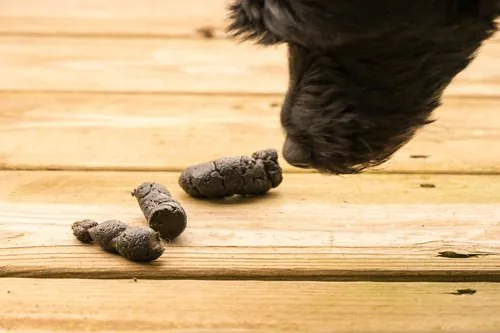
Roundworms are probably the most recognizable. They look a bit like pale, off-white spaghetti strands. I once had a young dog come in after vomiting, and several of these long, noodle-like worms were mixed in. The owner initially thought it was undigested food. In stool, they appear similar: long, smooth, and sometimes curled.

Tapeworms are different. You won’t usually see a full worm. Instead, you’ll notice small, rice-like segments around the poop or stuck to your dog’s rear. I had a case last spring in which a client insisted their dog had “grains of rice” on the bedding. That’s classic tapeworm shedding. These segments can move slightly when fresh. It’s understandable that this freaks people out.

Hookworms and whipworms are more deceptive. You generally won’t see them in the stool. They’re small and tend to stay attached inside the intestine. The first clue is not visual—it’s symptoms like diarrhea, dark stools, or weakness. Often, the stool appears normal, but lab tests reveal a different story.

What People Often Mistake for Worms

I’ve lost count of how many times I’ve been shown something that looked like a worm—but wasn’t.

Undigested food is the biggest culprit. Things like grass fibers, vegetable strands, or even bits of fabric can pass through, looking eerily worm-like. One client brought in what they were sure were worms, but it turned out their dog had gotten into a mop head.

Mucus in stool can also look like worms. It has a slimy, stringy appearance and can be mistaken at a glance. The difference: mucus breaks apart easily, unlike real worms.

This is why I always recommend against jumping to conclusions based on a single glance. If you’re unsure, a quick fecal exam at a clinic can settle it.

What Fresh vs. Old Worms Look Like

Here’s something most people don’t realize until they’ve seen it firsthand: worms change appearance quickly.

Fresh worms are often moist, slightly shiny, and may even move. Tapeworm segments, in particular, can contract and expand briefly after being passed.

After a few hours, they dry out. Tapeworm segments that once looked like rice can resemble sesame seeds. Roundworms lose their sheen and become stiff. I had a case where a client only noticed the dried segments days later on their dog’s blanket and had no idea they’d been there the whole time.

Timing matters when you’re trying to identify what you’re seeing.

Where You’ll Notice Them Besides Poop

Sometimes, the first sign isn’t in the stool at all.

I’ve had owners come in because their dog was scooting excessively. Often, that’s due to irritation from tapeworm segments around the anus. You might also see them stuck in fur or on bedding.

In heavy infestations, especially in puppies, worms can appear in vomit. That’s usually roundworms, and it tends to alarm people more than anything in stool.

Worms in Dog Poop

Mistakes I See Dog Owners Make

One of the most common mistakes is waiting too long. I understand the hesitation—no one wants to overreact—but parasites don’t resolve on their own. I’ve seen mild cases turn into serious weight loss or anemia, particularly with hookworms in young dogs.

Another mistake is using over-the-counter treatments without proper identification. Not all dewormers treat all worms. I’ve had clients try multiple products with no success, only to find out they were targeting the wrong parasite entirely.

And then there’s the assumption that indoor dogs are safe. Fleas can carry tapeworms, and I’ve treated plenty of dogs who never set foot outside but still ended up infected.

What I Usually Recommend in Practice

If you see anything suspicious in your dog’s stool, collect a fresh sample and bring it to your veterinarian as soon as possible for analysis. Erring on the side of caution helps catch problems before they worsen. In most cases, treatment is straightforward once we know what we’re dealing with. Deworming medications are effective, but they need to match the parasite. I also usually recommend follow-up testing to ensure the infection is fully cleared.

Prevention is crucial. Maintain a regular deworming schedule as recommended by your vet, use effective flea control consistently, and practice good hygiene by promptly cleaning up after your dog. These steps help prevent reinfection and keep your dog healthy.

A Final Thought from the Exam Room

One case that stuck with me involved a first-time dog owner who nearly gave up their puppy because they thought the worms meant they’d done something wrong. The reality is, parasites are incredibly common, especially in young dogs.

Catching it early, recognizing what you’re seeing, and acting on it—that’s what makes the difference.

If you’re looking at your dog’s poop and wondering whether that strange shape or movement is normal, trust your instincts. In my experience, owners are often justified in being suspicious.

Use a Dremel to Trim Dog Nails
Mar
How I Use a Dremel to Trim Dog Nails (Without Stress or Bloodshed)

A Complete Guide You Should Know

I have worked as a professional dog groomer for years, and the Dremel has truly transformed how I manage nail care. At first, I doubted its effectiveness, especially with nervous dogs, but learning to use it correctly changed my perspective.

If you’ve struggled with nail clippers, quickening your dog, or just dealing with the anxiety that comes with nail trims, a Dremel can be a game-changer. But only if you approach it the right way.

Why I Prefer a Dremel Over Clippers

I still use clippers occasionally, but I reach for the Dremel far more often now. The biggest reason is control.

With clippers, you’re making a cut—and if you misjudge the quick, there’s no undo button, which can cause pain or bleeding. With a Dremel, you’re gradually grinding the nail down, and you have more time to notice and avoid the quick.

I once worked with a rescue dog who had extremely overgrown nails that curled slightly inward. Clippers would have been risky. With a Dremel, I slowly reshaped the nails over a few sessions without causing pain. That’s when I fully trusted the tool.

Getting Your Dog Comfortable First

This is where most people go wrong. They turn the Dremel on and go straight for the paw.

In my experience, that almost always backfires.

Dogs need to get used to two things: sound and vibration. I usually start by letting the dog sniff the Dremel off. Then I turn it on for a few seconds at a distance just so they can hear it.

I worked with a young Labrador last spring who would pull away at the sound. So instead of forcing it, I spent a few minutes each day just turning the Dremel on and off near him while giving treats. Within a week, he stopped reacting completely.

Patience here saves you a lot of struggle later.

How I Actually Use the Dremel

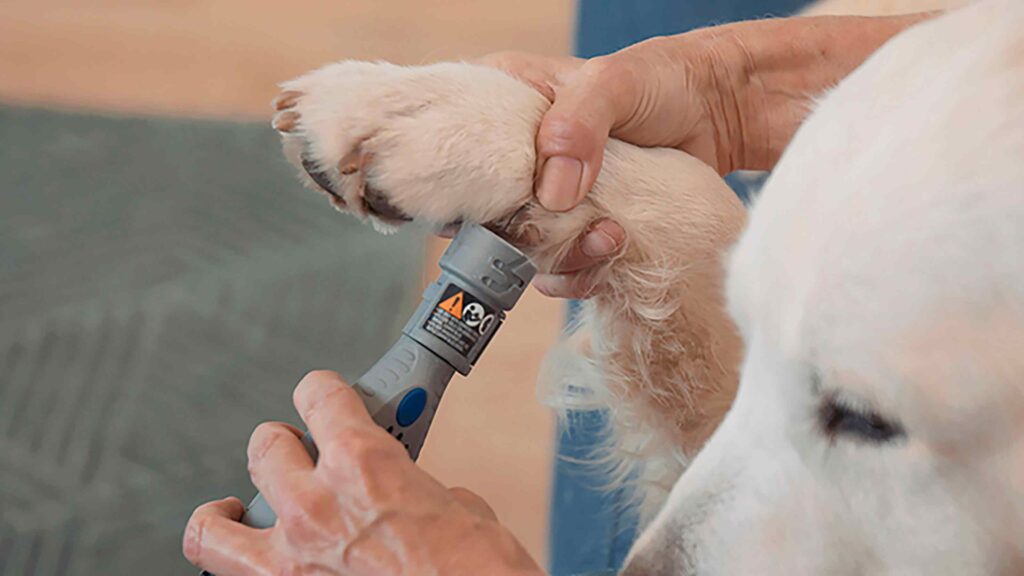
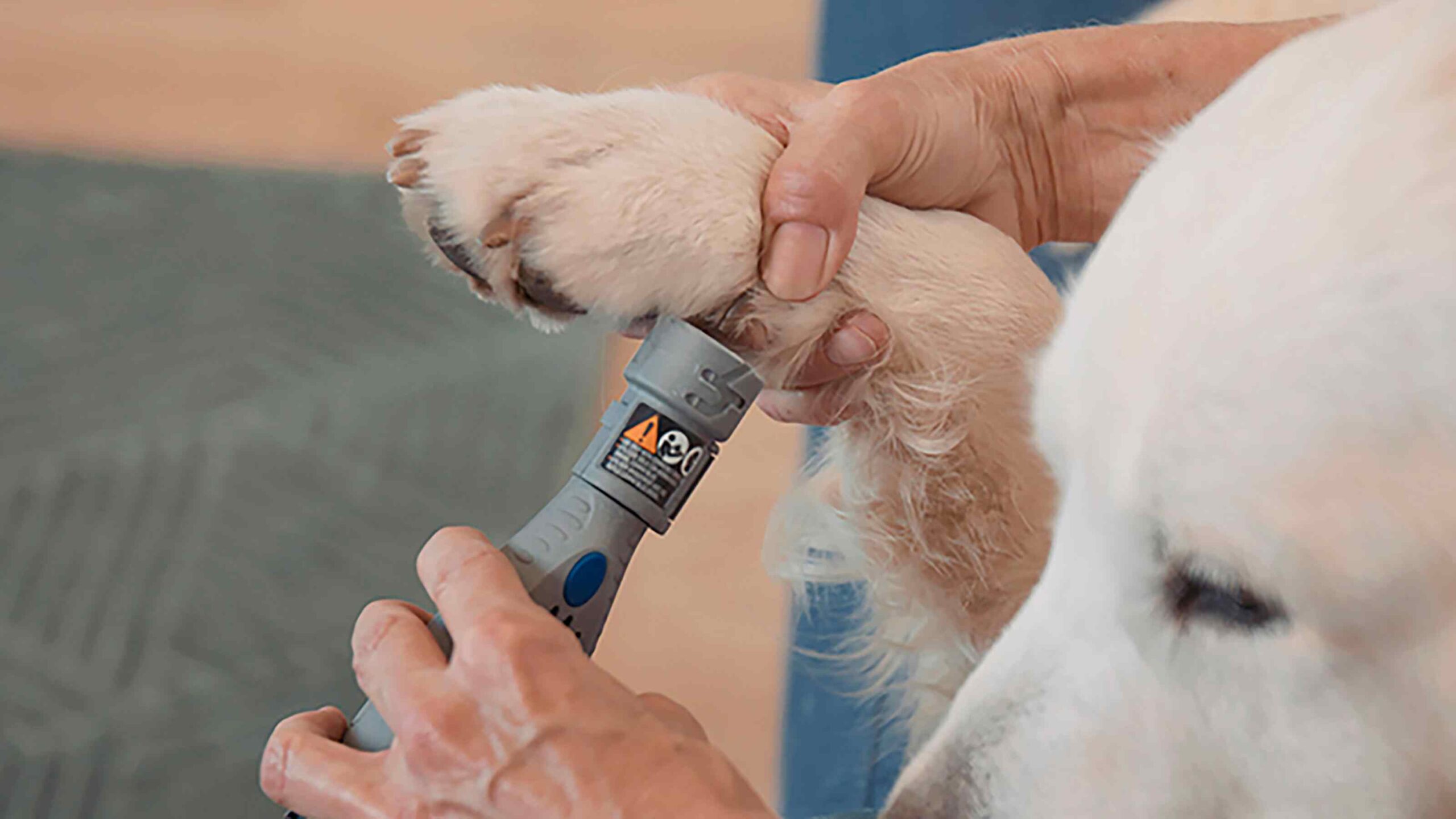
Once the dog is calm, I hold the paw firmly but gently. You don’t want to squeeze, but you also can’t be hesitant.

I bring the Dremel to the nail at a slight angle and touch it for a second or two each time—holding it in one spot for too long is a common error.

Short bursts are key.

Don’t try to finish the nail all at once. Gradually shape it, rotating around the nail to smooth edges as you go.

One detail that took me time to learn: heat builds up quickly. If you keep the Dremel on a single nail for too long, it can become uncomfortable for the dog. I usually alternate between paws to avoid that.

Use a Dremel to Trim Dog Nails

Knowing When to Stop

This is where experience really matters.

As you grind down the nail, you’ll start to see a darker center appear—that’s the quick getting close. On light-colored nails, it’s easier to spot. On dark nails, you have to rely more on caution.

I had a client bring in a small terrier whose previous groomer had clipped him badly. The dog flinched at every touch after that. With him, I took an extremely conservative approach—just a little grinding each visit. Over time, the quick receded, and we were able to get the nails back to a healthy length.

That’s something many owners don’t realize: regular grinding can encourage the quick to shrink back over time. However, grinding too close, too fast, or ignoring signs of discomfort can hurt your dog, so proceed slowly and stop if your dog pulls away or shows signs of distress. Rushing is a big issue. Many think nail trims take five minutes. For some dogs, maybe—but not most.

Another mistake is pressing too hard—let the Dremel work. Pressure creates heat and discomfort.

I also see people skipping desensitization altogether. They assume their dog will “just deal with it.” That’s how you end up with a dog that hides when you bring the tool out.

And finally, poor positioning. If your dog is squirming or standing awkwardly, you’re setting yourself up for a bad experience. I often work with dogs on a non-slip surface or even on my lap for smaller breeds. Stability makes everything easier.

A Few Practical Tips From Experience

  • Start on the lowest speed setting. Hi, start on the lowest speed setting. High speeds can be overwhelming and may cause burns more easily. Always check that your Dremel’s attachments are secure before starting. the beginning. Even one or two nails is progress.
  • Use treats generously. I’ve turned many “difficult” dogs into cooperative ones by pairing the Dremel with rewards.
  • Check your sanding band regularly. A worn band doesn’t grind effectively, leading to increased friction.

When I Don’t Use a Dremel

Despite how much I like it, there are situations where I switch back to clippers.

Very small puppies often do better with quick snips; their nails are soft and tiny. Extremely anxious dogs may need slower introductions before trying a Dremel.

I’ve also had older dogs with arthritis who don’t tolerate having their paws held for long. In those cases, speed matters more than precision, so I adapt.

The Difference It Makes

Once you get the hang of it, using a Dremel feels less like a chore and more like routine maintenance.

I’ve seen dogs go from resisting nail trims entirely to calmly sitting through a session. Owners often tell me they avoided trimming nails for months because of fear—both theirs and the dog’s. With the right approach, that fear fades.

It’s not about mastering a tool. It’s about understanding your dog, working at their pace, and building trust one nail at a time.