Understanding Worms in Dog Poop: A Pet Owner’s Guide
From a Vet Who Sees This Weekly
The first time a client brought me a stool sample wrapped in a tissue and said, “Something’s moving in it,” I remember the mix of concern and embarrassment on their face. I’ve been a small-animal veterinarian for over a decade. This is one of the most common (and fixable) issues dog owners face.
If you’ve noticed something unusual in your dog’s poop, you’re not alone. The tricky part is knowing what you’re actually looking at. Not all worms look the same, and not everything that looks like a worm actually is one.
Let me walk you through what I’ve seen in real cases and what it likely means.
The Most Common Worms You’ll Actually See
In my experience, dog owners usually spot worms when they’re already visible to the naked eye. That narrows it down to a few usual suspects.
Roundworms are probably the most recognizable. They look a bit like pale, off-white spaghetti strands. I once had a young dog come in after vomiting, and several of these long, noodle-like worms were mixed in. The owner initially thought it was undigested food. In stool, they appear similar: long, smooth, and sometimes curled.
Tapeworms are different. You won’t usually see a full worm. Instead, you’ll notice small, rice-like segments around the poop or stuck to your dog’s rear. I had a case last spring in which a client insisted their dog had “grains of rice” on the bedding. That’s classic tapeworm shedding. These segments can move slightly when fresh. It’s understandable that this freaks people out.
Hookworms and whipworms are more deceptive. You generally won’t see them in the stool. They’re small and tend to stay attached inside the intestine. The first clue is not visual—it’s symptoms like diarrhea, dark stools, or weakness. Often, the stool appears normal, but lab tests reveal a different story.
What People Often Mistake for Worms
I’ve lost count of how many times I’ve been shown something that looked like a worm—but wasn’t.
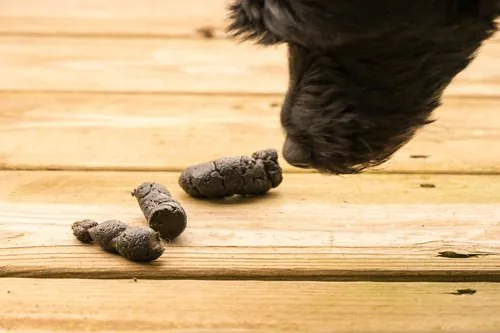
Undigested food is the biggest culprit. Things like grass fibers, vegetable strands, or even bits of fabric can pass through, looking eerily worm-like. One client brought in what they were sure were worms, but it turned out their dog had gotten into a mop head.
Mucus in stool can also look like worms. It has a slimy, stringy appearance and can be mistaken at a glance. The difference: mucus breaks apart easily, unlike real worms.
This is why I always recommend against jumping to conclusions based on a single glance. If you’re unsure, a quick fecal exam at a clinic can settle it.
What Fresh vs. Old Worms Look Like
Here’s something most people don’t realize until they’ve seen it firsthand: worms change appearance quickly.
Fresh worms are often moist, slightly shiny, and may even move. Tapeworm segments, in particular, can contract and expand briefly after being passed.
After a few hours, they dry out. Tapeworm segments that once looked like rice can resemble sesame seeds. Roundworms lose their sheen and become stiff. I had a case where a client only noticed the dried segments days later on their dog’s blanket and had no idea they’d been there the whole time.
Timing matters when you’re trying to identify what you’re seeing.
Where You’ll Notice Them Besides Poop
Sometimes, the first sign isn’t in the stool at all.
I’ve had owners come in because their dog was scooting excessively. Often, that’s due to irritation from tapeworm segments around the anus. You might also see them stuck in fur or on bedding.
In heavy infestations, especially in puppies, worms can appear in vomit. That’s usually roundworms, and it tends to alarm people more than anything in stool.
Mistakes I See Dog Owners Make
One of the most common mistakes is waiting too long. I understand the hesitation—no one wants to overreact—but parasites don’t resolve on their own. I’ve seen mild cases turn into serious weight loss or anemia, particularly with hookworms in young dogs.
Another mistake is using over-the-counter treatments without proper identification. Not all dewormers treat all worms. I’ve had clients try multiple products with no success, only to find out they were targeting the wrong parasite entirely.
And then there’s the assumption that indoor dogs are safe. Fleas can carry tapeworms, and I’ve treated plenty of dogs who never set foot outside but still ended up infected.
What I Usually Recommend in Practice
If you see anything suspicious in your dog’s stool, collect a fresh sample and bring it to your veterinarian as soon as possible for analysis. Erring on the side of caution helps catch problems before they worsen. In most cases, treatment is straightforward once we know what we’re dealing with. Deworming medications are effective, but they need to match the parasite. I also usually recommend follow-up testing to ensure the infection is fully cleared.
Prevention is crucial. Maintain a regular deworming schedule as recommended by your vet, use effective flea control consistently, and practice good hygiene by promptly cleaning up after your dog. These steps help prevent reinfection and keep your dog healthy.
A Final Thought from the Exam Room
One case that stuck with me involved a first-time dog owner who nearly gave up their puppy because they thought the worms meant they’d done something wrong. The reality is, parasites are incredibly common, especially in young dogs.
Catching it early, recognizing what you’re seeing, and acting on it—that’s what makes the difference.
If you’re looking at your dog’s poop and wondering whether that strange shape or movement is normal, trust your instincts. In my experience, owners are often justified in being suspicious.