The Beauty of Dilute Calico Cats Explained
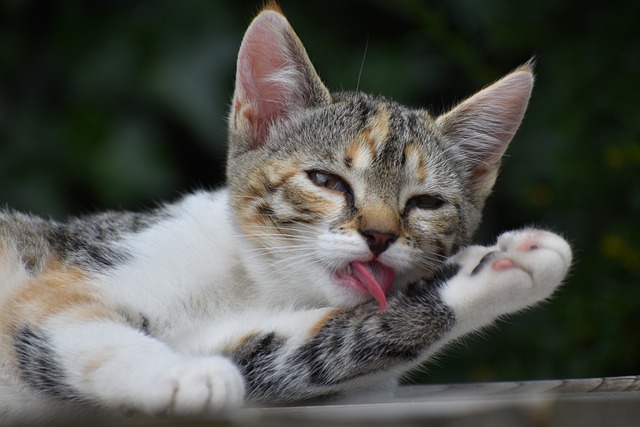
As a licensed veterinarian practicing in Texas for over a decade, I’ve had the pleasure of working with countless feline companions, and dilute calico cats always stand out to me. Their soft, muted coat colors—a gentle mix of cream, gray, and light orange—give them an almost ethereal appearance compared to the more vivid traditional calicos. But beyond their looks, there’s a lot about these cats that owners, and prospective owners, should understand.
First Encounter and Personality Traits
I first encountered a dilute calico while treating a rescue kitten brought in by a local animal shelter. She had the typical cream-and-gray patches that make these cats so distinctive. What struck me immediately was not just her beauty, but her playful, slightly mischievous personality.
In my experience, dilute calicos often display a strong sense of individuality, perhaps more than other coat variations. I’ve seen timid kittens blossom into confident, affectionate adults, while more assertive ones maintain a charming stubborn streak well into adulthood.
Common Misconceptions
One common misconception I notice among new cat owners is that the dilute coloring indicates a different breed or a weaker immune system. That’s simply not true. Dilute calico is a color pattern, not a breed, and it can appear in domestic shorthairs, longhairs, and several pedigree breeds. I remember a client last spring who insisted her dilute calico must be “special” or rare.
While her cat was indeed beautiful, I explained that dilute calicos are not uncommon—they’re just less vibrant, which makes them visually unique rather than genetically fragile.
Health and Coat Care
Health-wise, dilute calicos follow the same care standards as any other cat, but I do emphasize attention to their skin and coat. The lighter pigmentation sometimes makes minor dermatological issues more noticeable. In one case, a dilute calico I treated developed a small patch of dermatitis from a flea allergy.
Because her coat was lighter, the redness and irritation were immediately visible, allowing us to intervene quickly. I advise routine grooming and careful observation for any changes in skin condition, particularly in these lighter-colored cats.
Temperament and Social Behavior
Temperament can vary widely, but I’ve found that dilute calicos often have a delightful balance of independence and affection. One of my patients, a mature female, would sit quietly beside her owner during my visits, occasionally nudging for attention before darting off to explore the examination room.
That kind of personality makes them ideal for homes where cats are companions but not necessarily clingy. For families with children or other pets, I suggest a slow introduction, as some dilute calicos can be more cautious in new social settings.
Importance of Early Socialization
Another point I stress with owners is the importance of early socialization. A dilute calico kitten that experiences varied environments and gentle handling tends to grow into a well-adjusted adult. I’ve personally seen timid kittens become outgoing after consistent, positive interactions with people and other animals. It’s a small investment of time that pays off in a cat that is confident and affectionate for life.
Feeding and General Care
In terms of feeding and general care, nothing about the dilute pattern requires special treatment. High-quality cat food, fresh water, routine vet checkups, and mental stimulation remain essential. I’ve occasionally had clients worry that the dilute coloring might signal dietary sensitivities, but in my experience, these cats thrive on the same nutrition standards as any other domestic cat.
Conclusion
In conclusion, dilute calico cats are a beautiful and often charming addition to any home. Their coat may be softer in tone, but their personalities are vibrant. From my hands-on experience treating and observing these cats over the years, I can confidently say that the key to a happy dilute calico lies in regular care, attentive observation, and plenty of love. They’re not rare in the genetic sense, but each one feels unique the moment you meet them.